
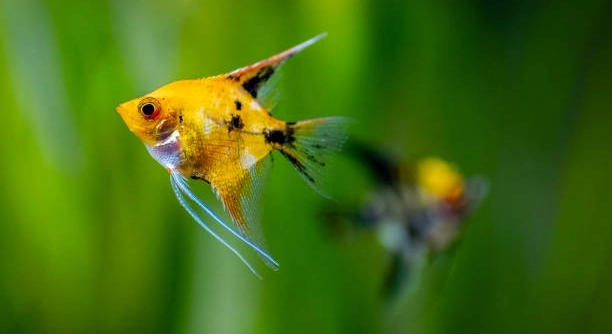
Angelfish are beautiful creatures, but they can experience stress when placed in a new tank. Adjusting to unfamiliar surroundings can be difficult for them, so it’s important to help them feel comfortable and secure.
To help your angelfish adjust to a new tank, focus on creating a stable, stress-free environment. Proper water conditions, gradual tank changes, and minimizing disturbances will make the transition easier for them. Patience is key during this process.
With a few simple steps, you can make your angelfish’s adjustment smoother and less stressful. Ensuring a stable tank and providing comfort will set them up for success in their new home.
1. Ensure Proper Water Conditions
Maintaining the right water conditions is crucial for your angelfish’s comfort. If the water temperature, pH, and hardness levels aren’t ideal, your fish will struggle to adapt to the new environment. Angelfish thrive in temperatures between 76°F and 82°F (24°C to 28°C), with a slightly acidic to neutral pH range of 6.8 to 7.8. Regularly testing and adjusting these factors will make a big difference. Additionally, make sure the water is free of chlorine or harmful chemicals. If you’re unsure, consider using a water conditioner to remove any harmful substances.
Check the water parameters consistently, especially after setting up the tank. Stability is more important than anything else, and a sudden change can cause stress for your angelfish. A reliable aquarium thermometer and test kits will help you keep everything in check. With the right water conditions, your angelfish can focus on exploring their new home rather than coping with a hostile environment.
Angelfish are sensitive to water changes. You should always acclimate them slowly to avoid shock. Allow your fish to adjust gradually by floating them in a bag of water from the new tank.
2. Create Hiding Spots
Angelfish may feel vulnerable when placed in a new tank, so providing plenty of hiding spots helps them feel secure. You can use plants, rocks, and decorations to create these areas. This will allow your angelfish to retreat and relax if they feel stressed or scared.
Adding live plants to your aquarium benefits the fish in many ways. They not only offer hiding places but also contribute to the overall health of the tank. Angelfish, like many species, appreciate some privacy when adjusting to unfamiliar spaces. Adding dense plant coverage gives them room to feel at ease while still being part of the tank’s activity.
Furthermore, try to avoid overstocking your tank. A crowded environment can make angelfish feel overwhelmed. By carefully placing decorations and plants, you’ll ensure your fish have enough space to move around comfortably without feeling exposed. This space is essential for their mental and physical well-being.
3. Gradually Introduce Them to the Tank
When introducing your angelfish to their new tank, do it slowly. Sudden changes can be overwhelming. Float the fish in their bag for about 20 minutes, allowing the water temperature in the bag to match the tank. This helps reduce the risk of shock.
After floating the bag, open it and gradually mix the tank water into the bag over the next 30 minutes. This method allows the angelfish to adjust to both the temperature and the water chemistry of their new environment. Slowly introducing them minimizes stress and gives them a chance to adjust before swimming freely.
If you have other fish in the tank, be mindful of their behavior. Keep an eye on how the angelfish interact with tank mates. Some species may be territorial or aggressive, which can stress the newcomer. If needed, separate the angelfish for a few days to ensure a smoother integration into the aquarium.
4. Keep the Tank Stable and Quiet
Angelfish are sensitive to disturbances, so try to keep the tank environment calm. Avoid loud noises and sudden movements around the aquarium. This helps prevent unnecessary stress, allowing your fish to adapt more easily.
Place the tank in a quiet area, away from heavy foot traffic. Angelfish are shy creatures and will appreciate the peace. Keep the lighting subdued during the first few days as well. Bright lights can be disorienting, especially in a new tank.
Also, avoid tapping on the glass or making abrupt movements near the aquarium. This can startle your angelfish and make them feel unsafe. They need a calm, predictable environment to help them adjust and begin feeling secure in their new home.
5. Monitor Their Behavior Closely
Pay attention to how your angelfish behave after being introduced to their new tank. If they hide for long periods or seem unusually lethargic, it may be a sign that something’s wrong. Stress could be caused by water conditions or tank mates.
If they are constantly hiding, it might be worth testing the water again. A change in water temperature or pH can lead to discomfort. If the angelfish refuse to eat, that’s another clear sign of stress. Make sure you observe them daily to catch any signs early.
6. Avoid Overfeeding
Overfeeding your angelfish can cause more harm than good, especially during the adjustment period. Excess food left in the tank can lead to water quality issues. Feed them small portions twice a day, just enough for them to consume within a few minutes.
It’s easy to overestimate how much food your angelfish need. Even if they seem eager to eat, it’s best to hold back a bit. Overfeeding can stress your fish and create an imbalance in the tank. Stick to feeding amounts that align with their size and activity level.
7. Keep the Tank Clean
A clean tank is essential for your angelfish’s health. Regular water changes and cleaning the substrate help maintain a healthy environment. Aim to change 20% to 30% of the water every week, and clean the filter as needed.
Not only does this prevent the build-up of waste, but it also keeps harmful bacteria at bay. If the tank is dirty, your fish can become stressed or sick. A clean environment helps them stay healthy and adapt more comfortably to their new home. Always monitor the water quality closely during this period.
FAQ
What are the best water conditions for angelfish?
Angelfish thrive in water temperatures between 76°F and 82°F (24°C to 28°C). The pH should be slightly acidic to neutral, ranging from 6.8 to 7.8. Water hardness should be between 3 and 8 dGH. It’s important to test your water regularly to maintain these levels. Sudden fluctuations in temperature or pH can cause stress, so try to keep the environment stable.
How do I know if my angelfish is stressed?
Signs of stress in angelfish include hiding for long periods, rapid breathing, loss of appetite, or strange swimming behavior. If your fish are constantly staying near the bottom or corner of the tank, it could indicate they are feeling threatened or uncomfortable. Changes in water conditions, other aggressive tank mates, or too much light can also trigger stress. Keep an eye out for these behaviors and adjust their environment accordingly.
How long does it take for angelfish to adjust to a new tank?
It can take anywhere from a few days to a week for angelfish to fully adjust to a new tank. Some may adapt quicker, while others take longer, especially if they are sensitive or have had a rough transition. During this time, make sure they are eating well, not hiding excessively, and that water conditions remain stable.
Should I add other fish with my angelfish right away?
It’s best to let your angelfish settle in first before adding other fish. This can take anywhere from a few days to a week. If you introduce tank mates too soon, your angelfish may feel more stressed, especially if they are still adjusting. When adding new fish, make sure they are compatible and that the tank isn’t overcrowded.
What is the best diet for angelfish during their adjustment period?
During the adjustment period, feed your angelfish a varied diet of high-quality flakes, pellets, and occasional frozen or live foods like brine shrimp or bloodworms. Offer small portions multiple times a day, just enough for them to eat within a few minutes. Avoid overfeeding, as this can affect the water quality.
Can I use aquarium salt for angelfish?
Aquarium salt can be used to help with minor stress or as a treatment for certain diseases, but it should be used with caution. Angelfish are sensitive to salt, so only use it in small amounts. Make sure to follow guidelines on the salt package and monitor the fish closely. Overuse can lead to harm.
Do angelfish need a lot of space?
Yes, angelfish need ample space to swim around comfortably. A tank of at least 20 gallons is recommended for a single angelfish, with an additional 10 gallons for each additional fish. The more space you can provide, the better they will adjust and thrive in their new home. Avoid overcrowding, as this can lead to stress and territorial issues.
Can angelfish live with other species?
Angelfish are generally peaceful but can become territorial, especially during breeding. They do well with other non-aggressive species, but avoid keeping them with small or overly active fish that might provoke them. Species like tetras, gouramis, and some catfish make good tank mates. Always ensure there are enough hiding spots for all fish in the tank.
How do I acclimate angelfish to my tank?
Acclimation is essential for a smooth transition. Float the bag with your angelfish in the new tank for about 20 minutes to match the water temperature. After that, slowly add small amounts of the tank water into the bag every 5-10 minutes. After about 30 minutes, gently release your fish into the tank. This gradual method prevents shock and allows the angelfish to adjust to both the temperature and water conditions.
Why is my angelfish not eating?
There are a few reasons why your angelfish may not be eating. Stress from moving to a new tank, poor water quality, or water temperature that is too high or low can all affect their appetite. Give them some time to adjust and ensure the water conditions are ideal. If they continue to refuse food, it could be a sign of illness or stress.
What kind of tank decorations are best for angelfish?
Angelfish enjoy a tank with plenty of hiding spots, plants, and open swimming areas. Live plants like Amazon swords or java ferns work well, as they offer shelter and contribute to water quality. Avoid sharp or jagged decorations that could harm your fish. Keep in mind that angelfish can grow quite large, so ensure the decorations don’t overcrowd the tank.
How often should I change the water in my angelfish tank?
You should change about 20% to 30% of the water in your angelfish tank every week. Regular water changes help maintain good water quality and reduce toxins. It also prevents the build-up of harmful bacteria, which could cause illness. Make sure to test the water regularly to ensure it’s safe for your angelfish.
Can angelfish breed in a community tank?
While angelfish can breed in a community tank, it is not always ideal. If you want them to breed, it’s best to provide a quiet, undisturbed area. In a busy tank with other species, they may become stressed and not breed successfully. Additionally, angelfish can become aggressive when guarding eggs, which might create tension with other tank mates.
Final Thoughts
Helping your angelfish adjust to a new tank takes time and patience, but with the right care, they will settle in and thrive. The most important factors to focus on are maintaining the right water conditions and creating a stress-free environment. Angelfish are sensitive creatures, so a stable and calm tank will go a long way in helping them feel comfortable. By regularly monitoring the water quality, temperature, and pH levels, you ensure they don’t face unnecessary stress. This gives your fish the best chance at adjusting quickly to their new home.
It’s also essential to provide plenty of hiding spots and ensure there is enough space for them to swim. Angelfish are naturally curious and will want to explore, but they also need places where they can retreat when they feel threatened. Adding live plants, rocks, or tank decorations helps create these hiding spots and makes the tank feel more like a natural environment. Just make sure not to overcrowd the tank, as this can lead to territorial behavior and stress among your fish.
Finally, don’t forget to be patient during this transition. Angelfish may take a little while to adjust, and some may need more time than others. Watching their behavior closely and making adjustments as needed is key. If you see signs of stress, such as hiding for long periods or refusing to eat, take action to correct any problems. Once your angelfish feel comfortable and safe in their new environment, they will reward you with their beauty and unique personality.

Hello,
If you enjoy the content that we create, please consider saying a "Thank You!" by leaving a tip.
Every little bit helps us continue crafting quality advice that supports the health, happiness, and well-being of pets around the world, for pets of all shapes, sizes, and species.
We really appreciate the kindness and support that you show us!