
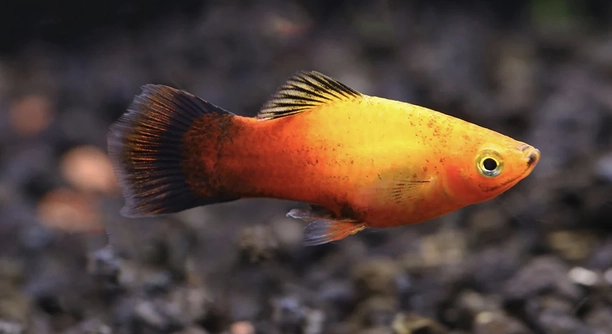
Are your platy fry struggling to keep up with the rest of the group, looking smaller and weaker no matter what you try?
Helping weak platy fry catch up involves targeted feeding, stable water conditions, and minimizing stress. These strategies promote healthier growth, better development, and improved survival rates by creating a controlled and nurturing environment suited to their specific needs.
From choosing the right food to adjusting their surroundings, these tips can make a real difference in how your fry grow.
Separate the Weaker Fry
Weak fry often fall behind because they can’t compete for food or space. Separating them into a breeder box or a small tank gives them a safer space where they’re not overshadowed by stronger siblings. This also lets you monitor their growth more closely. Make sure their separate space has the same water conditions as the main tank to avoid stress. Keep it clean and provide a soft sponge filter for gentle water movement. Separation not only helps prevent bullying but also allows for more precise feeding. If you notice rapid improvement, it’s a good sign they just needed some quiet time away from competition.
Use this time to observe any signs of illness or abnormal behavior. Early intervention can make a big difference in recovery and growth.
Once the weaker fry catch up, you can consider reintroducing them gradually. Just make sure their size and behavior match the others to avoid setbacks.
Focus on High-Quality Food
Nutrition plays a major role in helping fry grow stronger. You need to feed them small, high-protein meals multiple times a day to support their fast metabolism.
Live baby brine shrimp, microworms, and crushed high-protein pellets are excellent options. These foods are rich in nutrients and easy for fry to digest. Make sure you feed them enough, but not so much that it clouds the water. Overfeeding can lead to poor water quality, which harms the weaker ones the most. It’s better to offer tiny amounts more frequently. Use feeding tools like pipettes or feeding rings to target specific fry when needed. Don’t rely only on flake food—even crushed, flakes lack the full range of nutrients fry require during early stages. Consider rotating food types throughout the day. Consistency is key, and results may take a few days to show. Keep track of any growth or behavioral changes to adjust your feeding schedule as needed.
Maintain Warm, Stable Water
Warmer temperatures help fry digest food faster and grow quicker. Keep the tank between 78°F and 80°F, using a reliable heater and thermometer. Avoid temperature swings, as even small drops can slow growth or cause health problems in weaker fry.
Stable water quality is just as important as temperature. Perform regular water changes—about 20% every few days—to keep ammonia and nitrite levels at zero. Use a sponge filter to maintain gentle filtration without risking the fry getting sucked in. Make sure the pH stays between 6.8 and 7.8, as sudden changes can stress the fry. Avoid adding untreated tap water directly into the tank. Always use a water conditioner. Test your water weekly to make sure nothing is off balance. Healthy water helps fry absorb nutrients properly and stay active.
A steady, warm environment gives the weaker fry a chance to focus on growing instead of dealing with stress. Keep your setup simple and easy to maintain.
Reduce Light and Tank Stress
Too much light can stress young fry, especially if they are already struggling. Dim lighting or floating plants help create shady spots that make them feel safer and more secure while they grow at their own pace.
Stress comes from more than just light. Sudden movements, loud noise, or tankmates darting around can all unsettle weaker fry. Use a background on the tank and keep it in a quiet area of your home. Avoid sudden water changes and rough handling. Even netting can frighten them, so move slowly and only when necessary. If they’re in a breeder box, place it in a calm section of the tank. Add a few live plants or soft decorations to help block visual distractions. A calm environment helps fry eat better, rest more, and use their energy for growing instead of reacting to stress around them.
Limit Tank Mates’ Distractions
Fast-moving or aggressive fish can intimidate weaker fry and cause them to hide or miss meals. Keeping them with calm species or alone for a while reduces competition and allows them to feed without fear or pressure from others.
Too many fry in one space can also cause problems. Overcrowding leads to lower oxygen levels, more waste, and increased stress. If needed, split them into smaller groups to give everyone more room to swim and grow. A calm, low-traffic environment helps weaker fry catch up faster.
Monitor Growth Closely
Tracking each fry’s progress helps you know what’s working and what needs adjusting. Use a small notebook or digital log to note their size, behavior, and any changes in feeding response. Weaker fry that aren’t showing signs of growth after a week may need extra support or even isolation for targeted care. Compare their progress weekly rather than daily, as changes can be slow. If you notice signs of illness—like clamped fins, discoloration, or floating issues—address them quickly with clean water and possible treatments. Regular observation is one of the easiest ways to keep weaker fry from falling further behind.
Keep It Clean
Leftover food and waste build up quickly in fry tanks. Clean gently and often to protect their health without disrupting their environment. Use a small siphon to remove debris from the bottom without stirring things too much.
FAQ
How often should I feed weak platy fry?
Feeding weak platy fry small amounts 3 to 4 times a day is ideal. Frequent, small meals ensure they get enough nutrients without polluting the water. Overfeeding can cause water quality problems, which are harmful to their growth.
What type of food is best for weak fry?
Live foods like baby brine shrimp or microworms provide essential proteins and fats needed for healthy growth. High-quality powdered fry food and crushed pellets are also good supplements. Avoid only feeding flakes, as they don’t offer all the necessary nutrients for early development.
Can weak fry catch up to their siblings?
Yes, with proper care and the right environment, weaker fry can grow faster and catch up. Separation from stronger siblings, stable water conditions, and targeted feeding help balance growth rates. Patience is important, as it may take several weeks.
Is water temperature really important for fry growth?
Absolutely. Maintaining a consistent temperature between 78°F and 80°F supports faster metabolism and digestion in fry. Sudden changes in temperature can stress them, slowing growth or causing illness. Using a reliable heater and thermometer is essential.
Should I use a breeder box for weak fry?
Using a breeder box or separate tank can protect weaker fry from competition and bullying. It allows for controlled feeding and better monitoring. Make sure water quality inside the breeder box matches the main tank to avoid additional stress.
How do I know if my fry are stressed?
Signs of stress include hiding excessively, slow movement, loss of appetite, and clamped fins. Stress can come from poor water quality, aggressive tankmates, or sudden changes in environment. Reducing light and noise and improving water quality often helps.
How important is water quality for weak fry?
Water quality is critical. Poor conditions cause health problems that stunt growth. Regular partial water changes, gentle filtration, and monitoring ammonia, nitrites, and pH levels keep fry healthy and growing well.
Can overcrowding affect weak fry growth?
Yes, overcrowding increases waste, reduces oxygen, and causes stress. Splitting fry into smaller groups gives them more space, cleaner water, and less competition, all of which support faster growth.
What should I do if weak fry show signs of illness?
Immediately check water quality and perform a partial water change. Isolate sick fry if possible and treat with appropriate medications recommended for common fry diseases. Early action improves chances of recovery.
How long does it take for weak fry to catch up?
The timeframe varies depending on care quality and initial weakness. With good conditions, it can take several weeks for noticeable growth improvements. Consistent feeding and water care are key to steady progress.
When caring for weak platy fry, patience and attention make all the difference. Growth rates vary naturally, and some fry may need extra time to develop fully. By providing stable water conditions, proper nutrition, and a calm environment, you give these tiny fish the best chance to catch up with their siblings. Separating weaker fry from more aggressive or faster-growing ones can reduce competition and stress, helping them focus on feeding and growing. Using quality food like live baby brine shrimp or specially formulated fry food supports their nutritional needs during these critical early stages.
Maintaining consistent water temperature and quality is essential for healthy development. Even small fluctuations in temperature or poor water conditions can slow growth or cause health problems. Regular partial water changes, gentle filtration, and monitoring of parameters like ammonia, nitrites, and pH create an environment where fry can thrive. Stress reduction is equally important; keeping lighting low, minimizing noise, and avoiding sudden changes helps weaker fry stay calm and active. A quiet, stable habitat encourages better feeding behavior and energy use, which is crucial for catching up.
Tracking progress over time allows you to adjust care as needed. Weaker fry may not grow as fast as their siblings immediately, but with steady care, many improve significantly. Observing their behavior, appetite, and size helps identify when extra steps or medical treatment might be necessary. Consistency in feeding, cleaning, and environmental conditions produces the best results. While it takes effort, seeing weak platy fry gain strength and join the rest of the tank in health is a rewarding experience. With time, your care will help these little fish grow into vibrant adults.

Hello,
If you enjoy the content that we create, please consider saying a "Thank You!" by leaving a tip.
Every little bit helps us continue crafting quality advice that supports the health, happiness, and well-being of pets around the world, for pets of all shapes, sizes, and species.
We really appreciate the kindness and support that you show us!