
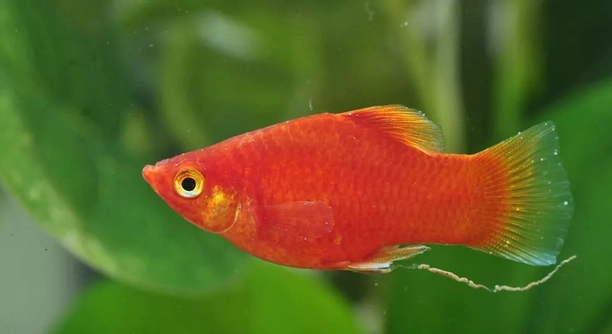
Platy fry are small, delicate fish that need careful care in community tanks. They face many challenges living with other fish, especially as they grow. Providing the right environment helps them survive and thrive.
Ensuring the survival of platy fry in community tanks involves providing adequate hiding places, maintaining optimal water conditions, feeding appropriate food, and monitoring tank mates to reduce predation risks and stress levels. These steps are essential for their growth and well-being.
Learning how to create a safer space for your platy fry can make a big difference in their survival. The following tips will help you support these tiny fish in a busy tank environment.
Provide Plenty of Hiding Spots
Platy fry are very small and easily stressed by larger tank mates. Giving them enough places to hide helps keep them safe. Plants with fine leaves, small caves, or even floating plants create safe zones for the fry. These hiding spots reduce the chance of being chased or eaten by other fish. Dense plants like Java moss or hornwort work well because the fry can swim through the thin stems without trouble. You can also use decorations with small openings to provide extra shelter. It’s important that these hiding places are spread throughout the tank so the fry can find safety anywhere. Regularly checking the tank to make sure these spots are clean and intact helps keep the fry comfortable. Without enough places to hide, the fry may become stressed, which can affect their growth and health.
Adding plants and caves makes the tank a safer place for platy fry to grow.
Keeping the tank well-planted also helps improve water quality by absorbing excess nutrients. It creates a more natural environment, making the fry feel secure and less exposed to predators. You don’t need fancy decorations; even simple plastic plants or small clay pots work fine. Changing the hiding spots occasionally can also keep the fry from becoming too exposed as they grow and start exploring more of the tank. Remember that fry are most vulnerable in their first few weeks, so focus on providing good cover during that time. By creating plenty of safe spaces, you improve their chances of surviving alongside larger, more active fish.
Maintain Clean and Stable Water Conditions
Platy fry need stable water conditions to stay healthy. Sudden changes in temperature, pH, or water hardness can cause stress and weaken their immune system. Keeping the tank clean by doing regular water changes removes harmful waste and keeps water parameters steady. Using a reliable heater and thermometer helps maintain the right temperature, usually between 74°F and 78°F. Monitoring the water with test kits can prevent dangerous spikes in ammonia or nitrites, which are especially harmful to fry. A filter is important but should not create strong currents that could tire out the tiny fish. Gentle filtration keeps the water clear and oxygenated without disturbing the fry’s delicate bodies.
Consistent water care supports the health and growth of platy fry over time.
Establishing a routine for water changes and testing makes it easier to notice problems early. Using a sponge filter or adding filter media can protect fry from being sucked into the filter intake. Keeping the water clean also reduces the chance of diseases spreading among fish. Avoid overfeeding because leftover food can pollute the water quickly, making it harder to keep good conditions. When water quality is steady, fry are less likely to suffer from infections and can grow more quickly. Stability in the tank’s environment gives platy fry the best chance to survive in a community setting where many factors could otherwise stress them.
Feed Small and Frequent Meals
Platy fry need frequent, small meals to grow well. Large portions can pollute the water and cause health problems. Feeding multiple times a day keeps their energy up and supports steady growth.
Feeding tiny amounts several times daily mimics their natural feeding habits. Use finely crushed flakes, powdered fry food, or baby brine shrimp to ensure they can easily eat. Avoid overfeeding, as uneaten food can quickly foul the water and increase harmful bacteria. Smaller, frequent feedings also help reduce competition from bigger fish, giving fry better access to food. Watching how much the fry consume in a few minutes helps you adjust portions properly.
It’s important to feed a varied diet to provide all the nutrients the fry need. Rotating between powdered foods and live or frozen options like microworms or daphnia supports healthy development. Consistency in feeding times also helps maintain tank cleanliness and reduces stress among fry.
Monitor Tank Mates Closely
Not all fish are safe with platy fry. Aggressive or large species may hunt or stress them. Choose peaceful, small fish that don’t bother the fry.
Community tanks should have compatible fish that tolerate or ignore fry. Avoid species known for fin-nipping or predation, such as large cichlids or barbs. Some fish may not actively hunt fry but outcompete them for food, making survival difficult. Observing interactions daily helps identify any threats early. If problems arise, separating fry temporarily or using breeding traps can protect them.
Keeping tank mates peaceful supports fry growth and reduces injury or stress. Providing enough hiding spots also helps fry avoid unwanted attention from other fish. Selective stocking based on behavior is key to a balanced, safe environment for all inhabitants.
Use a Gentle Filter
Strong currents can tire or harm platy fry. Choose a gentle filter like a sponge filter to keep water clean without stressing the fry.
Sponge filters also provide a surface for beneficial bacteria, helping maintain good water quality. They won’t suck in the tiny fry, making them safer than powerful filters with strong intakes.
Separate Fry When Needed
Sometimes, separating platy fry is necessary to protect them from tank mates. Using a breeder box or a separate tank keeps them safe during their most vulnerable stage.
This separation reduces stress and increases survival chances until the fry are large enough to join the community tank without risk.
Maintain Proper Temperature
Keeping the tank temperature between 74°F and 78°F helps platy fry develop properly. Temperatures outside this range can slow growth or cause health issues.
Stable temperature control supports their metabolism and immune system, contributing to stronger, healthier fry.
FAQ
How often should I feed platy fry?
Platy fry do best with small meals given several times a day, usually 3 to 4 times. Frequent feeding keeps their energy up and supports steady growth. Feeding once or twice a day isn’t enough and can slow their development. Make sure to give tiny portions so food doesn’t build up in the tank and pollute the water. Watching how quickly the fry finish their food helps you adjust the amount.
What kind of food is best for platy fry?
The best food for platy fry is finely crushed flakes, powdered fry food, or live foods like baby brine shrimp and microworms. These options are small enough for their tiny mouths and provide the nutrients needed for healthy growth. Rotating different types of food ensures they get a balanced diet. Avoid large pellets or flakes that don’t break down easily, as fry may struggle to eat them.
Can platy fry live with adult fish?
Platy fry can live with adult fish, but only if the tank mates are peaceful and not aggressive or predatory. Some adult fish may see fry as food or bother them constantly. It’s important to watch tank behavior carefully. If the fry show signs of stress or injury, it might be better to separate them until they grow bigger and less vulnerable.
How do I know if my fry are stressed?
Stressed fry may hide more than usual, swim erratically, or appear lethargic. They can lose color and may stop eating well. Stress usually happens from poor water conditions, aggressive tank mates, or lack of hiding places. Keeping the water clean, providing shelters, and choosing calm fish reduces stress and helps fry thrive.
What water parameters are best for platy fry?
Ideal water temperature is between 74°F and 78°F, with a pH of around 7.0 to 8.0. Ammonia and nitrite levels should be zero, while nitrate should be kept low through regular water changes. Stable parameters help fry grow healthy and avoid disease. Sudden changes in water chemistry can shock the fry, so test water regularly.
How long do platy fry take to grow?
Platy fry usually grow quickly, reaching a noticeable size in about 6 to 8 weeks. Full maturity can take around 3 to 4 months depending on diet and tank conditions. Good care speeds growth, while poor conditions can slow development or cause health problems.
Is it necessary to separate fry from the main tank?
Separating fry is not always necessary but can greatly improve survival rates. Using a breeder box or a separate tank protects fry from being eaten or stressed by adult fish. Once the fry are large enough and confident swimmers, they can safely join the main tank.
How often should I do water changes for a fry tank?
For tanks with platy fry, small water changes of 20-30% once or twice a week help keep water clean without causing sudden changes. Frequent but gentle water changes reduce toxins and support healthy growth. Avoid changing too much water at once to prevent stress.
Can platy fry eat the same food as adult platys?
Platy fry need smaller, softer foods compared to adults. While adults can eat flakes and pellets, fry require finely crushed flakes or special powdered foods. Live or frozen small foods also work well. Feeding adult food without breaking it down risks the fry not getting enough nutrition.
What should I do if fry get sick?
If you notice signs of illness like lethargy, spots, or abnormal swimming, isolate the affected fry if possible. Check water quality first, as poor conditions often cause sickness. Treat the tank with appropriate medications designed for fry, but use them carefully since young fish are sensitive. Prompt action helps prevent disease spread.
Providing the right care for platy fry in community tanks is important for their survival and growth. These tiny fish face many challenges from larger tank mates and changing water conditions. By giving them enough hiding spots, feeding them small and frequent meals, and keeping the water clean and stable, you create a safer environment. This helps the fry grow stronger and healthier. Each step, from choosing gentle filters to monitoring tank mates, adds up to better care for these delicate fish.
Feeding platy fry properly is key. Small portions given several times a day meet their nutritional needs without polluting the tank. Using a variety of foods, like powdered fry food and tiny live foods, supports healthy growth. It is also important to watch the behavior of other fish in the tank. Peaceful tank mates who do not hunt or stress the fry help increase their chances of survival. Sometimes, separating the fry into a safe space may be necessary until they are bigger and less vulnerable.
Stable water conditions, including temperature and cleanliness, play a large role in keeping fry healthy. Sudden changes or poor water quality can cause stress and sickness. Regular water changes and gentle filtration keep the water safe and oxygen-rich. Monitoring the tank daily allows quick responses to any problems. With consistent care and attention, platy fry can grow successfully in a community tank, eventually becoming healthy adult fish that add life and color to the aquarium.

Hello,
If you enjoy the content that we create, please consider saying a "Thank You!" by leaving a tip.
Every little bit helps us continue crafting quality advice that supports the health, happiness, and well-being of pets around the world, for pets of all shapes, sizes, and species.
We really appreciate the kindness and support that you show us!