
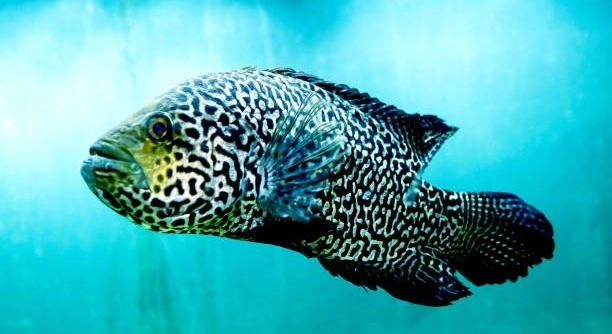
Introducing a new Jack Dempsey fish to your aquarium can be exciting but also challenging. These fish are known for their bold personalities and need a calm environment to feel comfortable. Patience is key during the first days.
To help a Jack Dempsey fish settle in, it is important to provide proper tank conditions, maintain stable water parameters, offer hiding spots, introduce food gradually, avoid sudden changes, monitor behavior closely, and ensure compatible tank mates are present.
With the right care, your Jack Dempsey can adapt smoothly, showing healthier behavior and more vibrant colors in its new home. Small adjustments make a big difference in their comfort.
Prepare the Tank Properly
Setting up the tank correctly is the first step to helping your Jack Dempsey fish feel at ease. Make sure the aquarium is at least 55 gallons, with a strong filter to maintain clean water. Provide soft substrate like sand or smooth gravel, as these fish often dig. Include several hiding spots using rocks, caves, or driftwood. Plants can be added but make sure they are sturdy enough to withstand occasional uprooting. Maintain stable water conditions with a temperature between 74–80°F and a pH of 6.5–7.5. Avoid overcrowding and allow the fish some space to explore. Adding gentle lighting and avoiding sudden movements near the tank will also help reduce stress. Keeping these factors in mind creates a comfortable and stable environment where your Jack Dempsey can slowly adjust and exhibit natural behaviors, reducing aggression and promoting health.
Proper tank setup is essential for the fish’s confidence and overall health. A calm environment helps them adapt faster.
Starting with a prepared tank reduces stress immediately. When your Jack Dempsey enters a stable, well-structured aquarium, it begins exploring without fear. Observing its interactions with the new environment shows whether it feels secure. Gradual adjustments like placing decorations in familiar arrangements and ensuring no sudden changes in water conditions let the fish build trust in its space. Proper filtration, temperature, and hiding spots support long-term adaptation and promote vibrant coloring and activity levels.
Introduce Food Gradually
Feeding should begin slowly, offering small amounts to avoid overfeeding and to let the fish get used to the new surroundings.
Introduce familiar foods first, such as pellets or live worms, before trying new items. Feed in small quantities and at consistent times. Watching its appetite helps identify stress or health issues.
Gradually, you can expand the diet to include occasional frozen foods or treats. Offering food near hiding spots encourages the fish to come out without feeling threatened. Avoid sudden diet changes, as Jack Dempseys are sensitive to shifts in nutrition. Feeding small portions several times a day works better than one large feeding. This also helps prevent leftover food from polluting the tank. Keep an eye on its eating habits; a fish that refuses food might be stressed or adjusting. By creating a calm and consistent feeding routine, the Jack Dempsey will develop trust in its surroundings and feel more secure, resulting in a healthier and more confident fish over time.
Provide Hiding Spots
Hiding spots reduce stress and give your Jack Dempsey a place to feel secure. Use caves, rocks, or sturdy plants. Position them in different areas so the fish can explore safely. Avoid overcrowding the tank while still offering multiple shelters for comfort.
Creating hiding spaces encourages natural behaviors like exploring and resting. Jack Dempseys are territorial, so giving them designated areas helps prevent aggression. Place caves at both ends of the tank and leave open swimming spaces in between. Driftwood can also be used to create semi-sheltered areas. Observing which spots the fish prefers helps you adjust placement and optimize comfort. Rocks and plants not only offer security but also reduce stress, supporting healthy appetite and coloration.
Hiding spots also help during feeding or cleaning times. When your fish feels overwhelmed, it can retreat safely without harming itself or others. Sturdy decorations prevent accidental shifts that could injure the fish, making adaptation smoother and safer.
Maintain Stable Water Conditions
Stable water conditions are critical for the fish’s health. Sudden changes in temperature, pH, or hardness can stress your Jack Dempsey and affect its behavior. Monitor water parameters regularly and make adjustments gradually.
Use a reliable heater and thermometer to keep the temperature consistent between 74–80°F. Test pH levels frequently and avoid sudden shifts; slow changes of 0.1–0.2 units per day are safe. Regular water changes of 20–25% weekly maintain cleanliness while preventing abrupt chemical fluctuations. Keep ammonia and nitrite at zero and nitrate below 20 ppm. Avoid adding multiple new fish at once, as this can destabilize the water and trigger territorial disputes. A stable environment ensures proper growth, reduces stress, and encourages natural behavior patterns in your Jack Dempsey.
Proper filtration, aeration, and consistent maintenance are essential. Using a high-quality filter suited to your tank size keeps debris and toxins low. Test water parameters before and after maintenance to catch any unexpected changes early. Observing the fish’s behavior after water changes can indicate comfort levels and highlight if adjustments are needed. By maintaining stability, the Jack Dempsey remains healthy, active, and vibrant, adapting more easily to its environment.
Avoid Sudden Changes
Sudden changes in the tank can stress your Jack Dempsey. Move decorations, adjust water conditions, or introduce new fish slowly. Keeping the environment consistent helps the fish feel safe and reduces aggressive or shy behavior.
Even small changes like shifting plants or rocks can cause stress. Make adjustments gradually, observing how the fish responds. This patience ensures smoother adaptation and maintains overall health.
Monitor Behavior Closely
Watch for signs of stress, illness, or aggression. Changes in appetite, color, or swimming patterns indicate how well your Jack Dempsey is adjusting. Keep notes to track progress.
Ensure Compatible Tank Mates
Choose fish carefully. Jack Dempseys can be territorial, so avoid smaller or overly aggressive species. Proper selection prevents conflicts and creates a peaceful environment.
FAQ
How often should I feed my Jack Dempsey?
Feed your Jack Dempsey small amounts two to three times daily. Use high-quality pellets or live foods initially, and gradually introduce frozen or prepared items. Avoid overfeeding, as leftover food can pollute the tank and cause health problems. Observing its appetite helps ensure it is eating well.
What tank size is best for a single Jack Dempsey?
A tank of at least 55 gallons is ideal for one adult Jack Dempsey. This provides enough space for swimming, hiding, and establishing territories. Larger tanks are recommended if keeping multiple fish or other compatible species, reducing stress and aggressive behavior.
How can I tell if my Jack Dempsey is stressed?
Signs of stress include hiding for long periods, loss of appetite, dull coloration, rapid gill movement, or erratic swimming. Stress often results from poor water conditions, overcrowding, or sudden changes in the tank. Addressing the cause early helps prevent illness and improves adaptation.
What water parameters should I maintain?
Keep the water temperature between 74–80°F and pH between 6.5–7.5. Hardness should be moderate, and ammonia and nitrite levels must be zero, with nitrates below 20 ppm. Regular testing ensures these parameters remain stable, supporting overall health and comfort.
Can Jack Dempseys live with other fish?
Yes, but carefully. Avoid smaller fish that may be bullied or eaten, and choose other semi-aggressive species of similar size. Introduce tank mates gradually and provide ample hiding spots to reduce conflicts. Monitor behavior to ensure compatibility and prevent injuries.
How long does it take for a Jack Dempsey to settle in?
Adjustment can take anywhere from a few days to several weeks, depending on the fish’s personality and tank conditions. Providing hiding spots, stable water, and a consistent feeding schedule helps speed up adaptation while reducing stress during this period.
Do Jack Dempseys need live plants in their tank?
Live plants are optional but beneficial. They offer hiding spaces and help improve water quality. Choose sturdy plants, as Jack Dempseys may uproot or damage delicate ones while exploring or digging. Artificial plants can also be used to create safe hiding areas.
How can I encourage my Jack Dempsey to eat?
Place food near hiding spots to make the fish feel secure. Offer small portions at consistent times and stick to familiar foods at first. Gradually introduce new items once the fish feels comfortable. Monitoring feeding behavior ensures it is healthy and adjusting well.
What decorations are safe for Jack Dempseys?
Use rocks, caves, and driftwood that are stable and smooth to prevent injury. Avoid sharp edges or lightweight items that can tip over. Multiple hiding spots help the fish feel secure while exploring, which reduces stress and encourages natural behavior.
How often should I change the water?
Perform a partial water change of 20–25% weekly. This maintains water quality and keeps parameters stable. Large or infrequent changes can shock the fish, so gradual and consistent maintenance is best for health and comfort.
What should I do if my Jack Dempsey shows aggression?
Provide more hiding spots and space. Avoid overcrowding and ensure compatible tank mates. Aggression can be normal, but excessive fighting or stress requires separating fish temporarily. Observing behavior helps determine whether adjustments in tank layout or companions are needed.
Is it necessary to monitor water temperature constantly?
Yes, Jack Dempseys are sensitive to temperature swings. Use a reliable heater and thermometer, and check regularly. Maintaining a consistent temperature prevents stress, supports appetite, and encourages healthy coloration.
Can Jack Dempseys recognize their owners?
They may observe movements outside the tank but do not recognize humans in the same way as mammals. They respond to feeding routines and activity, gradually associating you with food and safety, which can reduce stress during care.
How long do Jack Dempseys typically live?
With proper care, they can live 8–10 years or longer. Stable water conditions, a balanced diet, and a safe environment contribute to longevity and overall health. Regular observation and maintenance ensure your fish thrives throughout its lifespan.
What is the best substrate for Jack Dempseys?
Soft sand or smooth gravel works best. Jack Dempseys often dig, and a gentle substrate prevents injuries and supports natural behavior. Avoid sharp or coarse materials that could damage their mouths or scales while exploring.
Can Jack Dempseys coexist with bottom-dwelling fish?
Yes, if the tank is large enough and there are hiding spaces. Avoid very small or delicate bottom dwellers, as they may be harassed. Observing interactions ensures all species can share the space without stress or injury.
Do Jack Dempseys need a lot of swimming space?
Yes, they are active fish. Open areas in the tank allow movement, exercise, and exploration, which support health and reduce aggression. Balance open swimming space with hiding spots for comfort and security.
How do I know if my Jack Dempsey is healthy?
Healthy fish have bright coloration, consistent appetite, smooth scales, and regular swimming behavior. Any signs of lethargy, discoloration, or abnormal movement require immediate attention to identify possible stress or illness.
Can Jack Dempseys change color?
Yes, they can darken or lighten based on mood, stress, or water conditions. Stress or poor environment can dull their color, while a stable and comfortable tank enhances vibrant tones. Proper care supports consistent and healthy coloration.
Is it normal for Jack Dempseys to dig in the substrate?
Yes, digging is natural. It helps them explore, establish territory, and search for hiding spots. Provide a soft substrate and enough space to reduce damage to decorations or plants while satisfying this instinct.
What is the best way to acclimate a new Jack Dempsey?
Float the bag in the tank for 15–20 minutes to equalize temperature. Gradually mix small amounts of tank water into the bag over an hour. This slow process prevents shock and allows the fish to adjust safely to new water conditions.
How do I reduce aggression between Jack Dempseys?
Ensure a large tank, multiple hiding spots, and compatible tank mates. Avoid overcrowding and maintain stable water conditions. Observing interactions helps identify and correct conflicts early, promoting a peaceful environment for all fish.
Should I use a water conditioner?
Yes, always treat tap water to remove chlorine, chloramine, and heavy metals. Conditioned water reduces stress and prevents health issues, supporting a safe and stable environment for your Jack Dempsey.
Can Jack Dempseys live alone?
Yes, they do fine alone. Many owners keep a single Jack Dempsey to avoid territorial disputes. If adding other fish, carefully select species and monitor interactions to maintain harmony.
How long can Jack Dempseys go without food?
Adults can survive several days without food, but prolonged fasting can cause stress or weaken the immune system. Provide regular, small feedings to maintain health and encourage proper growth and activity.
What is the best lighting for a Jack Dempsey tank?
Moderate lighting is sufficient. Bright lights can stress them, while low lighting encourages natural behavior. Ensure plants and decorations receive appropriate light if using live plants, but avoid sudden changes in brightness.
Can Jack Dempseys tolerate brackish water?
They are primarily freshwater fish and prefer stable freshwater conditions. Avoid introducing salt or brackish water, as this can stress them and cause health problems. Freshwater conditions support growth, coloration, and overall well-being.
How often should I clean the tank?
Clean the tank weekly with partial water changes of 20–25%. Remove debris from the substrate, wipe surfaces, and check filtration. Regular cleaning maintains water quality, reduces stress, and prevents disease, keeping your Jack Dempsey healthy.
What are common signs of illness in Jack Dempseys?
Symptoms include loss of appetite, abnormal swimming, faded colors, clamped fins, or spots on the body. Early detection and treatment prevent serious health issues. Maintaining clean water and proper diet helps prevent illness.
Are Jack Dempseys aggressive during breeding?
Yes, they become highly territorial and protective when breeding. Separate tanks or ample hiding spaces are necessary to reduce stress and prevent harm to other fish. Close observation ensures safety during this period.
How do I prevent fin damage?
Use smooth decorations, avoid aggressive tank mates, and provide hiding spaces. Regular water maintenance prevents infections that could affect fins. A peaceful, well-structured tank keeps your Jack Dempsey safe and healthy.
Do Jack Dempseys need supplements?
A balanced diet with high-quality pellets and occasional live or frozen foods is usually sufficient. Supplements may be added if deficiencies appear, but over-supplementing can harm water quality and fish health.
How can I encourage natural behavior?
Provide hiding spots, open swimming areas, and a soft substrate. Consistent feeding and stable water parameters support exploration, digging, and territorial behavior, helping your Jack Dempsey thrive in a comfortable environment.
What is the ideal water hardness?
Moderate hardness is best, around 8–15 dGH. Extreme hardness or softness can stress the fish. Test water regularly and adjust slowly if necessary to maintain optimal conditions.
Can Jack Dempseys coexist with cichlids?
They can, with careful selection. Choose species of similar size and temperament, and ensure a large tank with hiding spaces. Monitor interactions to prevent aggression or injury.
How do I handle a Jack Dempsey safely?
Minimize handling as much as possible. Use a soft net if necessary and avoid sudden movements. Frequent handling can stress the fish and damage fins or scales, so it should be done only when required.
Is tank cover necessary?
Yes, a secure lid prevents jumping, which some Jack Dempseys may attempt. Ensure it is sturdy and fits well to protect the fish and maintain water conditions.
Can Jack Dempseys live with snails or shrimp?
Small invertebrates are usually seen as food. If you want them in the tank, ensure hiding spots or choose larger, fast-moving species that can avoid predation. Otherwise, they may not survive with a Jack Dempsey.
Do Jack Dempseys need a quarantine tank?
Yes, always quarantine new fish for at least two weeks. This prevents disease transmission and allows observation of health and behavior before introducing them to the main tank.
What is the best way to treat common diseases?
Identify the illness, isolate the fish if needed, and use medications as directed. Maintain clean water, stable conditions, and proper nutrition to support recovery. Early treatment improves outcomes significantly.
Can Jack Dempseys recognize their territory?
Yes, they quickly become familiar with their tank layout. Rearranging decorations too often can stress them. Stable territory helps reduce aggression and encourages natural behavior.
How long does it take for Jack Dempseys to mature?
They reach maturity around 1–2 years. At this stage, color becomes more vibrant, and territorial instincts are stronger. Proper care during growth supports healthy adult development.
What should I do if my Jack Dempsey refuses to eat?
Check water conditions first, then offer familiar foods near hiding spots. Stress, illness, or poor tank conditions are common causes. Adjust environment and monitor behavior until appetite returns.
Are Jack Dempseys sensitive to noise?
They notice vibrations and sudden movements outside the tank. Excessive noise or tapping can stress them, so place the tank in a calm, stable location to support comfort and natural behavior.
How important is tank layout for Jack Dempseys?
Layout is critical. Open swimming areas combined with hiding spots reduce stress, prevent aggression, and encourage exploration. Observing the fish’s preferred spots helps optimize placement for long-term comfort and health.
Can Jack Dempseys live in community tanks?
Yes, with compatible fish and sufficient space. Avoid smaller, slow-moving species that may be harassed. Multiple hiding spots and careful monitoring reduce conflict and support a peaceful environment.
Do Jack Dempseys need strong lighting?
Moderate lighting is sufficient. Bright lights can stress them, while low to moderate light encourages natural behavior and supports color development. Sudden changes in lighting should be avoided.
How often should I test the water?
Test water weekly for pH, ammonia, nitrite, nitrate, and temperature. More frequent checks may be necessary during tank setup or if issues arise. Regular monitoring ensures stable conditions and healthy fish.
What is the best diet for Jack Dempseys?
A varied diet of high-quality pellets, live, and frozen foods meets nutritional needs. Occasional treats support growth and coloration. Avoid overfeeding, and introduce new foods gradually to prevent stress or digestive issues.
Can Jack Dempseys live in colder water?
No, they are tropical fish and need temperatures between 74–80°F. Cooler water slows metabolism, weakens the immune system, and can lead to illness. Consistent warmth is essential for health.
Do Jack Dempseys need oxygenation?
Yes, proper aeration supports respiration and overall health. Filters, air stones, or surface agitation maintain oxygen levels and help the fish stay active and healthy.
Can Jack Dempseys recognize other fish?
They recognize tank mates mainly through size and behavior. Territorial instincts determine interactions rather than individual recognition. Observation ensures compatibility and reduces conflict.
How do I acclimate multiple Jack Dempseys?
Introduce them gradually to the tank, providing ample hiding spots. Observe interactions closely and be prepared to separate aggressive individuals. Gradual acclimation reduces stress and prevents injuries while establishing territories.
Are Jack Dempseys prone to disease?
They are hardy if water quality, diet, and environment are maintained. Poor conditions increase susceptibility to infections, parasites, and fin rot. Early detection and preventive care are key to long-term health.
How do I improve coloration in Jack Dempseys?
Stable water, a varied diet, and low-stress conditions enhance natural colors. Providing hiding spots and proper lighting also supports vibrant coloration and reduces dulling caused by stress.
Can Jack Dempseys live without hiding spots?
Technically yes, but it increases stress and aggression. Hiding spots are essential for comfort, exploration, and natural behavior. Lack of shelter can cause illness or aggressive tendencies.
Do Jack Dempseys like to dig?
Yes, digging is instinctive. Soft substrate and sufficient space allow this behavior safely, preventing damage to decorations or plants while letting the fish express natural tendencies.
How long should acclimation take?
Float the bag for 15–20 minutes, then gradually mix tank water over an hour. Slow acclimation prevents shock, supports health, and reduces stress during introduction.
Can Jack Dempseys tolerate low light?
Yes, moderate to low lighting suits them. Bright or sudden lights can cause stress. Providing shaded areas or plants allows comfort and natural behavior.
What is the best way to prevent aggression in a community tank?
Provide ample space, hiding spots, and compatible species. Avoid overcrowding and monitor interactions closely. Adjust tank layout or separate fish if necessary to reduce fights.
Are Jack Dempseys compatible with large cichlids?
Yes, with careful selection. Ensure similar size and temperament. Provide space and hiding areas to prevent territorial disputes. Observation is key for peaceful cohabitation.
Do Jack Dempseys need a specific water flow?
Moderate flow is ideal. Strong currents can stress them, while gentle movement helps oxygenation and supports natural swimming behavior.
Can Jack Dempseys recognize feeding times?
Yes, they associate activity outside the tank with feeding. Consistent schedules help them adapt and reduce stress, creating a sense of routine.
What is the ideal tank shape for Jack Dempseys?
Longer tanks are better than tall ones, as they provide more horizontal swimming space and room to establish territories comfortably.
How do I prevent parasites in Jack Dempseys?
Quarantine new fish, maintain clean water, and monitor behavior closely. Early detection and treatment are essential to prevent infestations.
Can Jack Dempseys adapt to new tanks quickly?
Adaptation speed varies. Proper tank setup, hiding spots, stable water, and gradual feeding help them settle more efficiently, reducing stress and promoting healthy behavior.
Is it necessary to separate aggressive Jack Dempseys?
Yes, if aggression threatens health or safety. Use dividers or separate tanks temporarily until fish adjust or establish territories safely.
Can Jack Dempseys live with plecos?
Yes, larger plecos are suitable tank mates. Ensure enough space and hiding spots. Smaller plecos may be harassed or eaten, so size compatibility is important.
How do I improve water quality for Jack Dempseys?
Use a strong filter, perform regular water changes, and avoid overfeeding. Remove debris from the substrate and test parameters frequently to maintain stability and fish health.
Do Jack Dempseys require strong filtration?
Yes, they produce moderate waste. Efficient filtration maintains clean water, stable parameters, and reduces stress, supporting overall health and growth.
Can Jack Dempseys live in planted tanks?
Yes, sturdy plants provide hiding spots and comfort. Choose resilient species that can withstand digging and occasional disturbance. Proper placement supports natural behavior.
How do I reduce stress during maintenance?
Perform water changes gradually, avoid sudden decoration moves, and maintain stable parameters. Minimize handling and provide hiding spots to ensure a calm environment.
Are Jack Dempseys sensitive to chemicals?
Yes, they react to chlorine, heavy metals, and medications if overdosed. Always condition water and follow treatment instructions to prevent stress or health issues.
Do Jack Dempseys need regular observation?
Yes, daily monitoring of behavior, appetite, and water conditions helps detect problems early. Consistent observation ensures health and comfort, allowing timely intervention when needed.
Can Jack Dempseys recognize tank layouts?
Yes, they become familiar with decorations, hiding spots, and territory boundaries. Frequent rearrangement can cause stress and disorientation. Stable layouts encourage confidence and natural behavior.
How long should I wait to add new fish?
Introduce new fish gradually, ideally after the tank has been stable for several weeks. Quarantine new additions and monitor interactions to prevent stress or disease transmission.
Can Jack Dempseys live with goldfish?
No, goldfish are too cold-water oriented and have different care needs. Keeping them together can stress both species and cause health problems. Separate tanks are necessary.
Do Jack Dempseys need large caves?
Yes, sizable caves support territorial behavior and provide security. Multiple hiding spots reduce stress, encourage exploration, and help with natural activity patterns.
**What are the
Final Thoughts
Helping a Jack Dempsey fish settle into a new tank takes patience, preparation, and careful observation. These fish are naturally bold and territorial, so they need a stable environment to feel comfortable. Providing the right tank size, hiding spots, and proper water conditions is essential from the start. A tank that is too small, overcrowded, or lacking shelter can cause stress, aggression, or illness. Gradual introductions of decorations, foods, and potential tank mates help the fish adjust at its own pace. Observing behavior closely during the first few weeks can give you important clues about how well it is adapting. By paying attention to subtle changes in swimming patterns, appetite, and coloration, you can respond to potential problems early and ensure the fish remains healthy and active.
Consistency in care is one of the most important factors for a Jack Dempsey’s well-being. Regular water testing, controlled temperature, and partial water changes maintain a safe and comfortable habitat. Feeding small amounts of high-quality food at consistent times encourages natural behavior and reduces stress. Avoid sudden changes in water conditions or tank layout, as these can startle the fish and disrupt its adaptation. Providing multiple hiding spots and open swimming areas allows it to explore without feeling threatened. Even small adjustments, like observing which areas the fish prefers to rest or hide, can help you optimize the tank layout. Over time, consistent care will result in a healthier, more confident fish that displays its vibrant coloration and natural personality.
While Jack Dempseys can be challenging for first-time owners, following basic principles of stable care, gradual introduction, and careful monitoring makes the process manageable. Each fish has its own temperament, so patience is essential. Some may settle quickly, while others take several weeks to feel secure. Maintaining a calm and predictable environment, along with regular attention to diet, water quality, and tank conditions, allows the fish to thrive. A properly cared-for Jack Dempsey will become a striking and engaging addition to the aquarium, rewarding your efforts with natural behaviors, active exploration, and vivid color. The key is to respect its needs, observe closely, and provide a supportive environment that encourages comfort and long-term health.

Hello,
If you enjoy the content that we create, please consider saying a "Thank You!" by leaving a tip.
Every little bit helps us continue crafting quality advice that supports the health, happiness, and well-being of pets around the world, for pets of all shapes, sizes, and species.
We really appreciate the kindness and support that you show us!