
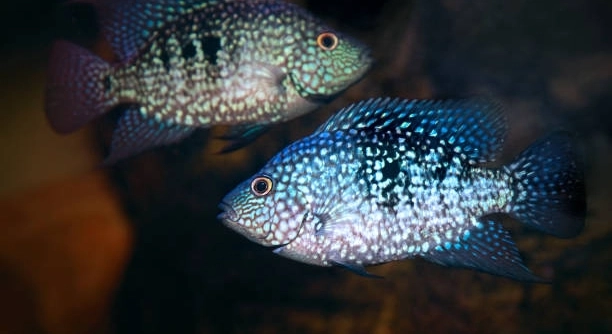
Have you ever noticed your Jack Dempsey fish swimming slower or hiding after a minor scrape? Injuries can be stressful for these fish, and proper care is essential to help them recover quickly and stay healthy.
Supporting Jack Dempsey fish after injury requires maintaining clean water, reducing stress, providing proper nutrition, isolating the injured fish if needed, monitoring health, and applying safe treatments to prevent infection and encourage tissue repair effectively.
Following these steps ensures your fish regain strength and vitality, improving their overall well-being and helping them thrive in their aquatic environment.
Keep Water Clean and Stable
Maintaining clean and stable water is crucial for a Jack Dempsey fish recovering from injury. Sudden changes in temperature, pH, or ammonia levels can increase stress and slow healing. Perform regular water tests to monitor key parameters like ammonia, nitrite, and nitrate levels. Partial water changes of 20 to 25 percent weekly help keep toxins low and provide a healthier environment. Avoid using harsh chemicals, as these can irritate wounds and weaken the fish’s immune system. Filtration should be efficient but gentle, as strong currents can stress an injured fish or damage delicate fins. Adding dechlorinators when refilling the tank ensures tap water is safe for sensitive fish. Maintaining a consistent temperature between 78 and 82°F supports immune function and promotes faster tissue regeneration. Observing the fish daily for abnormal behavior or signs of infection allows for early intervention, which is essential for a full recovery and long-term health.
Clean and stable water reduces stress and prevents infections, which is essential for proper healing and overall fish health.
Regular monitoring of water quality allows you to catch any changes before they harm your fish. Avoiding drastic shifts keeps the environment safe, reducing the risk of secondary infections. A well-maintained tank supports natural healing, allowing the fish to regain strength faster. Providing hiding spots and gentle filtration also helps reduce stress during recovery. Paying attention to details like temperature, pH, and chemical balance makes a significant difference in how quickly the fish recovers and returns to normal activity. Combining water maintenance with proper nutrition and care ensures a complete recovery and helps prevent future injuries. Observing the fish for signs of illness or lingering wounds ensures that any issues are addressed promptly. Consistent care gives your Jack Dempsey the best chance to heal fully.
Provide Proper Nutrition
Balanced nutrition plays a vital role in helping a Jack Dempsey fish recover from injury. A diet rich in protein and vitamins supports tissue repair and strengthens the immune system. Feeding small amounts multiple times a day prevents overfeeding while ensuring steady nutrient intake. High-quality pellets or frozen foods like bloodworms and brine shrimp provide essential proteins that aid regeneration. Vitamin supplements, especially vitamin C, can improve healing and reduce stress. Avoid foods that are low in nutrition or high in fillers, as they do not support recovery and may contribute to weakened immunity. Monitoring how much the fish eats allows adjustments based on appetite and condition. Sick or injured fish may eat less, so patience and observation are key. Proper nutrition complements water quality and stress reduction, forming a complete care strategy.
Feeding the right foods helps the fish rebuild strength, recover faster, and maintain a healthy immune system.
Over the course of recovery, nutrition is one of the most influential factors in a fish’s ability to heal effectively. Protein-rich foods provide the building blocks for tissue repair, while vitamins and minerals support overall health. Including a variety of high-quality foods ensures the fish receives all necessary nutrients. Avoid overfeeding, as excess food can deteriorate water quality and introduce bacteria, which slows recovery. Adjust portions based on appetite and observe eating habits closely. For fish reluctant to eat, offering more appealing options like live or frozen food can encourage intake without overfeeding. Combining proper nutrition with optimal water conditions, reduced stress, and isolation when necessary creates the best environment for healing. Keeping these practices consistent throughout recovery helps prevent setbacks and promotes full restoration of energy, color, and activity levels.
Reduce Stress in the Tank
Stress slows healing and weakens a Jack Dempsey fish’s immune system. Keep the tank quiet, avoid sudden movements, and limit interactions with other fish during recovery. Providing hiding spots helps the fish feel secure and reduces anxiety.
Minimizing stress involves creating a calm and predictable environment. Remove aggressive tank mates temporarily to prevent chasing or fin nipping. Avoid sudden changes in lighting, temperature, or decorations, as these can startle or upset the fish. Gentle water flow prevents exhaustion while keeping the fish comfortable. Using natural decorations like plants or rocks allows the fish to retreat and feel safe, which supports healing. Regular observation helps detect early signs of stress, such as hiding or loss of appetite, so adjustments can be made promptly.
Stress reduction goes hand in hand with proper care. By monitoring behavior and maintaining a stable environment, you help the fish conserve energy for recovery. Avoid overhandling and loud noises near the tank. Even small changes, like gradual lighting adjustments or quiet maintenance routines, make a difference. Ensuring a peaceful environment helps injured fish recover faster, regain appetite, and maintain normal swimming patterns. Combining stress management with nutrition and clean water improves overall healing outcomes.
Isolate the Injured Fish
Isolation prevents injury from worsening and reduces exposure to infections. A separate tank or divider keeps the fish safe and allows close monitoring of wounds.
Using a quarantine tank allows precise control over water quality, temperature, and medication if needed. The isolated fish is protected from bullying or accidental contact with tank mates, which could reopen injuries. Provide gentle filtration and hiding places to make the fish feel secure. Observation is easier in a smaller tank, allowing early detection of infection or abnormal behavior. Keep the water clean and stable, performing partial changes to maintain optimal conditions. Isolation also allows feeding without competition, ensuring the fish receives enough nutrients to support healing.
Proper isolation supports recovery and reduces the risk of complications. Maintaining a controlled environment, monitoring behavior, and keeping water quality high all contribute to faster healing. Limiting stressors and providing a safe space encourages natural behaviors, like resting and swimming carefully, which are essential for tissue repair. Combining isolation with nutrition, clean water, and minimal stress ensures the fish regains strength quickly and returns to the main tank safely. Observing the fish during isolation also allows timely intervention if problems arise.
Monitor Health Closely
Keep a close eye on your Jack Dempsey fish for any changes in behavior, appetite, or appearance. Early detection of issues allows prompt action and prevents minor problems from becoming serious infections.
Check fins, scales, and wounds daily. Note any redness, swelling, or unusual swimming patterns. Tracking these signs helps gauge recovery progress and determine if additional care is needed.
Use Safe Treatments
Applying appropriate treatments helps prevent infection and speeds healing. Use antibacterial or antifungal medications only as directed, and avoid overmedicating. Follow dosage instructions carefully to protect both the fish and tank environment.
Maintain Gentle Filtration
Strong currents can stress injured fish and worsen wounds. Use gentle filtration to keep the water clean without creating turbulence. Ensure proper oxygenation while minimizing movement that could harm the fish.
FAQ
How long does it take for a Jack Dempsey fish to heal from an injury?
Healing time varies depending on the severity of the injury and the care provided. Minor wounds may start improving within a few days, while deeper cuts or fin damage can take several weeks to fully recover. Consistent water quality, proper nutrition, and reduced stress play a major role in speeding up recovery. Observation is important during this period to catch infections early or address any setbacks. Avoid rushing the process, as pushing the fish too soon can worsen injuries.
Can Jack Dempsey fish recover without isolation?
Technically, they can recover in the main tank, but isolation is highly recommended. Tank mates may accidentally bite or stress the injured fish, which can slow healing or reopen wounds. Isolation also makes monitoring easier, ensuring the fish receives proper nutrition and care without competition. A small quarantine tank with gentle filtration and hiding spots creates a safe space for recovery. The controlled environment reduces stress and exposure to pathogens, improving the overall chance of a full recovery.
What foods help speed up healing?
High-protein foods like bloodworms, brine shrimp, and quality pellets are ideal for tissue repair. Adding vitamin supplements, especially vitamin C, can improve immunity and support faster recovery. Feed small portions multiple times a day to ensure steady nutrient intake. Avoid low-quality or filler-heavy foods, as they do not support healing and may worsen water quality. Monitoring appetite is important, as sick or injured fish may eat less. Offering preferred or live foods can encourage eating without overfeeding, providing essential nutrients for rebuilding strength and energy.
How can I prevent infections in injured Jack Dempsey fish?
Maintaining clean water is the first step in preventing infections. Avoid overcrowding and ensure proper filtration and gentle water flow. Using safe antibacterial or antifungal treatments when necessary helps protect wounds from pathogens. Keep an eye on red or swollen areas, cloudy eyes, or unusual behavior, as these can indicate infection. Isolating the injured fish further reduces exposure to bacteria or aggressive tank mates. Prompt treatment and careful observation are key to preventing complications and ensuring a full recovery.
Is medication always necessary for injuries?
Not all injuries require medication. Minor scrapes or fin tears can heal naturally with proper water quality, reduced stress, and proper nutrition. Medication should be used when there are visible signs of infection, such as redness, swelling, or fungus. Overmedicating can stress the fish and disrupt the tank environment. Monitoring the fish closely allows you to determine if intervention is necessary, while maintaining clean, stable water conditions ensures a safe environment for natural healing.
Can Jack Dempsey fish get reinjured easily?
Yes, especially if the environment is not safe. Sharp decorations, aggressive tank mates, or strong currents can cause new injuries. Providing a safe habitat with smooth surfaces, gentle water flow, and careful observation reduces the risk. Ensuring the fish is fully recovered before returning it to the main tank also minimizes the chance of reinjury. Regular maintenance and stress reduction continue to play an important role in keeping the fish healthy and resilient.
How do I know if my fish is fully healed?
Signs of full recovery include normal swimming patterns, regained appetite, vibrant coloration, and fully restored fins. Wounds should be closed with no signs of infection or inflammation. Observation over several days is important to confirm consistent behavior and energy levels. Even after apparent healing, maintaining clean water and proper care helps prevent setbacks. Consistent monitoring ensures the fish remains healthy and strengthens its immune system, reducing vulnerability to future injuries.
Can stress affect healing even with proper care?
Yes, stress slows tissue repair and weakens immunity. Factors such as loud noises, overcrowding, aggressive tank mates, sudden water changes, or improper lighting can increase stress levels. Reducing these stressors, providing hiding spots, and maintaining a stable, calm environment are essential for efficient healing. Observing behavior and adjusting care when needed ensures the fish remains relaxed and focused on recovery.
How often should I check on an injured Jack Dempsey fish?
Daily observation is recommended. Look for changes in behavior, swimming patterns, appetite, and appearance of wounds. Early detection of problems allows prompt action, preventing minor issues from escalating. Recording observations can help track recovery progress and identify patterns, such as changes after water changes or feeding. Frequent monitoring ensures timely interventions and supports a smooth, uninterrupted healing process.
Is it safe to return an isolated fish to the main tank immediately?
No, the fish should only return once fully healed, stress-free, and displaying normal behavior. Introducing the fish too early can lead to aggression from tank mates or accidental injuries. Gradual reintroduction, with observation for a few hours, ensures the fish reintegrates safely. Maintaining consistent water parameters between tanks also reduces stress during the transition.
Final Thoughts
Caring for an injured Jack Dempsey fish requires attention, patience, and consistency. Recovery depends on several factors working together, including clean water, proper nutrition, reduced stress, and safe handling. Each element plays a vital role in helping the fish regain strength and return to normal behavior. Ignoring even one of these aspects can slow healing or increase the risk of infection. Keeping water parameters stable and performing regular partial water changes ensures the environment remains safe for the fish. Gentle filtration and proper oxygenation prevent additional stress, while hiding spots provide comfort during recovery. Observing the fish daily allows you to spot small changes that may indicate the need for intervention.
Nutrition is another key factor in recovery. High-quality food rich in protein and essential vitamins supports tissue repair and strengthens the immune system. Injured fish may lose appetite, so offering small, frequent meals or preferred foods like bloodworms or brine shrimp can encourage eating without overfeeding. Supplements, particularly vitamin C, can improve healing and help the fish fight off potential infections. Avoid foods with low nutritional value or fillers, as they do not contribute to recovery and may even affect water quality. Monitoring how much the fish eats and adjusting portions as needed ensures it gets the nutrients required to rebuild energy, color, and overall health. Proper feeding, combined with consistent water maintenance and a stress-free environment, forms the foundation for a complete recovery.
Isolation and stress reduction are also essential. Separating the injured fish from aggressive tank mates prevents additional injuries and allows you to monitor progress closely. A small quarantine tank with gentle water flow, hiding spots, and consistent conditions creates a safe space for healing. Stress slows recovery, so avoiding sudden changes, loud noises, and excessive handling is important. Once the fish shows consistent normal behavior, vibrant coloration, and restored fins, it can gradually return to the main tank. Maintaining a calm, stable environment even after reintegration helps prevent future injuries. Overall, combining clean water, proper nutrition, safe treatment, isolation, and stress management ensures a smooth recovery, supporting the long-term health and well-being of your Jack Dempsey fish.

Hello,
If you enjoy the content that we create, please consider saying a "Thank You!" by leaving a tip.
Every little bit helps us continue crafting quality advice that supports the health, happiness, and well-being of pets around the world, for pets of all shapes, sizes, and species.
We really appreciate the kindness and support that you show us!