
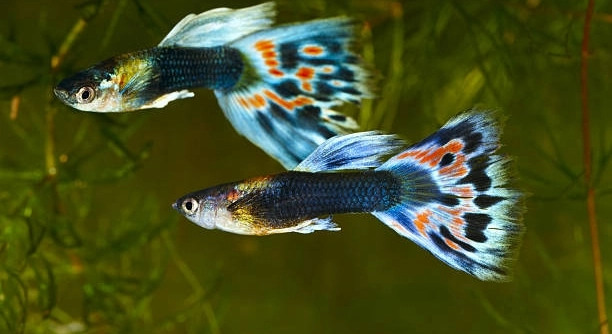
Raising guppy fry can be a rewarding experience, but it can also come with challenges. Ensuring their survival requires attention and care, especially in the early stages. With the right approach, you can help them thrive in your tank.
To increase the survival rate of guppy fry, providing a suitable environment, proper feeding, and protection from adult fish are essential. Maintaining water quality and monitoring temperature will also contribute to their growth and overall health.
By implementing a few simple strategies, you can ensure that your guppy fry grow into healthy adult fish. With a little effort, you’ll be able to watch your fry thrive and develop into vibrant additions to your aquarium.
1. Create a Safe and Comfortable Space for Guppy Fry
A safe environment is crucial for guppy fry survival. When they are born, they are small, fragile, and vulnerable to adult fish, so setting up a designated fry tank or using a breeding box is a good start. A separate space allows them to swim freely without the risk of being eaten. You should also provide plenty of plants and hiding spots. Guppy fry are naturally curious and like to explore but also need shelter from larger fish and tank mates.
In the fry tank, make sure the water is clean and the filter has a gentle flow. A strong current can stress the fry, so consider using a sponge filter instead of a regular one. The water should be kept at a temperature between 75°F and 80°F to promote healthy growth. Avoid placing the tank near windows, as fluctuations in light and temperature can affect the fry’s health.
Keeping the fry’s space separate from adult fish and ensuring proper filtration helps create an environment where they can grow without constant threats. This makes all the difference in raising healthy guppy fry.
2. Proper Feeding Techniques for Guppy Fry
Guppy fry need small, frequent meals to grow quickly and stay healthy. Use high-quality baby fish food designed for their tiny mouths. It’s best to feed them several times a day in small portions to avoid overfeeding and water contamination.
You can offer live or frozen foods like brine shrimp or daphnia to give them a boost of nutrition. These foods mimic what guppy fry would find in their natural habitat and help with their development. Be sure to crush or chop larger foods into smaller pieces before feeding.
3. Maintain Stable Water Quality
Good water quality is essential for guppy fry. Regular water changes will keep harmful toxins and excess waste in check. Aim for about 25-30% water changes every few days to maintain a healthy environment. Test the water regularly for ammonia, nitrites, and nitrates to ensure they stay within safe levels.
The pH level should stay between 7.0 and 8.0, and the water temperature should remain stable. Sudden changes in these factors can stress the fry and stunt their growth. It’s also important to use a water conditioner to remove chlorine or chloramine from tap water, which can be harmful to the fry.
By consistently monitoring water quality, you help ensure the fry are less likely to get sick or stressed. This will support their long-term growth and health, making it easier for them to thrive as they mature.
4. Protect the Fry from Adult Fish
Adult fish, especially guppies, may mistake fry for food. Protecting your guppy fry from adult fish is crucial for their survival. If you don’t have a separate tank, consider using a breeding box or divider. This allows the fry to swim freely while being safely separated from the adults.
Once the fry start swimming around, make sure the breeding box has small enough holes to prevent the adults from reaching them. The fry are often too small to defend themselves, and adult fish might see them as a quick snack. Keeping them protected will help them grow without interference.
This extra step of separating the fry from the adults can drastically increase their chances of survival and allow them to grow at a healthy pace. With a little effort, your guppy fry can grow strong enough to join the rest of the tank safely.
5. Monitor Growth and Development
It’s important to monitor the growth of your guppy fry closely. If you notice any fry lagging behind in size or behavior, they may need extra care. Smaller or weaker fry are more susceptible to illness and can be more easily overwhelmed by tank conditions.
Separate any fry that appear weak or sick from the rest. This will help prevent the spread of illness and allow them to receive focused attention. You can feed them special food or adjust their water conditions to help them catch up. Monitoring them regularly helps ensure they are developing properly.
Keeping an eye on each fry’s growth ensures that no one gets left behind and helps catch potential health issues early. This can make a big difference in how quickly they reach maturity.
6. Control Overfeeding
Overfeeding is a common issue when raising guppy fry. Excess food not only leads to poor water quality but also makes it harder for the fry to grow. Only feed what they can consume within a few minutes, and remove any leftover food to keep the water clean.
Make sure to avoid the temptation of giving them more food, thinking that it will speed up their growth. In fact, too much food can harm them in the long run. It’s better to stick to a small, consistent feeding schedule.
By carefully managing the amount of food, you help maintain both water quality and healthy fry growth. Keep portions small and regular to avoid overfeeding.
7. Provide Proper Lighting and Temperature
Proper lighting and temperature are important for guppy fry to grow well. Too much light can stress them out, but too little can slow their development. A consistent 12-hour light and dark cycle helps keep the fry’s biological clock in balance.
Ensure the tank maintains a stable temperature between 75°F and 80°F. Sudden temperature fluctuations can be harmful and make the fry more vulnerable to illness. Adding a gentle heater can help stabilize the environment, ensuring they thrive in a comfortable, predictable space.
FAQ
How long does it take for guppy fry to grow into adults?
Guppy fry typically take about 2 to 3 months to reach adulthood. During this time, they will go through several growth stages. At around 4-6 weeks, they start to show their adult colors and gender characteristics. However, they continue growing until they are fully mature at around 3 months. Keep in mind that growth can vary depending on water quality, diet, and other environmental factors.
Can I keep guppy fry with other fish?
It’s best to keep guppy fry separate from adult fish until they are big enough to fend for themselves. Adult fish may see them as food, and smaller fry are vulnerable. If you don’t have a separate tank, a breeding box or divider can offer a temporary safe space. Once the fry are larger, they can join the adult guppies and other peaceful species.
What should I feed guppy fry?
Guppy fry need small, high-nutrient food. You can feed them specially designed fry food or crushed flakes. Live foods like brine shrimp or daphnia are also a great option, as they provide essential nutrients. These should be small enough for the fry to eat. Remember to feed them in small, frequent portions throughout the day, avoiding overfeeding.
Do guppy fry need a filter?
Yes, guppy fry benefit from a filter, but it’s important to use one that doesn’t create a strong current. Strong filtration can stress out fry or even suck them up. A sponge filter is ideal because it provides gentle filtration while keeping the water clean without harming the fry. Regular water changes are also necessary to maintain water quality.
How do I prevent guppy fry from being eaten by adult guppies?
Adult guppies may eat the fry if they are not separated. To prevent this, use a breeding box or tank divider that allows the fry to swim freely without being accessible to the adults. You can also add plants or decorations to create hiding spaces. Once the fry grow larger and can swim faster, they will be less likely to be eaten.
Is it necessary to add plants for guppy fry?
Yes, adding live or artificial plants to the tank is highly beneficial. Plants provide hiding spots and help create a more natural environment for the fry. They also help maintain water quality by absorbing excess nutrients. Some plants, like Java moss, even serve as a natural food source for the fry, where they can graze on microorganisms that grow on them.
Can guppy fry survive without a heater?
Guppy fry can survive without a heater if the water temperature remains stable within the range of 75°F to 80°F. However, temperature fluctuations can stress them out and hinder growth. If you live in a place where the temperature fluctuates often, a heater will help maintain a stable environment.
What is the best water temperature for guppy fry?
The ideal water temperature for guppy fry is between 75°F and 80°F. This range promotes healthy growth and development. Avoid temperature fluctuations, as they can cause stress and potentially harm the fry. If the water gets too cold or too hot, the fry may become weak or even die.
How often should I change the water in the fry tank?
Regular water changes are necessary to keep the fry healthy. Aim to change 25-30% of the water every few days. Frequent changes help remove waste, excess food, and toxins that could build up. Make sure the new water is conditioned and at the right temperature before adding it to the tank.
What size tank do guppy fry need?
For a small group of guppy fry, a 10-gallon tank is usually sufficient. This size allows room for swimming and provides enough space for the fry to grow. As they mature, you may need to move them to a larger tank to accommodate adult guppies and other fish.
How can I tell if my guppy fry are healthy?
Healthy guppy fry are active, swim constantly, and exhibit good color. Their fins should be fully developed and they should be growing steadily. If they seem lethargic, have faded color, or are not eating, this could be a sign of stress or illness. It’s important to monitor them closely and address any health issues immediately.
Why are my guppy fry not eating?
If guppy fry are not eating, it could be due to water quality issues, stress, or an inappropriate food size. Check the water parameters and ensure the temperature is correct. Also, try offering smaller food particles or live foods to entice them. If the fry are hiding, they may feel unsafe, so ensure they have enough shelter.
Can I raise guppy fry in a community tank?
Raising guppy fry in a community tank is risky unless the tank is peaceful and well-maintained. Many fish species may harass or eat the fry. If you plan to raise guppy fry in a community tank, make sure to provide plenty of hiding spots and use a breeding box or tank divider for protection.
How do I handle excess guppy fry?
If you have too many guppy fry, consider giving them to local fish stores or other hobbyists. You can also set up another tank for them if space allows. Some people even let the population naturally decrease by not separating the fry, though this may lead to overcrowding and health issues.
Should I separate male and female guppy fry?
It’s not strictly necessary to separate male and female guppy fry immediately, as they are still developing. However, as they approach maturity (around 6-8 weeks), you may want to separate them. Male guppies mature faster and may start to harass females, so separating them early can help avoid aggression.
Can I breed guppies in a community tank?
Breeding guppies in a community tank is possible, but there’s a risk that adult fish will eat the fry. If you’re not using a breeding box or separate space for the fry, consider adding more plants or hiding spots to give the fry a chance to survive. However, a dedicated breeding tank is often more effective for successful reproduction.
Final Thoughts
Raising guppy fry can be a rewarding experience if you take the right steps to ensure their survival and growth. The key to success is creating a safe and stable environment where the fry can thrive. Providing a separate space for them, such as a breeding box or a dedicated fry tank, helps protect them from adult fish, which may see them as food. You should also pay attention to water quality, temperature, and filtration, as these factors directly affect their health. Regular water changes and proper care can help prevent diseases and stress.
Feeding guppy fry the right food is another crucial factor for their growth. High-quality baby fish food, along with live foods like brine shrimp, can provide the nutrients they need to grow quickly and stay healthy. Small, frequent meals throughout the day will also prevent overfeeding, which can lead to poor water quality. Monitoring the fry’s growth and development is essential. If you notice any weak or sick fry, it’s important to separate them and give them extra care. This allows them to catch up with the others and helps prevent the spread of illness in the tank.
Lastly, be patient and consistent with your care. Guppy fry grow at different rates, and some may need a little extra attention. Keeping a close eye on their progress and maintaining stable conditions will help ensure that they develop into healthy adult guppies. While it may take time and effort, the result of seeing your fry mature and thrive will make it all worth it. With the right approach, you’ll be able to raise a vibrant group of guppies that will bring life to your aquarium.

Hello,
If you enjoy the content that we create, please consider saying a "Thank You!" by leaving a tip.
Every little bit helps us continue crafting quality advice that supports the health, happiness, and well-being of pets around the world, for pets of all shapes, sizes, and species.
We really appreciate the kindness and support that you show us!