
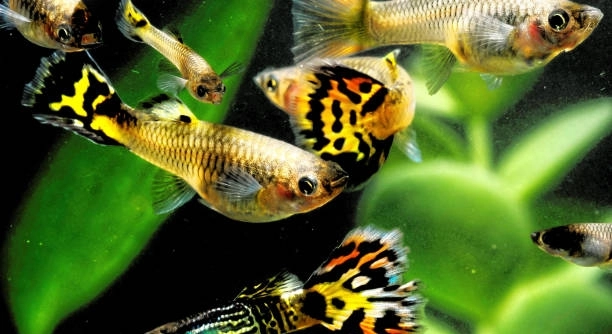
Are your guppies looking stressed or dull after being moved into a new tank? It can be upsetting to see them struggle. Thankfully, there are some simple steps you can take to help them feel better.
Guppies need a stable environment with proper water conditions, gentle filtration, and enough hiding spots to thrive in new tanks. These elements reduce stress, promote healthy behavior, and support long-term growth and coloration.
Learning how to set up your tank correctly can make a big difference in your guppies’ health and happiness.
Give Them Time to Adjust
When guppies enter a new tank, they go through stress from all the changes around them. New water, temperature, and surroundings can be overwhelming. It’s important to let them settle before making any further changes. Keep the tank lights dim for the first few hours and avoid sudden movements near the tank. Try not to feed them right away, as some guppies may not eat due to stress. Let them swim and explore on their own terms. During this time, monitor their behavior and make sure the tank remains calm. A peaceful start helps them adjust faster.
Allowing a guppy to explore its new space without interruptions helps reduce its stress. Stress can weaken its immune system, making it more vulnerable to illness.
Keep the tank quiet for the first day and check on them a few times. Avoid rearranging decorations or adding new tank mates during this early period.
Maintain Stable Water Conditions
Guppies are sensitive to changes in water temperature, pH, and chemical levels. Inconsistent water conditions can quickly lead to stress and health problems.
To keep your guppies healthy, always test the water parameters before introducing them into the tank. Guppies prefer a temperature between 74°F and 82°F, with a pH level around 7.0 to 7.2. Use a reliable heater and thermometer to maintain temperature. Avoid using untreated tap water; instead, use a water conditioner to remove harmful chlorine and heavy metals. Ammonia, nitrite, and nitrate levels should be kept in check by cycling the tank properly and not overfeeding your fish. Perform regular water changes—about 25% weekly—to keep the environment clean and safe. If you need to adjust water parameters, do it slowly to prevent shocking the fish. A consistent, well-maintained tank helps guppies feel secure and encourages them to eat, swim actively, and display their bright colors.
Add Hiding Spots
Guppies feel safer when they have places to hide. Plants, rocks, and decorations can reduce stress by giving them cover. This helps them stay calm, especially when they’re new to the tank or if they feel threatened by other fish.
Live or artificial plants, caves, and small ornaments make great hiding spots for guppies. Try to place them in different areas of the tank so your fish can choose where to go. A few bushy plants near the back or corners give them shelter without cluttering the space. Guppies also enjoy swimming through decorations, so choose ones with smooth edges that won’t tear their fins. Providing cover doesn’t just protect them—it gives them confidence to explore more freely. A comfortable environment like this also encourages natural behaviors, like mating and schooling.
If your tank has multiple guppies, hiding spots can also help reduce aggression. Fish that feel secure are less likely to act out.
Choose the Right Tank Mates
Not all fish get along with guppies. Guppies are small and peaceful, so it’s best to avoid pairing them with larger or aggressive fish. This prevents bullying, stress, and injury. Stick with calm species that share similar tank needs.
Some good options include mollies, platies, cory catfish, and tetras. These fish are generally peaceful and thrive in similar water conditions. Avoid fin-nipping species like tiger barbs, as they may bite at your guppies’ flowing tails. Always research new tank mates before adding them. Adding all fish at once can cause spikes in ammonia, so introduce them gradually and monitor the water. Guppies also prefer some space to swim freely, so don’t overcrowd the tank. If your guppies seem to be hiding more than usual or have damaged fins, they may be stressed by incompatible tank mates. Keeping the peace in the tank will help your guppies stay active, healthy, and colorful.
Avoid Overfeeding
Feeding guppies too much can quickly dirty the water and lead to health issues. Uneaten food breaks down and raises ammonia levels, which harms your fish. Only feed small amounts they can eat within two minutes, once or twice a day.
Stick to a regular feeding schedule and remove leftovers. A varied diet of flakes, frozen brine shrimp, or daphnia will keep them healthy.
Keep the Filter Gentle
Strong currents can stress guppies and make it hard for them to swim comfortably. Use a gentle sponge filter or adjust your current filter’s flow. Guppies do best in calm water, so look for signs of them struggling near the filter.
Monitor Behavior Often
Sudden changes in behavior, like hiding more, not eating, or swimming oddly, may signal stress or illness. Catching problems early helps prevent serious issues.
FAQ
How long does it take for guppies to adjust to a new tank?
It usually takes guppies a few days to fully adjust to a new tank. During this period, keep the environment stable and quiet. They may hide or swim less during the first few hours, but they should start to explore once they feel secure. Be patient and avoid making any sudden changes.
What are the best tank conditions for guppies?
Guppies thrive in a tank with a temperature range of 74°F to 82°F, a pH between 7.0 and 7.2, and low ammonia, nitrite, and nitrate levels. It’s important to regularly test the water quality and make sure the filtration system is not too strong. Regular water changes are essential to keep the water clean.
How often should I feed my guppies?
Guppies should be fed once or twice a day, offering small amounts of food that they can finish in about two minutes. Overfeeding can lead to dirty water and health problems. A mix of flakes, frozen foods, and occasional live foods is best for their diet. Remove any leftover food to prevent water contamination.
Can guppies live with other fish?
Yes, guppies can live with many other peaceful fish, such as mollies, platies, and small tetras. Avoid aggressive or fin-nipping fish, as they may harm your guppies. Ensure that all tank mates have similar water and temperature requirements to maintain a healthy and peaceful environment.
What kind of plants should I put in a guppy tank?
Live plants like Java moss, Anubias, and hornwort are great choices for guppy tanks. They provide hiding places and help keep the water clean by absorbing excess nutrients. Floating plants like duckweed also offer cover and reduce stress. Avoid sharp plants that could damage their delicate fins.
Do guppies need a filter?
Yes, guppies do need a filter. However, make sure it’s not too strong, as they prefer calm water. A sponge filter is a great option because it provides gentle filtration while also allowing the guppies to swim freely. The filter helps maintain water quality, especially in a smaller tank, by removing debris and harmful substances.
How do I know if my guppy is sick?
Signs of illness in guppies include faded colors, abnormal swimming, loss of appetite, clamped fins, or lesions on the body. If you notice any of these symptoms, check the water quality immediately. Sick guppies may need a quarantine tank for treatment, depending on the issue. Early detection is key.
Can I use tap water for my guppies?
Tap water can be used, but it must be treated with a water conditioner to remove chlorine, chloramine, and heavy metals, which can harm your guppies. It’s important to test the tap water before adding it to the tank to ensure the levels of these chemicals are safe. Always let water sit for 24 hours if you can’t treat it immediately.
Do guppies prefer to be in groups?
Yes, guppies are social fish and prefer to be in groups. Keeping at least three guppies together helps them feel safe and reduces stress. They are more active, display brighter colors, and show more natural behaviors when in the company of other guppies. Just be sure not to overcrowd the tank.
Can I breed guppies in a community tank?
Breeding guppies in a community tank is possible but can be challenging. The other fish may eat the baby guppies (fry), so it’s helpful to provide plenty of hiding spots or separate the pregnant female into a breeding box. Once the fry are born, move them to a separate tank if you want them to survive.
What should I do if my guppies are fighting?
Guppies are generally peaceful, but sometimes males can be territorial and chase females or other males. If you notice aggression, provide more hiding spots and remove any overly aggressive fish. Adding more females can also reduce male aggression, as it gives them more options to focus on instead of fighting.
Are guppies hardy fish?
Guppies are considered hardy fish, but they still require proper care to stay healthy. They can tolerate a variety of water conditions, but extreme changes can stress them. Regular water changes, stable temperatures, and a balanced diet are key to keeping guppies healthy and happy.
What’s the best way to clean a guppy tank?
To clean a guppy tank, remove 25% of the water weekly and replace it with fresh, treated water. Use a gravel vacuum to clean the substrate and remove any debris. Don’t clean the filter too often, as it can disrupt beneficial bacteria. Wipe down the glass if algae starts to build up.
How can I tell if my guppy is male or female?
Male guppies are smaller, more colorful, and have a more prominent, fan-shaped tail. Female guppies are larger, have a more rounded belly, and are usually less colorful. If you have both males and females, expect the males to often display their vibrant colors to attract females.
Can I add new guppies to an established tank?
Yes, you can add new guppies to an established tank, but it’s important to acclimate them slowly. Float the bag with the new fish in the tank to equalize the temperature, then gradually add small amounts of tank water to the bag over 15–20 minutes. This helps prevent shock.
Do guppies need a heater in their tank?
Guppies do best in warm water, so a heater is often necessary to maintain a consistent temperature between 74°F and 82°F. Make sure the heater is reliable and won’t cause sudden temperature spikes. Check the water temperature regularly to ensure it stays stable.
How often should I change the water in a guppy tank?
It’s recommended to change 25% of the water every week. This helps remove waste, excess nutrients, and toxins that could harm your guppies. Regular water changes maintain water quality, which is crucial for their health. Be sure to treat new water with a water conditioner before adding it to the tank.
Final Thoughts
Guppies are beautiful, peaceful fish that can thrive in a well-maintained tank. Their bright colors and active personalities make them a joy to have as pets. However, keeping them healthy and happy requires attention to their environment, including water quality, temperature, and tank mates. Guppies need a stable habitat to feel secure, which reduces stress and encourages natural behaviors like swimming, eating, and breeding. By ensuring their needs are met, you can enjoy these little fish for a long time.
One of the most important factors in keeping guppies healthy is maintaining the water conditions. Guppies are sensitive to changes in their environment, so it’s essential to keep the water temperature and pH stable. Regular water changes, monitoring ammonia and nitrate levels, and using proper filtration can go a long way in preventing health issues. Additionally, giving them hiding spots like plants or decorations provides them with a sense of security, which is crucial during the adjustment period in a new tank.
Lastly, feeding your guppies the right amount of food and choosing compatible tank mates are also key to their well-being. Overfeeding can lead to dirty water and health problems, so feeding small amounts that they can consume in a few minutes is best. When selecting tank mates, avoid aggressive fish that may stress or harm your guppies. Keeping the tank peaceful and providing plenty of space to swim ensures that your guppies will thrive and bring vibrant life to your aquarium. With the right care, your guppies will flourish and continue to brighten up your tank for years to come.

Hello,
If you enjoy the content that we create, please consider saying a "Thank You!" by leaving a tip.
Every little bit helps us continue crafting quality advice that supports the health, happiness, and well-being of pets around the world, for pets of all shapes, sizes, and species.
We really appreciate the kindness and support that you show us!