
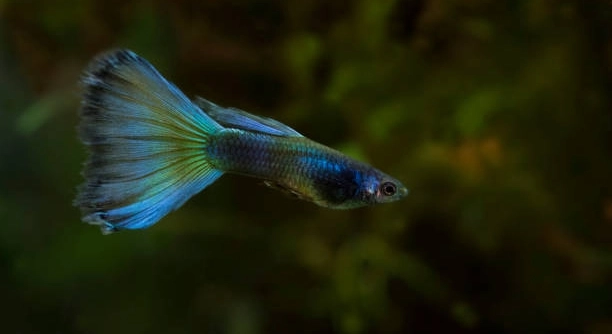
Are your guppies looking tired, losing color, or hiding more than usual after being sick? It can be hard to know what to do next. Helping them recover takes patience and a few simple steps.
Helping guppies recover from illness involves maintaining clean water conditions, providing a stress-free environment, offering high-quality food, and monitoring closely for signs of recurring symptoms. These factors are essential to support their healing process.
Learning how to support your guppies during recovery can make a big difference in their health and happiness. Each step plays a role in bringing them back to full strength.
Keep the Water Clean and Stable
After your guppy has been sick, the first thing to focus on is water quality. Clean, stable water helps prevent stress and keeps the healing process moving in the right direction. Use a reliable test kit to check ammonia, nitrite, nitrate, and pH levels. Perform small water changes of about 25% every few days instead of large ones all at once. This keeps the balance while removing waste. Make sure your filter is working well and avoid cleaning it too often to preserve helpful bacteria. Use a water conditioner if your tap water contains chlorine or chloramine. A stable temperature is also important—guppies do best around 76–78°F. Sudden shifts can slow down recovery or cause new issues. You don’t need anything fancy. Just a basic routine of monitoring and maintenance makes a real difference. Clear, consistent water conditions support a strong immune system and give your guppy a better chance to bounce back.
Fresh, clean water plays a direct role in how quickly your guppy recovers. It’s one of the most important things you can control daily.
Once the water is stable, you’ll often start to see small improvements in behavior—like swimming more, eating better, and staying out in the open longer.
Provide High-Quality Food
After illness, guppies need extra nutrients to help rebuild strength. Feed them a mix of high-quality flakes or pellets and protein-rich options like baby brine shrimp or daphnia. Keep portions small and remove leftovers.
Healthy food helps support energy and recovery. Look for options with added vitamins and minimal fillers. Feed twice a day in small amounts, making sure they finish within a minute or two. Overfeeding can pollute the tank, which slows healing. For an extra boost, you can soak the food in a vitamin supplement made for fish. Avoid freeze-dried foods right after illness, as they’re harder to digest. Soft, moist foods are easier on their stomachs. If you have a few guppies, try target feeding with tweezers or a feeding ring so the sick one gets their share. A healthy diet supports immunity, which is key for long-term wellness. Keep feeding routines calm and consistent to reduce stress while they’re healing.
Reduce Stress in the Tank
Guppies heal faster when they feel safe. Loud noises, chasing tank mates, or sudden movements can slow recovery. Keep the tank in a quiet area, limit tapping on the glass, and avoid frequent rearranging of decorations.
A calm space helps your guppy relax. If there are aggressive tank mates, move them to a separate tank if possible. Add extra plants or hiding spots so your guppy has a place to rest without being bothered. Dim lighting slightly if your fish is hiding often or appears skittish. Avoid adding new fish during recovery, as this can create more stress. When doing water changes or feeding, move gently and slowly. Even small changes can affect a sick guppy more than a healthy one. Giving them a peaceful space allows their body to focus on healing rather than reacting to disturbances. Less stress leads to better appetite, stronger immunity, and more active behavior.
Watch their behavior throughout the day. If your guppy is staying near the surface, resting too much, or breathing heavily, they may still be feeling overwhelmed. Slow improvements are normal. Some fish bounce back quickly, while others take more time. Be patient, stay consistent, and let them move at their own pace. Recovery isn’t instant—but small changes add up.
Use a Hospital Tank if Needed
Separating your sick guppy can be helpful if they aren’t improving or if others are picking on them. A small hospital tank lets you control water quality, temperature, and treatment more easily without affecting the main tank.
Set up the hospital tank with treated water and a heater. A sponge filter is a good choice because it’s gentle and won’t create strong currents. Keep the tank bare-bottomed to make cleaning easier and reduce the risk of bacteria hiding in gravel. Avoid decorations that trap waste. If medicine is needed, it’s safer to use it in a separate tank rather than in the community tank. Make sure the hospital tank is cycled or use bottled beneficial bacteria to jump-start it. Check water daily and make small water changes if ammonia or nitrite levels rise. This tank should feel quiet and stable—almost like a clean rest area—until your guppy is strong enough to return.
Avoid Overmedicating
Using too many treatments can cause more harm than good. Only medicate when you’re sure it’s needed. Follow instructions closely and don’t mix different products unless advised by a vet or fish expert. More isn’t always better—give your guppy time to respond before trying something else.
If symptoms start to improve, finish the full course of treatment unless the product says otherwise. Stopping too early can make the illness return. Give your guppy a few days to rest after treatment before adding any new medications or making major changes to the tank setup.
Keep the Temperature Consistent
Stable temperatures help your guppy’s body function properly during recovery. Use a reliable heater and thermometer to keep the tank between 76°F and 78°F. Avoid placing the tank near windows, vents, or drafty spots. Sudden drops or spikes in temperature can delay healing and increase stress.
Watch for Signs of Recovery
Look for better appetite, smoother swimming, and more time spent out in the open. Small improvements count and can show that your guppy is getting stronger. Keep supporting them with steady care and patience.
FAQ
How long does it take for a guppy to recover from illness?
Recovery time depends on the illness and the guppy’s overall health. Mild issues, like stress or fin rot, may improve within a week or two with good care. More serious infections, such as internal parasites or bacterial diseases, can take longer—sometimes up to four weeks. Consistent water quality, calm surroundings, and good food all support faster healing. Keep monitoring your guppy’s behavior and appearance. If symptoms aren’t improving after a week, or if they worsen, it may be time to re-evaluate your approach or speak with someone experienced in fish care.
Can guppies recover without medication?
Yes, in some cases, guppies can recover without medication. Minor issues caused by poor water conditions or stress may improve with stable water, clean surroundings, and a healthy diet. If your guppy is still eating and swimming but seems a little off, try focusing on water changes and reducing stress first. However, if symptoms get worse—like white spots, bloating, or signs of infection—then medication might be needed. Pay close attention to how your guppy behaves. Natural recovery works best when caught early and supported with gentle, consistent care.
What should I feed a sick guppy?
Offer small portions of high-quality food that’s easy to digest. Good choices include soft flakes, micro pellets, frozen baby brine shrimp, or daphnia. These are gentle on their system and packed with nutrients. Avoid overfeeding or giving hard-to-digest foods like freeze-dried items right away. If your guppy isn’t eating much, try soaking food in garlic juice or liquid vitamins to boost appetite. Feed in small amounts twice a day and remove uneaten food quickly. Overfeeding can make water dirty, which slows healing. A calm feeding routine helps your guppy stay strong and supported during recovery.
Should I separate my sick guppy right away?
Only separate your guppy if it’s being bullied, showing serious symptoms, or not improving in the main tank. A hospital tank works best when conditions can be tightly controlled. If your main tank has stable water, and your guppy isn’t being harassed, you can keep it there while treating the whole tank if needed. Moving a sick guppy can cause extra stress, so be sure the hospital tank is properly set up first—with a heater, filter, and cycled water. The goal is to create a quiet space where the guppy feels safe and cared for.
How can I tell if my guppy is getting better?
Signs of recovery include more activity, better appetite, smoother swimming, brighter color, and reduced signs of disease. You might notice your guppy exploring more or returning to its regular feeding behavior. Breathing should also slow down to a normal pace. Keep an eye on the fins—they should stop clamping and start spreading again. If you treated for something like white spots, make sure all visible signs are gone before stopping any treatment. Improvements might be gradual, so be patient. Continue consistent care even if your guppy seems fine to avoid any setbacks.
Can stress really make my guppy sick again?
Yes, stress plays a big role in a guppy’s health. Even if your guppy looks better, ongoing stress can weaken its immune system and cause a relapse. Common stress triggers include poor water quality, sudden temperature changes, bullying, overcrowding, and loud noise. Try to keep your tank setup consistent and calm. Avoid making too many changes during or right after recovery. Providing hiding spots, stable conditions, and a quiet environment helps your guppy stay strong. Keeping stress low is just as important as any medication or food you give them.
Is it okay to use salt to help a sick guppy?
Aquarium salt can help with some mild illnesses, like minor wounds or early-stage fin rot. It can also reduce stress and support gill function. Use only aquarium salt—not table salt—and follow the dosage on the package. Usually, 1 teaspoon per gallon is a safe starting point, but not all fish tolerate salt well. Don’t use it in a planted tank or with sensitive tank mates unless you’re sure it’s safe. If your guppy’s condition doesn’t improve after a few days, or if they show signs of stress, remove the salt with water changes. Always research before using any additive.
Final Thoughts
Helping your guppy recover from illness doesn’t have to be complicated. What matters most is keeping things steady and gentle. Clean water, low stress, and good food are the main pieces that help your guppy heal. Paying attention to small details—like water temperature, leftover food, and how your guppy is behaving—can go a long way. You don’t need expensive tools or special equipment. A little time each day spent checking the tank and observing your guppy can prevent bigger problems and support steady recovery. Even small changes, like adjusting feeding or adding a hiding spot, can make a big difference over time.
Some guppies bounce back quickly, while others take a little longer. This is normal. Recovery isn’t always a straight path, and it’s okay if progress feels slow. The key is to stay patient and consistent. If your guppy has a setback, don’t panic. Recheck water conditions, keep feeding healthy food, and give them space to rest. It helps to write down what you’re doing—like when you changed the water or gave medicine—so you can see what’s working. Guppies are tough little fish, and with the right care, many recover fully and return to their active selves.
Caring for a sick guppy can feel stressful, especially if it’s your first time dealing with illness in a tank. But it also gives you the chance to learn more about your fish and how to support their needs. Building a healthy tank environment doesn’t just help with recovery—it also helps prevent future problems. Once your guppy is better, try to keep up with the same simple habits: regular water changes, balanced food, and quiet surroundings. These things help all your fish stay healthy and active. In the end, being calm, observant, and gentle really does pay off. Your guppy will notice—and often, that’s all they need to get better.

Hello,
If you enjoy the content that we create, please consider saying a "Thank You!" by leaving a tip.
Every little bit helps us continue crafting quality advice that supports the health, happiness, and well-being of pets around the world, for pets of all shapes, sizes, and species.
We really appreciate the kindness and support that you show us!