
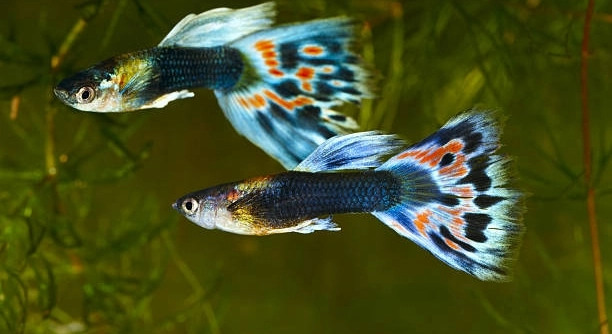
Introducing new guppies to a tank can be challenging for both the fish and the owner. Guppies are sensitive creatures and may experience stress when introduced to unfamiliar environments. Ensuring a smooth transition is essential for their well-being.
The most effective way to help guppies adjust to a new tank is by acclimating them slowly to the water temperature and quality. Gradually introducing the fish to the new environment, using proper filtration and avoiding sudden changes, ensures minimal stress and better health outcomes.
By following these tips, your guppies will have a better chance of adapting to their new home. The process doesn’t need to be stressful for either you or your fish.
Gradual Acclimation to Water Temperature
When introducing your guppies to a new tank, the water temperature should match the one they were in before. Sudden changes can cause stress, leading to health issues. To avoid this, float the bag containing your guppies in the tank for about 15-20 minutes. This allows them to adjust gradually to the water temperature.
After floating the bag, slowly add small amounts of tank water into the bag every 5 minutes. This helps the guppies adapt to the water’s chemistry. Avoid rushing the process. Take your time to ensure they adjust comfortably to the new environment.
By following this method, the transition is far smoother for the guppies. The slower the process, the better their chances of avoiding shock. After 30-45 minutes, they should be fully acclimated and ready to swim freely in their new home.
Tank Water Quality Is Key
Water quality is crucial when helping guppies adjust. If the water is too dirty, it can stress them out and cause health problems.
Keeping the tank clean and regularly checking the pH and ammonia levels is essential. Make sure your filtration system is working well, and consider doing a water change before introducing the fish.
Avoid Overcrowding the Tank
It’s important not to overcrowd your tank when introducing new guppies. A crowded tank leads to stress, poor water quality, and aggressive behavior. Give your fish ample space to swim and explore.
If your tank is too small, the guppies may feel trapped and anxious. This can lead to them not adjusting well. The general rule of thumb is one inch of fish per gallon of water. Make sure you’re not exceeding this limit for their comfort.
By avoiding overcrowding, you create a peaceful environment that allows your guppies to thrive. Proper space also prevents territorial disputes, ensuring they adapt better to their new surroundings.
Providing Hiding Spots
Adding hiding spots in the tank gives your guppies a sense of security. They may feel vulnerable in an unfamiliar environment, and hiding spots allow them to retreat if they feel stressed or threatened.
Use plants, rocks, or ornaments to create these spots. Guppies appreciate places where they can hide and feel safe. It’s also a good way to reduce aggression if you have multiple guppies in the same tank.
A variety of hiding spaces helps create a more natural, comforting environment. Your guppies will appreciate having a place to relax as they adjust, making the transition smoother for them.
Consistent Lighting
Guppies thrive with consistent lighting. Sudden changes in light can stress them out and disrupt their natural behavior. Keep the tank’s lighting on for about 10-12 hours a day to mimic day and night cycles.
Investing in a timer for your aquarium lights can make this process easier. This consistency helps your guppies feel more secure, as they can rely on predictable light patterns. Avoid leaving the light on for too long, as it can also disrupt their rest.
By ensuring steady lighting, you create a stable environment that contributes to your guppies’ overall well-being and comfort.
Avoid Rapid Water Changes
Changing the water too quickly can be harmful to guppies. Rapid changes in water chemistry, such as pH or temperature, can cause stress, making it harder for them to adjust.
Perform gradual water changes over several days to allow your guppies to adapt. This slower process ensures that the water is safe and balanced without overwhelming the fish. Keep a consistent routine for water changes to maintain a healthy tank environment.
Making gradual adjustments helps prevent sudden shocks and ensures your guppies’ transition is as smooth as possible.
Monitor Their Behavior
Keep an eye on your guppies after introducing them to the new tank. Watch for signs of stress, like excessive hiding, swimming in circles, or rapid gill movement. These may indicate that they are struggling to adjust.
If you notice any odd behavior, check the water conditions and make adjustments if needed. It’s important to address issues early to ensure they settle into their new home.
FAQ
How long does it take for guppies to adjust to a new tank?
The time it takes for guppies to adjust to a new tank can vary. Generally, it can take anywhere from a few days to a week. The transition process depends on factors like water quality, tank size, and how well they were acclimated. If the environment is stable, guppies tend to settle in within a few days. However, it’s important to monitor their behavior closely during this period to ensure they’re adjusting well.
Can guppies get stressed easily in a new tank?
Yes, guppies are sensitive to changes in their environment and can get stressed easily, especially when introduced to a new tank. Stress can arise from factors such as temperature fluctuations, poor water quality, overcrowding, or even too much light. To reduce stress, ensure that the tank conditions are stable, and avoid making sudden changes.
What should I do if my guppies are swimming erratically after the move?
Erratic swimming may be a sign of stress or poor water conditions. Check the temperature, pH levels, and ammonia levels in the water. If everything seems fine, the erratic behavior could be due to the stress of the move. Give them time to adjust. If the behavior continues for several days, consider performing a partial water change and adding some hiding spots in the tank for them to feel secure.
Can I add new guppies to a tank with other fish right away?
It’s best to introduce new guppies to a tank gradually. Placing them in a quarantine tank for a few days before introducing them to the main tank is a good way to ensure they are healthy and won’t introduce diseases to the other fish. If you are adding them directly to the main tank, make sure that the water parameters are suitable and that the other fish aren’t too aggressive.
Should I feed my guppies right after moving them into the new tank?
It’s a good idea to wait a few hours before feeding guppies after moving them into a new tank. Allow them time to adjust to their new surroundings and ensure the water conditions are stable. Overfeeding too soon can lead to water pollution, so it’s better to feed them small amounts after they’ve settled in.
Can guppies survive in a tank with other species of fish?
Yes, guppies are generally peaceful and can coexist with many other species of fish. However, they do best with other small, non-aggressive fish. Avoid keeping them with large or overly aggressive species, as they may feel threatened. Also, be mindful of the water conditions and temperature, as different species may have different requirements.
Is it necessary to add plants and decorations for guppies to adjust?
While not strictly necessary, adding plants and decorations can help your guppies adjust more comfortably. Plants and decorations provide hiding spots, which can reduce stress. They also mimic the natural environment, helping guppies feel more secure. A well-decorated tank can also promote healthier social interactions between your guppies.
What are signs that my guppies are not adjusting well?
Signs that your guppies may not be adjusting well include excessive hiding, swimming in circles, rapid gill movement, or refusal to eat. If they appear lethargic, stressed, or their color starts to fade, this could indicate an issue with the tank environment or the stress of the move. If you notice any of these signs, check the water parameters and consider making adjustments.
Can I add too many guppies to a tank at once?
Yes, overcrowding can lead to water quality issues, aggression, and stress for your guppies. It’s important to introduce them gradually and ensure that the tank has enough space. The rule of thumb is to provide 1 inch of fish per gallon of water. Overcrowding can cause rapid increases in waste, which can lead to poor water quality.
Do guppies need a filter in their tank?
Yes, a filter is highly recommended for guppies. It helps keep the water clean by removing excess waste, uneaten food, and harmful toxins. A well-maintained filtration system ensures the water stays clear and supports the health of your guppies. Without a filter, the water quality may decline, leading to stress and health problems for your fish.
How often should I change the water in a guppy tank?
Water changes are crucial for maintaining good water quality. For a tank with guppies, perform a 25-30% water change every 1-2 weeks. This helps to remove waste and toxins that build up in the tank. If you have a heavily stocked tank or poor filtration, more frequent water changes may be necessary.
Do guppies need a heater in their tank?
Yes, guppies are tropical fish and prefer warm water. The ideal water temperature for guppies is between 74°F and 82°F (23°C – 28°C). A reliable aquarium heater helps maintain a stable temperature, which is essential for their health. Fluctuating temperatures can cause stress and illness, so using a heater ensures a comfortable environment for your guppies.
Why are my guppies hiding after being introduced to the tank?
Hiding is a natural behavior for guppies when they are adjusting to a new tank. It is often a sign of stress or discomfort. They may feel vulnerable in their new environment, and hiding gives them a sense of security. As they become accustomed to the tank, they should start exploring more and hiding less.
Final Thoughts
Helping guppies adjust to a new tank requires attention to detail and patience. Guppies, like most fish, need time to adapt to their new environment, so it’s important to create a stable and calm setting for them. By ensuring the water conditions are optimal, you reduce the risk of stress and help them settle in faster. Gradual changes in the tank, along with monitoring their behavior, are crucial steps in making the transition smoother. Consistent lighting and temperature, along with proper filtration, also play significant roles in supporting their adjustment.
You should also be aware of the subtle signs that your guppies are not adjusting well. Stress can manifest in several ways, such as erratic swimming, hiding, or lack of appetite. If you notice these signs, it’s essential to check the water quality immediately and make necessary adjustments. Sometimes, providing hiding spots and decorations can help ease their discomfort, giving them a safe space to retreat to. Even small changes in their environment can make a difference in their ability to adapt.
Ultimately, the process of acclimating guppies to a new tank requires patience and observation. Keep their environment stable, avoid rapid changes, and ensure they have time to adjust at their own pace. By following the tips shared here, you can help your guppies feel at ease in their new home. A happy and healthy guppy is one that has had the proper care and environment to thrive in, and your attention to their needs will lead to a more successful tank experience for both you and your fish.

Hello,
If you enjoy the content that we create, please consider saying a "Thank You!" by leaving a tip.
Every little bit helps us continue crafting quality advice that supports the health, happiness, and well-being of pets around the world, for pets of all shapes, sizes, and species.
We really appreciate the kindness and support that you show us!