
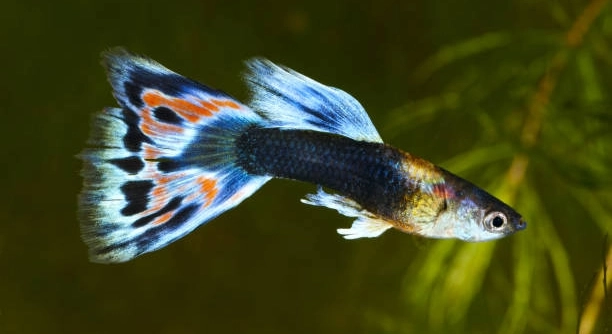
Guppies are small, active fish that can struggle when adjusting to a new tank. Moving them to a new environment can sometimes be stressful, but with a few simple steps, you can help them feel comfortable quickly.
To help guppies adjust to a new tank, it’s important to ensure that the water conditions are stable, the tank is properly set up, and they are not overwhelmed by sudden changes. A gradual introduction works best.
Proper acclimation methods can make all the difference in ensuring that your guppies thrive in their new home. In the following sections, we’ll explore practical ways to ease the transition and create a healthier environment for your fish.
Setting Up the Tank Correctly
When setting up a new tank, it’s crucial to get the environment just right for your guppies. Start by making sure the tank is large enough, with a minimum of 10 gallons. This gives the fish space to swim and settle in. Also, check the water temperature, pH level, and ammonia levels to make sure they are within the proper range for guppies, which typically thrive in temperatures between 72°F to 82°F. Adding decorations, plants, and hiding spots can also reduce stress for the fish as they settle into their new home.
Proper filtration is another important aspect of a healthy tank. Guppies are sensitive to changes in water quality, and good filtration will help keep the water clean. Perform regular water changes, especially in the first few weeks, to maintain a stable environment.
When you introduce your guppies to the new tank, avoid overcrowding them. Overloading the tank can cause stress and affect water quality. Make sure to gradually introduce any new fish over time, allowing the tank to adjust to the added bio-load.
Maintaining Water Quality
Stable water conditions are essential for guppy health. Regularly testing the water for ammonia, nitrite, and nitrate levels will help ensure the tank stays balanced. Guppies can be sensitive to spikes in these levels, which can lead to illness or stress. It’s important to keep the water clean and ensure the filtration system is working well.
Proper water changes are also key. A 25% to 30% water change every week will prevent the build-up of toxins that could harm your fish. This helps maintain a healthy balance of minerals and nutrients, ensuring a more comfortable environment for your guppies.
Gradual Introduction to the Tank
Introduce your guppies to the new tank slowly to minimize stress. After acclimating them to the temperature of the water, gently release them into the tank, avoiding sudden movements that might scare them.
To acclimate the guppies, float the bag with them in the tank for about 15 to 20 minutes. This allows the water temperature to match the tank’s environment. After that, gradually add small amounts of tank water to the bag, ensuring the guppies get used to the water’s chemistry. This process helps reduce shock and eases the transition.
A smooth introduction will help the fish adjust without overwhelming them. Make sure the tank has minimal lighting and avoid adding too many fish at once. This gives them time to explore and feel secure in their new environment. Guppies can be skittish, so patience is key to their successful adaptation.
Monitor Behavior Closely
Keep an eye on your guppies during the first few days in their new home. Observe their behavior to ensure they are adjusting well. Look for signs of stress, such as darting, hiding excessively, or unusual swimming patterns.
Monitor the water quality during this period as well. Guppies are sensitive to changes in their surroundings, and the tank’s conditions could fluctuate after the initial setup. If your guppies seem stressed, check for spikes in ammonia, nitrites, or nitrates. These can occur as the tank’s bio-filter matures. Regular water testing will help identify any issues early.
If you notice the fish are hiding more than usual, it may be due to a change in their environment or tank mates. Providing additional hiding spaces can help them feel safer. Keep a routine for feeding and water changes during this critical period to keep them healthy.
Proper Feeding Routine
Feeding your guppies the right amount of food is important for their adjustment. Overfeeding can cause water quality problems, so provide only as much food as they can consume in a few minutes.
Feed them twice a day, offering a variety of foods like flakes, pellets, or live food to ensure a balanced diet. Guppies are small fish, and they can be picky eaters. Make sure to remove any uneaten food to prevent it from degrading water quality. Consistency in feeding times will help your guppies feel secure in their new environment.
Avoid Overcrowding
Overcrowding the tank can lead to stress and health problems for guppies. It’s important to keep the number of fish in line with the tank’s size to ensure they have enough space to swim and thrive. A general rule is to have one inch of fish per gallon.
When adding more guppies, do so gradually. Adding too many at once can overwhelm the filtration system and affect water quality. A well-spaced tank ensures your guppies feel less stressed and can swim freely, reducing the risk of territorial disputes or illness.
Create Hiding Spaces
Adding plants or decorations to the tank gives guppies a chance to hide and feel secure. Guppies are naturally curious, but they also need places to retreat when they feel threatened. This is especially important during the initial transition to a new tank.
Providing a few plants or ornaments in the tank will help them feel more at ease. Floating plants are ideal for guppies, as they mimic their natural environment. This will also reduce the chance of them hiding too much due to stress.
FAQ
How long does it take for guppies to adjust to a new tank?
It usually takes about 1 to 2 weeks for guppies to adjust to a new tank, though some may take longer. The key is to ensure the environment is stable, including the water temperature, pH, and quality. During this period, avoid making sudden changes to the tank setup, as this can stress the guppies further.
What should I do if my guppies are hiding all the time?
Hiding can be a sign of stress or fear, especially if your guppies are still settling into their new home. Ensure there are enough hiding spots in the tank, such as plants or small caves. Also, check for tank mates that might be aggressive, as this could cause the guppies to seek shelter. If the water quality is poor, that could also contribute to their desire to hide, so be sure to monitor water conditions closely.
How do I know if my guppies are stressed?
Stressed guppies often show signs like erratic swimming, hiding excessively, or rubbing against objects in the tank. They may also lose their appetite or exhibit faded colors. If these symptoms persist, it’s important to check the water parameters and ensure the tank is properly set up. Sometimes, too much light or high ammonia levels can lead to stress, so make adjustments as needed.
Can I add other fish to the tank right away?
It’s best to wait a few weeks before adding other fish. Guppies need time to adjust to their new environment, and adding other fish too soon can disrupt their peace. Additionally, introducing new fish too quickly can stress all the fish in the tank and affect water quality. Gradual additions help maintain balance in the tank and reduce the chances of aggression or territorial issues.
What should I do if my guppies aren’t eating?
If your guppies aren’t eating, check the water quality and ensure the temperature is within the optimal range (72°F to 82°F). Guppies might refuse food if they are stressed, ill, or the water conditions are poor. Offering different types of food, such as flakes, live food, or frozen food, can also help stimulate their appetite. If the problem persists for more than a few days, it could indicate a health issue, and you should consider consulting a veterinarian.
How often should I change the water in a new tank?
In the first few weeks of setting up a new tank, it’s recommended to change 25% to 30% of the water weekly. This helps remove toxins that may build up as the tank matures. After the tank is fully established, you can reduce water changes to every 1 to 2 weeks, depending on the number of fish and the tank’s filtration system.
Do I need a filter for my guppy tank?
Yes, a filter is essential for maintaining clean water and preventing harmful toxins from building up. Guppies are sensitive to poor water conditions, so a good filtration system is necessary to remove waste, excess food, and debris. A filter also helps maintain the tank’s overall health by promoting good bacteria growth, which is critical for the nitrogen cycle.
What temperature is best for guppies in a new tank?
Guppies thrive in water temperatures between 72°F and 82°F. Keeping the tank within this range will help your guppies adjust more comfortably and reduce the chance of illness. It’s also important to maintain a consistent temperature, as sudden changes can stress the fish and disrupt their immune system. A reliable aquarium heater is a good investment for maintaining stable temperatures.
Can guppies live with other fish?
Yes, guppies are generally peaceful fish and can live with a variety of non-aggressive species. They do well with small fish like tetras, mollies, and other livebearers. However, avoid placing them with aggressive species or larger fish that may see guppies as food. Always monitor the tank to ensure that all fish are getting along.
Why are my guppies swimming at the surface?
Guppies may swim at the surface if they are seeking oxygen or if the oxygen levels in the tank are too low. This could be a sign of poor water quality or inadequate filtration. Check the aeration in your tank to ensure the water is properly oxygenated. If the water is warm or there is a lack of surface movement, adding an air pump or adjusting the filter might help.
How do I know if my guppy is pregnant?
Pregnant female guppies typically have a visible gravid spot near their abdomen, which darkens as the pregnancy progresses. You may also notice that they are getting rounder and fuller. In the final stages of pregnancy, the female may swim more slowly and appear less active. If you are planning to breed guppies, make sure to separate the female from the males to avoid overcrowding after the fry are born.
Should I quarantine new guppies before introducing them to the main tank?
Yes, it’s always a good idea to quarantine new fish for 2 to 3 weeks before introducing them to your main tank. This helps prevent the spread of diseases and parasites. During quarantine, observe the new fish closely for any signs of illness. If they show symptoms, it’s better to treat them separately to avoid infecting your existing fish.
How do I care for baby guppies (fry)?
Baby guppies are quite delicate and need special care. Make sure the fry have plenty of hiding spots in the tank, as adult fish may see them as food. It’s best to feed them small amounts of crushed flakes or specialized fry food. Keeping the water quality high is essential for their survival, as they are more vulnerable to poor water conditions.
Final Thoughts
Helping your guppies adjust to a new tank is a process that requires patience and attention to detail. By setting up the tank correctly, monitoring the water conditions, and introducing your guppies gradually, you can reduce stress and create a healthy environment for them. It’s also important to keep an eye on their behavior and ensure that the tank conditions stay stable as they acclimate to their new home. Stress can make guppies more vulnerable to illness, so being mindful of their needs will help them thrive in the long run.
The right feeding routine plays a big part in their adjustment. Overfeeding can lead to poor water quality, while underfeeding can cause health problems for your guppies. Make sure you’re offering a balanced diet in appropriate amounts. Along with proper feeding, maintaining water quality is essential for guppy health. Frequent water changes, a good filtration system, and regular testing of water parameters can help keep the tank in optimal condition. Guppies are sensitive to changes, and any fluctuation in water quality can stress them out, so maintaining stability is key.
Remember, guppies are social creatures, and they need space to swim and interact. Overcrowding can lead to stress, so make sure the tank is large enough to comfortably house the fish. Providing hiding spots and plants in the tank helps them feel secure, especially during their adjustment period. If you follow these steps, your guppies should settle into their new environment and start to display the active, colorful behavior they are known for. With patience and proper care, they will soon feel at home in their new tank.

Hello,
If you enjoy the content that we create, please consider saying a "Thank You!" by leaving a tip.
Every little bit helps us continue crafting quality advice that supports the health, happiness, and well-being of pets around the world, for pets of all shapes, sizes, and species.
We really appreciate the kindness and support that you show us!