
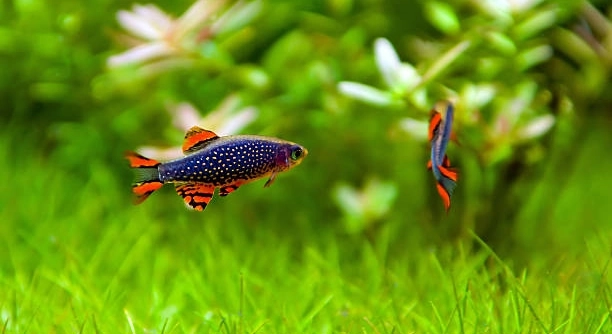
Have you ever brought home new danios and felt unsure about helping them settle after travel? These small fish can arrive stressed, making care important as they adjust to calm and safety in their home.
Helping danios recover after transport involves stabilizing water parameters, minimizing disturbances, and ensuring proper acclimation. Providing clean water and gradual temperature alignment reduces stress responses, supports recovery, and promotes behavior patterns as these fish regain stability in their aquatic environment.
Each method plays a role in easing their transition, offering simple steps that support healthier behavior and smoother settling process.
Stabilize Water Conditions
Keeping your danios comfortable after transport starts with steady water conditions that support their sensitive bodies. Stable parameters help them regain energy, reduce stress, and settle into their environment without unnecessary strain. Begin by testing the water to make sure temperature, pH, and hardness are within the safe range for danios. Sudden shifts can affect their behavior, so aim for gentle adjustments rather than fast corrections. Use a reliable heater to maintain warmth and limit unexpected drops. Fresh water changes should be small and controlled to avoid overwhelming them during recovery. Good filtration keeps the environment clean without creating harsh currents. A quiet atmosphere around the tank also helps them feel secure while they adapt to new surroundings. When these elements work together, your danios benefit from calm conditions that support smooth recovery and improved comfort as they regain balance. This foundation encourages stable activity throughout their early adjustment phase.
Consistent water conditions give danios a calmer environment during their initial settling period. With steady temperature, balanced parameters, and gentle filtration, they experience less stress and gain better stability. These simple steps promote smoother adjustment and support healthier behavior as they acclimate to their new surroundings in a steady manner.
Maintaining reliable water quality protects danios from added strain during their first hours at home. Gentle stability helps them recover from transport stress and encourages normal swimming patterns. Gradual adjustments prevent shock and give their bodies time to adapt. Good filtration supports oxygen levels without creating overwhelming flow. Clean water lowers the chance of irritation, helping their colors brighten as they relax. Observing their movement allows you to notice positive changes as they regain comfort. When consistent conditions are upheld, danios respond with improved activity that reflects safe support through the steady environment you have carefully maintained for their recovery.
Provide Gentle Acclimation
Gentle acclimation reduces stress for danios by easing them into new water conditions without sudden changes. Slow mixing of tank water helps their bodies adjust while limiting shock. This careful approach supports steadier behavior and provides a smoother transition into their environment while keeping their comfort at the center always.
Acclimating danios with care is an important step that helps them adjust without unnecessary stress. Opening the bag and allowing it to float in the tank gives the temperature time to equalize. After several minutes, small amounts of tank water can be added to the bag, allowing their bodies to adapt to new parameters in gradual increments. This controlled process protects them from sudden shifts that could affect behavior or comfort. Continue adding small portions of tank water over several rounds until the levels inside the bag closely match the aquarium. Once aligned, gently guide the fish into the tank without letting bag water mix directly with the system. This prevents potential contaminants from entering and keeps conditions stable. Quiet surroundings support their adjustment by limiting noise and movement around the aquarium. Reduced stimulation gives danios a chance to explore calmly as they recover. Careful handling during this early phase helps restore their confidence, encourages steady swimming, and sets the foundation for healthier patterns. When acclimation is completed with patience, danios benefit from a smooth settling period that supports their overall comfort and well-being.
Reduce Tank Stressors
Reducing stressors helps danios recover by keeping their environment calm and stable. Limit loud noises, sudden movement, and strong light near the tank. Maintain predictable routines that support steady behavior. These small adjustments lower tension and help them feel safer while they settle into their space during this early period.
Managing the surrounding atmosphere is important for danios that need time to regain balance after transport. Keeping the tank in a quiet area prevents sudden disturbances from interrupting their recovery. Soft lighting makes it easier for them to relax without overstimulation. Avoid tapping on the glass since this can cause unnecessary tension. Stable room temperature supports consistent conditions inside the aquarium. Using a background on one side of the tank can also give them a sense of security. These measures create a calm space that supports steady activity, gentle exploration, and improved comfort as they settle into their environment today.
Creating a low stress setting helps danios adjust faster and maintain healthier behavior. Limit changes to the layout so they are not startled by new objects. Keep filtration gentle enough to avoid harsh currents that might overwhelm their energy. Provide small hiding areas using plants or simple decorations to give them places to rest. Avoid excessive feeding during the first hours because their bodies may still be adapting to the new conditions. Observing their movement helps you notice signs of improved comfort. When handled with patience, these quiet conditions encourage better stability and a smoother settling process for your fish.
Offer Proper Nutrition
Feeding your danios properly after transport supports their strength and helps them regain stability. Start with light meals that are easy for them to process, avoiding anything that could strain their bodies. High quality flakes and small protein sources work well during early recovery. Keep portions modest to prevent waste from affecting water quality. This gentle approach gives them steady nourishment while allowing their system to adjust without pressure in a calm and supportive manner.
Providing balanced nutrition helps danios rebuild energy and maintain healthier patterns after transport. Begin with small amounts of food that float briefly, giving them time to locate each piece without rushing. Gradual feeding prevents overeating, which could overwhelm their system while they adjust to new conditions. Choose foods that offer protein, vitamins, and gentle digestibility because this combination supports overall strength. Supplementing with occasional micro pellets or finely crushed items can give them variety without causing discomfort. Remove any leftovers to preserve water clarity and prevent added stress. As their behavior becomes more active and steady, you can slowly return to a normal feeding routine. Maintaining consistency during this phase protects their comfort and encourages reliable growth while they settle into their new environment comfortably.
Monitor Behavior Closely
Watching your danios closely after transport helps you notice early signs of stress and improvement. Gentle movement, steady swimming, and normal interaction show they are adjusting well. Any unusual hiding, clamped fins, or erratic motion should be observed carefully to support timely responses that protect their comfort during their recovery.
Consistent observation gives you a clearer view of their progress and helps you adjust care when needed. Calm swimming patterns suggest steady recovery, while fast darting or long periods of stillness may signal discomfort. Responding early to changes supports better stability and helps them regain balance during this sensitive stage.
Maintain Clean Water
Maintaining clean water is important for danios as they recover from transport. Small, controlled water changes help keep parameters stable without creating sudden shifts that could affect their comfort. Avoid large changes during the first days because their bodies may still be adapting. Good filtration supports oxygen levels and removes debris that can irritate their sensitive fins. Clean conditions also limit harmful substances from building up, making it easier for them to regain strength. Regular testing allows you to monitor pH, temperature, and hardness, ensuring they remain within the safe range. Consistent care keeps their environment supportive and calm today.
Limit Handling
Limiting handling protects danios from added stress while they recover. Avoid moving them unless absolutely necessary, since netting and sudden shifts can disturb their balance. Keeping your hands out of the tank prevents contamination, supports safer conditions, and helps them regain steady behavior in a calm and predictable environment day.
FAQ
How long does it take for danios to recover after transport?
Recovery time varies, but many danios begin settling within a few hours once placed in stable conditions. Full comfort can take a few days as they adjust to their new environment. Calm surroundings, balanced water, and proper care support a smoother transition. During this time, gentle observation helps you notice gradual improvements. Their activity level often increases as they regain confidence and energy. Clear water and stable parameters make the adjustment much easier for them. With patience and steady support, most danios show clear signs of recovery as their stress levels decrease and their behavior becomes more relaxed and consistent.
Why do danios hide after being moved to a new tank?
Hiding is a normal response to stress after transport. Sudden changes in water conditions, unfamiliar surroundings, and bright lighting can make them feel cautious. Providing gentle lighting and adding simple plants or decorations gives them safe places to rest. Over time, they begin exploring as they gain confidence. This behavior usually improves once they feel protected in their environment. Keeping the tank quiet during these early hours helps them adjust without extra stimulation. As they settle, their natural curiosity returns. With calm care, hiding behavior fades and becomes less frequent as they become more familiar with their space.
How can I tell if a danio is stressed after transport?
Stressed danios may show fast swimming, clamped fins, hiding, or sudden bursts of movement. Color fading can also occur during the first hours at home. Observing these signs helps you respond quickly with calm care and stable conditions. Gentle lighting and consistent temperature support their comfort. Stress tends to improve once water conditions match their needs. Monitoring their movements allows you to notice steady progress. When their swimming becomes smooth and relaxed, it usually indicates more comfort. With proper care, stress signs gradually fade.
Should I feed danios immediately after transport?
It is best to wait a few hours before offering food. Their bodies may still be adjusting to new parameters, and feeding too early can overwhelm them. Start with light meals once they show normal swimming patterns. Small portions protect water quality and reduce additional stress. Gradual feeding supports digestion without strain. As they grow more comfortable, their appetite improves. Keeping portions modest during the first day helps them adjust safely. With time, they return to their usual feeding habits.
Can introducing danios to an overcrowded tank affect their recovery?
Yes, overcrowding increases stress, reduces oxygen levels, and heightens competition for space. These conditions can slow recovery and affect behavior. Keeping the tank moderately stocked provides room for movement and stable water quality. Balanced space helps them settle more comfortably. When the tank is less crowded, filtration works more efficiently. This creates a calmer environment that supports healthier patterns. Giving them adequate room encourages steady swimming and reduces tension. Proper stocking levels help maintain stable conditions that support a smoother adjustment.
What temperature is best for danios after transport?
A temperature between 72 and 78 degrees Fahrenheit supports steady recovery. Sudden fluctuations can affect their comfort, so consistency is important. Using a reliable heater keeps conditions stable. Gradual adjustments help prevent temperature shock. Once conditions remain steady, danios settle more quickly. Monitoring the tank during the first days ensures the temperature stays within the safe range. This stability helps them regain balance and resume normal activity. Careful temperature control supports stronger recovery.
Do danios need hiding spots during recovery?
Hiding spots help danios feel secure while adjusting to new surroundings. Simple plants, small decorations, or gentle cover give them places to rest. These additions reduce tension by offering safe spaces. When danios feel protected, they explore more gradually. Calm areas support stable behavior during the early hours. As they relax, they rely on hiding spots less often. This comfort encourages steady recovery.
Why is clean water important for danios after transport?
Clean water protects danios from irritation while they adapt to their environment. Balanced parameters support their energy and prevent added strain. Small, controlled water changes help maintain stability. This creates a healthier setting for steady recovery. Clean water also prevents harmful substances from building up. With consistent care, they regain comfort and show improved behavior.
Final Thoughts
Recovering danios after transport requires steady care, calm surroundings, and attention to the small details that influence their comfort. These fish respond strongly to changes in their environment, so providing stability helps them settle without added strain. Their behavior often shifts as they adjust, and observing these patterns makes it easier to respond with gentle support. Clean water, stable temperature, and reduced stressors work together to create a safe environment that encourages smooth recovery. When each step is handled with patience, your danios begin showing signs of confidence, steady swimming, and brighter coloration as they relax into their new space. This early period is delicate, but simple routines make a meaningful difference in how quickly they regain their comfort. Building these habits ensures that their transition does not overwhelm them while giving you a clear understanding of their needs during the settling process.
Helping danios recover also involves understanding how different factors influence their well-being. Gentle acclimation protects them from sudden shifts that could affect their behavior. Controlled feeding prevents unnecessary strain on their system, supporting digestion during a time when their bodies may feel sensitive. Creating a calm environment around the tank reduces external stress, helping them feel secure while they adjust. Clean water supports their health by keeping irritants low and maintaining conditions that align with their natural preferences. Even simple choices like soft lighting and predictable routines help them regain balance when everything around them feels new. The more consistent the environment remains, the easier it is for them to focus on recovering from travel stress. These steps do not require complicated methods, but they do require steady attention and care. This level of support helps them move from cautious behavior to relaxed patterns that show they feel safe.
As danios regain stability, their behavior becomes more natural, and their overall health improves. You may notice smoother swimming, brighter colors, and increased curiosity as they explore their surroundings. These changes reflect the progress made through your patience and the supportive conditions you have created. Once they settle fully, maintaining stable water quality and gentle routines continues to be important. This consistency keeps them comfortable long after the recovery period has passed. Their long-term well-being relies on the same principles that helped them recover: clean water, calm surroundings, balanced feeding, and mindful observation. When these elements remain steady, danios thrive with confidence and energy. Supporting them through this early stage builds a foundation that keeps them healthy as they adapt to life in your care. With time, their activity becomes livelier, their patterns steadier, and their presence more enjoyable as they grow comfortable in their environment.

Hello,
If you enjoy the content that we create, please consider saying a "Thank You!" by leaving a tip.
Every little bit helps us continue crafting quality advice that supports the health, happiness, and well-being of pets around the world, for pets of all shapes, sizes, and species.
We really appreciate the kindness and support that you show us!