
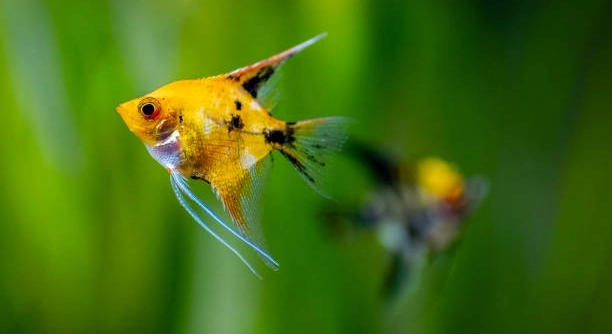
Angelfish are beautiful but delicate creatures, and stress can affect their health. Stress can be caused by various factors, from water quality to their environment. Understanding how to support them can make all the difference in their recovery.
Providing a stress-free environment for an angelfish is essential for their recovery. Key factors such as maintaining clean water, ensuring proper tank mates, and minimizing sudden changes in the environment can help your angelfish regain their health.
Making simple adjustments to your angelfish’s habitat can create a more comfortable and peaceful environment for them.
Water Quality Matters
Keeping the water clean and at the right temperature is crucial for your angelfish’s well-being. Poor water quality can easily stress them out, leading to health problems. Regular water changes and checking the pH levels can make a significant difference. If the water becomes cloudy or smells, it’s a clear sign something is wrong.
To maintain healthy water, change at least 25-30% of the tank water weekly. Also, using a good filter and monitoring ammonia and nitrate levels will help prevent harmful buildups that could stress your fish. Keeping the water temperature between 76°F and 82°F (24°C to 28°C) is essential.
In addition to water quality, consider the tank’s aeration. Oxygen-rich water helps angelfish stay active and healthy. Poor aeration can lead to lethargy, contributing to stress. Ensure your filter system doesn’t create strong currents, as angelfish prefer calm waters. You can use a sponge filter to help with aeration without creating turbulence.
Tank Mates and Environment
Choosing the right tank mates for your angelfish is important. Aggressive or overly active species can stress them out. Opt for peaceful fish that won’t compete aggressively for space or food. A quiet environment promotes healing.
Angelfish do well in well-planted tanks with plenty of hiding spots. They appreciate a calm, secure environment where they can retreat when they feel threatened. Avoid overcrowding the tank, as this can also increase stress levels.
Minimize Stressful Changes
Sudden changes in an angelfish’s environment can lead to unnecessary stress. Avoid moving the tank or altering water conditions rapidly. Small, gradual changes will give your fish time to adjust.
When adjusting the water parameters, make changes slowly, no more than 1-2 degrees Fahrenheit (0.5-1°C) per day. This allows the fish to acclimate without causing shock. Even a slight temperature change can cause stress, so keep an eye on your heater settings. Also, avoid rearranging tank decorations frequently, as angelfish like to feel familiar with their surroundings.
Any sudden changes, whether it’s a new tank setup or introducing new fish, can be overwhelming. It’s best to give the angelfish time to adjust to one change before making another. This allows them to relax and recover at a steady pace.
Proper Diet and Nutrition
A healthy, balanced diet plays a huge role in your angelfish’s recovery. Offering them high-quality food will support their immune system and energy levels.
Angelfish need a diet rich in proteins, vitamins, and minerals. Live or frozen foods such as brine shrimp, bloodworms, or daphnia are excellent choices. Supplementing with high-quality flakes or pellets will also help ensure they’re getting the nutrients they need. Overfeeding can lead to water quality issues, so feed small amounts 2-3 times a day.
Avoid giving them too much processed food, as it lacks the nutrients needed for recovery. A variety of food types ensures they’re getting a balanced diet, improving their chances of recovering quickly.
Reduce Overcrowding
Overcrowding the tank can increase stress and hinder recovery. Fish need space to move and feel safe. Aim for 1 inch of fish per gallon to avoid overcrowding.
When you add new fish, make sure to monitor how the current fish react. If they seem stressed or territorial, it’s a sign the tank might be too crowded. Fish need room to establish their territory and swim freely.
Creating a more spacious environment will reduce stress and allow your angelfish to heal.
Lighting and Tank Maintenance
Bright, harsh lighting can add to your angelfish’s stress. Use a gentle light cycle to mimic their natural environment. Keeping the light dim in the evening can help them feel more secure.
Proper tank maintenance includes cleaning the glass, checking equipment, and ensuring the filter is working. Regular maintenance prevents unnecessary stress from issues like poor water flow or algae buildup.
Quarantine New Fish
Before introducing new fish, always quarantine them for a few weeks. This helps prevent the spread of disease and allows your angelfish to adapt to the new environment without added stress.
FAQ
How can I tell if my angelfish is stressed?
Stressed angelfish often display certain behaviors. They may swim erratically, hide more than usual, or become more aggressive toward other fish. Their fins may be clamped, and they might stop eating. Also, stressed fish might have faded colors or show signs of physical injury. It’s important to keep a close eye on their behavior to spot stress early.
What is the best temperature for an angelfish?
Angelfish thrive in water temperatures between 76°F and 82°F (24°C to 28°C). Keeping the water in this range is vital for their health and recovery. A stable temperature prevents sudden shocks, which can cause additional stress. Use a reliable aquarium heater to maintain the temperature consistently.
Can I use aquarium salt for stressed angelfish?
Yes, aquarium salt can help with some types of stress, especially if the angelfish are recovering from illness or parasites. It can help reduce the stress on their gills and skin. However, be cautious with the amount and duration of use, as excessive salt can harm freshwater fish. Always follow the recommended dosage for your tank size.
How often should I feed my stressed angelfish?
Stressed angelfish should be fed smaller meals more frequently. Offer food 2-3 times a day, ensuring they have enough time to eat without overfeeding. A well-balanced diet will help them regain strength, but overfeeding can lead to water quality problems. Avoid large, messy meals that might pollute the water.
Can I add live plants to the tank to help reduce stress?
Yes, live plants can help reduce stress for your angelfish. They provide hiding spots, which help them feel secure. Plants also help maintain water quality by absorbing excess nutrients. Choose plants that are easy to care for, like Java fern or Anubias, to keep the tank environment natural and calming.
What can I do if my angelfish are bullying each other?
If you notice bullying, it’s best to separate the aggressor from the other angelfish. Aggression often comes from stress, overcrowding, or lack of space. Ensure there are plenty of hiding spots and territories in the tank. Adding a divider temporarily can also help calm aggressive behavior.
How long does it take for a stressed angelfish to recover?
Recovery time varies depending on the cause of stress and how quickly you address it. Generally, with proper care, an angelfish may take anywhere from a few days to several weeks to fully recover. Consistent attention to water quality, diet, and environment will speed up the process.
Can angelfish recover from fin rot or other diseases?
Yes, angelfish can recover from fin rot or other diseases, but it depends on how quickly you identify and treat the issue. Providing clean water, proper nutrition, and sometimes using medicinal treatments can help them heal. Early intervention is key to their recovery.
Should I reduce the lighting when my angelfish are stressed?
Yes, reducing lighting can help your angelfish feel more at ease. Angelfish, like many other fish, prefer a dimmer environment when stressed. A light cycle of 8-10 hours a day is ideal. Too much light can add to their stress levels, so keep the lighting gentle.
Can adding more fish help reduce stress in my angelfish?
Adding more fish may or may not help. While some angelfish enjoy the company of their own kind, overcrowding can cause stress. Ensure your tank has enough space for the current fish and that new fish are peaceful. It’s best to introduce new fish gradually after your angelfish has recovered from stress.
What type of water filter should I use for stressed angelfish?
A gentle, sponge-style filter is often the best choice for stressed angelfish. It provides adequate filtration without creating strong currents that may stress them out further. Avoid high-flow filters that can push the fish around. Ensure the filter is appropriate for the size of your tank.
Can stress affect the health of my angelfish long-term?
Yes, prolonged stress can weaken the immune system of your angelfish, making them more susceptible to disease. Chronic stress may also cause behavioral changes or disrupt their eating habits. It’s important to address stress as soon as possible to prevent long-term health issues.
How can I tell if the water quality is causing stress to my angelfish?
If your angelfish are stressed and you’ve ruled out other factors, poor water quality is often the cause. Test the water for ammonia, nitrites, nitrates, and pH levels. If any of these are out of balance, it could be stressing your fish. Regular water changes and using a quality filter can help maintain a healthy environment.
Final Thoughts
Helping a stressed angelfish recover requires patience and a careful approach. Angelfish are sensitive creatures, so it’s essential to avoid sudden changes in their environment. By maintaining a stable tank setup, you give your fish the best chance to feel comfortable again. Small adjustments, like temperature control and proper water quality, make a big difference in their recovery. Consistency is key when caring for stressed fish, so try to keep conditions as stable as possible.
A proper diet also plays a significant role in the recovery process. Offering high-quality food and varying their diet ensures they get the nutrients they need to regain strength. Avoid overfeeding, as it can cause water issues, which may stress the fish even more. Fresh or frozen foods, like brine shrimp or bloodworms, are ideal choices for supporting their immune system. These foods not only provide essential nutrients but also mimic their natural diet, which can help them feel more comfortable and at ease.
Remember that stress recovery can take time. Some angelfish may bounce back quickly, while others might need a longer period to fully heal. The key is to monitor their behavior and adjust your care routine as needed. Always keep an eye on water conditions, temperature, and their interactions with other fish. With the right care, your angelfish should recover and return to their healthy, vibrant selves.

Hello,
If you enjoy the content that we create, please consider saying a "Thank You!" by leaving a tip.
Every little bit helps us continue crafting quality advice that supports the health, happiness, and well-being of pets around the world, for pets of all shapes, sizes, and species.
We really appreciate the kindness and support that you show us!