
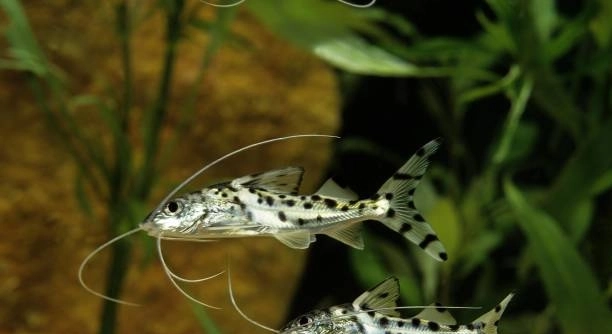
Adjusting a Pictus catfish to a new tank can be a delicate process that requires patience and care. These fish are sensitive to changes in their environment, making the transition challenging without proper steps. Helping them settle well is key to their health.
To help a Pictus adjust, gradually introduce them to their new tank by maintaining stable water conditions, providing hiding spots, and monitoring their behavior closely. Ensuring proper water quality and minimizing stress are essential for a smooth adaptation process.
Knowing the right ways to support your Pictus during this change can make a big difference in their comfort and wellbeing in their new home.
Prepare the Tank Before Introducing Your Pictus
Setting up the tank properly before adding your Pictus is very important. The water needs to be clean and the temperature stable, around 75 to 80 degrees Fahrenheit. You should cycle the tank first to make sure there are beneficial bacteria to break down waste. Pictus catfish like hiding places, so adding decorations like caves, plants, or driftwood will help them feel safe. The substrate should be soft, as these fish like to dig gently. Also, make sure the tank size is adequate — at least 30 gallons for one Pictus, since they grow fairly large and are active swimmers. Avoid bright lighting because it can stress them out. Testing water parameters regularly for ammonia, nitrites, and nitrates ensures the environment stays healthy. Preparing the tank in this way reduces stress and helps your Pictus feel more comfortable from the moment they arrive.
Setting the right environment early on creates a calm space for your Pictus to explore and settle without feeling overwhelmed.
Taking the time to create a safe and stable home shows respect for your fish’s needs and helps avoid common health problems. It also allows them to express natural behaviors like foraging and hiding, which are important for their wellbeing. A well-prepared tank makes adjusting easier and prevents many issues later.
Introduce Your Pictus Slowly
It’s best to introduce your Pictus to the new tank gradually. Sudden changes can cause stress that weakens their immune system. Before placing them in the tank, float the sealed bag in the water for about 15 to 20 minutes. This helps equalize the temperature inside the bag and the tank water. After that, slowly add small amounts of tank water into the bag over 30 minutes to help the fish adjust to the new water chemistry. Once acclimated, gently release the fish into the tank without pouring the bag water in to avoid introducing contaminants. Keeping the tank quiet and dimly lit during this time will help your Pictus feel more secure as they explore their new surroundings.
Maintain Stable Water Conditions
Water quality is the most critical factor for a Pictus to adjust well. These fish are sensitive to changes in pH, temperature, and ammonia levels. Consistently test your tank water at least twice a week, focusing on ammonia, nitrite, nitrate, and pH levels. Aim for a pH between 6.5 and 7.5, and keep ammonia and nitrites at zero. Temperature should remain steady between 75 and 80 degrees Fahrenheit to prevent stress. Frequent water changes, about 20% weekly, help keep the environment clean and reduce toxin buildup. Using a reliable filtration system supports water clarity and oxygen levels. Avoid adding too many fish at once, as overcrowding can destabilize the water quality. Keeping these conditions stable makes it easier for your Pictus to thrive and lowers the risk of illness.
Your patience with water maintenance will pay off with a healthier, happier fish.
Regular monitoring and adjustments ensure your tank remains a safe habitat. Sudden changes in water parameters often cause health problems for Pictus catfish, so slow and steady care is key. This consistency also helps build your confidence as a fish keeper, making tank management less stressful for both you and your fish.
Provide Plenty of Hiding Spots
Pictus catfish need places to hide as they adjust to a new tank. These hiding spots help reduce stress and make them feel safe. Without enough cover, they may become anxious or hide too much, making it harder to observe their behavior.
Adding caves, plants, and driftwood creates natural shelters your Pictus can retreat to. Choose smooth decorations to avoid injuries since these fish have delicate barbels. Floating plants also help by softening the light. Arrange the hiding spots in different parts of the tank, so your fish can explore safely. Changing the layout too often can cause stress, so keep it consistent once your Pictus settles in. A well-decorated tank encourages natural behavior, improving overall health.
Hiding spots also provide a sense of territory, which is important for Pictus catfish. It helps reduce aggression and creates a more balanced tank environment for all fish.
Feed a Balanced Diet
Feeding your Pictus well supports its health and helps it settle. Offer a mix of sinking pellets, live or frozen foods like bloodworms, and occasional vegetables. Variety is key to meet their nutritional needs and prevent boredom. Avoid overfeeding, which can pollute the tank and harm water quality. Feeding small amounts twice daily is better than one large meal. Remove any uneaten food promptly. This diet mimics their natural feeding habits and keeps them active. Healthy nutrition supports their immune system and makes the adjustment period smoother.
Careful feeding habits also help prevent digestive issues common in Pictus catfish. Monitor your fish during feeding to notice any changes in appetite or behavior that might signal stress or illness. Maintaining a steady diet routine provides comfort and stability as your Pictus gets used to its new home.
Keep the Tank Quiet and Calm
Loud noises and sudden movements can stress your Pictus catfish. Keep the tank in a quiet area away from heavy foot traffic or loud appliances. This calm environment helps your fish feel safe and less anxious during adjustment.
Avoid tapping on the glass or sudden changes around the tank. Consistent calmness encourages your Pictus to explore and settle in at its own pace, reducing stress-related health problems.
Monitor Behavior Closely
Watch your Pictus daily for signs of stress or illness. Healthy fish swim actively, eat well, and explore their surroundings. Look for changes like hiding constantly, loss of appetite, or erratic swimming. Early detection of problems can prevent serious issues and help you act quickly.
Maintain Proper Lighting
Use dim or soft lighting to reduce stress for your Pictus. Bright lights can make them nervous and hide more often. Keeping the lighting gentle mimics their natural environment and supports a healthy routine.
Avoid Sudden Changes
Sudden changes in water, temperature, or tank layout can upset your Pictus. Make adjustments slowly and carefully to help them stay comfortable and healthy.
FAQ
How long does it take for a Pictus to adjust to a new tank?
Typically, a Pictus catfish takes about one to two weeks to adjust to a new environment. During this period, they might be shy or hide frequently. Providing stable water conditions, plenty of hiding spots, and a calm environment helps speed up this adjustment. Patience is key because rushing changes can cause stress and health problems.
What water parameters are best for a Pictus catfish?
Pictus catfish thrive in water with a temperature between 75 and 80 degrees Fahrenheit. The pH should be maintained between 6.5 and 7.5. Ammonia and nitrites must always be at zero, while nitrates should stay below 20 ppm. Regular testing and water changes keep these parameters stable and safe for your fish.
Can Pictus catfish live with other fish?
Yes, Pictus catfish are generally peaceful but active and fast swimmers. They do well with other community fish that are not aggressive or overly territorial. Avoid slow-moving or very small fish, as Pictus might outcompete them for food. Suitable tank mates include tetras, barbs, and larger peaceful species.
What should I feed my Pictus catfish?
A balanced diet for Pictus catfish includes sinking pellets, frozen or live foods such as bloodworms or brine shrimp, and occasional vegetable matter. Feeding small amounts twice daily prevents overfeeding and keeps water quality high. Always remove uneaten food to avoid pollution and health risks.
Why is my Pictus hiding all the time?
Hiding is normal when a Pictus is new to the tank or feels stressed. Insufficient hiding places, sudden noises, or poor water conditions can increase hiding behavior. Providing caves, plants, and quiet surroundings will encourage your fish to explore more as it feels secure.
How often should I clean the tank for my Pictus?
Perform partial water changes of about 20% weekly to maintain water quality. Clean the filter as needed, but avoid disturbing the beneficial bacteria too much. Regular cleaning reduces toxins and helps prevent diseases, making your Pictus more comfortable and healthy.
Can Pictus catfish jump out of the tank?
Yes, Pictus catfish are known to be active and can jump if startled. It’s important to have a secure lid on your tank to prevent escapes. This keeps your fish safe and reduces stress caused by sudden movements or threats outside the tank.
What signs show that my Pictus is healthy?
Healthy Pictus swim actively, have bright eyes, intact fins, and a good appetite. They interact with their environment by exploring and foraging. If your fish is swimming smoothly and eating well, it usually means they are healthy and adapting well to their tank.
What should I do if my Pictus shows signs of illness?
If you notice symptoms like lethargy, loss of appetite, clamped fins, or unusual spots, test the water first. Poor water quality often causes illness. Quarantine the fish if possible and consult with an aquatic vet or experienced hobbyist for treatment advice. Early action can prevent serious problems.
Is it normal for Pictus catfish to be active mostly at night?
Yes, Pictus are naturally more active during twilight and nighttime. They use low light to forage and explore safely. Adjust your tank lighting to low or dim settings during the day to respect their natural behavior and reduce stress.
Helping a Pictus catfish adjust to a new tank takes time, care, and attention. These fish are sensitive to changes and can become stressed if their environment is not right. By preparing the tank carefully, keeping water conditions stable, and providing hiding spots, you create a comfortable space for your Pictus to explore and settle. It is important to be patient and avoid rushing the process. Stress can lead to illness, so the more effort you put into making the tank a safe home, the healthier your fish will be.
Feeding a balanced diet and monitoring your Pictus closely also play key roles in its adjustment. A varied diet that includes sinking pellets and live or frozen foods supports their natural behavior and health. Watching for any changes in activity or appetite can help you catch problems early before they become serious. Quiet surroundings and soft lighting reduce stress and encourage your fish to come out and swim freely. Avoiding sudden changes to the water or tank setup helps your Pictus feel secure and less likely to hide for long periods.
Overall, the success of your Pictus in its new tank depends on steady care and understanding its needs. Keeping a calm environment, regular water testing, and gentle handling will give your fish the best chance to thrive. Each Pictus may adjust at its own pace, so staying consistent with your care routine is essential. With time and patience, your Pictus catfish will grow comfortable, healthy, and active in its new home. This simple approach not only benefits your fish but also makes caring for them more rewarding and enjoyable.

Hello,
If you enjoy the content that we create, please consider saying a "Thank You!" by leaving a tip.
Every little bit helps us continue crafting quality advice that supports the health, happiness, and well-being of pets around the world, for pets of all shapes, sizes, and species.
We really appreciate the kindness and support that you show us!