
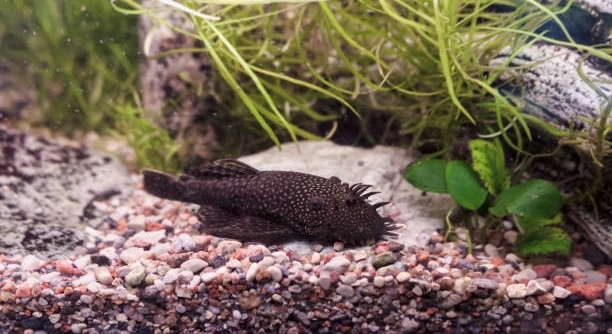
Introducing a new pleco to your aquarium can be a rewarding experience, but proper acclimation is essential for its health. This process ensures that your pleco adapts to its new environment and thrives in your tank.
Acclimating a new pleco involves controlling water temperature, salinity, and tank conditions to help your fish adjust gradually. Providing a calm environment with appropriate hiding spaces will also reduce stress during the process.
The following steps will ensure your pleco adjusts smoothly to its new home.
Acclimating Your Pleco: Start Slow
When introducing a new pleco, patience is key. Gradually acclimating your fish to the aquarium environment helps reduce shock. To start, ensure the water temperature in the bag or container matches the tank temperature. You can achieve this by floating the bag in the aquarium for 15-20 minutes. After that, slowly add small amounts of tank water to the bag every 5 minutes. This process, known as drip acclimation, allows your pleco to adjust to the water conditions without causing stress. If done correctly, your pleco will transition more smoothly into its new home.
Let your pleco float in the bag for at least 15 minutes. This helps it adjust to the water temperature before starting the next steps.
After floating the bag, begin adding tank water into the bag gradually. Over 30 minutes, introduce enough water to match your tank’s water conditions. This ensures your pleco isn’t overwhelmed when it finally enters the tank.
Set Up a Calm Environment
It’s important to create a peaceful environment to help your pleco adjust. Ensure there are no sudden movements or loud noises around the aquarium. Avoid tapping on the glass or disturbing the water, as this can stress your new pleco. Having plants or decorations in the tank also gives your pleco places to hide, helping it feel secure. Keeping the lighting dim for the first few days may further ease the transition.
Stress can make acclimation difficult. Plecos are sensitive to their surroundings, and sudden changes can harm their health. A well-established tank with steady water parameters is essential for the pleco’s comfort. Ensure the filter is running smoothly, but avoid a strong current that could overwhelm the fish. A calm environment speeds up the acclimation process and helps the pleco feel at ease.
For the first few days, monitor the pleco’s behavior closely. If it hides more than usual, that’s perfectly normal. It may take time for the pleco to adjust to its new surroundings. Provide a safe and stable environment so your pleco can gain confidence.
Watch for Health Signs
After acclimating, it’s important to monitor your pleco for any signs of stress or illness. Look for signs like excessive hiding, faded coloring, or abnormal swimming behavior. These may indicate an issue with water quality or stress. If your pleco is not eating after a few days, it may also be a sign of discomfort.
To prevent health issues, test your water parameters regularly. Ensure the temperature is stable, and the pH levels match what plecos need. Ammonia and nitrites should be at zero, and nitrates should be kept under 20 ppm. Regular water changes are essential for maintaining a healthy environment for your pleco. A clean, stable tank will help reduce stress and keep your pleco thriving.
Provide a Proper Hiding Spot
Plecos often feel safer when they have a place to hide. Adding caves, rocks, or dense plants to your tank gives your pleco areas where it can retreat. Hiding spaces help reduce stress, especially in the first few days. Be sure the hiding spots are big enough for your pleco to move around in.
A pleco’s natural instinct is to find a quiet place when stressed. Providing ample hiding spaces will make your pleco feel more secure in its new home. If your pleco isn’t exploring immediately, don’t worry. It may simply prefer the comfort of its hiding spot.
Monitor Tank Conditions
Checking water parameters regularly ensures the environment stays safe for your pleco. The water temperature should be between 74°F and 80°F, and the pH should be between 6.5 and 7.5. Keep ammonia and nitrites at zero, and ensure the filtration system is working properly.
Water quality is crucial for your pleco’s health. Without consistent monitoring, poor water conditions can lead to stress or disease. Use a reliable water testing kit to measure key parameters and adjust as necessary. Regular maintenance, such as cleaning the filter and doing water changes, helps maintain a healthy tank environment.
Feed the Pleco Properly
In the first few days, feed your pleco lightly to avoid overfeeding. Offer sinking pellets, algae wafers, or blanched vegetables like zucchini or cucumber. Plecos are primarily herbivores, but some may also eat protein-rich foods like shrimp or bloodworms. Start with small portions to see what your pleco prefers.
Feeding too much at once can cause water quality issues. Start with a small amount of food and remove any leftovers after a few hours. Keep feeding times consistent to help your pleco adjust to a routine. Over time, you can gradually increase the food portions as it becomes more comfortable.
FAQ
How long does it take for a pleco to acclimate?
Acclimating a pleco can take anywhere from 24 to 48 hours, depending on how well the water conditions match. A gradual acclimation process, including water temperature adjustments and the slow introduction of tank water, ensures less stress on the fish. It’s important to give the pleco time to adjust, so don’t rush the process.
What should I do if my pleco isn’t eating?
If your pleco isn’t eating after a few days, check the water quality first. Poor water conditions can cause the pleco to lose its appetite. Make sure the tank is clean and that temperature and pH levels are stable. Also, ensure the food you’re offering is appropriate for plecos, such as algae wafers or vegetables.
Can I add other fish with my new pleco?
Plecos are generally peaceful fish but can be territorial when settling into a new environment. It’s best to wait until your pleco feels comfortable before introducing other fish. Once your pleco is acclimated, choose tank mates that aren’t too aggressive. Smaller fish or peaceful species are ideal.
How often should I feed my pleco?
Feed your pleco once or twice a day. In the wild, they graze constantly, but in an aquarium, overfeeding can cause water quality issues. Offer small amounts of food that the pleco can consume in a few hours. You can give it algae wafers, vegetables like zucchini or spinach, and sinking pellets.
Is it normal for my pleco to hide?
Yes, it is completely normal for a pleco to hide, especially during the initial days after being introduced to a new tank. Plecos are nocturnal and prefer to stay hidden during the day. As your pleco gets used to its new home, it may start to explore more frequently.
Why is my pleco turning black?
A pleco turning darker or black can be a sign of stress or poor water quality. Check your tank conditions to ensure the temperature, pH, and ammonia levels are within the appropriate range. In some cases, it could also be a natural color change, especially if the pleco is a species known for darkening.
How do I know if my pleco is stressed?
Signs of stress in a pleco include hiding excessively, not eating, or exhibiting rapid breathing. Stress can be caused by poor water quality, aggressive tankmates, or sudden changes in the environment. To reduce stress, ensure the tank is stable, and avoid sudden changes in temperature or water conditions.
Can my pleco live with other bottom-dwelling fish?
Plecos can live with other bottom-dwelling fish, but they may be territorial. When adding other bottom dwellers like catfish or loaches, make sure there’s enough space for each fish to have its own territory. Providing hiding spots and ample room helps reduce territorial conflicts.
How can I tell if my pleco is healthy?
A healthy pleco will have clear eyes, smooth skin, and active swimming behavior. It will eat regularly, and its coloring should be consistent with its species. If your pleco starts hiding more than usual, has discolored spots, or refuses to eat, it may be sick and need immediate attention.
Why is my pleco staying near the surface of the tank?
If your pleco is constantly near the surface, it may be experiencing low oxygen levels or poor water quality. Check the oxygen flow in your tank by adjusting the filter or adding an air pump. Also, test the water parameters to ensure they’re within the correct range for your pleco.
How can I help my pleco grow faster?
To help your pleco grow, provide it with a balanced diet, clean water, and proper hiding spots. The better the environment, the healthier and faster your pleco will grow. Regular water changes and the right type of food, such as algae wafers and vegetables, are crucial for growth.
Should I clean the pleco’s tank frequently?
Yes, regular tank cleaning is essential. Plecos produce a lot of waste, and if left unchecked, this can lead to poor water quality. Perform partial water changes at least once a week and remove any uneaten food from the tank. Clean the filter regularly to maintain good water circulation.
Can plecos live in a tank without a filter?
While plecos can survive in a tank without a filter, it’s not recommended. A filter helps keep the water clean by removing waste and excess food. Without a filter, the water quality can deteriorate quickly, which can lead to stress and illness in your pleco. A filter helps maintain a healthy environment for all tank inhabitants.
Do plecos need special lighting?
Plecos don’t require special lighting, but providing a day-night cycle is important for their health. Avoid keeping the tank in direct sunlight, as it can cause algae overgrowth and water temperature fluctuations. A standard aquarium light that mimics a natural day-night cycle works best.
How do I prevent my pleco from becoming too aggressive?
To reduce aggression in plecos, ensure the tank is spacious and includes enough hiding spots. Avoid adding fish that may provoke territorial behavior, and keep the water conditions stable. Plecos typically are peaceful, but stress and overcrowding can lead to aggression.
Can plecos live in cold water?
Plecos are tropical fish and prefer warm water temperatures. Keeping your pleco in cold water can lead to health issues. The water temperature should range between 74°F and 80°F. Ensure your tank has a reliable heater to maintain consistent temperatures for optimal pleco health.
How do I know when my pleco is full?
Your pleco will stop eating once it’s full, but be sure to monitor how much food you’re giving. Overfeeding can cause excess waste in the tank, which leads to poor water quality. Plecos can also get bloated if they consume too much at once, so feed them small portions.
Can plecos eat fish flakes?
Plecos are herbivores, so fish flakes aren’t the ideal food. However, if you have a pleco that’s willing to eat them, they can be fed occasionally. It’s better to provide them with algae wafers, blanched vegetables, and sinking pellets, which are closer to their natural diet.
Why does my pleco keep sucking on the glass?
Plecos often suck on surfaces like the glass to graze on algae. This is a natural behavior, as they use their sucker mouths to feed on algae and biofilm. However, if your tank has little algae, you may need to supplement their diet with algae wafers or vegetables.
Final Thoughts
Caring for a new pleco requires attention to detail and patience. Acclimating them to their new environment is crucial, as they can be sensitive to changes in water conditions. Following the proper steps to ensure they feel comfortable and safe will help them thrive in their new home. While the process may take some time, it is worth it to see your pleco settle in and begin to show its natural behavior.
Regular maintenance of the tank is essential for the health of your pleco. Keeping the water clean and well-filtered will prevent common issues like poor appetite or stress. Providing a varied diet, along with plenty of hiding spots, will allow the pleco to feel secure and healthy. Remember, plecos are nocturnal and prefer a peaceful environment, so avoid adding aggressive tankmates that could cause them stress.
Ultimately, the key to helping your pleco adjust is consistency. Monitoring the water quality, maintaining a balanced diet, and offering a stable environment will ensure your pleco has the best chance of thriving. By following these simple steps, you’ll enjoy a happy, healthy pleco for years to come.

Hello,
If you enjoy the content that we create, please consider saying a "Thank You!" by leaving a tip.
Every little bit helps us continue crafting quality advice that supports the health, happiness, and well-being of pets around the world, for pets of all shapes, sizes, and species.
We really appreciate the kindness and support that you show us!