
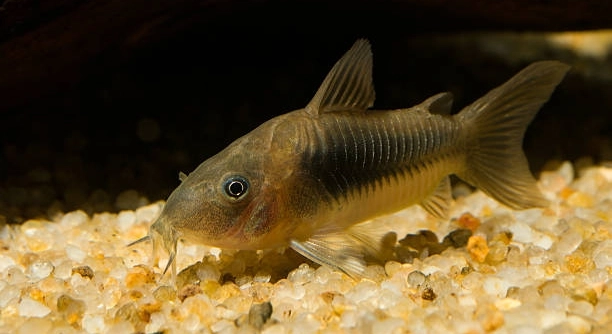
Corydoras catfish are popular aquarium fish, known for their peaceful nature and helpful role in cleaning tank bottoms. However, like all fish, they can sometimes become ill. Understanding how to support their recovery is essential for their well-being.
To help a Corydoras catfish recover from illness, focus on proper water conditions, a healthy diet, and appropriate medication. A stable environment with clean water, combined with the right food and treatment, can speed up the recovery process.
By making the right adjustments, you can help your Corydoras catfish recover and prevent future health issues. Proper care can lead to a happy and thriving fish, benefiting both your tank’s ecosystem and your enjoyment.
Maintain Clean Water Conditions
The most important factor when helping a Corydoras catfish recover from illness is maintaining clean and stable water conditions. These fish are sensitive to water quality, and any changes can cause stress or worsen their condition. Regular water changes are essential, and you should test for ammonia, nitrites, and nitrates frequently. If the water parameters are off, consider using water conditioners or filtration systems that help restore balance. Ensure the temperature stays within the optimal range for Corydoras, around 72°F to 78°F. Avoid adding any new fish or decorations that might disturb the tank.
Water quality is directly linked to the health of your catfish. A stable, clean environment helps reduce stress, which is crucial for recovery. Water changes should be done regularly, ideally once a week, with smaller adjustments so the fish don’t get shocked by sudden changes.
Beyond routine cleaning, watch for signs of stress like unusual swimming or inactivity. When water quality is consistently good, your Corydoras can focus on recovering and regaining strength, making this step one of the most effective ways to help them heal. Keeping the tank environment stable minimizes the risk of infections or further complications.
Provide Proper Nutrition
After ensuring clean water conditions, it’s time to focus on nutrition. Corydoras catfish are bottom-feeding fish, and they rely on sinking pellets or algae wafers. During recovery, it’s essential to provide a high-quality diet to help boost their immune system. Rich in protein, vitamins, and minerals, the right food can support healing and energy levels. If your Corydoras is not eating well, try offering live or frozen foods like brine shrimp, which are often more enticing to sick fish.
A balanced diet aids in faster recovery. Make sure the food is appropriate for their size, and avoid overfeeding, as this can pollute the water. Stick to small portions that your catfish can consume in a short time, preventing leftovers from fouling the water.
Feeding a varied, nutrient-rich diet will give your Corydoras the best chance to regain strength. While their appetite may drop when they are sick, gradually introducing more tempting foods can help them eat again and recover more quickly. Healthy fish rely on a strong immune system, and proper nutrition supports this.
Use Medication When Necessary
If your Corydoras catfish shows signs of illness that don’t improve with clean water and proper diet, it may be time to consider medication. Common issues include parasites, fungal infections, or bacterial outbreaks. There are various treatments available, so it’s essential to identify the problem first. You can start by researching the symptoms and then choosing the appropriate treatment. In many cases, aquarium stores carry medications specifically designed for freshwater fish.
When using medication, always follow the instructions on the package carefully. Some treatments can affect water quality, so be prepared to make additional water changes during or after the treatment. Additionally, monitor the fish’s condition closely throughout the process. If the symptoms don’t improve or worsen, it may be necessary to try a different medication.
Medications can be effective, but they must be used in conjunction with proper water quality and diet. For the best results, try isolating the sick fish in a quarantine tank to prevent the spread of illness to other fish. This can make the treatment process more focused and effective.
Manage Stress
Stress can delay your Corydoras catfish’s recovery, so it’s important to keep it to a minimum. Stress can come from various sources, including poor water conditions, overcrowding, or overly aggressive tank mates. Corydoras are peaceful fish, and any aggressive behavior from other fish can lead to additional stress that will slow down recovery. If your catfish is being picked on, consider rearranging the tank or adding more hiding spots, such as plants or caves, so your Corydoras can find a safe place to rest.
Creating a calm, quiet environment is key. Avoid tapping on the glass or making sudden movements around the tank. Corydoras are sensitive to noise and movement, which can increase stress levels. Keeping the lighting low and consistent is another way to create a more comfortable space for your sick fish.
The less stressed your Corydoras feels, the faster it will recover. Keeping the tank peaceful and ensuring they feel secure helps reduce anxiety, supporting their immune system and overall health. Reducing stress should be a priority when caring for a sick fish, as it can have a significant impact on recovery speed.
Quarantine Sick Fish
When a Corydoras catfish shows signs of illness, quarantining it is often the best option. Isolating the fish can prevent the spread of illness to other tank members and allows you to focus on its specific care needs. Set up a separate quarantine tank with clean water and a gentle filter to keep the environment stable.
In quarantine, you can more closely monitor your catfish’s behavior and health. Ensure the water temperature matches its usual habitat, and use medications or treatments specific to the illness. Avoid adding any tank mates to the quarantine tank, as this can increase stress. Keep the tank simple, with a hiding spot, to reduce the fish’s anxiety.
Regularly check on the sick fish to track its progress. Quarantining helps prevent contamination and lets you treat the fish without affecting the rest of the aquarium. Once it has recovered, you can slowly reintroduce it back into the main tank, ensuring it’s fully healed.
Monitor Water Parameters
Checking water parameters regularly is essential in helping your Corydoras catfish recover. Imbalanced water conditions can delay healing or make illnesses worse. Focus on maintaining the right levels of ammonia, nitrites, and nitrates, and aim for pH between 6.5 and 7.5. Test water weekly and make adjustments when needed.
Good water conditions are critical for all fish, especially when they’re recovering from illness. Corydoras are sensitive to changes in water quality, so stable conditions will support their healing. Keep an eye on oxygen levels and temperature, making sure both are within ideal ranges. Poor water quality can cause further stress and complications.
If your Corydoras is in a quarantine tank, keep the water conditions similar to its original tank. This will help minimize the impact of the change and make the transition smoother. Healthy water equals healthy fish, so prioritize these checks to give your catfish the best chance at a full recovery.
Reduce Tank Stressors
Stress can hinder your Corydoras catfish’s recovery, so removing any stressors in the tank is essential. Overcrowding, loud noises, or aggressive tank mates can all cause unnecessary tension. Rearranging decorations or providing more hiding spots can help create a calmer environment for the sick fish.
To minimize stress, ensure your Corydoras has a quiet, peaceful space to recover. Make sure other fish are not bullying or chasing it, as this will only slow down the healing process. Adding plants, caves, or driftwood can give the catfish a safe, secure area to rest and regain strength.
Avoid Overfeeding
Overfeeding is a common mistake that can make water conditions worse, especially when caring for a sick fish. Excess food can quickly decompose, leading to an ammonia spike that harms your Corydoras. Stick to small, appropriate portions to avoid adding extra waste to the tank.
Ensure your Corydoras eats what it can within a few minutes, and remove any leftover food promptly. Keeping feeding times short and controlled helps prevent overfeeding while ensuring the fish receives enough nutrition to recover. Healthy feeding habits are essential for both water quality and the fish’s health.
Watch for Further Symptoms
Pay close attention to any changes in your Corydoras catfish’s condition. If symptoms worsen or new ones appear, it may indicate a more serious illness that requires immediate treatment. Look for changes in behavior, such as swimming irregularly, lack of appetite, or abnormal spots or lesions.
FAQ
What are the signs that my Corydoras catfish is sick?
When a Corydoras catfish is unwell, its behavior changes. Common signs include swimming erratically, staying at the surface or bottom of the tank for long periods, loss of appetite, or visible spots, lesions, or discoloration. A sick fish may also breathe heavily or scratch against objects. Any change in behavior is a red flag that something is wrong. Monitor their movements closely, and take immediate action if you notice anything out of the ordinary.
How often should I change the water while my Corydoras is recovering?
During recovery, you should change the water regularly, but not too drastically. Aim for smaller, more frequent water changes, such as 20-25% every 2-3 days. This helps maintain water quality while minimizing stress on the fish. If the tank is very dirty, you can do a larger change, but avoid changing all the water at once. The key is consistency and gradual improvements.
What temperature is best for a sick Corydoras?
Corydoras thrive in a water temperature of 72°F to 78°F (22°C to 26°C). When your fish is recovering, it’s important to keep the water temperature within this range to promote healing. Sudden temperature fluctuations can stress the fish, so maintain a stable temperature. Use a reliable aquarium heater to control the tank’s warmth.
Can I treat my Corydoras with aquarium salt?
Aquarium salt can be beneficial for treating certain conditions like external parasites or wounds, but it should be used cautiously. While some Corydoras can tolerate salt, it can cause stress or harm to others. Always check the manufacturer’s instructions and the specific needs of your fish before adding salt. If you choose to use salt, it’s best to dissolve it in a separate container of water and slowly add it to the tank.
How can I prevent my Corydoras from getting sick in the future?
The best prevention is to maintain a clean, stable environment for your Corydoras. Regular water changes, a good filtration system, and monitoring water parameters are key to reducing the risk of illness. Additionally, avoid overcrowding and ensure your fish have enough space. Feeding them a balanced, nutritious diet will also help strengthen their immune system, reducing the chances of illness.
Is it necessary to use medication when my Corydoras is sick?
Medication may not always be necessary, especially if the issue is minor or environmental. However, if your Corydoras shows signs of disease that don’t improve with water changes and diet adjustments, medication may be required. Always identify the illness first before choosing a treatment. Using the right medication can speed up recovery, but it’s important to follow the instructions carefully to avoid overmedicating.
Can Corydoras catch diseases from other fish?
Yes, Corydoras catfish can catch diseases from other fish, especially if they are housed in the same tank. Many illnesses, such as parasites or bacterial infections, can be passed from one fish to another. It’s important to quarantine new fish before adding them to your main tank to avoid introducing diseases. Always observe all your fish closely for signs of illness, and if one fish is sick, take measures to isolate it immediately.
What should I do if my Corydoras stops eating?
If your Corydoras catfish stops eating, the first step is to check the water quality. Poor water conditions are often the cause of a loss of appetite. Perform water changes, check for ammonia or nitrate spikes, and ensure the temperature is stable. If water conditions are fine, you may need to offer different types of food to entice your fish. Try live or frozen foods like brine shrimp or bloodworms. If the lack of appetite persists, consider consulting a vet for further diagnosis.
Can Corydoras recover from fin rot?
Yes, Corydoras can recover from fin rot, but the sooner you treat it, the better. Fin rot is often caused by bacterial infections and poor water quality. Isolate the sick fish, improve water conditions, and use appropriate antibiotics or antifungal treatments as needed. Be sure to remove any decaying matter or waste from the tank to prevent reinfection. With proper care, most Corydoras can fully recover from fin rot.
Is it safe to use chemical treatments in my tank?
Chemical treatments should be used with caution, as they can affect water quality and harm other inhabitants in the tank. Always read the instructions carefully and only use the treatment recommended for the specific illness your Corydoras has. Avoid using multiple medications at once unless specifically directed, as this can cause adverse reactions. It’s often best to try natural remedies or isolate the fish for treatment in a separate tank to avoid unnecessary risks to the rest of the aquarium.
How do I know when my Corydoras is fully recovered?
Your Corydoras is likely fully recovered when it returns to normal behavior, such as swimming actively, eating regularly, and interacting with other fish. Visible signs of illness, like lesions or abnormal coloration, should disappear. Monitor your fish closely for a week after symptoms seem to improve. If it’s behaving normally and showing no further signs of illness, it is likely recovered.
Final Thoughts
Caring for a sick Corydoras catfish requires attention to detail and patience. These peaceful fish can thrive with the right conditions, but when they fall ill, it’s important to address the situation carefully. Start by ensuring the water quality is ideal. Clean, stable water is crucial for any fish, but especially for Corydoras. Maintaining good filtration, performing regular water changes, and monitoring parameters like ammonia, nitrites, and pH levels will help create a supportive environment for recovery. A stable water temperature also plays a big role in their healing process. Corydoras do best when the water is kept between 72°F and 78°F, so investing in a reliable heater can help maintain this range. By focusing on these basic elements, you’ll give your catfish a much better chance to recover quickly and avoid future problems.
In addition to clean water, proper nutrition is key. Corydoras catfish are bottom feeders and will happily munch on sinking pellets or algae wafers. During their recovery, offering them high-quality, nutritious food will help boost their immune system. You can also try offering live or frozen foods like brine shrimp or bloodworms to tempt them to eat, especially if their appetite has been reduced. It’s important not to overfeed, as uneaten food can degrade water quality, which could make the illness worse. Stick to small portions, and remove any leftover food promptly to keep the tank clean. Healthy, well-fed fish are more likely to recover faster, so give them the proper nutrition they need.
Finally, don’t forget to reduce stress factors in the tank. Corydoras catfish are sensitive creatures, and stress can worsen their condition. Ensure they have enough hiding spaces in the aquarium to feel safe, and avoid overcrowding. Keep an eye on tank mates as well—aggressive fish can make the recovery process much harder. Quarantining the sick fish away from the main tank may be necessary if they are being bullied or if the illness is contagious. By maintaining a calm and stable environment, your Corydoras can focus on healing rather than dealing with external stressors. A peaceful, clean tank, combined with the right nutrition and a little patience, will help your Corydoras catfish recover and stay healthy in the future.

Hello,
If you enjoy the content that we create, please consider saying a "Thank You!" by leaving a tip.
Every little bit helps us continue crafting quality advice that supports the health, happiness, and well-being of pets around the world, for pets of all shapes, sizes, and species.
We really appreciate the kindness and support that you show us!