
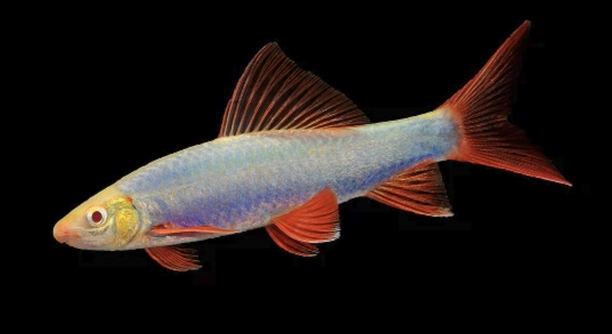
Is your rainbow shark causing trouble in your tank, acting aggressively toward other fish, and making peaceful cohabitation difficult? This behavior can be frustrating, especially when you’re trying to maintain a calm aquarium environment.
Rainbow sharks often display aggression due to territorial instincts, lack of space, or incompatible tank mates. Understanding these triggers and adjusting tank conditions can help reduce confrontational behavior and promote a more balanced and peaceful aquatic environment.
Knowing what causes these behaviors and how to respond can make a big difference in your tank’s overall harmony.
Understand Your Rainbow Shark’s Territorial Needs
Rainbow sharks are naturally territorial and often claim a section of the tank as their own. When other fish enter that space, the shark may become aggressive. This behavior tends to intensify in tanks that are too small or poorly decorated. A minimum tank size of 55 gallons is recommended to give them enough space to roam and feel secure. Decorations like caves, driftwood, and plants help break the line of sight, reducing the chance of confrontation. Avoid placing rainbow sharks with other bottom-dwellers or similar-shaped fish, as this can trigger their defensive instincts. Each tank setup should consider the shark’s personality and allow areas where other fish can retreat. By focusing on territory and spacing, you can lower tension between fish and support a more relaxed tank environment. These adjustments are easy to make and often lead to noticeable improvements in behavior within just a few days.
Give your rainbow shark places to hide and room to swim without interruption. This helps reduce its stress and keeps it from acting out.
Aggression is often a stress response, so managing stress levels through the tank layout is a smart and simple step. When a fish feels secure, it won’t need to defend itself as often. Spread out decorations across the tank so that no one area becomes too important to protect. Don’t crowd the tank with too many fish, and avoid adding others that look like your rainbow shark. These changes may seem basic, but they go a long way in calming your shark. Make sure to observe your tank after any adjustment. A relaxed fish will move more freely and show fewer signs of chasing or guarding. With a few changes to space and hiding areas, your rainbow shark can become much easier to manage.
Choose Compatible Tank Mates
Choose fish that stay out of the rainbow shark’s territory and do not provoke it. Calm, mid-to-top swimmers work best in a shared tank.
Tank mates play a big role in how your rainbow shark behaves. Some fish naturally get along better with rainbow sharks because they don’t compete for space or food. Look for peaceful species that swim in different areas of the tank, like danios, rasboras, or barbs. These fish usually stay away from the bottom of the tank where the rainbow shark prefers to be. Avoid adding other aggressive species or fish with similar body shapes and colors. When selecting tank mates, size matters—choose fish that are not too small to avoid being seen as food, but also not too large to become a threat. Introduce new fish gradually and monitor the tank during the first few days. If you see chasing, fin-nipping, or hiding, the mix may not be ideal. A peaceful tank depends on balance, and careful pairing leads to fewer problems.
Monitor Feeding Time Closely
Aggression often increases during feeding. If your rainbow shark feels it must compete for food, it may chase or nip at other fish. Spread food around the tank to reduce this issue and feed at consistent times.
Feeding should be calm and structured. Use sinking pellets or flakes to ensure your rainbow shark receives food near the bottom, where it prefers to eat. At the same time, provide floating food for top swimmers so they stay in their zone. Feeding small portions two to three times a day can prevent hunger-related aggression. Make sure each fish is eating—if one is getting pushed away or avoiding the area, that’s a sign your tank may need adjustments. Consider using feeding rings or dropping food at both ends of the tank to separate competing fish. With regular observation, you’ll notice what feeding method works best for your setup.
If food aggression continues, try rearranging the tank decor slightly before feeding. This disrupts territorial claims and can distract your rainbow shark just enough to reduce tension. You can also experiment with different foods to find something that satisfies your shark more quickly. Frozen bloodworms or brine shrimp, given occasionally, can help keep your fish more focused and less combative. Monitor how long it takes for all food to be eaten—leftovers can cause extra stress. A cleaner, more structured feeding time will often reduce overall aggression. With practice, feeding time can become predictable and peaceful for all tank mates.
Maintain Stable Water Conditions
Poor water quality can lead to stressed, aggressive fish. Keep pH, ammonia, nitrite, and nitrate levels in check. A stable environment supports better behavior and overall health in your rainbow shark.
Consistency matters when it comes to tank conditions. Rainbow sharks thrive in water with a pH between 6.5 and 7.5, and temperatures around 75–80°F. Use a reliable water testing kit every week and change 20–30% of the water regularly. A good filter is essential, as waste buildup can increase ammonia levels and irritate your fish. Watch for cloudy water, unusual smells, or fish acting sluggish—these are signs something might be off. If your shark becomes more aggressive than usual, test the water first. Even a small change can trigger stress. Adding live plants can also help absorb nitrates and make the tank feel more natural. A clean, balanced tank is often the simplest way to reduce aggression and support calmer behavior.
Limit the Number of Bottom Dwellers
Rainbow sharks are bottom-level swimmers and often react strongly to other fish that share the same space. Avoid adding loaches, catfish, or other sharks. Too many bottom dwellers will increase competition and may lead to frequent chasing or fighting.
Keeping one rainbow shark per tank is best. Adding more can lead to serious aggression and injuries. If the tank feels crowded on the bottom, your shark will become territorial. Spacing out hiding spots and creating clear boundaries between zones can help, but avoiding similar species is the safest option for peace.
Rearrange Tank Decorations Occasionally
Moving rocks, driftwood, and plants from time to time can disrupt established territories. This helps reset your rainbow shark’s claim over the space. A new layout also encourages all fish to explore different parts of the tank, lowering the chance of one fish guarding a specific area too much.
Consider the Age and Size of the Fish
Younger rainbow sharks tend to be less aggressive than fully grown adults. As they mature, their territorial behavior becomes more noticeable. When adding new fish, avoid mixing very small or very large ones with your shark. A similar size match helps prevent bullying or stress for all fish in the tank.
FAQ
Can rainbow sharks live with other sharks?
No, it’s not a good idea to keep multiple rainbow sharks in the same tank. They are highly territorial and don’t tolerate others of their kind. Even in large tanks, rainbow sharks often fight until one fish becomes dominant and the other is injured or stressed. The same applies to similar species like red-tailed sharks and bala sharks. These fish may look different to us, but to a rainbow shark, they’re too close for comfort. To avoid ongoing aggression, stick with one rainbow shark per tank unless you have advanced experience and a very large setup with clear territory divisions.
How big of a tank does a rainbow shark need?
A single rainbow shark needs at least a 55-gallon tank to feel comfortable. Anything smaller can make it more aggressive because there’s not enough space to claim and defend. Bigger tanks give it room to swim and help prevent fights over territory. If you plan to keep more fish with your rainbow shark, you’ll need a larger tank—around 75 gallons or more—so the other fish have enough space to avoid the bottom areas. Crowding the tank will increase stress for everyone. Wide tanks with plenty of plants, hiding spots, and visual barriers make a big difference in behavior.
Why is my rainbow shark suddenly more aggressive?
Sudden aggression is often triggered by stress. This can come from changes in water quality, new tank mates, rearranged decor, or even illness. First, test the water to make sure levels are stable and within the right range. Check for ammonia, nitrites, and pH. If everything looks good, consider if you’ve added a new fish or changed the tank layout recently. Even small changes can make a rainbow shark feel insecure and push it to defend its space more. Sometimes, fish simply grow more dominant as they age. If nothing else has changed, it might be a natural behavioral shift.
What fish make good tank mates for a rainbow shark?
The best tank mates are active, mid-to-top level swimmers that won’t compete for the bottom of the tank. Some good examples are zebra danios, giant danios, barbs, rainbowfish, and gouramis. These fish stay out of the shark’s way and can usually swim fast enough to avoid conflict. Avoid slow-moving or long-finned species like angelfish or bettas, and steer clear of other bottom dwellers. A peaceful setup depends on choosing fish that keep to themselves and don’t resemble your rainbow shark in shape or behavior. Always monitor the tank closely after adding any new fish.
Can decor really help reduce aggression?
Yes, tank decor plays a big role in how your rainbow shark behaves. Adding caves, plants, rocks, and driftwood gives the shark places to explore and hide. It also breaks up sightlines, which means fish don’t see each other constantly. This lowers stress and creates more defined territories. Spread out the decor to avoid clustering it all in one area—this helps keep the shark from claiming just one spot. Changing the layout every so often can also reduce aggression by making the tank feel unfamiliar again, removing strong claims over space. Even simple changes can improve behavior.
What are signs that my rainbow shark is stressed or too aggressive?
Signs of stress include fast swimming, constant hiding, faded color, or a lack of appetite. If your rainbow shark is being too aggressive, you might notice it chasing the same fish repeatedly, guarding a specific area, or flaring its fins often. Injuries on other fish, such as torn fins or missing scales, can also be signs that the shark is acting out. Pay attention to how the fish interacts with others during feeding and rest periods. If it’s constantly on the move or trying to control part of the tank, it may be too stressed or dominant.
Is it possible to completely stop aggression?
You may not be able to stop it entirely, but you can manage and reduce it. Rainbow sharks are naturally territorial, and a small level of dominance is normal. However, with the right tank size, decor, water conditions, and fish combinations, the aggression can be kept low. Observe your tank daily to catch early signs of tension. Minor changes, like adjusting hiding spots or feeding routines, can make a big difference. If aggression becomes dangerous, separating fish might be necessary. Prevention is easier than correction when it comes to rainbow shark behavior.
Final Thoughts
Rainbow sharks can be a beautiful and interesting addition to a freshwater tank, but their behavior needs to be managed carefully. Their territorial nature is part of who they are, not something that can be fully removed. However, that doesn’t mean they can’t live peacefully with other fish. By giving them enough space, choosing the right tank mates, and setting up the tank properly, you can create an environment where aggression is minimal. Simple things like hiding spots, water quality, and feeding routines can go a long way toward keeping your rainbow shark calm. It takes a bit of observation and effort, but it’s worth it for a healthy, balanced tank.
Even small changes can help if your shark is being aggressive. Rearranging decor, offering more space, or feeding in different ways can shift behavior for the better. If things don’t improve right away, be patient and continue adjusting. Each fish has its own personality, and some may take longer to settle down. Don’t be discouraged if you need to experiment with different setups. What works for one tank may not work for another. Keep track of what helps and what doesn’t. Watching how your shark responds to changes will give you a better understanding of what it needs to feel secure.
Creating a peaceful tank is not just about controlling behavior—it’s also about giving your fish the best quality of life. When your rainbow shark is less stressed, it will be more active, show better color, and interact more naturally with its surroundings. That makes the tank more enjoyable to watch and easier to maintain. The effort you put into understanding and responding to your fish’s needs helps prevent problems before they start. Whether you’re new to fishkeeping or have had tanks for years, taking time to observe your fish and make thoughtful changes can lead to a healthier setup for all. With a bit of patience and care, even an aggressive rainbow shark can become a calmer, more manageable part of your aquarium.

Hello,
If you enjoy the content that we create, please consider saying a "Thank You!" by leaving a tip.
Every little bit helps us continue crafting quality advice that supports the health, happiness, and well-being of pets around the world, for pets of all shapes, sizes, and species.
We really appreciate the kindness and support that you show us!