
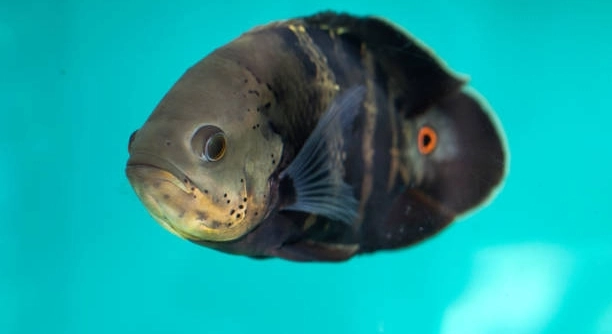
Oscar fish are known for their aggressive nature, which can sometimes lead to challenges in maintaining a peaceful aquarium environment. Understanding how to manage this behavior can help ensure a healthier and more harmonious tank setup.
To handle Oscar fish aggression, providing a spacious tank, proper tank mates, and maintaining consistent water conditions are essential. Regular feeding schedules and offering hiding spots can also reduce territorial behavior and minimize stress.
With these strategies, you can create a more balanced environment where both your fish and your tank thrive. Understanding how aggression can be managed will also improve the overall experience for both you and your Oscar fish.
Provide Enough Space
Oscar fish are large and territorial creatures, so having enough space in their tank is crucial for reducing aggression. A cramped environment can lead to stress and territorial disputes, increasing the likelihood of aggression. A tank of at least 75 gallons is ideal for a single Oscar, with extra space for any other fish.
An overcrowded tank can make Oscars feel threatened, and they may react aggressively to protect their space. Ensuring there’s room for swimming and hiding can keep their stress levels low.
Adding decorations such as rocks and plants can also give your Oscar fish hiding spots. This provides a sense of security, allowing them to retreat when they feel threatened. It’s important to create a setup that simulates their natural environment, with areas to explore but not feel cornered. By giving them enough space, you’ll have a better chance of managing their aggressive behavior and promoting a healthier tank dynamic.
Choose Compatible Tank Mates
Not all fish can live peacefully with Oscars. Some species, especially those that are smaller or slower, may become targets of aggression. Opt for tank mates that can hold their own and won’t provoke your Oscar.
Fish like large catfish, cichlids, or certain types of plecos are generally good companions. These species can tolerate the Oscar’s dominant behavior without being harmed. Avoid small fish, as they may become prey. When introducing new tank mates, monitor their interactions to ensure peaceful coexistence.
Maintain Water Quality
Oscars are sensitive to water quality, and poor conditions can increase stress and aggression. Regular water changes, proper filtration, and monitoring water parameters such as pH and temperature will help maintain a healthy environment for your fish. Keeping water clean can also reduce the likelihood of diseases that may trigger aggressive behavior.
Ammonia, nitrites, and nitrates should always be at safe levels. High levels of these toxins can cause stress, making your Oscar more likely to display territorial aggression. Keep the temperature between 74-81°F (23-27°C), as this range is ideal for Oscars.
Use a high-quality filtration system to maintain water cleanliness. Regularly check the filter and clean it when necessary, as buildup in the filter can lead to poor water quality. A consistent water change schedule—about 25-30% per week—will keep the tank healthy and reduce the chance of aggressive outbursts. Clean water helps Oscars feel more comfortable and less likely to fight.
Feeding Schedule
Establishing a regular feeding schedule is an effective way to keep Oscars calm. Feeding them at the same time each day helps them feel secure and reduces the chances of aggression due to hunger or competition. Consistency also encourages them to eat properly, reducing stress.
Oscars are opportunistic feeders, and they can become aggressive if they feel competition for food. By establishing a regular routine, you prevent them from becoming too eager or territorial during feeding. Providing enough food will ensure they don’t fight for resources.
Overfeeding can be an issue, as Oscars are known to eat too much if food is readily available. Stick to feeding them once or twice a day, offering only what they can consume in a few minutes. Regular feeding will help maintain their health and reduce aggressive behaviors linked to hunger.
Provide Hiding Spots
Adding hiding spots in your tank will help your Oscar feel more secure. This reduces stress and can minimize territorial aggression. You can use rocks, caves, or plants to give your fish places to retreat to when they need space. This helps prevent confrontations with other tank mates.
Having multiple hiding spots in the tank will allow your Oscar to retreat without feeling trapped. It also gives them the option to claim a particular spot as their territory, helping to diffuse potential conflicts. Make sure the hiding spots are large enough to accommodate your Oscar comfortably.
Monitor Tank Behavior
Always observe your Oscar’s behavior after introducing new fish or changing their environment. Watch for signs of aggression, such as chasing, fin nipping, or rapid movements. These behaviors indicate stress or territorial disputes. Immediate action can prevent fights from escalating.
If aggression persists, it’s important to step in and reassess the tank setup. You might need to rearrange decorations or remove overly aggressive tank mates. Keeping a close eye on interactions helps ensure that everyone in the tank is getting along and reducing stress levels for all fish.
Adjust Lighting
Lighting can play a role in Oscar fish behavior. Too much light can stress them out, making them more likely to act aggressively. Aim for moderate, indirect lighting that mimics natural conditions. This will help your fish feel more comfortable and reduce aggression.
Consider using dim lighting, as harsh, direct lights can increase tension in the tank. Light should be used to enhance the natural environment without overexposing your fish to stress. This simple adjustment may help keep their aggression in check and encourage a more peaceful atmosphere.
FAQ
Why is my Oscar fish so aggressive?
Oscar fish are naturally territorial, especially as they mature. This is part of their instinct to protect their space and resources. If they feel crowded, stressed, or threatened, their aggression will be more pronounced. Poor water conditions, lack of space, or unsuitable tank mates can also trigger aggressive behavior.
Aggression is often a result of environmental stress. It can also stem from hunger or the presence of other fish in the tank they perceive as competition. Oscars are intelligent fish and may even become aggressive if they feel their territory or food supply is threatened. By addressing the factors that contribute to their stress, you can reduce their aggression.
How can I tell if my Oscar is stressed?
A stressed Oscar will show signs such as erratic swimming, hiding more often, and displaying aggressive behavior toward other fish. You may also notice changes in their color, as stressed Oscars tend to lose their vibrant hues. In extreme cases, stressed fish may start to lose their appetite or display unusual markings.
Stress can also lead to physical damage, such as fin nipping or a decrease in body size due to lack of food. Pay attention to the overall condition of the tank and any changes in your Oscar’s behavior. If you notice these signs, it’s important to address the issue promptly to prevent further harm.
What are some good tank mates for my Oscar?
While Oscars are often aggressive, they can coexist with certain types of fish. Larger cichlids, such as Severums or Jack Dempseys, can handle Oscar aggression. You can also try tank mates like Plecos, large catfish, or larger species of Tetras that are strong swimmers and won’t be seen as prey.
It’s important to select fish that are not only large enough to defend themselves but also have a similar temperament. Fish that are too small or slow-moving will likely become targets of aggression. Avoid tank mates that are too similar to Oscars in terms of size and behavior to prevent territorial disputes.
Can Oscars live with other Oscars?
Oscars can live with other Oscars, but they often become territorial and may fight, especially if they don’t have enough space. If you decide to house multiple Oscars together, make sure your tank is large enough, ideally over 100 gallons. You should also provide enough hiding spots to reduce stress and aggression.
Introducing Oscars to each other slowly and monitoring their behavior is important. In some cases, keeping them in pairs might work, but this depends on their individual personalities. A larger tank, proper monitoring, and adequate resources can help reduce conflict.
What size tank do I need for an Oscar fish?
For a single Oscar fish, a tank size of at least 75 gallons is recommended. If you plan to keep more than one Oscar, the tank should be even larger—around 100 gallons or more. Oscars are large fish, and they need ample space to swim freely and reduce territorial aggression.
A larger tank will not only provide space for the Oscar to move around but also reduce the likelihood of territorial disputes. In addition, bigger tanks provide better water stability, which is crucial for maintaining optimal conditions for your fish. Keep in mind that the size of your tank directly impacts the health and well-being of your Oscar.
How often should I change the water in my Oscar’s tank?
You should change about 25-30% of the water in your Oscar’s tank each week. Regular water changes help maintain water quality and prevent the build-up of harmful toxins like ammonia and nitrates. Poor water quality can cause stress, making your Oscar more aggressive and prone to illness.
Along with regular water changes, be sure to clean the filter to ensure proper filtration. This will help keep the water clean and oxygenated, which is essential for the health of your Oscar. Keeping the water fresh will also minimize the risk of disease and help reduce aggressive behavior caused by environmental stress.
What should I feed my Oscar to reduce aggression?
Feeding your Oscar a balanced diet can help reduce aggression, as hunger and competition for food can make them more territorial. Offer a variety of foods, including pellets, frozen or live fish, and even vegetables like peas and zucchini. A well-fed Oscar is less likely to act aggressively toward other fish.
Make sure to feed your Oscar in a quiet, calm area of the tank, and avoid overfeeding. Excess food can lead to water quality issues and may contribute to stress. Establish a feeding routine, providing food at the same time each day, to help your Oscar feel more secure and less likely to become aggressive.
How can I reduce aggression in my Oscar tank?
To reduce aggression in your Oscar tank, ensure there’s plenty of space, hiding spots, and suitable tank mates. Make sure your Oscar feels secure with a well-maintained, clean tank and regular feeding schedules. You should also avoid overcrowding, as this can lead to territorial behavior.
Rearranging decorations or adding new items can also help distract your Oscar and reduce their focus on aggressive tendencies. Regular monitoring and quick intervention when aggression is noticed can prevent long-term issues. If aggression continues, consider separating particularly aggressive fish to prevent harm to others.
Final Thoughts
Handling Oscar fish aggression takes patience, observation, and an understanding of their needs. These fish are naturally territorial and can show aggressive behavior, but it’s possible to manage this aggression with the right environment. Providing ample space, hiding spots, and compatible tank mates are essential to creating a peaceful tank. Water quality plays a significant role in their overall behavior, so regular maintenance is crucial for both the fish’s health and their temperament. Stress from poor conditions can escalate aggressive actions, so keeping the tank clean and ensuring it mimics a natural habitat will make a difference.
It’s important to remember that each Oscar fish has its own personality. While some may be more aggressive, others may be relatively calm. This means that some trial and error may be involved when setting up a tank. Observe your fish carefully, and be ready to adjust the environment if necessary. It could mean rearranging tank decorations, adjusting the lighting, or changing tank mates. By staying proactive and mindful, you can find a balance that works for your Oscar, allowing them to feel secure and reducing the likelihood of aggressive outbursts.
Managing Oscar fish aggression isn’t about eliminating it entirely, as their territorial nature is part of who they are. Instead, it’s about minimizing the negative effects of this behavior and creating a healthy, balanced environment. By following the tips provided, you’ll be on the right track toward creating a tank that not only reduces aggression but also promotes a thriving, vibrant community for your Oscar fish and their companions. With the right care and attention, you can enjoy your Oscar’s unique personality while minimizing any negative behaviors that come with it.

Hello,
If you enjoy the content that we create, please consider saying a "Thank You!" by leaving a tip.
Every little bit helps us continue crafting quality advice that supports the health, happiness, and well-being of pets around the world, for pets of all shapes, sizes, and species.
We really appreciate the kindness and support that you show us!