
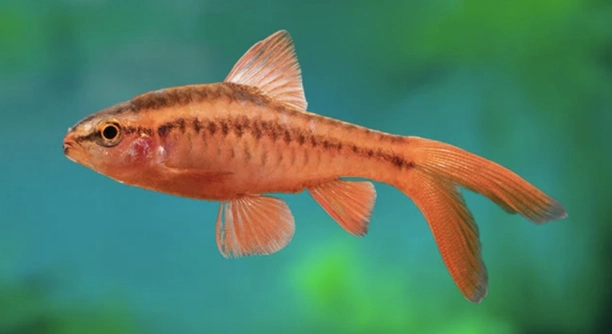
Cherry Barbs are a popular choice for aquarium enthusiasts, but sometimes they can become aggressive toward tank mates. Handling these tank bullies can be tricky, but with a few strategies, you can maintain harmony in your aquarium.
One effective way to manage aggressive Cherry Barbs is by adjusting their environment. Providing ample hiding spots and increasing tank size can reduce territorial behavior. Additionally, maintaining a proper balance of fish can ease competition and encourage peaceful cohabitation.
Understanding these strategies will help you create a peaceful environment for all your fish, ensuring everyone thrives. Keep reading to discover more tips on managing your Cherry Barb tank.
1. Create a Peaceful Tank Setup
Aggressive Cherry Barbs often act out when they feel stressed or crowded. The first step in managing their behavior is to ensure they have enough space. A larger tank allows them to establish their own territory and reduce tension. Adding plenty of plants, rocks, and decorations provides hiding spots for other fish, which can also help prevent aggression. The tank’s layout can play a major role in how your Cherry Barbs interact with their tank mates.
Increasing the tank size to 30 gallons or more is a good starting point for keeping Cherry Barbs with other species. A spacious setup lets the fish spread out, making territorial disputes less common. Be sure to add plants like Java moss or Amazon sword plants that can act as hiding spots. The more places for your fish to retreat, the less they’ll bother each other. A well-designed tank encourages peaceful coexistence.
Maintaining water quality is essential to prevent stress and aggression. Regular water changes and proper filtration can help your fish feel more comfortable. Make sure the temperature and pH levels are appropriate for all your tank inhabitants. Cherry Barbs thrive in slightly acidic to neutral water (pH 6.5 to 7.5). Keeping the environment stable and clean will ensure your tank is a more harmonious place.
2. Use Tank Mates Wisely
Choosing the right tank mates for your Cherry Barbs can make a significant difference in their behavior. Some species are more peaceful and can coexist with Cherry Barbs without causing issues. Avoid adding overly aggressive or large fish that might provoke them.
Small, peaceful species like tetras, rasboras, and corydoras are great companions. These fish share similar care requirements and are less likely to disrupt the Cherry Barbs’ space. However, make sure to keep a balanced fish population. Overcrowding can lead to competition for food and territory, increasing stress. Adding too many small fish might not solve aggression; instead, it could worsen it.
By carefully selecting compatible tank mates and keeping the fish population balanced, you can reduce the chances of aggression. A well-matched group will make your Cherry Barbs feel more secure, ultimately leading to fewer bullying behaviors. Remember that not all fish species get along, so it’s crucial to research before mixing different species.
3. Maintain Proper Feeding Habits
Feeding your Cherry Barbs properly is essential to reducing aggression. Overfeeding can lead to competition for food, which can trigger territorial disputes. Offering smaller, more frequent meals ensures every fish gets its share and helps keep aggression at bay. Keep food portions in check to prevent waste and keep the tank clean.
Offering a variety of foods can also prevent food-related aggression. Feed your Cherry Barbs a mix of flakes, pellets, and live or frozen foods. This provides nutritional variety and keeps all tank members satisfied. Ensure that all the fish get enough food without having to fight for it. A balanced diet also promotes their overall health, reducing stress levels.
By avoiding overfeeding, providing food variety, and ensuring everyone gets their share, you can reduce aggression significantly. Regular feeding routines will also help your Cherry Barbs feel more secure in their tank, reducing the urge to act out. Keeping their bellies full and satisfied can make a big difference.
4. Separate Aggressive Individuals
If one of your Cherry Barbs becomes particularly aggressive, isolating them might be necessary. Aggressive behavior often comes from stress, but in some cases, a single fish might cause unnecessary tension. Separating the bully temporarily can allow the other fish to relax and regain their sense of security.
Sometimes, keeping the aggressive fish in a separate tank or quarantine area for a few days can help calm them down. Once the fish is less stressed, you can reintroduce it carefully to the main tank. Keep an eye on its behavior to ensure it doesn’t revert to bullying other tank mates.
If the aggression continues, consider finding a new home for the aggressive fish. In some cases, despite your best efforts, certain fish simply don’t get along. Choosing not to add them back into the tank could be the best option for everyone’s well-being.
5. Introduce More Cherry Barbs
Introducing more Cherry Barbs to your tank can help spread out aggression. They are social fish, and having a group of at least six or more can reduce bullying. When in a larger group, they tend to focus on their schoolmates, rather than acting aggressively toward other species.
By adding more Cherry Barbs, you also help establish a natural hierarchy. This way, no single fish becomes dominant, as the aggression is distributed across multiple individuals. This can help keep the peace and prevent one fish from becoming overly territorial. A bigger group generally reduces stress.
6. Provide Plenty of Hiding Spots
Cherry Barbs can become stressed and aggressive when they feel exposed. Adding hiding spots in your tank, such as caves or thick plants, will provide them with safe areas to retreat. These hiding spots give your fish the option to avoid conflict and feel secure.
When setting up your tank, consider adding dense plants like Java fern or floating plants to offer cover for all fish. Hiding spots can also reduce overall stress levels, which in turn can lessen bullying. A well-planted tank provides both beauty and comfort, making the fish feel more at ease.
FAQ
1. Why are my Cherry Barbs being aggressive?
Aggression in Cherry Barbs can stem from a few different sources. Stress is often the main culprit, which can be caused by overcrowding, lack of hiding spots, or poor water quality. Cherry Barbs are territorial fish, and if they feel their space is being invaded, they might act aggressively. If there are not enough hiding spots or plants, they may feel exposed and become more defensive. Additionally, male Cherry Barbs can become territorial, especially during breeding season, which can lead to bullying. Ensuring the tank is large enough, adding plenty of hiding places, and maintaining water quality are all essential steps in reducing aggression.
2. How many Cherry Barbs should I keep together?
Cherry Barbs are social fish that thrive in groups. Ideally, you should keep at least six or more together. When kept in smaller groups, the fish tend to be more stressed, and this can lead to increased aggression. A larger group helps them feel secure and more comfortable. When in a school, aggression is often spread out among the fish, preventing one from becoming overly dominant. This creates a more peaceful environment for everyone in the tank.
3. Can I mix Cherry Barbs with other fish?
Yes, you can mix Cherry Barbs with other fish, but it’s important to choose peaceful species that won’t provoke them. Small, calm fish like tetras, rasboras, or corydoras are good tank mates. Avoid larger or aggressive fish, as they can stress out Cherry Barbs and might increase aggression. It’s also a good idea to ensure all fish have enough space to swim and hide. Make sure the tank is spacious enough for everyone and has plenty of plants and decorations to break up territories.
4. What can I do if a single Cherry Barb is bullying the others?
If a single Cherry Barb is bullying the others, separating it temporarily can help calm things down. A quarantine tank or separate area within the main tank will give the bullied fish a chance to recover. After a few days, you can reintroduce the bully into the main tank. If the aggression continues, it might be best to consider rehoming the aggressive fish. Some fish just don’t get along, and it’s better to remove the problem fish to maintain a peaceful environment for everyone.
5. How can I tell if my Cherry Barbs are stressed?
Stressed Cherry Barbs often show changes in behavior. They may become more aggressive, hiding more frequently, or swimming erratically. Stress can also cause loss of color and reduced activity. If your Cherry Barbs are staying near the surface or at the bottom of the tank, it could be a sign that they are feeling uncomfortable. Monitoring water parameters and ensuring a peaceful environment can help reduce stress. Stress can also make them more susceptible to disease, so keeping an eye out for any other signs of illness is important.
6. What is the ideal tank size for Cherry Barbs?
For Cherry Barbs, a tank size of at least 30 gallons is ideal, especially if you plan to keep a group of six or more. This gives them plenty of space to swim around and reduces territorial disputes. A larger tank also allows you to add other peaceful species without overcrowding. The more space you can provide, the better your Cherry Barbs will feel. A spacious environment also helps maintain good water quality, which is essential for their health and well-being.
7. How can I keep my tank peaceful with Cherry Barbs?
To maintain a peaceful tank with Cherry Barbs, create a balanced environment. Provide plenty of hiding spots using plants and decorations, and avoid overcrowding. Make sure to maintain good water quality and keep the tank well-maintained. Introduce peaceful tank mates that won’t stress your Cherry Barbs. Regular feeding routines and avoiding overfeeding will also reduce competition and aggression. Lastly, keeping the water temperature and pH at optimal levels for all the tank’s inhabitants will help maintain a peaceful atmosphere.
8. Can I keep Cherry Barbs with aggressive fish?
Cherry Barbs are generally not suited to tanks with aggressive fish. They can become stressed or intimidated by more dominant species, leading to bullying or health issues. Aggressive fish, such as cichlids or larger predatory species, should be avoided as tank mates for Cherry Barbs. Stick with peaceful species that are similar in size and temperament for the best results. If you do wish to add more active fish, make sure the tank has enough space for everyone to avoid territorial conflicts.
9. How often should I feed my Cherry Barbs?
Feeding your Cherry Barbs two to three times a day in small portions is typically ideal. Overfeeding can lead to stress, competition, and poor water quality, so it’s best to feed them only as much as they can consume in a few minutes. You can feed them a mix of high-quality flake food, pellets, and occasional live or frozen treats like brine shrimp. This provides a varied diet and ensures your Cherry Barbs get all the nutrients they need.
10. What water conditions do Cherry Barbs need?
Cherry Barbs thrive in slightly acidic to neutral water, with a pH range of 6.5 to 7.5. The water temperature should be kept between 72°F to 79°F (22°C to 26°C). Regular water changes are essential to maintain good water quality and reduce toxins that could stress the fish. Proper filtration will also help maintain a clean and stable environment. Make sure to check the ammonia, nitrite, and nitrate levels regularly, as poor water quality is one of the main causes of stress and aggression in aquarium fish.
Final Thoughts
Handling aggressive Cherry Barbs in your tank can be challenging, but with the right strategies, you can create a peaceful environment for all your fish. The key to reducing bullying behavior is ensuring that your Cherry Barbs feel secure in their space. Providing enough room to swim, adding plenty of plants or hiding spots, and maintaining good water quality are essential steps in creating a stress-free environment. When the fish feel safe and comfortable, they are less likely to display aggression towards each other or other tank mates.
Choosing the right tank mates is also crucial for minimizing aggression. Cherry Barbs are peaceful fish, but they may become territorial or stressed if placed with more dominant species. By selecting calm, small fish that share similar care requirements, you help create a more harmonious tank. Avoid overcrowding, as it can increase competition for space and food, leading to higher stress levels and more frequent conflicts. A balanced and peaceful community tank is not only better for the health of your Cherry Barbs but for all the inhabitants.
Lastly, regular monitoring and adjustments are key to keeping your tank peaceful. If aggression continues, consider isolating aggressive fish temporarily to allow them to calm down, or even rehoming them if necessary. Over time, you’ll get to know your fish better and learn how to prevent issues before they arise. With patience and attention to detail, you can manage Cherry Barb bullies and ensure a thriving, peaceful aquarium where all the fish get along.

Hello,
If you enjoy the content that we create, please consider saying a "Thank You!" by leaving a tip.
Every little bit helps us continue crafting quality advice that supports the health, happiness, and well-being of pets around the world, for pets of all shapes, sizes, and species.
We really appreciate the kindness and support that you show us!