
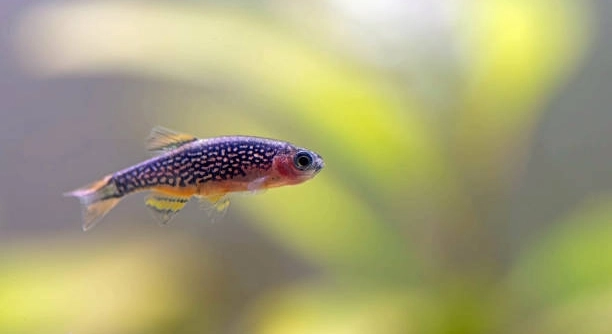
Do your peaceful Danios seem stressed by a more aggressive tankmate? Aggression in community tanks can create tension and disrupt the harmony you have carefully built for your aquatic environment. Addressing it early is key.
Handling an aggressive tankmate near Danios involves several strategies, including rearranging tank décor to reduce territorial disputes, monitoring water quality to minimize stress, selectively feeding to prevent competition, and considering temporary or permanent separation to ensure the safety and well-being of all fish.
Managing aggression in your tank requires careful observation and thoughtful intervention to maintain a balanced and healthy environment for your Danios and other species.
Understanding Aggression in Community Tanks
Aggression in community tanks often stems from territory, hierarchy, or stress. Some fish naturally assert dominance, and even peaceful species like Danios can become targets. Observing interactions carefully can help you identify patterns and triggers. Rearranging decorations or adding hiding spots often reduces confrontations. Water quality also plays a role; poor conditions can heighten stress, making fish more prone to aggressive behaviors. Consistent feeding routines and monitoring the tank population are essential. Overcrowding increases tension, while under-stimulated fish may act out. Recognizing early signs, like chasing, nipping, or hiding, allows you to act before injuries occur. Each tank is unique, so adjustments should be gradual, monitoring for changes in behavior and health. Recording observations can help track improvements and identify ongoing issues. Understanding the source of aggression empowers you to create a more stable and peaceful environment, reducing stress for Danios and all other tank inhabitants while supporting their long-term well-being.
Aggression usually has clear triggers, and managing these triggers is key to maintaining harmony in the tank environment. Observation is crucial.
By paying attention to behavior and environment, you can prevent many aggressive incidents before they escalate. Adjusting decorations, feeding patterns, and population density creates a calmer tank. Small changes, like adding plants or shelters, can redirect energy and reduce stress. Regular water testing ensures conditions do not exacerbate conflicts. It is important to keep interventions consistent and gentle. Even subtle shifts in behavior, such as darting or tail nipping, can indicate growing tension. Early action protects your fish and maintains a healthy ecosystem. Providing spaces for Danios to explore while minimizing direct conflict zones encourages natural, calm interactions. Each adjustment should be evaluated over several days, allowing fish to acclimate. Over time, these strategies often result in reduced aggression and a more harmonious tank environment. Keeping notes and monitoring closely ensures that your approach addresses the specific needs of your fish and the overall tank balance.
Practical Steps to Reduce Aggression
Adding plants, decorations, or dividers can create territories and reduce direct confrontations. Hiding spots give Danios space to escape aggression.
Feeding strategies, like offering food in multiple locations, help prevent competition and fighting. Ensuring all fish receive sufficient nutrition decreases stress-driven aggression. Observing tankmates during feeding times reveals whether adjustments are working or further intervention is needed. Temporary separation of overly aggressive fish can be necessary. Introducing slow-moving or less competitive species can sometimes reduce tension, as they do not provoke fast, dominant behavior. Maintaining stable water conditions and consistent lighting schedules also promotes calm interactions. Avoid sudden changes, which can increase stress and trigger aggressive behavior. Over time, these measures create a more predictable environment where Danios can swim freely without constant harassment. Adjusting tank layout periodically keeps dominant fish from establishing unchallenged territories. Pairing these practical strategies with careful monitoring ensures long-term tank harmony. The combination of environmental management, careful observation, and selective intervention creates a sustainable, balanced ecosystem for your Danios and other aquatic residents.
Rearranging Tank Layout
Changing the tank layout can reduce territorial aggression. Move decorations, plants, and rocks to break up established territories and give Danios areas to escape. Even small adjustments can disrupt dominance and lower stress levels.
Repositioning plants and adding new hiding spots encourages movement and exploration while reducing direct confrontations. Aggressive fish often establish territories around key features like caves or large decorations. By relocating these objects, you prevent a single fish from claiming an entire section, which can calm the tank dynamic. Using tall plants, floating covers, and driftwood creates vertical and horizontal boundaries, giving Danios space to swim safely. Observing reactions after changes helps ensure that the adjustments are effective. Over time, strategic rearrangement can significantly reduce aggressive encounters and support peaceful coexistence among all fish.
Temporary barriers or dividers can also help during periods of high tension. Transparent partitions allow fish to see each other without direct contact, giving Danios a chance to regain confidence and reduce stress. Combining barriers with rearranged decorations often produces the best results. Careful observation during this period is essential to ensure that dominant fish do not find new ways to assert control. Regularly adjusting hiding spots or rearranging décor can maintain long-term stability.
Feeding Strategies to Minimize Conflict
Feeding in multiple locations prevents competition and reduces chasing or nipping during mealtime. Spread food evenly to ensure all fish eat comfortably without confrontation.
Offering small, frequent feedings instead of one large portion decreases aggression. When food is limited or centralized, dominant fish may chase others, causing stress and injury. Using feeding rings or floating pellets in different corners allows Danios to eat safely while promoting natural foraging behavior. Rotating types of food, such as flakes, frozen, or live options, also keeps fish engaged and reduces boredom-induced aggression. Monitoring which fish are eating ensures that all receive proper nutrition and that no individual is bullied away from meals. Over time, consistent feeding practices create a calmer and more balanced tank environment for everyone.
Strategic feeding can also reinforce positive behavior. Observing how fish interact during mealtime helps identify patterns of aggression and allows timely adjustments. For instance, increasing food quantity or spreading it across multiple zones can prevent dominant fish from monopolizing resources. Adjusting feeding times or techniques, such as using slow-sinking pellets for bottom dwellers, ensures all fish benefit. Combining this approach with tank layout adjustments and environmental enrichment supports overall harmony. Proper feeding routines reduce stress, maintain health, and promote natural behavior, which in turn limits aggressive incidents, providing a more peaceful habitat for Danios and other species.
Monitoring Water Quality
Regular water testing prevents stress-related aggression. High ammonia, nitrite, or nitrate levels can make fish irritable and trigger fights. Maintaining clean water is essential for calm tank dynamics.
Consistent partial water changes help stabilize conditions. Even small improvements in water quality reduce tension and support the overall health of Danios and their tankmates.
Selective Separation
Separating aggressive fish temporarily protects Danios and allows the tank to regain balance. Use a divider or quarantine tank to isolate the aggressive individual.
Adjusting Stocking Levels
Overcrowding increases competition and stress, making aggression more likely. Ensuring the tank has a suitable number of fish reduces conflict and promotes a peaceful environment.
Introducing Calmer Species
Adding less aggressive, slow-moving fish can help balance tank interactions. Calmer species are less likely to provoke fights and create a more stable community.
FAQ
How can I tell if my Danios are stressed by a tankmate?
Signs of stress include hiding, erratic swimming, nipped fins, or loss of color. Danios normally swim in groups calmly, so sudden aggression from a tankmate often disrupts their usual behavior. Observing these patterns early allows you to act before injuries occur.
What is the best way to separate an aggressive fish?
A temporary divider or quarantine tank works well. Ensure the aggressive fish can see others but cannot make direct contact. This reduces stress for both sides and allows the Danios to resume normal swimming patterns while the aggressive fish cools down.
Will rearranging decorations really help reduce aggression?
Yes. Moving plants, rocks, or caves can break up territories established by dominant fish. Providing multiple hiding spots allows Danios to escape without confrontation, reducing stress. Regularly updating the layout prevents a single fish from claiming an entire area.
How often should I feed my tank to minimize fighting?
Feeding small amounts multiple times a day works best. Spread food across several locations so all fish can eat without competition. Rotating between flakes, pellets, and occasional live food keeps fish engaged and reduces boredom-induced aggression.
Is water quality important in controlling aggression?
Absolutely. High ammonia, nitrites, or nitrates can irritate fish and increase aggressive behavior. Regular water testing and partial water changes keep conditions stable and reduce stress, supporting calm interactions among Danios and other tankmates.
Can adding calmer species help manage aggression?
Yes. Introducing slow-moving, peaceful species often balances the tank dynamic. These fish do not provoke fast, dominant behavior, which can reduce overall tension and allow Danios to swim safely without constant harassment.
What should I do if aggression persists despite all changes?
Permanent separation may be necessary. Aggressive fish may need to be moved to a different tank to protect Danios. Sometimes, selecting alternative species combinations is the most practical solution for a peaceful community tank.
How do I know if tank size affects aggression?
Smaller tanks often increase conflict due to limited space. Ensuring enough room for all fish to swim and establish territories helps prevent fights. Overstocking should be avoided to maintain a balanced, low-stress environment.
Are there signs that an aggressive fish is adjusting?
Yes. Reduced chasing, less fin nipping, and calmer interactions indicate the fish is adapting. Observing behavior over several days after changes in layout, feeding, or separation is essential to ensure improvements are lasting.
Can enrichment help reduce aggressive behavior?
Adding plants, tunnels, or decorations encourages exploration and gives Danios safe areas. Environmental enrichment occupies fish, redirects energy, and reduces the likelihood of territorial aggression, helping create a more peaceful and healthy community tank.
How long does it take to see improvement after making changes?
Improvement can take a few days to a couple of weeks. Consistency in water quality, feeding routines, and tank layout is key. Observing gradual changes in behavior confirms that interventions are effective.
Is aggression more common with certain fish species?
Yes. Some species are naturally territorial or fast-moving, which can trigger conflicts. Understanding the temperament of all tankmates before introducing them reduces aggression risks and ensures Danios remain safe.
How can I track the effectiveness of my interventions?
Keep a simple log of feeding behavior, swimming patterns, and incidents of aggression. Note any changes after adjusting layout, feeding, or separation. Tracking patterns helps identify what works and allows timely corrections if aggression returns.
Do dominant fish always need to be removed?
Not always. Many interventions, such as layout changes, feeding adjustments, or temporary separation, often reduce dominance-related aggression. Removal is a last resort if behavior continues to threaten Danios’ safety and well-being.
Can aggression flare up unexpectedly?
Yes. Stress, illness, or environmental changes can trigger aggression even in previously calm fish. Maintaining stable conditions and monitoring interactions regularly helps prevent sudden conflicts.
Is it better to add hiding spaces or dividers first?
Adding hiding spaces is usually the first step, as it allows natural avoidance and reduces stress. Dividers are more intrusive and are typically used if aggression remains after environmental adjustments.
How do I choose appropriate hiding spots for Danios?
Select tall plants, caves, or driftwood that provide vertical and horizontal shelter. Ensure spaces are spread throughout the tank so all fish can access refuge without creating new territorial hotspots.
Will temporary separation affect social behavior in Danios?
Short-term separation rarely impacts social behavior. Danios quickly readjust once the aggressive fish is removed or isolated, resuming normal schooling and swimming patterns, especially when environmental conditions remain stable.
Is it necessary to change the tank’s lighting or schedule?
Consistent lighting and routine minimize stress. Sudden changes in light or schedule can trigger irritability and aggression. A stable day-night cycle supports calm interactions and predictable behavior for Danios and tankmates.
Can I use medication to reduce aggression?
Medication is rarely necessary and should only address illness, not behavior. Stress management, environment, and diet are more effective in controlling aggression without risking the health of Danios or other fish.
Managing aggression in a tank with Danios requires attention to both the behavior of individual fish and the overall environment. Aggressive tankmates can stress Danios, reduce their activity, and even lead to injuries. The first step is always observation. Watching how fish interact throughout the day helps identify which individuals are causing tension and under what circumstances. Sometimes aggression is triggered by competition for food, while other times it comes from territorial instincts. Understanding the root cause allows for more targeted solutions. Changes do not need to be drastic. Even small adjustments, like rearranging plants or adding extra hiding spaces, can create new territories and give Danios room to escape. A well-structured tank with clear boundaries often reduces conflicts naturally.
Water quality and feeding routines are also central to maintaining a peaceful tank. Poor water conditions increase stress, which in turn can make aggression worse. Regular testing and partial water changes help ensure ammonia, nitrite, and nitrate levels remain safe. Feeding practices also influence behavior. Offering food in multiple locations and in small, frequent portions reduces competition and minimizes chasing or nipping. Observing which fish get the most access to food and making adjustments ensures all Danios are eating properly and prevents dominant individuals from monopolizing resources. Consistency is key. Maintaining stable water conditions and predictable feeding routines supports calmer interactions and allows fish to feel secure in their environment.
Sometimes, even after environmental adjustments and careful feeding strategies, aggression persists. In these cases, temporary or permanent separation of aggressive individuals may be necessary to protect the well-being of Danios. Dividers, quarantine tanks, or selecting less aggressive tankmates can restore balance. Additionally, adding peaceful or slow-moving species can sometimes reduce overall tension, as these fish are less likely to provoke conflict. Over time, careful monitoring and ongoing adjustments help maintain a harmonious tank. By addressing aggression with both practical interventions and thoughtful observation, you create a safer and more enjoyable environment for all your fish, allowing Danios to thrive in a community tank without constant stress.

Hello,
If you enjoy the content that we create, please consider saying a "Thank You!" by leaving a tip.
Every little bit helps us continue crafting quality advice that supports the health, happiness, and well-being of pets around the world, for pets of all shapes, sizes, and species.
We really appreciate the kindness and support that you show us!