
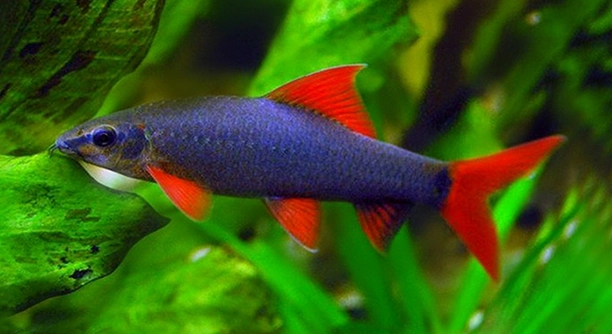
Do you ever find yourself worrying that your rainbow shark seems lonely and withdrawn, spending too much time hiding or chasing other fish?
A lonely rainbow shark often becomes territorial or stressed due to a lack of proper environment, stimulation, or compatible tankmates. Providing the right tank setup, visual barriers, and interaction helps improve their overall well-being and behavior.
Creating a more balanced tank environment starts with understanding their needs. These small changes can make a big difference in how your rainbow shark feels and acts.
Create a Peaceful Tank Layout
Rainbow sharks like having their own space. If your tank is too open, your shark may feel exposed or stressed. Try adding caves, driftwood, or plants to break up the space and give your shark places to explore or hide. These visual barriers help create separate zones, making it easier for your shark to feel secure. Avoid overcrowding the tank with decorations, but do provide a few solid hiding spots. Choose natural colors and textures to match the shark’s preferences. Rearranging decor from time to time can also stimulate interest and reduce boredom, helping your shark stay active. When a rainbow shark has a safe and quiet space to retreat, it’s more likely to behave calmly. A tank that feels safe and well-organized goes a long way in helping your shark handle loneliness without turning aggressive or withdrawn. The more stable and peaceful the space, the better they will feel.
A plain tank with no hiding spots can increase stress and isolation. Just a few adjustments can improve your shark’s daily routine.
Focus on smooth rocks, ceramic caves, or PVC pipes to create a cozy hideaway. You don’t need to overdo it. A simple layout that separates the space into zones will give your shark a sense of control and comfort. Make sure the tank lighting is soft and not too bright, as harsh light can cause added stress.
Add Calm, Compatible Tankmates
Some rainbow sharks may benefit from having the right kind of tankmates nearby. Just make sure they’re not too similar in shape or color.
Tankmates should be peaceful, fast enough to avoid conflict, and live in different areas of the tank. Bottom-dwellers like corydoras or loaches can work if your tank is large enough. Mid-level swimmers like barbs or danios may also be a good match. Avoid adding other semi-aggressive fish or fish that look like sharks, as this can trigger territorial behavior. Start with young, active fish that aren’t too flashy or slow. Observe them closely in the first few days to see how your rainbow shark reacts. Sometimes, having other fish around can ease stress and give your shark something else to focus on. Be sure to monitor their behavior daily, especially during feeding times, to make sure everyone is getting along. If you notice increased aggression, you may need to adjust your setup or remove certain fish.
Maintain a Consistent Feeding Routine
A consistent feeding routine helps your rainbow shark feel more secure. Sudden changes in feeding time or type of food can add stress, especially if the shark is already feeling isolated. Stick to the same time each day using high-quality sinking pellets.
Rainbow sharks are bottom-feeders, so using food that sinks quickly prevents surface fish from eating it all. You can add variety with occasional treats like blanched zucchini or bloodworms, but avoid overfeeding. Uneaten food can rot and impact water quality, which can lead to health issues. A regular schedule lets your shark know when to expect food, which creates a sense of order in their environment. This small step can reduce restlessness and aggression, especially during times when they may feel more on edge. Feeding them calmly, without sudden tank movement, also helps build a more relaxed atmosphere in the tank.
Feeding can also be a good time to observe your shark’s behavior. If they stay hidden, eat less, or act aggressively toward tankmates during meals, they may still be stressed. Try dimming the lights slightly during feeding or feeding the other fish first to lower pressure. Sometimes, feeding in two spots also helps prevent competition and keeps your shark from chasing others away.
Improve Water Conditions and Tank Size
Rainbow sharks need clean, stable water to thrive. Poor water quality can lead to mood changes and make loneliness worse. Keep ammonia and nitrite at zero and nitrates low. Test the water weekly and do regular water changes to maintain balance.
A cramped tank can make your shark feel trapped or defensive, especially if they don’t have enough space to swim freely. Rainbow sharks need at least 50 gallons of space, ideally more if there are other fish. A long tank is better than a tall one, as they prefer horizontal swimming room. Add a gentle current to keep oxygen levels up and avoid still areas. Make sure your filter is strong enough for the tank’s size, but not so strong that it causes stressful water flow. Stable temperatures between 75–80°F, a pH between 6.5–7.5, and good oxygen levels all support a calm and healthy shark. Clean water and the right tank size are essential in helping your shark feel less alone and more at ease.
Limit Disruptions in Their Space
Rainbow sharks can become stressed by frequent changes or loud activity near their tank. Avoid tapping on the glass or constantly rearranging decor. A calm space helps them feel more secure and less likely to act out from stress.
Try to keep the tank in a quiet area of your home. Too much foot traffic, flashing lights, or sudden movement can make your shark feel uneasy. A peaceful location helps them settle into a regular routine and reduces signs of loneliness.
Offer Mental Stimulation
Rainbow sharks may seem solitary, but they still benefit from stimulation. You can add interest by rotating decorations every few weeks or placing a mirror outside the tank for a short time (just a few minutes). This keeps their mind engaged without overwhelming them. Some people also use floating toys or place the tank near a window with indirect light and mild movement. Just avoid constant change. Keeping things simple, while still offering variety, gives your shark a chance to explore new things without being stressed. Boredom often makes loneliness worse, so even small changes can make a difference in your shark’s behavior and mood.
Observe Daily for Mood Changes
Watch for hiding, lack of appetite, or increased aggression. These can be signs that your shark is feeling lonely or unwell. Noticing small changes early helps you adjust their care before problems get worse.
FAQ
Can rainbow sharks live alone?
Yes, rainbow sharks can live alone and often prefer it. They are territorial by nature, especially as they mature. Keeping just one rainbow shark in a tank is usually the safest choice to prevent fighting or stress. When housed alone in a properly sized tank with enough hiding spots and stimulation, they can live healthy, full lives. While they may show signs of loneliness if their environment lacks activity or structure, it doesn’t mean they need another rainbow shark. They respond better to calm surroundings than to constant social interaction.
Do rainbow sharks get lonely without other fish?
They can become restless or stressed if their environment is too empty or dull, but it’s not the same as loneliness in social fish. Rainbow sharks are semi-aggressive and do not crave companionship the way schooling fish do. However, a tank with no visual stimulation, hiding areas, or activity may affect their mood and behavior. Keeping peaceful, active tankmates—if the tank is large enough—can help create a more balanced atmosphere. Just be sure these fish don’t compete for space or food.
What tankmates are safest for rainbow sharks?
The safest tankmates are fast-moving, peaceful fish that do not resemble sharks. Good choices include barbs, danios, or some types of tetras. Bottom-dwellers like corydoras or certain loaches can also work in large tanks with plenty of hiding spots. Avoid slow, long-finned fish or other territorial species. It’s best to introduce tankmates when the rainbow shark is still young, as adult sharks tend to be more territorial. Always monitor their interactions and be ready to make changes if aggression starts to build.
How do I know if my rainbow shark is stressed or lonely?
Signs of stress or possible loneliness include hiding for long periods, refusing food, sudden aggression, or constant pacing along the glass. While these behaviors don’t always mean the shark is lonely, they do suggest discomfort with their environment. Check the water conditions, feeding routine, and tank setup. Sometimes small changes—like adding a plant or rearranging decor—can improve their behavior. If you’ve recently added or removed tankmates, that could also cause temporary stress.
Can I add another rainbow shark to keep it company?
It’s not recommended to keep two rainbow sharks in the same tank unless the aquarium is extremely large—usually over 100 gallons—and has lots of hiding places and divided zones. Even then, there’s no guarantee they’ll tolerate each other. They’re highly territorial, especially with their own species. Fights can be serious and lead to injuries or constant stress. Most aquarists find it’s easier and safer to keep just one rainbow shark per tank.
What helps improve a rainbow shark’s mood?
A well-decorated tank with hiding spots, soft lighting, and a calm location in your home helps reduce stress. A steady feeding schedule, clean water, and occasional changes in decor can also support their mental stimulation. While they don’t need companions, having peaceful tankmates and a tank that mimics their natural habitat can help. Avoid loud noises, sudden tank changes, or overcrowding.
Is it okay to move decorations often to entertain them?
It’s better to change things occasionally rather than often. Rainbow sharks like consistency and may react poorly to frequent rearrangements. Try changing one item every couple of weeks instead of doing a full overhaul. This provides gentle stimulation without creating stress. Always observe how your shark reacts to changes. If they become more active or seem curious, it’s usually a good sign. If they hide more or act nervous, give them time to adjust.
Final Thoughts
Rainbow sharks can be a beautiful and interesting addition to a home aquarium, but they do need special care. While they are often sold as beginner fish, they are not the easiest to keep happy without the right setup. These fish are territorial and do not always enjoy being around other fish. This doesn’t mean they should be left in a dull or empty tank. A well-designed tank with enough space, hiding spots, and soft lighting can help them feel more at ease. When their environment is peaceful and consistent, they are more likely to stay active and healthy. A lonely rainbow shark may not need another fish, but it does need the right attention and structure to feel secure.
You don’t have to make big or expensive changes to support a rainbow shark’s well-being. Small steps like keeping a steady feeding schedule, checking the water weekly, and adding simple hiding spots can make a real difference. If you want to add tankmates, it’s best to plan carefully and avoid fish that could trigger aggression. Watch your shark closely and take note of any changes in behavior. A calm, alert, and active shark is usually a sign that your care plan is working. If the shark hides more than usual, chases others too often, or stops eating, it may need a few adjustments to its setup. These signs shouldn’t be ignored, as they can grow into bigger issues if left unaddressed.
Caring for a rainbow shark takes patience, but it can be very rewarding. These fish have strong personalities and unique behaviors that many people enjoy watching. The key is understanding what they need and not expecting them to behave like more social or easygoing species. With the right tank size, clean water, and a peaceful environment, your rainbow shark can thrive—even if it lives alone. Every fish is different, so what works for one may not work for another. Paying attention and being willing to adjust your setup will help keep your rainbow shark from feeling lonely or stressed. In the end, keeping your shark healthy and comfortable is about creating balance in its environment, not adding more fish. A calm tank can still be a full and satisfying home for a single rainbow shark.

Hello,
If you enjoy the content that we create, please consider saying a "Thank You!" by leaving a tip.
Every little bit helps us continue crafting quality advice that supports the health, happiness, and well-being of pets around the world, for pets of all shapes, sizes, and species.
We really appreciate the kindness and support that you show us!