
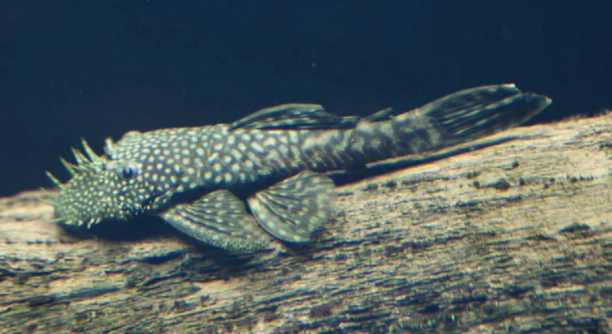
Tank odors can be a common issue when keeping plecos. These fish are known for producing waste that can lead to unpleasant smells. Proper maintenance and adjustments can help minimize the odors and keep your tank fresh.
The most effective ways to eliminate pleco tank odors include improving filtration, maintaining proper water quality, regular tank cleaning, and controlling the plecos’ diet. These actions help reduce waste buildup and prevent the growth of odor-causing bacteria.
Simple changes can create a cleaner, more pleasant environment for both you and your plecos.
Regular Tank Cleaning
Cleaning your pleco tank regularly is one of the most important steps in controlling odors. Waste from uneaten food, pleco feces, and dead plant matter can quickly build up and lead to unpleasant smells. Start by vacuuming the substrate every week to remove debris from the bottom of the tank. This will reduce waste buildup and prevent any odors from lingering. It’s also essential to clean the tank walls and decorations to remove algae and biofilm that can contribute to bad smells. If you have a filter, ensure it is cleaned regularly as well.
A clean tank creates a healthier environment for your plecos and reduces the chances of odors becoming overwhelming. Don’t skip regular cleaning, as it will save you time and frustration in the long run.
Keep in mind that the size of your tank also plays a role in how often you need to clean. Larger tanks typically require less frequent cleaning than smaller tanks, but you should always adjust based on how quickly debris accumulates. Even with a good filtration system, a thorough cleaning will keep odors at bay.
Improve Filtration
Having a reliable filtration system is essential for keeping your tank free from odors. Make sure your filter is appropriately sized for your tank and is functioning efficiently. A good filter helps remove excess waste and particles from the water.
Consider using both mechanical and biological filtration for optimal water quality.
Control Pleco Diet
Controlling the diet of your plecos can help reduce tank odors. Overfeeding is a major cause of waste accumulation, which leads to smells. Make sure to feed them the right amount of food and remove any leftovers promptly. A balanced diet also helps prevent excess waste production.
Plecos often eat algae, but it’s important to supplement their diet with pellets or vegetables like zucchini or cucumber. Avoid feeding them too much protein, as this can lead to excess waste. Feed them small amounts several times a week rather than large meals daily. This helps in keeping their waste levels manageable.
The key is to feed them what they can consume within a few hours and remove the excess. By adjusting their diet, you can significantly reduce the amount of waste that builds up in the tank, leading to fewer odors. Watch your plecos closely to see how much they eat to avoid overfeeding.
Maintain Proper Water Quality
Maintaining proper water quality is crucial to eliminating odors in a pleco tank. Water that is too dirty or poorly maintained can foster the growth of harmful bacteria and contribute to bad smells. Regularly test the water for pH, ammonia, nitrites, and nitrates to ensure everything is within acceptable levels.
Perform water changes at least once a week to keep the water fresh. You can change up to 30% of the tank’s water without stressing the plecos, but be sure to use a water conditioner to remove chlorine and chloramine. This will ensure the new water is safe for your fish.
By keeping the water quality high, you can prevent conditions that lead to foul odors. Clean water promotes the health of your plecos and reduces the likelihood of bacteria or algae that produce bad smells. Regular monitoring and maintenance are key to keeping your tank odor-free.
Use Activated Carbon
Activated carbon is highly effective at absorbing odors in a pleco tank. It helps remove impurities, toxins, and organic compounds that can cause unpleasant smells. You can add activated carbon to your filter or use a separate filter bag. It’s a simple and inexpensive way to improve water quality.
Using activated carbon regularly can help maintain a cleaner environment. Replace the carbon every 4 to 6 weeks for optimal results. Over time, carbon becomes saturated and less effective, so regular replacement is necessary to keep odors at bay.
Add Live Plants
Adding live plants to your pleco tank can naturally help with odor control. Plants absorb excess nutrients from the water, reducing the buildup of organic matter that causes bad smells. They also promote a healthier ecosystem by oxygenating the water and providing hiding spots for your plecos.
Plants like Java fern, Anubias, and Amazon sword are popular choices. Make sure the plants are suitable for the pleco’s environment and provide enough lighting for their growth. Plants also help filter the water, further reducing odors. Properly maintained plants contribute to a balanced, clean tank.
Monitor Tank Temperature
Maintaining the right tank temperature is important for controlling odors. Plecos thrive in water temperatures between 74°F and 80°F. If the water is too warm or cold, it can lead to poor water quality, which increases the risk of unpleasant odors.
Monitor the water temperature regularly to ensure it stays within the ideal range. Consistent temperatures promote better filtration and reduce bacteria growth, which helps keep odors down. Using a reliable aquarium heater can help maintain a steady temperature throughout the year.
FAQ
Why does my pleco tank smell?
A pleco tank can develop unpleasant odors for several reasons. Accumulation of uneaten food, pleco waste, and decaying plant matter often leads to bad smells. Poor filtration, overfeeding, and inadequate water changes also contribute to the issue. Without regular maintenance, waste can build up quickly, creating an environment where bacteria thrive and produce unpleasant odors.
How often should I clean my pleco tank to avoid odors?
Cleaning your pleco tank should be done at least once a week to prevent odors from building up. Vacuum the substrate to remove any leftover food and waste. Wipe the tank walls to remove algae, and clean decorations. Regular water changes, typically 25-30% weekly, will help maintain a healthy environment.
What is the best way to remove odors from my pleco tank?
The best way to remove odors is to ensure your tank is clean and properly maintained. Regular water changes, cleaning the substrate, and using a good filtration system are key. Activated carbon in the filter can also absorb odors and help improve water quality. Using live plants can further help by absorbing excess nutrients that contribute to odors.
Does overfeeding my pleco cause tank odors?
Yes, overfeeding your pleco can lead to tank odors. Plecos will produce waste from any uneaten food, which breaks down and causes foul smells. Feed your pleco only what it can consume within a few hours. Remove any leftover food after feeding to prevent it from decaying in the tank and contributing to odors.
Can using live plants help with pleco tank odors?
Live plants can help control pleco tank odors by absorbing excess nutrients like nitrates and phosphates. This reduces the organic material in the water that causes unpleasant smells. Plants like Java fern, Anubias, and Amazon sword are excellent choices for keeping the water cleaner and reducing odors.
How does the water temperature affect tank odors?
Water temperature plays a significant role in controlling odors. If the water is too warm or cold, it can affect filtration and the breakdown of waste, which leads to bad smells. Keeping the tank temperature between 74°F and 80°F is ideal for plecos and helps prevent the growth of odor-causing bacteria.
How do I know if my pleco tank has good water quality?
Good water quality is essential for a clean, odor-free pleco tank. Regularly test the water for pH, ammonia, nitrites, and nitrates to ensure they are within safe levels. Water changes should be done weekly to maintain proper water quality. If the water looks cloudy or smells bad, it may be time for a change.
Can I use chemical treatments to reduce odors in my pleco tank?
Chemical treatments like water conditioners or odor-neutralizing products can temporarily help reduce odors. However, these should not replace regular tank maintenance. Relying too heavily on chemicals can mask underlying problems, such as poor filtration or overfeeding, that lead to the odors in the first place.
Should I adjust my pleco’s diet to reduce tank odors?
Yes, adjusting your pleco’s diet can help reduce tank odors. Overfeeding, especially with high-protein foods, can lead to excess waste and odors. Feed your pleco small amounts of food that it can consume within a few hours, and remove any leftover food. A balanced diet with vegetables and pellets is ideal.
How can I improve filtration to reduce odors?
Improving filtration is one of the most effective ways to reduce odors. Make sure your filter is the right size for your tank. Consider upgrading to a higher-quality filter if you find that odors persist. Additionally, using activated carbon in the filter can help absorb impurities and reduce bad smells.
What type of filter is best for my pleco tank?
For a pleco tank, a canister filter or a high-flow filter is typically the best option. These filters provide powerful filtration, ensuring that the water remains clean and clear. A good filter should provide mechanical, chemical, and biological filtration to handle the waste produced by plecos effectively.
Can a lack of aeration contribute to tank odors?
Yes, a lack of aeration can contribute to tank odors. Adequate aeration helps oxygenate the water, which is essential for the health of your plecos and the breakdown of waste. Without proper oxygen levels, harmful bacteria and anaerobic conditions can form, leading to unpleasant smells.
Do plecos produce more waste than other fish?
Plecos are known for producing a significant amount of waste, particularly as they grow larger. Their waste can build up quickly if not properly managed. Regular cleaning, good filtration, and proper diet management are crucial to keeping the tank clean and odor-free.
How long should I run my filter each day to reduce odors?
Your filter should run 24/7 to keep the water clean and reduce odors. Filtration helps remove waste particles, toxins, and excess nutrients that can cause bad smells. Running the filter continuously ensures that the water stays clean, and any harmful substances are constantly being removed from the tank.
Is it necessary to remove dead fish or plants immediately?
Yes, it is essential to remove any dead fish or decaying plants immediately. Decomposing matter contributes to odors and can lower water quality, creating an unhealthy environment for your plecos. Regularly inspect your tank for any dead or decaying matter to maintain a clean tank.
Can I add any other products to control tank odors?
There are several products available that can help control odors, such as odor-neutralizing tablets or pads. While these can provide temporary relief, they should not replace regular cleaning and maintenance. The best way to control odors is by improving tank conditions, filtration, and water quality.
Final Thoughts
Maintaining a clean and odor-free pleco tank requires regular attention and care. By focusing on proper tank maintenance, water quality, and feeding practices, you can significantly reduce unpleasant smells. Regular water changes, proper filtration, and cleaning the substrate are essential for preventing odors from developing. Monitoring the tank for any signs of uneaten food or waste will help keep the environment healthy for your plecos.
Using activated carbon in your filter, adding live plants, and ensuring the water temperature remains stable are effective ways to manage tank odors. Activated carbon helps to absorb impurities and odors, while live plants naturally absorb excess nutrients, reducing the buildup of organic matter. A stable water temperature also promotes a balanced environment, preventing the growth of odor-causing bacteria. These simple adjustments can greatly improve the air quality in and around your tank.
While occasional odor may be normal, a persistent bad smell often signals a problem with the tank’s upkeep. Overfeeding, poor filtration, or neglecting routine maintenance can lead to poor water quality, causing odors to linger. By staying on top of cleaning tasks and making small adjustments to the tank’s setup, you can maintain a fresh, healthy environment for your plecos. Regular monitoring, combined with the right filtration and feeding practices, will keep your pleco tank odor-free and your fish happy.

Hello,
If you enjoy the content that we create, please consider saying a "Thank You!" by leaving a tip.
Every little bit helps us continue crafting quality advice that supports the health, happiness, and well-being of pets around the world, for pets of all shapes, sizes, and species.
We really appreciate the kindness and support that you show us!