
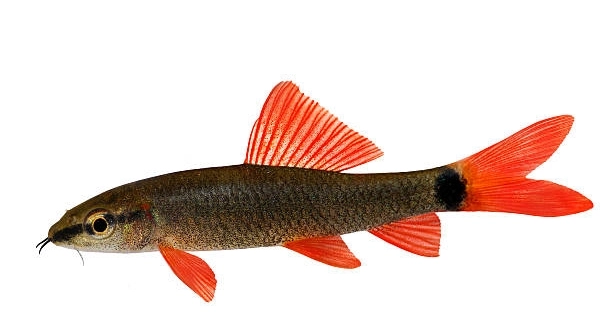
Rainbow sharks can bring vibrant life to your aquarium, but their aggressive behavior can create challenges. Managing their interactions carefully is important to maintain a peaceful environment and protect your fish from harm or stress. Understanding their nature helps in keeping them calm.
Aggression in rainbow sharks often arises from territorial disputes and overcrowding. Effective solutions include providing ample space, adding hiding spots, and maintaining consistent tank conditions. These measures reduce stress and aggression, promoting a balanced and healthier community within the aquarium.
Addressing aggression early prevents long-term harm and creates a better environment for all your fish to thrive peacefully.
Provide Enough Space in the Aquarium
Rainbow sharks need plenty of room to swim and establish their territories. A small tank can increase tension, as the fish feel crowded and compete for space. A larger tank reduces conflicts by allowing each fish to have its own area. Ideally, the aquarium should be at least 55 gallons when housing multiple rainbow sharks. Adding decorations like rocks and plants helps create natural barriers. These barriers give fish places to hide or retreat when feeling threatened, which lowers aggressive behavior. It is also important to monitor the fish after introducing them to ensure they are adjusting well to the space. Over time, you may notice less chasing and more peaceful swimming. Taking these steps early helps prevent long-term stress and injuries.
Providing a spacious tank helps reduce stress, giving rainbow sharks room to settle into their territories comfortably. This lowers aggression significantly.
Giving your rainbow sharks enough space will make a big difference in how they interact. It supports a calmer tank where all fish can coexist without constant fighting. This setup also makes maintenance easier because the fish are less stressed and healthier. You’ll find your aquarium looks more balanced and enjoyable to watch when the sharks behave calmly. Remember to plan your tank size before adding multiple rainbow sharks to avoid unnecessary aggression issues.
Maintain Stable Water Conditions
Stable water conditions are critical for reducing aggression in rainbow sharks. Sudden changes in temperature, pH, or ammonia levels can stress fish and provoke aggressive behavior. Maintaining a consistent temperature between 74°F and 80°F is best. Keep the pH level between 6.5 and 7.5, as fluctuations can upset the fish. Regular water testing and changes help keep the tank environment safe. Using a good filtration system supports water quality, removing waste and toxins. Clean water lowers stress and promotes natural behavior. Avoid overcrowding, as it can quickly deteriorate water quality. When water conditions are stable, rainbow sharks feel secure and are less likely to fight.
Keeping water conditions stable prevents stress-related aggression and supports the overall health of your rainbow sharks.
To maintain stable water, perform weekly water tests and partial water changes of 20-25%. Use a reliable filter and avoid sudden temperature shifts by placing heaters in secure spots. Monitoring these factors reduces aggression and creates a more peaceful tank environment. Over time, stable water quality leads to stronger, healthier fish that are less prone to territorial disputes. Maintaining consistency helps rainbow sharks adapt well and coexist without constant stress or fighting.
Add Plenty of Hiding Spots
Hiding spots reduce stress and aggression by giving rainbow sharks places to escape. Decorations like caves, plants, and driftwood help break up territory lines. This encourages calmer behavior and fewer confrontations.
Adding varied hiding places mimics their natural environment, which supports more peaceful interactions. Rainbow sharks naturally seek shelter when they feel threatened or need rest. Without enough cover, they may become more aggressive, constantly defending open space. Placing plenty of hiding spots throughout the tank allows each fish to retreat and avoid conflicts. Use live or artificial plants, rocks, and ornaments that create safe zones without overcrowding the tank. Spread them evenly to prevent dominance of one area. This approach lowers tension and helps the fish coexist.
When setting up hiding places, focus on variety and accessibility. Provide both open swimming areas and dense spots for cover. Observe how your fish use the space and adjust if needed. Over time, these shelters help reduce chasing and fighting, making your tank a calmer, safer environment for everyone.
Control Feeding to Prevent Aggression
Feeding routines impact rainbow sharks’ behavior. Overfeeding or inconsistent schedules can cause competition and aggression. Feeding small amounts regularly helps maintain calmness and health.
A consistent feeding schedule with controlled portions ensures all fish get enough without triggering fights over food. Rainbow sharks can become territorial during feeding times if food is scarce or unevenly distributed. Using sinking pellets or wafers allows the food to reach bottom-dwelling fish, reducing competition. Avoid overfeeding as leftover food worsens water quality, causing stress and aggressive behavior. Spreading food around the tank encourages less competition by allowing fish to eat without crowding one spot. Monitoring their eating habits helps adjust portions and frequency. Keeping feeding steady reduces stress-related aggression and promotes a healthy tank environment.
Introduce Tank Mates Carefully
Choosing the right tank mates can help reduce aggression among rainbow sharks. Avoid overly aggressive or very small, delicate fish that might cause tension.
Compatible species should be peaceful and able to share the same space without competing for territory or food. Proper selection helps balance the tank’s social environment.
Keep a Balanced Number of Rainbow Sharks
Overcrowding increases stress and aggression quickly. Keeping only one rainbow shark per 30 gallons is a good rule to prevent fights.
Too many rainbow sharks in a small space lead to constant territorial disputes. Proper stocking supports a calmer, healthier aquarium.
Use Distraction Techniques
Adding floating plants or rearranging decorations can help distract rainbow sharks and break up established territories.
This reduces repetitive aggression by shifting their focus and providing new areas to explore.
FAQ
Why are my rainbow sharks aggressive toward each other?
Rainbow sharks are naturally territorial fish. When they feel their space is threatened, they may become aggressive to defend their territory. Overcrowding, lack of hiding spots, and poor water conditions can increase stress, making aggressive behavior more frequent. Providing enough space and proper environment reduces this tension.
How can I tell if aggression is harmful or normal?
Some chasing and chasing off are typical as rainbow sharks establish territory. However, if you see constant chasing, biting causing injuries, or fish hiding excessively, it is harmful. Persistent aggression leads to stress, injury, and even death. It’s important to intervene before problems escalate.
Can adding more fish reduce aggression?
Adding more fish can sometimes spread aggression if the tank is too crowded. However, adding peaceful, non-territorial tank mates can distract aggressive behavior and balance the social dynamic. Always ensure the tank is large enough before increasing the number of fish.
What kind of tank mates work well with rainbow sharks?
Peaceful, medium to large-sized fish that occupy different tank levels work best. Examples include certain tetras, gouramis, and catfish. Avoid small or slow-moving fish that may become targets, and aggressive species that compete for the same space.
How often should I clean my tank to prevent aggression?
Regular maintenance is key. Weekly partial water changes of 20-25% help maintain water quality. Clean filters monthly but avoid cleaning all filter media at once to preserve beneficial bacteria. Good water quality reduces stress and aggression in rainbow sharks.
Will rearranging the tank decorations stop fights?
Yes. Rearranging decorations breaks up established territories and confuses aggressive fish. This can reduce fights by giving them new areas to explore and claim. Use a mix of plants, rocks, and caves to create diverse hiding spots and boundaries.
Is feeding schedule important for managing aggression?
Feeding on a regular schedule prevents competition and reduces stress. Feed small amounts two to three times daily, distributing food evenly across the tank. Avoid overfeeding as leftover food worsens water quality, which can increase aggression.
Can stress cause aggression in rainbow sharks?
Stress is a major factor that triggers aggression. Poor water quality, overcrowding, sudden changes in environment, or incompatible tank mates can stress rainbow sharks. Reducing stress with proper care lowers aggressive tendencies.
Should I separate aggressive rainbow sharks?
If aggression causes injuries or stress, separating aggressive individuals is necessary. Use a divided tank or temporary quarantine tank. After cooling down, you can reintroduce them with careful monitoring or consider permanent separation if aggression continues.
Do rainbow sharks calm down as they age?
Generally, rainbow sharks become less aggressive as they mature and establish territories. Young fish may be more active and competitive. Providing proper conditions from the start helps reduce aggression as they grow. However, some territorial behavior may remain throughout their lives.
Managing aggression between rainbow sharks can feel challenging at first, but with the right approach, it becomes much easier. Understanding their natural territorial instincts is key. These fish need enough space to swim freely and mark their own areas. Overcrowding or limiting their environment can cause stress and provoke fights. Giving them a large enough tank and plenty of hiding spots helps keep aggression under control. When rainbow sharks feel secure in their surroundings, they are less likely to become aggressive toward one another.
Water quality also plays a crucial role in keeping your rainbow sharks calm. Stable and clean water reduces stress, which is often a major trigger for aggressive behavior. Regular testing and maintenance, along with a good filtration system, support a healthy environment. Consistent feeding routines prevent competition and help maintain balance in the tank. Watching how your fish behave during feeding times and adjusting portions as needed can make a noticeable difference in reducing conflicts.
Finally, paying attention to tank mates and the overall community helps create a peaceful aquarium. Choosing compatible fish and avoiding overcrowding will reduce tension. Rearranging decorations occasionally can help disrupt established territories and minimize fights. If aggression continues despite these steps, separating the most aggressive individuals might be necessary. Overall, managing aggression is about creating a comfortable and stable environment for your rainbow sharks. With patience and careful care, you can enjoy a lively but peaceful tank where your fish thrive.

Hello,
If you enjoy the content that we create, please consider saying a "Thank You!" by leaving a tip.
Every little bit helps us continue crafting quality advice that supports the health, happiness, and well-being of pets around the world, for pets of all shapes, sizes, and species.
We really appreciate the kindness and support that you show us!