
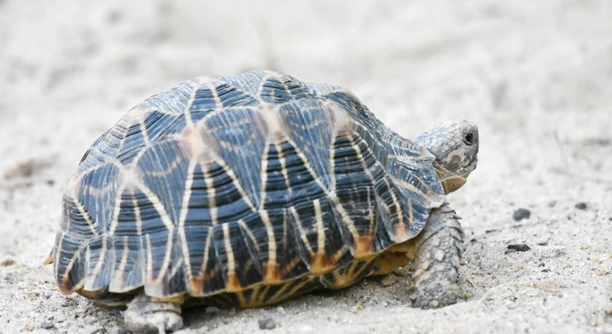
Turtles require adequate calcium to maintain strong bones and overall health. Without proper calcium intake, they may suffer from shell deformities or weakened bones, impacting their quality of life. Ensuring they get enough is essential for their well-being.
Ensuring your turtle receives sufficient calcium involves providing appropriate food sources, supplements, and maintaining proper lighting and habitat conditions. A balanced diet, including calcium-rich vegetables and commercial supplements, is crucial for preventing deficiencies and promoting healthy growth.
Understanding how to provide proper calcium can help avoid potential health problems in your turtle. The right diet and environment play an essential role in their overall development and long-term well-being.
Provide Calcium-Rich Foods
The most natural way to ensure your turtle gets enough calcium is through food. Offering a variety of calcium-rich vegetables, like kale, collard greens, and dandelion greens, can help. These foods contain high levels of calcium, which are essential for bone health and shell development. You can also add calcium-rich fruits, such as figs or papaya, in small amounts as treats. Make sure to avoid feeding your turtle vegetables that contain oxalates, like spinach, as they can bind calcium and make it harder for your turtle to absorb it.
A well-balanced diet of calcium-packed vegetables and occasional fruit can promote your turtle’s health. Regularly including these items in their meals ensures they get the essential nutrients.
Offering the right foods consistently is key. Combining leafy greens and calcium-rich fruits can make a significant difference in your turtle’s overall well-being. Consider variety to avoid boredom and encourage them to eat their meals regularly.
Use Calcium Supplements
If your turtle is not getting enough calcium from food alone, supplements are a practical solution. You can sprinkle calcium powder onto their food or provide cuttlefish bone for them to nibble on. Both options are easily accessible and widely used by turtle owners to ensure adequate calcium intake.
Calcium supplements are particularly important for turtles that are kept indoors or in environments where natural sunlight is limited. Without enough calcium, your turtle may develop soft or deformed shells. The addition of calcium powder or cuttlefish bone will help prevent these issues.
Proper dosage is important. Too much calcium can cause kidney problems, while too little can lead to bone and shell issues. Always follow the instructions on supplements, and consult a vet if you’re unsure about the proper amount for your specific turtle.
Provide UVB Lighting
UVB lighting is essential for your turtle’s ability to process calcium. Turtles, like many reptiles, need UVB rays to synthesize vitamin D3, which helps their bodies absorb calcium from food. Without adequate UVB exposure, your turtle’s calcium intake may not be effective, leading to deficiencies.
Ensure your turtle has access to a UVB light that mimics natural sunlight. These bulbs need to be replaced regularly, as their effectiveness diminishes over time. Proper lighting should be on for 10-12 hours a day and placed within the turtle’s reach. Too much UVB can cause harm, so make sure your turtle can retreat to a shaded area when needed.
UVB lighting plays a key role in maintaining your turtle’s health. It supports calcium absorption, prevents metabolic bone disease, and encourages natural behavior. Check the UVB light’s strength and position regularly to ensure your turtle is receiving adequate exposure. Proper care and attention will help keep your turtle’s bones strong.
Maintain Proper Habitat Temperature
Turtles require a specific temperature range to digest food and absorb calcium efficiently. The right temperature encourages metabolic activity, including proper calcium absorption. Without a proper heat gradient, your turtle might not process nutrients as effectively.
Set up a basking area where your turtle can soak up warmth, with temperatures reaching around 85-90°F. The cooler end of the habitat should stay around 75-80°F, providing a suitable environment for them to move between different temperatures. A thermostat and heating lamp will help you regulate the habitat’s conditions effectively.
The wrong temperature can lead to lethargy or poor digestion. Turtles may not eat or digest calcium-rich foods well if they don’t feel comfortable. By maintaining a proper temperature range, you can ensure your turtle is in a healthy and supportive environment for its nutritional needs.
Limit Protein Intake
While protein is necessary for growth, too much can interfere with calcium absorption. Excessive protein can cause an imbalance, leading to calcium depletion in your turtle’s body. Avoid feeding high-protein foods like meat or fish too often.
Protein should be offered in moderation to maintain a healthy calcium-to-phosphorus ratio. Overfeeding protein-rich foods can stress your turtle’s kidneys and lead to metabolic issues. Stick to occasional servings, and balance their diet with ample calcium sources.
Avoid Overfeeding
Overfeeding can lead to obesity and poor calcium absorption. Turtles can become lethargic when they consume too much food, slowing down their digestive processes. Regularly monitor portion sizes to keep your turtle at a healthy weight.
Overfeeding can also cause shell deformities and reduced mobility. A balanced feeding schedule with controlled portions ensures your turtle gets the right nutrients without overburdening their system. Stick to recommended feeding guides based on your turtle’s size and age. Keeping your turtle’s diet in check is key to maintaining their overall health.
Offer Variety in Diet
Offering a variety of calcium-rich foods keeps your turtle interested in their meals and helps avoid nutritional deficiencies. By rotating vegetables, fruits, and other calcium-packed options, you ensure they are getting a well-rounded diet. A mix of leafy greens and fruits provides both essential nutrients and variety.
Variety can also prevent your turtle from developing a preference for a limited range of foods. By adding different calcium sources, you ensure they are getting all the nutrients they need. A diverse diet makes mealtime more exciting while promoting overall health.
FAQ
What are the signs of calcium deficiency in turtles?
Calcium deficiency in turtles can lead to various health issues. You may notice soft or deformed shells, difficulty moving, or a lack of appetite. Turtles with calcium deficiency might also exhibit lethargy or an inability to properly support their body weight. In severe cases, the bones may become fragile and prone to breaking. If you observe any of these signs, it’s important to adjust their diet and environment to ensure they receive the necessary nutrients.
How much calcium does my turtle need?
The amount of calcium a turtle needs depends on its species, size, and age. Generally, adult turtles require around 1-2% of their body weight in calcium, while hatchlings and juveniles may need more for proper bone development. It’s essential to provide a balanced diet that includes calcium-rich foods, supplements, and UVB lighting to support your turtle’s health. Always consult with a veterinarian to determine the specific needs of your turtle.
Can turtles get too much calcium?
Yes, turtles can have too much calcium. Over-supplementing or offering too much calcium-rich food can lead to kidney problems or calcium buildup in the body. Excess calcium can cause hardening of tissues, making it difficult for the turtle to digest food and absorb other important nutrients. It’s crucial to follow proper supplementation guidelines and ensure a balanced diet. Too much of any nutrient can be harmful, including calcium.
Is it necessary to provide calcium supplements?
While many turtles can get the necessary calcium from their diet, supplementation may be required, especially for indoor turtles or those without access to natural sunlight. If your turtle isn’t receiving enough calcium from food alone, calcium powder or cuttlefish bone can be a useful supplement. Be sure to follow the proper dosage instructions to avoid over-supplementing.
How often should I give calcium supplements to my turtle?
The frequency of calcium supplements depends on your turtle’s age, diet, and UVB exposure. For adult turtles with a balanced diet, calcium supplementation may only be needed a few times a week. For younger turtles, more frequent supplementation may be required due to their rapid growth. Always adjust the supplementation based on your turtle’s individual needs, and consult a veterinarian if you’re unsure.
Can calcium be absorbed without UVB lighting?
UVB lighting is essential for calcium absorption in turtles. Without UVB exposure, your turtle may not be able to synthesize vitamin D3, which is necessary for absorbing calcium from food. Ensure your turtle has access to UVB light for 10-12 hours a day. If your turtle is kept indoors, UVB lighting is especially important to support their calcium needs.
What types of food are best for calcium intake?
Leafy greens like kale, collard greens, and dandelion greens are excellent sources of calcium. Turtles can also benefit from calcium-rich fruits, such as papaya and figs, but these should be given in moderation due to their sugar content. Avoid high-oxalate vegetables like spinach, as they can hinder calcium absorption. Offering a variety of calcium-rich foods helps ensure your turtle’s nutritional needs are met.
Can I use cuttlefish bone for calcium?
Yes, cuttlefish bone is an excellent source of calcium for turtles. It’s a natural, easily digestible calcium supplement that turtles can chew on as part of their diet. Cuttlefish bone can be placed in your turtle’s habitat, and they can nibble on it when needed. It’s important to regularly replace the cuttlefish bone as it wears down over time.
Are there any calcium-rich fruits for turtles?
Certain fruits provide small amounts of calcium, such as figs, papaya, and oranges. However, fruits should be offered in moderation due to their sugar content. While they provide some calcium, they should not be relied on as the primary source. Focus more on leafy greens and calcium-rich vegetables for your turtle’s calcium intake.
How does temperature affect calcium absorption?
Temperature plays a significant role in your turtle’s digestion and calcium absorption. If the habitat is too cold, your turtle’s metabolism will slow down, making it harder for them to process nutrients like calcium. Ensure your turtle’s habitat is kept within the appropriate temperature range, with a basking area around 85-90°F, to encourage optimal digestion and calcium absorption.
Can calcium affect my turtle’s shell growth?
Yes, calcium is crucial for healthy shell growth. A deficiency can lead to soft or deformed shells, while too much calcium can cause abnormal shell growth. It’s important to maintain the right balance of calcium, along with proper UVB lighting and temperature, to ensure your turtle’s shell grows properly. Healthy calcium levels support the structural integrity of your turtle’s shell.
What is the best way to monitor my turtle’s calcium intake?
The best way to monitor your turtle’s calcium intake is by observing their health and behavior. Look for signs of calcium deficiency, like soft or deformed shells, lethargy, or abnormal movements. Ensure they’re receiving a balanced diet with calcium-rich foods and supplements. Regularly assess the condition of their shell and overall health to ensure their calcium needs are being met.
How does a balanced diet impact my turtle’s calcium levels?
A balanced diet is essential for ensuring your turtle gets the proper calcium levels. Providing a variety of calcium-rich foods, along with the right amount of protein and other nutrients, helps maintain a healthy calcium-to-phosphorus ratio. A varied diet prevents calcium imbalances, supporting overall health and proper shell development. Regularly adjusting the diet based on your turtle’s needs will keep them in optimal health.
Final Thoughts
Ensuring your turtle receives enough calcium is essential for its long-term health and well-being. Calcium plays a vital role in shell development, bone health, and overall metabolic function. Without adequate calcium, turtles can experience deformities, weak shells, and other serious health issues. Providing the right diet and proper UVB lighting can make all the difference in supporting calcium absorption. It’s important to monitor your turtle’s diet and behavior regularly to spot any signs of deficiency early on, allowing for prompt intervention.
While calcium is crucial, it’s also important to maintain a balance. Over-supplementing with calcium can lead to kidney problems and other complications. Striking the right balance between calcium-rich foods, supplements, and UVB exposure is key to supporting your turtle’s health. By offering a variety of calcium sources, such as leafy greens, fruits, and cuttlefish bone, you can ensure that your turtle receives the nutrients it needs for optimal growth and development. A well-rounded diet, along with proper environmental conditions, will help your turtle thrive.
Remember, every turtle has unique dietary needs based on its species, size, and age. Regularly adjusting your turtle’s diet and care routine based on its specific needs will help avoid potential health issues. Consulting with a veterinarian or reptile expert can provide valuable insight into how to best care for your turtle. By providing consistent care, including the right amount of calcium and other essential nutrients, you can help ensure your turtle lives a long, healthy life.

Hello,
If you enjoy the content that we create, please consider saying a "Thank You!" by leaving a tip.
Every little bit helps us continue crafting quality advice that supports the health, happiness, and well-being of pets around the world, for pets of all shapes, sizes, and species.
We really appreciate the kindness and support that you show us!