
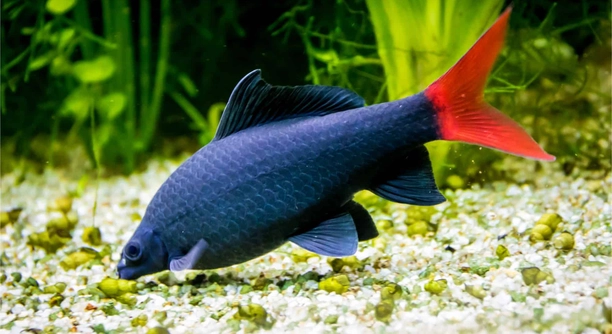
Do you ever find yourself worried about whether your rainbow shark is truly thriving in its aquarium? These colorful freshwater fish need more than just clean water to stay active and healthy every day.
The best way to keep your rainbow shark healthy is by maintaining optimal water conditions, offering a proper diet, providing enough space, and minimizing stress. These key factors support its physical well-being and reduce the risk of common health issues.
Knowing how to meet your rainbow shark’s basic needs can make a noticeable difference in its behavior, lifespan, and overall quality of life.
Maintain the Right Water Conditions
Rainbow sharks are sensitive to water quality, and small changes can affect their health quickly. They need a stable temperature between 75°F and 80°F, with a pH level of 6.5 to 7.5. Use a reliable heater and thermometer to keep the temperature steady. Regular water testing is essential to monitor ammonia, nitrite, and nitrate levels. Partial water changes of about 25% every week will help keep the tank clean. Avoid using untreated tap water, as chlorine and heavy metals can cause stress or illness. Make sure your filtration system is strong but not too harsh—rainbow sharks prefer moderate flow.
Keeping the water clean and stable allows your rainbow shark to swim comfortably and breathe easily, reducing the chance of disease or erratic behavior.
If your shark is acting stressed, check the water first. Poor quality is often the reason. Balanced conditions keep their immune system strong, allowing them to stay active and healthy.
Provide Enough Space
Rainbow sharks grow up to six inches long and need room to move freely. A tank that’s too small may cause aggression or stress. A minimum of 55 gallons is ideal to give them space to swim and establish territory.
A cramped tank can lead to behavior changes, like chasing or hiding more often. These fish are territorial and prefer having their own space without constant interaction. In smaller tanks, they may fight with other fish or become withdrawn. When they feel crowded, they often become more aggressive and less healthy overall. A larger tank helps prevent these problems. It also lets you create an environment with hiding spots using rocks or driftwood, which gives your rainbow shark places to rest and feel secure. Proper space reduces tension and supports their natural activity levels. Keeping the tank roomy is one of the easiest ways to encourage a calmer, healthier fish.
Feed a Balanced Diet
Feeding your rainbow shark the right mix of food keeps it energetic and healthy. Use high-quality sinking pellets as a base, and add some variety with blanched vegetables and occasional protein-rich treats like bloodworms.
Rainbow sharks are omnivores, so they need both plant matter and animal protein. A well-balanced diet supports their digestion and helps keep their colors bright. Offer food once or twice daily, only what they can eat in a few minutes. Overfeeding can lead to waste buildup and poor water quality, which impacts their health. Including vegetables like zucchini or spinach now and then gives them fiber and keeps their system running smoothly. You can also mix in frozen or live foods once a week to encourage natural foraging behavior. Keeping their diet varied makes them more active and prevents nutritional gaps that can lead to illness.
Pay attention to how your shark eats. If it stops eating or shows less interest, it may be a sign of stress, illness, or water issues. Always remove uneaten food quickly to prevent ammonia spikes. A consistent feeding schedule helps reduce stress and builds trust over time. If you notice changes in appetite, review their environment and food quality. This small habit makes a big difference.
Reduce Stress from Tankmates
Rainbow sharks are territorial and often react badly to the wrong tankmates. Avoid putting them with similar-looking fish or other bottom dwellers. These situations often lead to chasing or biting, which can cause injury or stress.
Choose tankmates carefully. Fish that stay in the upper levels of the tank and are not too colorful or aggressive tend to work best. Good options include barbs, danios, or rainbowfish. Avoid housing more than one rainbow shark in the same tank unless it’s very large and heavily decorated, as they often fight over territory. Providing enough hiding spaces also helps reduce tension. Watch closely during the first few days after adding new fish to ensure there are no signs of bullying. Stress caused by constant conflict can weaken their immune system, making them more likely to get sick. Creating a peaceful environment helps your rainbow shark feel secure and stay active.
Keep a Consistent Light Cycle
Rainbow sharks need a steady light schedule to feel safe and balanced. Aim for 8 to 12 hours of light each day, using a timer to stay consistent. Sudden changes in lighting can cause stress or confusion.
Avoid placing the tank near windows or in rooms with irregular lighting. Natural sunlight can lead to algae growth and unexpected brightness, which might startle your fish. A stable light cycle supports their natural behavior and rest patterns.
Decorate with Purpose
Decorating your tank with intention helps reduce stress and encourages natural activity. Use smooth rocks, caves, and driftwood to create hiding spots and territories. These features give your rainbow shark places to rest and feel safe. Avoid sharp decorations, as these fish can scrape themselves while exploring. Spread the decorations across the tank to break up lines of sight and prevent constant chasing. A well-arranged tank not only looks better but also helps your shark feel more secure. Balanced surroundings help lower aggression and give your fish more room to explore calmly.
Clean the Tank Regularly
Remove algae, uneaten food, and waste during weekly cleanings to keep the water fresh and safe. A clean tank helps prevent health problems and keeps your rainbow shark more active and comfortable.
FAQ
How often should I feed my rainbow shark?
Feed your rainbow shark once or twice a day. Only give as much food as it can eat within two to three minutes. Overfeeding can cause water quality issues and digestive problems. Use a variety of foods, including high-quality sinking pellets, vegetables, and occasional protein-rich treats like bloodworms. Keep the feeding schedule consistent to reduce stress and help your fish feel secure in its environment. If you notice leftover food sinking to the bottom, cut back on the amount you’re offering.
Can rainbow sharks live with other fish?
Yes, but tankmates must be chosen carefully. Rainbow sharks are territorial and can be aggressive toward similar-looking fish or those that swim near the bottom. Avoid housing them with other sharks, loaches, or catfish. Better companions include peaceful mid-to-top dwellers like danios, barbs, or rainbowfish. Make sure the tank is large enough—at least 55 gallons—and decorated with caves and hiding spots to allow fish to avoid each other. Observe all new additions closely to ensure there is no chasing or biting.
Why is my rainbow shark hiding all the time?
Frequent hiding may be a sign of stress, poor water conditions, or tankmate aggression. Start by testing the water to make sure ammonia, nitrite, and nitrate levels are safe. Then, look at the lighting—too much or inconsistent light can cause discomfort. Also check for bullying by other fish. A new rainbow shark may also hide until it adjusts to its surroundings. Make sure your tank has enough hiding spots like caves and driftwood. If everything looks normal, give it time to settle.
How do I tell if my rainbow shark is sick?
Watch for changes in behavior, such as loss of appetite, unusual swimming, hiding more than usual, or visible marks on the body. Other signs include pale coloration, rapid gill movement, or white spots. Most health issues are linked to poor water quality, so test the water right away. If needed, isolate the shark in a separate tank for treatment. Keep the water clean and the diet balanced to help prevent illness. Early signs often go unnoticed, so daily observation is helpful.
Do rainbow sharks need a heater?
Yes, rainbow sharks are tropical fish and need water temperatures between 75°F and 80°F. A heater helps keep the temperature steady, especially during colder months or in rooms where the temperature fluctuates. Use a reliable heater with a built-in thermostat and monitor the temperature with an aquarium thermometer. Sudden temperature changes can weaken their immune system and cause stress. Always check for proper heater function during water changes or equipment maintenance.
Why is my rainbow shark aggressive?
Aggression is usually caused by lack of space or unsuitable tankmates. Rainbow sharks are territorial and need enough room to claim an area of the tank. A tank smaller than 55 gallons may not provide this, leading to more aggressive behavior. Also, avoid other bottom dwellers or similar-shaped fish, as they may be seen as rivals. Adding hiding spots and breaking up open areas with decor can reduce conflict. If the aggression continues, you may need to rehome one of the fish.
Can I keep two rainbow sharks in one tank?
It’s not recommended for most home setups. Rainbow sharks are known to fight with others of their kind, especially in smaller tanks. If you want to try keeping two, the tank should be at least 125 gallons and include plenty of decorations to create natural barriers. Even then, it can be risky. Most aquarists choose to keep just one per tank to avoid injuries and stress. A single shark can still be active and engaging without the need for another of its species.
How long do rainbow sharks live?
With proper care, rainbow sharks can live for 5 to 8 years. Their lifespan depends on water quality, diet, tank size, and stress levels. Regular maintenance, a balanced diet, and a peaceful tank environment go a long way in supporting a long, healthy life. They are generally hardy fish but can become sick if their basic needs aren’t met. Keep an eye on behavior changes and do routine water checks to help ensure they stay healthy for as long as possible.
Final Thoughts
Keeping a rainbow shark healthy does not have to be complicated. It mostly comes down to clean water, enough space, and a good routine. These fish are active and like to explore, so they do best in a tank where they feel safe and unbothered. When their needs are met, they become bold, colorful, and enjoyable to watch. Many problems that rainbow sharks face—such as hiding, aggression, or illness—can usually be prevented by simple care and observation. A little attention every day can go a long way in making sure they live a long and healthy life.
Paying attention to details like water temperature, lighting, tankmates, and feeding habits helps create a better environment for your shark. Even though they can be a bit territorial, rainbow sharks adjust well when their space and surroundings are set up properly. Adding hiding places, feeding them a balanced diet, and avoiding overcrowding are all easy ways to reduce stress. When their space feels stable, these fish tend to become less aggressive and more active in the tank. Watching how they behave daily also helps you notice changes early, so you can fix problems before they get worse.
Taking care of a rainbow shark is a rewarding experience when you keep up with regular maintenance and understand what the fish needs. You don’t need fancy equipment or a lot of experience. What matters most is consistency and a little patience. A rainbow shark that lives in a calm, clean, and balanced tank can thrive for years and bring a lot of movement and color to your setup. Whether you are new to keeping fish or have done it for a while, giving your shark proper care makes all the difference. It’s about keeping things simple, watching closely, and making thoughtful changes when needed.

Hello,
If you enjoy the content that we create, please consider saying a "Thank You!" by leaving a tip.
Every little bit helps us continue crafting quality advice that supports the health, happiness, and well-being of pets around the world, for pets of all shapes, sizes, and species.
We really appreciate the kindness and support that you show us!