
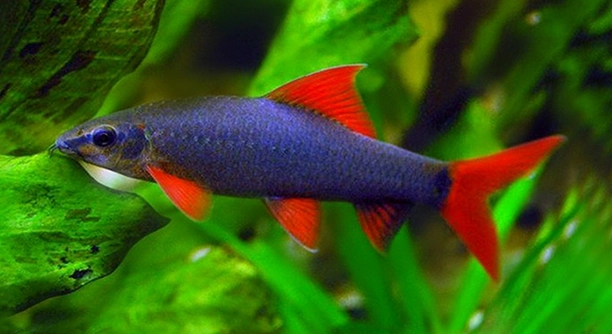
Caring for a Rainbow Shark means paying close attention to its oxygen needs. Proper oxygen levels are essential for the fish’s health and activity. Many aquarium owners want to ensure their Rainbow Shark thrives in its environment.
Ensuring your Rainbow Shark receives enough oxygen involves maintaining good water circulation, regular water changes, appropriate tank size, and monitoring temperature and filtration. These steps collectively support optimal oxygen levels necessary for the fish’s survival and well-being.
Knowing how to provide adequate oxygen will help you keep your Rainbow Shark healthy and active. This article explains practical ways to improve oxygen availability in your aquarium.
Maintain Good Water Circulation
Good water circulation is key to keeping oxygen levels high in your Rainbow Shark’s tank. When water moves well, oxygen can dissolve evenly and reach all areas of the aquarium. Without proper circulation, oxygen tends to stay near the surface, leaving other parts of the tank low. This can stress your fish and affect its health. Using a filter or air pump helps create steady water flow. Position the equipment to avoid dead spots where water stays still. Regularly check and clean filters to keep them working efficiently. Good circulation also helps remove waste and toxins that can reduce oxygen availability. Keep in mind, too strong a current might stress the Rainbow Shark, so balance is important.
Using an adjustable flow filter is a simple way to control water movement and oxygen levels effectively.
Proper circulation supports your fish’s breathing and overall tank health.
Regular Water Changes
Changing water regularly is one of the easiest ways to improve oxygen levels. Removing old water and adding fresh water increases oxygen and removes harmful chemicals. Small, frequent changes work best to keep conditions stable. Avoid changing too much at once, which can shock the fish. Fresh water usually contains more oxygen, so this step refreshes the tank environment. Use a siphon to remove debris from the bottom. Also, check water parameters after each change to ensure the tank stays safe. Clean water supports good oxygen balance and keeps your Rainbow Shark comfortable and active.
Monitor Temperature Carefully
Water temperature directly affects oxygen levels. Warmer water holds less oxygen, which can stress your Rainbow Shark. Keeping the tank temperature stable and within the recommended range (around 72–79°F or 22–26°C) is important. Sudden temperature changes reduce oxygen availability and can harm your fish. Use a reliable heater and thermometer to monitor and control temperature precisely. Avoid placing the tank near heat sources or direct sunlight. Cooler water increases oxygen but can slow the fish’s metabolism if too cold. Maintaining a steady temperature helps balance oxygen levels, supporting healthy fish behavior and breathing.
If you notice your Rainbow Shark gasping at the surface, temperature fluctuations may be a cause.
Choose the Right Tank Size
A larger tank provides more oxygen and space for your Rainbow Shark to swim. Overcrowding reduces oxygen because many fish use up available oxygen quickly. Make sure your tank is big enough for your fish’s size and number. For one Rainbow Shark, a tank of at least 30 gallons is recommended. More space means better oxygen distribution and less stress for the fish. Proper stocking helps maintain good water quality and oxygen levels. It also allows you to add plants or decorations that support oxygen production and provide hiding spots. An adequately sized tank is essential for long-term health and oxygen supply.
Use Live Plants
Live plants improve oxygen levels naturally by producing oxygen through photosynthesis. They also help absorb carbon dioxide and other waste products that reduce oxygen availability. Choose hardy aquatic plants that can thrive in your tank’s conditions, such as Java fern or Anubias. Avoid plants that need special care or too much light, which might complicate maintenance. Plants create a balanced environment, improving water quality and offering shelter for your Rainbow Shark. Be careful not to overcrowd the tank with plants, as decaying plant matter can reduce oxygen if not removed. Regular pruning keeps plants healthy and supports consistent oxygen production. Incorporating live plants is a natural, effective way to boost oxygen and enhance your aquarium’s ecosystem.
Use an Efficient Filtration System
A good filtration system keeps water clean and oxygenated. Filters help circulate water and remove waste that can lower oxygen levels. Choosing the right filter for your tank size is important to maintain a healthy environment for your Rainbow Shark.
Filters work by pushing water through media that traps dirt and debris. This process keeps the water clear and supports beneficial bacteria that break down harmful substances. As water moves through the filter, it increases oxygen exchange at the surface, helping keep oxygen levels steady. Make sure to clean or replace filter parts regularly to avoid blockages that reduce efficiency. A well-maintained filter is vital for oxygen balance and fish health.
Different filter types suit different tanks. Sponge filters provide gentle flow, ideal for small tanks or delicate fish. Power filters offer stronger circulation, better for larger tanks or more active species. Consider your tank size and Rainbow Shark’s needs when choosing filtration.
Avoid Overfeeding
Overfeeding your Rainbow Shark causes leftover food to decay, reducing oxygen and polluting the tank. Feed small portions that the fish can eat quickly. Remove uneaten food to maintain water quality and oxygen levels.
When excess food sinks to the bottom, it decomposes and consumes oxygen during breakdown. This process can lower oxygen, making it hard for your fish to breathe properly. Uneaten food also encourages bacteria growth, which further depletes oxygen. Feeding the right amount helps keep your tank clean and oxygen-rich. Observe your fish to adjust feeding amounts based on their appetite.
Using a feeding schedule avoids overfeeding. Feed your Rainbow Shark once or twice a day with measured portions. This practice supports stable oxygen levels and prevents water quality issues. Controlling feeding is a simple yet effective way to protect your fish’s environment and well-being.
Avoid Overcrowding
Too many fish in one tank reduces oxygen levels quickly. Each fish uses oxygen, so overcrowding leaves less available for your Rainbow Shark.
Keeping the number of fish appropriate for your tank size helps maintain stable oxygen levels. This reduces stress and promotes better health for all aquarium inhabitants.
Use an Air Pump
An air pump increases oxygen by pushing air bubbles into the water. This movement improves oxygen exchange at the surface.
Air pumps also help water circulation, supporting healthy oxygen distribution. They are a simple and effective tool for maintaining good oxygen levels in your tank.
Monitor Water Quality
Keeping water clean from toxins and waste is crucial for oxygen availability. Poor water quality reduces oxygen and harms fish health.
Regular testing and cleaning prevent buildup of harmful substances. Maintaining good water quality ensures your Rainbow Shark has the oxygen it needs to thrive.
FAQ
How can I tell if my Rainbow Shark is not getting enough oxygen?
Signs of low oxygen include your Rainbow Shark gasping at the surface, staying near the filter outlet, or showing lethargy. It may also become less active or hide more than usual. Watching these behaviors closely helps catch oxygen problems early.
What is the best water temperature for Rainbow Sharks?
Rainbow Sharks do best in temperatures between 72°F and 79°F (22°C to 26°C). Temperatures outside this range can reduce oxygen levels or stress your fish. Keeping the temperature stable supports both oxygen availability and your fish’s health.
Can live plants really increase oxygen enough for my Rainbow Shark?
Yes, live plants produce oxygen through photosynthesis, which helps maintain good oxygen levels. They also improve water quality by absorbing carbon dioxide and waste. However, plants alone may not be enough in small or crowded tanks, so combine them with good filtration and circulation.
How often should I change the water to keep oxygen levels healthy?
Performing small water changes of about 10-20% weekly is usually sufficient. Frequent changes prevent waste buildup and refresh oxygen. Large, infrequent changes can shock the fish and disrupt the tank’s balance.
Is it okay to use an air pump all the time?
Yes, running an air pump continuously is generally safe and beneficial. It helps keep oxygen levels stable and improves water movement. Just make sure the bubbles don’t create too strong a current that stresses your Rainbow Shark.
Can overcrowding really affect oxygen levels that much?
Absolutely. More fish means more oxygen consumption. Overcrowding can quickly deplete oxygen, making it hard for all fish to breathe. Keeping a proper fish count prevents oxygen shortages and helps maintain a balanced tank.
What type of filter is best for oxygenation?
Filters that provide good water movement and surface agitation, such as power filters or sponge filters, are best. They help oxygenate water by increasing gas exchange at the surface. Choose a filter sized appropriately for your tank.
Why does overfeeding reduce oxygen?
Leftover food decays and uses oxygen as it breaks down. This lowers oxygen available for your fish. Overfeeding also encourages bacteria that consume oxygen, further reducing levels. Feeding only what your fish can eat prevents these issues.
Can I add chemicals to increase oxygen?
Some products claim to increase oxygen, but the best approach is to improve natural oxygenation through circulation, filtration, and water changes. Chemicals can sometimes cause stress or imbalance if misused, so rely on good tank care instead.
How can I balance water flow to avoid stressing my Rainbow Shark?
Rainbow Sharks prefer moderate water flow. Adjust your filter or air pump to create gentle circulation without strong currents. Observing your fish’s behavior will show if the flow is comfortable—if it hides constantly or struggles, reduce the flow.
Maintaining proper oxygen levels is essential for the health and well-being of your Rainbow Shark. Oxygen affects everything from their activity to their ability to fight off disease. Without enough oxygen, your fish can become stressed, weak, or sick. It is important to focus on key factors like water circulation, temperature, tank size, and cleanliness to ensure oxygen stays at a healthy level. These are not difficult steps to follow but require regular attention and care. By keeping these basics in check, you create a safe and comfortable environment for your Rainbow Shark to thrive.
Using tools like filters, air pumps, and live plants can make a significant difference in oxygen availability. Each of these helps move water and add oxygen naturally. Filters clean the water while circulating it, air pumps increase surface agitation, and plants produce oxygen during daylight hours. Combining these methods provides a balanced approach that supports your fish throughout the day. It is also important to avoid common mistakes like overcrowding and overfeeding, which can reduce oxygen and harm your tank’s balance. Simple habits such as regular water changes and monitoring temperature make a big impact on your aquarium’s health and oxygen levels.
In the end, caring for your Rainbow Shark’s oxygen needs comes down to consistency and observation. Watch how your fish behaves and make adjustments when necessary. Maintaining clean, well-oxygenated water is a continuous process, but it is very rewarding. A healthy Rainbow Shark is more active, colorful, and less prone to illness. Taking the time to understand and provide for their oxygen needs will help you enjoy a beautiful and lively aquarium for years to come.

Hello,
If you enjoy the content that we create, please consider saying a "Thank You!" by leaving a tip.
Every little bit helps us continue crafting quality advice that supports the health, happiness, and well-being of pets around the world, for pets of all shapes, sizes, and species.
We really appreciate the kindness and support that you show us!