
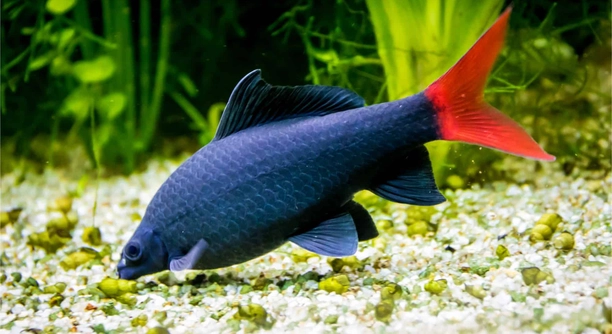
Rainbow sharks are popular aquarium fish known for their striking colors and peaceful nature. Keeping them healthy requires creating an ideal environment that supports their well-being. This article highlights key steps to maintain a safe and comfortable habitat for your rainbow shark.
Ensuring a healthy environment for rainbow sharks involves proper tank size, water quality, diet, and tank mates. Regular maintenance, stable water parameters, and enrichment are essential to prevent stress and disease, promoting their longevity and vitality in captivity.
Maintaining these factors will help your rainbow shark thrive and remain vibrant in your aquarium. The following tips provide practical guidance for their care.
Choosing the Right Tank Size
Rainbow sharks need enough space to swim and explore. A tank that is too small can cause stress and aggressive behavior. The minimum recommended size for one rainbow shark is 30 gallons. If you plan to keep more than one, a larger tank is necessary to avoid overcrowding. They also prefer hiding spots and plants to feel secure. Avoid sharp decorations that could harm their delicate fins. Proper filtration is essential to keep the water clean and oxygen-rich. Consistent water changes help maintain good water quality. Monitoring the tank’s temperature between 74°F and 80°F supports their health. Keeping these factors in check creates a comfortable home that encourages natural behavior and vibrant colors in your rainbow shark.
Regularly test water parameters to ensure the tank remains stable and healthy for your fish.
Providing adequate space and proper conditions helps prevent stress, disease, and aggression, making your rainbow shark more active and colorful.
Maintaining Water Quality
Clean water is essential for rainbow sharks to stay healthy. They are sensitive to high ammonia and nitrate levels, which can cause illness or death. Frequent water changes of 25-30% every week remove toxins and replenish minerals. Use a water conditioner to remove chlorine and chloramines from tap water. A reliable filtration system helps break down waste and keeps the water clear. Avoid overfeeding, as leftover food pollutes the water. Test the water regularly for pH, ammonia, nitrites, and nitrates. Keep the pH between 6.5 and 7.5, which suits rainbow sharks best. Maintaining stable water parameters reduces stress and supports their immune system.
Avoid sudden changes in water temperature or chemistry, which can shock your fish.
Proper water maintenance is the foundation of a healthy environment and longer lifespan for your rainbow shark. Consistency is key to preventing common health issues caused by poor water quality.
Providing a Balanced Diet
Rainbow sharks need a diet that includes both plant and protein-based foods. They enjoy algae wafers, sinking pellets, and occasional live or frozen foods like bloodworms or brine shrimp. A varied diet supports their health and vibrant coloration.
Feeding your rainbow shark once or twice a day in small amounts prevents overfeeding, which can pollute the water. Include vegetables such as blanched zucchini or spinach to supply essential nutrients and fiber. Avoid feeding only flakes or one type of food, as this can lead to nutritional deficiencies. Offering a balanced diet enhances their immune system and energy levels, promoting longer life and brighter colors.
Supplying a mix of plant matter and protein mimics their natural diet. Regular feeding times help establish a routine and reduce stress. Monitoring their eating habits can alert you to health issues early on.
Choosing Compatible Tank Mates
Rainbow sharks can be territorial, especially in smaller tanks. They do best with peaceful, similarly sized fish that occupy different areas of the tank. Avoid keeping multiple rainbow sharks together unless the tank is very large.
Suitable tank mates include tetras, barbs, danios, and larger bottom-dwellers like corydoras catfish. These species are active and generally avoid conflict. Avoid slow-moving or long-finned fish, as they may become targets for aggression. Providing plenty of hiding spots and visual barriers reduces stress and territorial disputes. Carefully selecting compatible tank mates creates a peaceful aquarium environment where all fish can thrive.
Introducing new fish gradually and observing interactions ensures harmony. Overcrowding or poor tank conditions increase aggression risks. A well-planned community tank supports the well-being of your rainbow shark and other fish.
Providing Adequate Hiding Spots
Rainbow sharks need places to hide and feel safe. Rocks, caves, and dense plants work well to create these shelters. Hiding spots reduce stress and prevent aggression among tank mates.
Providing different types of cover allows your fish to choose their preferred resting place. It also encourages natural behavior and exploration within the tank.
Monitoring Behavior and Health
Watch your rainbow shark’s behavior daily for signs of stress, illness, or aggression. Changes like loss of appetite, faded colors, or unusual swimming may indicate problems. Early detection helps prevent serious issues and keeps your fish healthy.
Keeping Tank Clean
Regular tank cleaning is necessary to maintain water quality. Remove uneaten food and debris during water changes to prevent harmful buildup.
Maintaining Stable Temperature
Rainbow sharks thrive best between 74°F and 80°F. Use a reliable heater to keep the temperature steady and avoid sudden fluctuations.
FAQ
How often should I feed my rainbow shark?
Feeding your rainbow shark once or twice daily is enough. Give small portions that they can finish within a few minutes. Overfeeding leads to water pollution and health problems, so stick to moderate amounts and remove any leftover food promptly.
What is the ideal tank size for a rainbow shark?
A minimum of 30 gallons is recommended for one rainbow shark. Larger tanks are better if you want multiple fish or tank mates. This space prevents territorial behavior and provides enough room for swimming and hiding.
Can rainbow sharks live with other fish?
Yes, but choose peaceful, similarly sized species that swim in different parts of the tank. Avoid slow or long-finned fish that may be bullied. Providing hiding spots reduces stress and helps keep peace among tank mates.
How do I maintain water quality for my rainbow shark?
Regular water changes of 25-30% weekly are essential. Use a water conditioner to remove harmful chemicals from tap water. Monitor pH, ammonia, nitrites, and nitrates frequently to keep water stable and safe.
What temperature is best for rainbow sharks?
Keep the tank between 74°F and 80°F using a reliable heater. Sudden temperature changes can cause stress and illness, so maintaining stability is important.
How can I tell if my rainbow shark is healthy?
Look for bright colors, active swimming, and a good appetite. Signs of illness include faded colors, lethargy, clamped fins, or unusual swimming patterns. Early detection helps treat problems before they worsen.
What should I feed my rainbow shark?
Feed a balanced diet with sinking pellets, algae wafers, and occasional live or frozen foods like bloodworms. Supplement with blanched vegetables like zucchini or spinach for added nutrients and fiber.
How often should I clean the tank?
Perform partial water changes weekly and clean the substrate to remove waste. Avoid full tank cleanings that disrupt beneficial bacteria. Regular maintenance keeps the environment healthy.
Can I keep more than one rainbow shark together?
It’s possible only in very large tanks, as rainbow sharks are territorial. In smaller tanks, multiple rainbow sharks often fight, leading to stress and injury.
Why is my rainbow shark hiding a lot?
Hiding can be normal, especially when they feel stressed or need rest. However, excessive hiding might indicate poor water conditions, illness, or bullying from tank mates. Check water parameters and observe interactions carefully.
What decorations are safe for rainbow sharks?
Use smooth rocks, caves, and sturdy plants to create hiding spots. Avoid sharp or rough decorations that can damage their fins. Providing varied shelter encourages natural behavior.
How important is filtration for rainbow sharks?
Filtration is crucial to maintain clean, oxygenated water. A good filter breaks down waste and prevents toxic buildup. Choose a filter appropriate for your tank size and clean it regularly.
Are rainbow sharks aggressive?
They can show territorial aggression, especially in crowded or small tanks. Proper space, hiding spots, and compatible tank mates reduce fighting and stress.
What do I do if my rainbow shark gets sick?
Quarantine the fish if possible and check water quality first. Use appropriate medications based on symptoms, and consult an aquatic veterinarian if needed. Early treatment improves chances of recovery.
Can rainbow sharks eat plants in my tank?
They may nibble on soft plants but usually don’t cause significant damage. Using hardy plants and providing enough food helps protect your aquarium plants.
Rainbow sharks can be a rewarding addition to your aquarium when cared for properly. Their bright colors and active nature make them a lively presence in any tank. However, ensuring they have a healthy environment is key to their well-being. Paying attention to tank size, water quality, diet, and compatible tank mates creates a stable habitat where these fish can thrive. Consistent care helps prevent common health problems and reduces stress, leading to a longer and happier life for your rainbow shark.
Maintaining good water conditions is one of the most important responsibilities. Regular water changes, proper filtration, and monitoring parameters like pH, ammonia, and nitrate levels keep the environment safe. A stable temperature within the recommended range is also essential. Rainbow sharks are sensitive to sudden changes, so keeping their water clean and stable supports their immune system and overall health. Feeding them a balanced diet with both plant and protein sources provides the nutrients they need to stay active and maintain vibrant colors.
Lastly, providing a tank setup that mimics their natural environment helps reduce stress and encourages natural behavior. Adding hiding spots, plants, and suitable decorations gives them places to rest and explore. Selecting peaceful and compatible tank mates minimizes aggression and creates a peaceful community aquarium. Paying close attention to your rainbow shark’s behavior and health allows you to notice early signs of any issues. With these steps, you can enjoy the beauty and energy of your rainbow shark for years to come.

Hello,
If you enjoy the content that we create, please consider saying a "Thank You!" by leaving a tip.
Every little bit helps us continue crafting quality advice that supports the health, happiness, and well-being of pets around the world, for pets of all shapes, sizes, and species.
We really appreciate the kindness and support that you show us!