
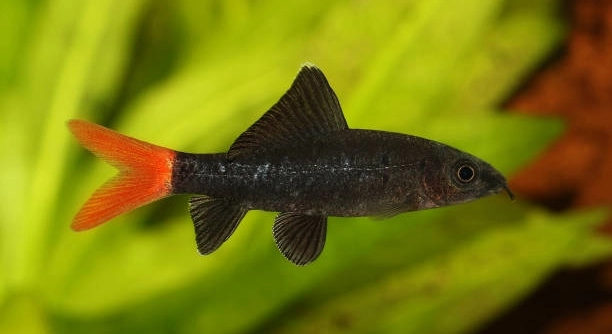
Rainbow sharks are popular freshwater fish known for their vibrant colors and active behavior. Many fishkeepers want to make sure their rainbow sharks get the right nutrition to stay healthy and lively. Proper feeding helps these fish grow strong and avoid common health issues.
Ensuring your rainbow shark receives adequate nutrition involves providing a balanced diet rich in protein, offering varied food types, maintaining clean water conditions, and feeding at appropriate intervals to support their metabolic needs and overall well-being.
Learning these feeding tips will help you keep your rainbow shark healthy and thriving in your aquarium for years to come.
Providing a Balanced Diet
Feeding your rainbow shark a balanced diet is essential for its health. These fish need high-quality protein to grow and maintain their bright colors. Pellets designed for carnivorous fish are a good base. Supplementing with frozen or live foods like bloodworms or brine shrimp can add variety and improve nutrition. Vegetables such as blanched zucchini or spinach can also be offered occasionally, as rainbow sharks sometimes nibble on plant matter. Avoid overfeeding, as uneaten food can pollute the tank and harm your fish’s environment. Feeding small amounts two to three times daily is usually sufficient to meet their needs without causing waste or obesity.
A varied diet keeps your rainbow shark interested and better nourished, preventing boredom and nutritional gaps.
Offering the right mix of pellets, live foods, and vegetables creates a well-rounded diet. It supports their natural eating habits and keeps their immune system strong. Keeping feeding consistent but not excessive will promote long-term health and prevent water quality issues.
Maintaining Clean Water Conditions
Clean water is key to proper nutrition absorption. Poor water quality stresses your fish, making it harder for them to digest and use nutrients. Regular water changes and monitoring parameters like ammonia, nitrites, and nitrates are important. A good filtration system helps remove waste and keeps the water stable. Avoid overcrowding, which can increase waste and reduce oxygen levels. Clean tanks also reduce the risk of disease, supporting your rainbow shark’s overall health. Keeping the environment stable makes feeding more effective, ensuring your fish can thrive.
Water quality directly impacts your fish’s ability to stay healthy and absorb nutrients properly.
Maintaining stable, clean water involves regular testing and partial water changes weekly or biweekly. Filters should be cleaned without disrupting beneficial bacteria. Avoid using harsh chemicals in the tank that can harm fish. Keeping the substrate clean by vacuuming helps remove leftover food and waste. Proper tank maintenance reduces stress and allows your rainbow shark to digest food efficiently, making every meal count towards their nutrition and wellbeing.
Feeding at Appropriate Intervals
Feeding your rainbow shark at regular times helps regulate their metabolism. It prevents overfeeding and supports steady energy levels throughout the day.
Feeding two to three times a day with small portions is ideal. This mimics their natural feeding behavior and avoids leftovers that can foul the tank. Overfeeding may cause health problems like bloating or swim bladder issues. Consistency in feeding times also helps the fish adapt and reduces stress.
Avoid feeding late at night or too infrequently, as this can disrupt their digestion and weaken their immune system. Keeping a routine allows your rainbow shark to maintain good health and activity.
Observing Your Fish’s Behavior and Health
Watching your rainbow shark closely helps you spot early signs of nutritional issues. Changes in activity level, appetite, or color can indicate problems.
If your fish seems lethargic or loses its vibrant color, it may not be getting the nutrients it needs. Reduced appetite or unusual swimming patterns could also point to health concerns. Catching these signs early allows you to adjust feeding or water conditions before problems worsen.
Regular observation builds a stronger connection with your fish and helps ensure they receive proper care. Being attentive means you can respond quickly to keep your rainbow shark healthy and happy.
Avoiding Overfeeding
Overfeeding can quickly harm your rainbow shark’s health. Excess food pollutes the water and stresses the fish.
Only feed small amounts that your fish can finish in a few minutes. This keeps the tank cleaner and your fish healthier.
Using Quality Commercial Foods
Choosing high-quality commercial pellets or flakes designed for carnivorous fish ensures your rainbow shark gets essential nutrients. Low-quality foods often lack important vitamins and proteins, which can lead to deficiencies.
Premium foods are formulated to support growth, color, and immune health. Look for products with natural ingredients and avoid fillers. This helps maintain your fish’s vitality and reduces the risk of health problems.
Supplementing with Live or Frozen Foods
Live or frozen foods like bloodworms and brine shrimp add variety and boost nutrition. They provide protein and stimulate natural hunting behavior, which keeps your rainbow shark active and engaged.
Monitoring Tankmates’ Feeding Habits
Tankmates may compete for food, causing your rainbow shark to miss meals. Watch feeding time closely to ensure it gets its share without stress.
FAQ
How often should I feed my rainbow shark?
Feeding your rainbow shark two to three times a day with small portions is best. This keeps their metabolism steady and prevents overfeeding. Each feeding should be just enough so the fish can finish the food within a few minutes. Overfeeding leads to water pollution and health issues.
What types of food are best for rainbow sharks?
A balanced diet includes high-quality carnivore pellets, supplemented with live or frozen foods like bloodworms and brine shrimp. Occasionally, offering blanched vegetables like zucchini can provide extra nutrients. Variety helps meet all their dietary needs and keeps them interested.
Can I feed my rainbow shark only pellets?
While pellets can form the diet base, relying on pellets alone isn’t ideal. Supplementing with live or frozen foods improves nutrition and stimulates natural feeding behavior. It also helps keep your fish active and healthy.
How much food should I give at one time?
Feed only what your rainbow shark can consume in about two to three minutes. This prevents leftover food from decomposing and polluting the tank. Feeding smaller portions multiple times a day is better than one large meal.
What signs show my rainbow shark isn’t getting enough nutrition?
Look for dull colors, lethargy, loss of appetite, or unusual swimming. These can indicate poor nutrition or illness. If you notice these signs, review your feeding routine and water quality to make adjustments.
Is it necessary to feed vegetables to my rainbow shark?
Rainbow sharks are primarily carnivorous, but they sometimes nibble on plant matter. Offering blanched vegetables occasionally can provide extra fiber and nutrients, though it shouldn’t replace protein-rich foods.
How do I prevent overfeeding?
Stick to scheduled feeding times with measured portions. Avoid free-feeding or leaving food in the tank for long periods. Removing uneaten food after feeding helps maintain water quality and prevents health problems.
What water conditions affect nutrition absorption?
Stable water temperature, clean water, and balanced pH levels are crucial. High ammonia or nitrate levels can stress fish and reduce their ability to absorb nutrients. Regular water tests and changes help maintain these conditions.
Can tankmates affect my rainbow shark’s nutrition?
Yes, aggressive or fast-feeding tankmates may compete for food, leaving your rainbow shark without enough to eat. Monitor feeding time to ensure your fish gets its share and consider separate feeding if needed.
Should I adjust feeding in different seasons?
Rainbow sharks may eat less during cooler months when their metabolism slows. Adjust feeding amounts accordingly but continue regular schedules to maintain health.
What if my rainbow shark refuses to eat?
Refusal to eat can indicate stress, illness, or poor water conditions. Check water parameters first and look for signs of disease. Offering a variety of foods might stimulate appetite. If problems persist, consult a vet or aquatic specialist.
Taking good care of your rainbow shark means paying attention to its nutrition and environment. Feeding a balanced diet with good-quality foods is important for keeping your fish healthy. Rainbow sharks need protein, so pellets made for carnivorous fish work well as a base. Adding live or frozen foods like bloodworms or brine shrimp gives extra nutrients and keeps your fish interested in eating. Sometimes offering vegetables like zucchini can help, but these should not replace protein sources. Feeding small amounts multiple times a day helps avoid overfeeding, which can harm your fish and pollute the tank.
Water quality also plays a big role in how well your rainbow shark absorbs nutrients. Clean water with stable conditions reduces stress and supports digestion. Regular water changes, good filtration, and testing water parameters like ammonia and nitrates are necessary to keep the tank healthy. Overcrowding and leftover food can worsen water quality, so keeping the tank clean and feeding only what your fish can eat in a few minutes is key. A well-maintained environment helps your fish stay active and colorful, and reduces the risk of disease.
Watching your rainbow shark’s behavior can tell you a lot about its nutrition and health. Changes in color, appetite, or activity may mean something is wrong. If your fish seems less active or loses its bright colors, review its diet and water conditions. Also, keep an eye on how your fish interacts with other tankmates during feeding times. Some fish may eat faster or compete for food, which can leave your rainbow shark without enough to eat. Paying attention to these details will help you make good decisions and keep your rainbow shark thriving for a long time.

Hello,
If you enjoy the content that we create, please consider saying a "Thank You!" by leaving a tip.
Every little bit helps us continue crafting quality advice that supports the health, happiness, and well-being of pets around the world, for pets of all shapes, sizes, and species.
We really appreciate the kindness and support that you show us!