
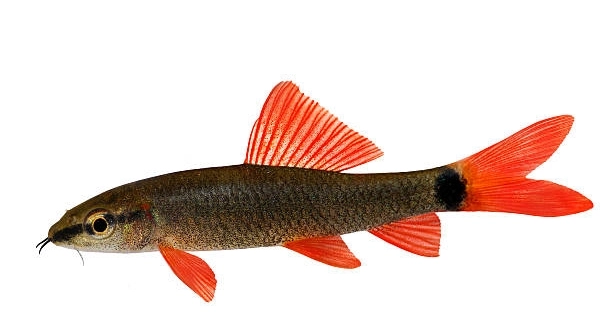
Rainbow sharks are popular freshwater fish known for their vibrant colors and peaceful nature. Many aquarium owners enjoy watching them swim actively around the tank. Ensuring these fish feel safe helps maintain their health and vibrant appearance.
To keep your rainbow shark from feeling threatened, provide plenty of hiding spots, maintain stable water conditions, avoid overcrowding, keep tank mates peaceful, feed them properly, and minimize sudden movements or loud noises near the aquarium. These steps reduce stress and promote well-being.
Following simple care tips can create a calm environment where your rainbow shark thrives. Understanding their needs helps you enjoy a lively and healthy fish for years to come.
Provide Plenty of Hiding Spots
Rainbow sharks feel more secure when they have places to hide in the aquarium. Adding decorations like rocks, caves, or plants gives them spots to retreat if they feel stressed. These hiding places help reduce anxiety and prevent aggressive behavior from tank mates. Avoid sharp or rough surfaces that could injure your fish. Live plants not only offer cover but also improve water quality by absorbing nitrates. It is important to arrange these spots so the fish can explore freely without feeling trapped. A well-decorated tank mimics their natural habitat and promotes natural behavior, making your rainbow shark feel safe and comfortable. Regularly check that hiding areas remain clean and accessible to avoid buildup of waste or algae, which could discourage your fish from using them.
Hiding spots are essential for reducing stress. They give your rainbow shark space to relax and feel protected.
Creating a balanced environment with ample hiding places can improve your fish’s overall health. It encourages natural behavior and reduces conflicts within the tank, leading to a calmer and more stable aquarium. This setup benefits both your rainbow shark and its tank mates by offering a peaceful shared space.
Maintain Stable Water Conditions
Stable water conditions are critical for the well-being of rainbow sharks. These fish are sensitive to sudden changes in temperature, pH, and water hardness. Consistent water parameters help prevent stress and illness.
Monitoring the water regularly ensures that temperature stays between 72°F and 79°F, and pH remains close to neutral (6.5-7.5). Use a reliable water testing kit to check ammonia, nitrite, and nitrate levels weekly. Frequent water changes, about 25% every two weeks, keep the environment clean and reduce harmful substances. Avoid overcrowding the tank, as it can cause rapid changes in water quality. Keeping a stable environment helps your rainbow shark remain active and healthy. If you notice unusual behavior or color fading, water quality is often the first aspect to check. Proper filtration and aeration also contribute to maintaining balance in the tank. Investing time in water care will pay off with a happy and thriving fish.
Avoid Overcrowding the Tank
Too many fish in the tank cause stress and competition. Rainbow sharks need enough space to swim freely and hide when needed.
Overcrowding can lead to poor water quality because waste builds up faster. It also increases aggression as rainbow sharks may feel threatened by too many neighbors. A tank of at least 30 gallons is recommended for one rainbow shark. Adding more requires a larger tank to avoid stress and territorial disputes. Proper spacing reduces fighting and allows your fish to show natural behaviors. Observing your fish daily can help you notice if they seem stressed or overly aggressive, signaling a need for more space or fewer tank mates. Keeping the right balance makes a big difference in your rainbow shark’s comfort and health.
A crowded tank also means less oxygen and fewer resources for each fish. Proper stocking levels improve water stability and keep the entire aquarium ecosystem healthier.
Choose Peaceful Tank Mates
Peaceful tank mates reduce stress for rainbow sharks. Avoid aggressive or very small fish that could cause trouble.
Compatible species like tetras, danios, and corydoras generally get along well with rainbow sharks. These fish occupy different parts of the tank, minimizing conflicts over territory. Avoid fin-nipping species or overly shy fish that might hide constantly. Watching how new fish interact during introductions helps prevent problems early on. Maintaining a calm community allows your rainbow shark to feel secure and lowers the chance of injury. This harmony also creates a pleasant environment for you to observe. Selecting the right tank mates contributes significantly to your fish’s well-being and peaceful aquarium life. Balance and compatibility should always guide your choices when adding new fish.
Feed Them Properly
Feeding your rainbow shark the right diet keeps it healthy and calm. Offer a mix of high-quality pellets and occasional live or frozen foods.
Avoid overfeeding, which can pollute the tank and cause health problems. Feed small amounts once or twice a day, making sure the fish eats everything within a few minutes.
Minimize Sudden Movements and Loud Noises
Rainbow sharks are easily startled by quick movements or loud sounds near the tank. Sudden disturbances make them hide or swim frantically, increasing stress.
Keeping a quiet, calm environment around the aquarium helps your fish feel secure. Try to avoid banging on the tank or making loud noises nearby.
Keep Regular Tank Maintenance
Regular tank cleaning and water changes are key to keeping your rainbow shark stress-free. Removing waste and changing water helps maintain good water quality, which directly impacts fish health.
Check and clean filters monthly to ensure they work efficiently. Monitor water parameters regularly and adjust as needed. Consistent maintenance prevents toxins from building up and reduces disease risks. A clean tank supports a peaceful, comfortable habitat where your rainbow shark can thrive.
Watch for Signs of Stress
Stress in rainbow sharks shows through hiding, loss of color, or erratic swimming. Early detection helps prevent serious health issues.
How can I tell if my rainbow shark is stressed?
Signs of stress in rainbow sharks include hiding more than usual, loss of their bright color, and erratic swimming like darting or rubbing against tank surfaces. They may also refuse food or stay at the bottom of the tank. Watching your fish daily helps catch these behaviors early so you can address problems quickly. Stress often results from poor water quality, overcrowding, or aggressive tank mates. Acting on these signs early improves your fish’s chances of recovery and keeps them healthier long-term.
What is the best diet for rainbow sharks?
Rainbow sharks are omnivores and need a varied diet to stay healthy. High-quality sinking pellets or flakes designed for bottom feeders work well as a staple. Supplementing with live or frozen foods like bloodworms, brine shrimp, or daphnia provides extra nutrients and variety. Occasionally adding blanched vegetables such as zucchini or spinach can benefit their digestion. Feed them small amounts once or twice daily, avoiding overfeeding to prevent water pollution and obesity. Balanced nutrition supports vibrant colors and active behavior.
Can rainbow sharks live with other fish?
Yes, but tank mates must be chosen carefully. Rainbow sharks can be territorial and aggressive, especially in small tanks. Peaceful species like tetras, danios, and corydoras usually coexist well because they occupy different tank levels and are not aggressive. Avoid fin-nippers, very small fish, or other aggressive species that may stress or harm your rainbow shark. A tank of at least 30 gallons helps reduce territorial disputes. Introducing new fish slowly and monitoring their interactions reduces risks and helps maintain a calm community.
How often should I clean my aquarium?
Regular cleaning is crucial to keep water quality high. Perform partial water changes of about 20-25% every one to two weeks, depending on tank size and stocking levels. Remove uneaten food and waste during these changes to prevent toxic buildup. Clean or replace filter media monthly, but avoid washing it with tap water to preserve beneficial bacteria. Regular testing of water parameters like ammonia, nitrite, nitrate, pH, and temperature ensures a safe environment. Consistent maintenance reduces stress on your rainbow shark and promotes good health.
Why does my rainbow shark hide all the time?
Frequent hiding usually means the fish feels threatened or stressed. Causes include aggressive tank mates, poor water conditions, lack of hiding spots, or sudden changes in the environment. Make sure your aquarium has enough decorations or plants for shelter. Check water parameters and tank mates for possible issues. Improving these factors often encourages your rainbow shark to swim more openly and behave naturally. Hiding is a natural behavior but excessive hiding signals that something needs attention.
What water temperature is best for rainbow sharks?
Rainbow sharks thrive in water between 72°F and 79°F (22°C to 26°C). Temperatures outside this range can cause stress or weaken their immune system. Use a reliable heater and thermometer to maintain stable temperature, avoiding sudden fluctuations. Stable temperature supports healthy metabolism and active swimming. Proper heating also helps prevent illness and promotes feeding. Consistent water temperature is a key factor in keeping your rainbow shark comfortable and vibrant.
Can I keep multiple rainbow sharks together?
Keeping more than one rainbow shark in the same tank is not recommended unless the aquarium is very large (75 gallons or more). Rainbow sharks are territorial and can become aggressive toward each other in confined spaces. If housed together in small tanks, they may fight, causing injury or stress. If you want several, provide ample space, hiding places, and monitor behavior closely. Usually, one rainbow shark per average home aquarium keeps stress and aggression at a minimum.
How do I introduce a new fish to the tank with a rainbow shark?
Introduce new fish slowly to reduce stress and aggression. Start by quarantining the new fish for at least two weeks to avoid spreading diseases. When adding them to the main tank, rearrange decorations to disrupt existing territories. Turn off aquarium lights during introduction to lessen visibility. Observe interactions carefully for the first few days and be ready to separate fish if aggressive behavior occurs. Gradual introduction helps maintain peace and ensures your rainbow shark stays comfortable.
What are common diseases in rainbow sharks?
Common diseases include ich (white spot disease), fin rot, and bacterial infections, often caused by poor water quality or stress. Symptoms include white spots, ragged fins, lethargy, and loss of appetite. Prompt diagnosis and treatment with appropriate medications are important. Regular tank maintenance and good nutrition prevent most illnesses. Isolating sick fish can reduce spread to others. Keeping stress low and water clean supports a strong immune system, making your rainbow shark less prone to diseases.
How long do rainbow sharks live?
With proper care, rainbow sharks can live 5 to 8 years in captivity. Lifespan depends on water quality, diet, tank conditions, and stress levels. Providing a stable environment, a balanced diet, and good tank mates all contribute to a longer, healthier life. Regular monitoring and maintenance ensure your fish stays happy and vibrant throughout its years. Consistency in care is the best way to support your rainbow shark’s longevity.
Taking good care of your rainbow shark helps it live a healthy and happy life. These fish need a stable and comfortable environment to feel safe and avoid stress. Providing hiding spots, maintaining clean water, and choosing peaceful tank mates are key parts of this care. When your fish feels secure, it will show its bright colors and swim actively, which makes the aquarium more enjoyable to watch.
Keeping the water conditions steady is very important. Rainbow sharks are sensitive to sudden changes in temperature, pH, or water quality. Regular water testing and cleaning help prevent problems before they start. Avoiding overcrowding and feeding the right amount of food also keeps the tank balanced. Paying attention to your fish’s behavior can help you spot signs of stress early. Acting quickly by adjusting the tank or water conditions will help your fish recover faster.
Overall, taking time to understand the needs of your rainbow shark will create a peaceful aquarium environment. This benefits not only the rainbow shark but also other fish sharing the tank. Small daily efforts like feeding properly and watching for changes can make a big difference in the long run. With the right care, your rainbow shark can thrive and be a lively part of your home for many years.

Hello,
If you enjoy the content that we create, please consider saying a "Thank You!" by leaving a tip.
Every little bit helps us continue crafting quality advice that supports the health, happiness, and well-being of pets around the world, for pets of all shapes, sizes, and species.
We really appreciate the kindness and support that you show us!