
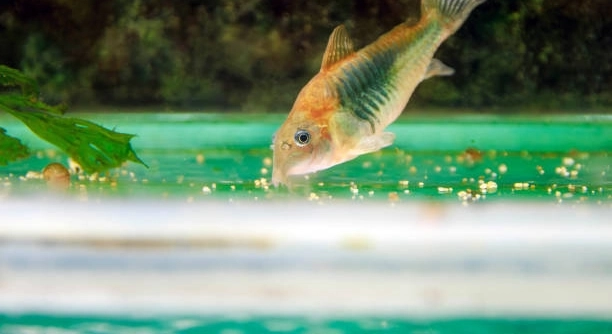
Corydoras catfish are peaceful and charming fish, ideal for a community tank. However, ensuring their well-being requires careful attention to their environment and specific needs. Proper care can help them thrive alongside other tank mates.
To ensure your Corydoras catfish thrive in a community tank, focus on water quality, temperature, proper feeding, and compatible tank mates. Regular maintenance, including water changes and substrate care, is essential for a healthy and stress-free environment.
With the right setup, your Corydoras can flourish in a community tank, benefiting both you and your other fish.
Maintaining Clean Water
Corydoras catfish are sensitive to water conditions, and clean water is vital for their health. Regular water changes help maintain water quality, reducing toxins like ammonia and nitrites. A good filtration system is also necessary to ensure proper water circulation. Corydoras prefer soft, slightly acidic water with a temperature range of 72-78°F (22-26°C). Check water parameters frequently, as unstable conditions can stress the fish and lead to illness. If you notice any signs of distress, like erratic swimming or decreased appetite, test the water immediately. Keeping the water clean and stable should be your top priority when caring for these fish.
To keep your tank in balance, perform partial water changes weekly. Filter maintenance is also crucial to avoid clogging, which can lead to poor water quality.
If you keep Corydoras in a community tank, they will appreciate soft water and gentle filtration. Keep the environment peaceful and maintain regular testing, as their well-being depends on consistent care and clean water.
Proper Substrate Selection
The type of substrate you use for your Corydoras tank matters. These fish have sensitive barbels, and a rough or sharp substrate can cause damage. Sand is the best option for the bottom of your tank as it allows the catfish to forage comfortably. Avoid using gravel or rocks that are too large, as they can injure the delicate barbels when the fish dig through the substrate. Smooth, fine-grained sand provides the perfect environment for Corydoras to explore while keeping them safe.
Substrate care should also include occasional cleaning to remove debris. However, be cautious not to disturb the sand too much as it may disrupt the natural balance of the tank.
Feeding Your Corydoras
Corydoras are omnivores and enjoy a varied diet. Offering a mix of high-quality pellets, frozen or live food like bloodworms, and occasional vegetable matter ensures balanced nutrition. These fish are bottom feeders and will actively search for food on the substrate. Avoid overfeeding, as leftover food can affect water quality. Feed small amounts daily to prevent waste buildup. Corydoras can also be fed sinking wafers to meet their dietary needs and provide them with essential nutrients.
While they are not aggressive eaters, Corydoras will enjoy foraging for food, especially when you provide a mix of live or frozen treats. These foods help mimic their natural diet, ensuring they remain healthy and active.
If you notice your Corydoras aren’t eating as much, check the water quality and their tank mates. Stress or poor water conditions can lead to reduced appetite.
Choosing Tank Mates
Corydoras catfish are peaceful fish that do well in community tanks. They get along with most other species, but it’s important to avoid keeping them with overly aggressive or large fish. Small, non-aggressive fish such as tetras, guppies, and small rasboras are ideal companions. Ensure that the tank is not overcrowded, as Corydoras prefer swimming in groups of at least six. This provides them with the security they need and prevents stress.
Tank mates should also have similar water parameter requirements to keep the environment balanced. Compatibility goes beyond size and temperament—ensuring similar temperature and pH levels is key to a harmonious tank. It’s also important to consider the activity level of other fish. Corydoras are calm swimmers and need peaceful companions that won’t chase or crowd them. A balanced, diverse tank will promote the overall health of all your fish.
Temperature Control
Corydoras thrive in a consistent water temperature between 72-78°F (22-26°C). Sudden fluctuations can stress them, leading to illness. Use a reliable aquarium heater to maintain a stable environment, especially in cooler rooms. Always check the water temperature regularly to ensure it remains within the ideal range for these fish.
If the temperature gets too low, Corydoras may become lethargic and stop eating. Conversely, higher temperatures can lead to increased metabolism and shorten their lifespan. Maintaining an even temperature helps them feel secure and reduces the risk of stress-related health issues.
Water pH Levels
Corydoras prefer slightly acidic to neutral water with a pH between 6.0 and 7.5. Extreme pH levels can cause discomfort and health problems. Regular testing is necessary to ensure the water stays within this range. Use pH adjusters cautiously, as rapid changes can harm the fish.
Maintaining proper pH levels is essential for Corydoras’ overall well-being. Stability is more important than achieving a specific value, so make gradual adjustments if needed. Regular monitoring of pH will help keep your Corydoras comfortable and thriving in their environment.
Tank Size
A minimum tank size of 20 gallons is ideal for Corydoras. They are active fish that require ample space to swim and forage. In a larger tank, Corydoras are more likely to thrive, as they’ll have room to establish their territory and interact with others in the group.
A cramped tank can cause stress, leading to illness or aggression among tank mates. Keeping a larger tank also helps maintain water quality by diluting waste, making it easier to care for your fish. A spacious environment supports their health and ensures they remain happy and active.
FAQ
What is the best substrate for Corydoras catfish?
Corydoras prefer fine, smooth sand as their substrate. Rough or sharp gravel can damage their sensitive barbels while they forage along the bottom. Sand allows them to dig and search for food without injury. It also prevents waste from getting trapped, which helps maintain good water quality.
How often should I feed Corydoras catfish?
Feed Corydoras small amounts of food once or twice a day. They are bottom feeders, so provide sinking pellets, wafers, or live/frozen food like bloodworms or brine shrimp. Be careful not to overfeed, as excess food can quickly affect water quality. It’s important to remove uneaten food after a few hours to avoid waste buildup.
Do Corydoras catfish need a filter?
Yes, Corydoras require a filter to maintain clean water. They prefer tanks with gentle filtration to avoid strong currents, which can stress them. A good filter helps remove waste, excess food, and toxins from the water. Make sure the filter is appropriate for the size of your tank and doesn’t create too much turbulence.
Can Corydoras catfish live in cold water?
Corydoras are not cold-water fish and should not be kept in temperatures below 70°F (21°C). They prefer warmer water between 72-78°F (22-26°C). Prolonged exposure to cold water can cause stress, lower their immune response, and lead to health issues. Using an aquarium heater is essential for maintaining their preferred temperature range.
Are Corydoras catfish social fish?
Yes, Corydoras are social and thrive in groups. They feel safer and less stressed when kept in schools of at least 4-6 individuals. Keeping them in a group allows them to exhibit natural behavior, like foraging and swimming together. A solitary Corydoras may become stressed and act lethargic.
What are common tank mates for Corydoras catfish?
Corydoras are peaceful and get along well with many community tank fish, such as tetras, guppies, and small rasboras. Avoid aggressive or large fish that might intimidate or prey on them. Corydoras should not be kept with species that have sharp fins, as they might accidentally damage their sensitive barbels.
How can I tell if my Corydoras is stressed?
Signs of stress in Corydoras can include erratic swimming, hiding, decreased appetite, or changes in their normal behavior. Stress may also manifest as pale coloration or rapid gill movement. Stress can be caused by poor water quality, incompatible tank mates, or sudden temperature fluctuations. Always test water parameters if your Corydoras show signs of stress.
What do Corydoras catfish eat in the wild?
In the wild, Corydoras are omnivores and feed on a variety of foods, including small invertebrates, worms, algae, and decaying plant matter. They are bottom feeders, sifting through the substrate to find food. In captivity, they should be provided with sinking pellets, frozen or live foods, and occasional plant matter to mimic their natural diet.
Do Corydoras catfish need a lid on their tank?
While Corydoras are not jumpers like some species, it’s still a good idea to have a lid on your tank to prevent any unexpected accidents. A lid helps maintain humidity levels and keeps other potential tank mates in the aquarium. It also prevents debris from entering the tank and disrupting water quality.
Can Corydoras live with snails?
Yes, Corydoras can live with snails, and they may even help clean up leftover food that snails miss. However, you should be cautious about the size and species of snails. Some snails can become pests and overpopulate your tank. As long as the snails are not aggressive or large, they are typically compatible with Corydoras.
Why is my Corydoras not eating?
If your Corydoras is not eating, there may be a few reasons. Poor water quality, temperature fluctuations, or stress from aggressive tank mates can cause a loss of appetite. Check water parameters, ensure the temperature is stable, and make sure the other fish are not bullying the Corydoras. If the problem persists, consider isolating the affected fish in a hospital tank for further observation.
Do Corydoras catfish need a large tank?
Corydoras do well in tanks of at least 20 gallons, which provides them with enough space to swim and explore. A larger tank gives them more room to establish territory, and it helps with maintaining stable water quality. It’s also easier to manage water parameters in a larger tank, reducing stress on the fish.
How do I keep my Corydoras tank clean?
To keep a Corydoras tank clean, perform regular water changes (about 20-25% per week). Clean the filter regularly, but avoid disturbing the substrate too much to prevent debris from being stirred up. Use a gravel vacuum to remove detritus from the bottom of the tank without harming the sensitive barbels of the Corydoras.
Can Corydoras live with other types of catfish?
Corydoras generally get along well with other types of peaceful catfish, such as Otocinclus or small species of plecos. However, avoid keeping them with larger or aggressive catfish species that may outcompete them for food or become territorial. Make sure all tank mates have compatible water and space requirements.
How can I tell if my Corydoras is healthy?
Healthy Corydoras are active, swim in schools, and have vibrant coloration. Their barbels should be intact and not show signs of injury or damage. Healthy fish will also eat regularly and exhibit natural foraging behavior. If your Corydoras is lethargic or showing any unusual symptoms, it could be a sign of poor water quality or disease.
Why is my Corydoras swimming upside down?
If your Corydoras is swimming upside down or acting unusually, it could be a sign of swim bladder disease. This condition can be caused by poor water quality, stress, or an overfeeding issue. Check the water parameters, reduce feeding amounts, and observe the fish carefully for any further signs of illness.
How long do Corydoras catfish live?
Corydoras catfish typically live for 5-10 years, depending on their care. A stable, well-maintained tank with proper water quality and a balanced diet can help ensure a long, healthy life. Some species may live longer with optimal conditions. Regular monitoring of water parameters and routine maintenance can help extend their lifespan.
Final Thoughts
Corydoras catfish can be a wonderful addition to a community tank. Their peaceful nature and engaging behavior make them a joy to watch. With proper care, they can thrive in your aquarium for many years. By focusing on factors such as water temperature, quality, and tank mates, you can ensure their well-being. These small but active fish are not only beautiful but also play an important role in keeping the substrate clean by scavenging for leftover food.
Maintaining stable water conditions is key to keeping Corydoras healthy. They are sensitive to drastic changes in water quality, so regular water testing and maintenance are essential. A reliable filtration system, along with consistent water changes, will help prevent the buildup of harmful substances. Additionally, providing a tank that offers plenty of space and hiding spots will keep them stress-free. The more stable and natural the environment, the happier and healthier your Corydoras will be.
By meeting their needs for social interaction, a proper diet, and environmental stability, Corydoras catfish can flourish in your tank. Their easygoing nature makes them compatible with many other species, but it’s still important to ensure all tank mates are compatible. With a little effort and attention to detail, your Corydoras will bring beauty and balance to your aquarium.

Hello,
If you enjoy the content that we create, please consider saying a "Thank You!" by leaving a tip.
Every little bit helps us continue crafting quality advice that supports the health, happiness, and well-being of pets around the world, for pets of all shapes, sizes, and species.
We really appreciate the kindness and support that you show us!