
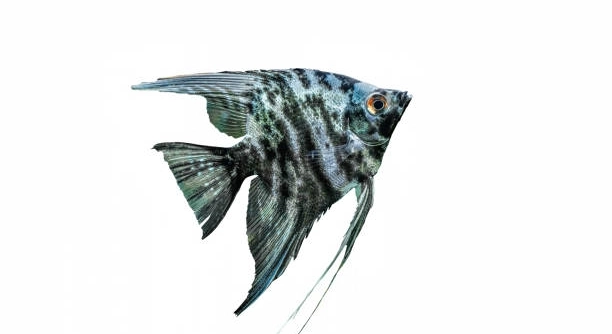
Angelfish are beautiful creatures, but ensuring they thrive requires specific care. Their vibrant colors and graceful movements make them a popular choice for many fish enthusiasts. Proper attention can help your angelfish live a long, healthy life.
To promote the longevity and well-being of your angelfish, providing a balanced diet, maintaining clean water conditions, and ensuring appropriate tank size and temperature are crucial. Regular health checkups, along with social and environmental stability, will also contribute to their overall vitality.
Maintaining proper care is essential for your angelfish’s health. Understanding these tips will ensure they live a long and healthy life in your aquarium.
Providing a Balanced Diet for Your Angelfish
A healthy diet is crucial for your angelfish’s longevity. In the wild, they feed on a variety of insects, worms, and plant matter. To mimic this, offer them a mix of high-quality pellets, flakes, and frozen or live food like brine shrimp and bloodworms. Make sure the food is properly sized to avoid overfeeding or underfeeding. This helps maintain their energy levels and supports their immune system. It’s also important to rotate different types of food to ensure a varied, nutritious diet.
Feed your angelfish two to three times per day. Avoid overfeeding as it can lead to water pollution and health issues. The right balance keeps them vibrant and healthy.
The quality of the food is as important as the quantity. Using high-quality, specially formulated food ensures your fish receive essential nutrients. Fish also thrive when their diet is balanced with protein, fiber, and other nutrients they need to stay active.
Keeping the Water Clean and Safe
Maintaining clean water is one of the most important factors in keeping your angelfish healthy. Their tanks should be kept at a constant temperature, typically between 76°F and 82°F (24°C to 28°C), and water conditions should be checked regularly.
A reliable filtration system will keep the water clear, removing harmful toxins like ammonia, nitrites, and nitrates. Regular water changes, about 20% to 30% every week, will help to prevent the buildup of waste and ensure a stable environment for your fish.
Proper water care includes monitoring pH levels, hardness, and other water parameters. Keeping the tank free from debris and excess food will help maintain a healthy aquatic environment. Healthy water equals healthy fish, which contributes to their long life.
Ensuring Proper Tank Size
Angelfish need space to swim comfortably. A minimum of 20 gallons is recommended for one angelfish, with an additional 10 gallons for each extra fish. The tank should provide enough room for them to exhibit natural behaviors and avoid stress, which can impact their health.
A larger tank also helps maintain water quality and reduces the frequency of water changes. Overcrowding leads to poor water conditions and can cause diseases. A well-sized tank allows your angelfish to grow to their full potential, promoting their overall well-being.
Investing in a spacious tank from the start prevents many future issues. It provides a stable environment where angelfish can thrive. Ensure you keep the water clean and make adjustments as your fish grow to avoid overcrowding.
Maintaining Ideal Water Temperature
Angelfish thrive in a warm environment. The temperature should be maintained between 76°F and 82°F (24°C to 28°C). Fluctuating temperatures can cause stress and weaken their immune system, making them more susceptible to illness.
A reliable aquarium heater is essential to keep the temperature consistent. Monitor the temperature regularly with a thermometer to avoid sudden shifts. Extreme temperatures, either too hot or too cold, can lead to problems with digestion and overall health.
Keep an eye on the room temperature as well. If the room temperature fluctuates drastically, it may affect the water temperature, so it’s important to adjust accordingly. A stable, warm tank is crucial for their longevity.
Regular Health Checkups
Check your angelfish regularly for signs of illness, such as changes in behavior, abnormal swimming, or visible spots on their bodies. Catching problems early ensures they get the treatment they need before it affects their health too much.
Make sure to quarantine new fish before adding them to your tank. This prevents potential diseases from spreading to your angelfish. Regularly checking water conditions also helps maintain a healthy environment.
A quick inspection every few days can help identify any early signs of disease. Prevention is much easier than treatment, so keep a close eye on their behavior.
Tankmates and Social Environment
Angelfish are peaceful but can become territorial, especially when breeding. Choose tankmates carefully, ensuring they are peaceful and won’t harass the angelfish. Avoid small, fast fish that may stress them out.
Angelfish are social creatures and thrive in a community tank with other calm fish. However, providing hiding spots and plants gives them areas to retreat if they feel threatened. Keeping a peaceful social environment helps reduce stress.
Always keep an eye on interactions between your angelfish and their tankmates. A calm, harmonious tank is key to their happiness and health.
The Right Lighting for Your Angelfish
Angelfish thrive with a consistent light cycle. Aim for around 10 to 12 hours of light each day. Too much light can cause stress and algae growth, while too little light may affect their feeding habits.
Make sure to use aquarium lighting designed for fish. Proper lighting helps regulate their biological clock, promoting healthy behaviors. Low-intensity LED lights are a great option that won’t overwhelm the tank.
Be mindful of the light placement. Direct sunlight can cause temperature fluctuations and increase algae growth. It’s best to keep the tank away from direct sunlight for better control.
FAQ
How often should I feed my angelfish?
Angelfish should be fed two to three times a day. They thrive on a varied diet that includes high-quality flakes, pellets, and occasional live or frozen foods like brine shrimp or bloodworms. Be mindful not to overfeed, as excess food can pollute the water and cause health problems. Only feed what they can consume in 2 to 3 minutes to avoid leftover food sinking to the bottom and creating waste.
What is the best temperature for my angelfish tank?
Angelfish prefer water temperatures between 76°F and 82°F (24°C to 28°C). Keeping the water within this range ensures they stay healthy and active. Use an aquarium heater to maintain a consistent temperature, as fluctuations can stress your fish. Avoid letting the temperature drop below 75°F (24°C), as this can lead to weakened immune systems and increase susceptibility to disease.
Can angelfish live with other fish?
Yes, angelfish are peaceful but can be territorial, especially during breeding. They can live with other calm, similarly-sized fish such as tetras, gouramis, or rainbowfish. Avoid keeping them with aggressive or fin-nipping species. Smaller fish, especially those that are fast swimmers, can stress angelfish. Always ensure there is enough space and hiding spots to prevent aggression.
How big do angelfish get?
Angelfish typically grow to about 6 inches in length and can reach up to 8 inches in height, including their fins. They need space to grow, which is why a minimum tank size of 20 gallons is recommended for one fish. A larger tank gives them the room they need to move around comfortably.
How long do angelfish live?
With proper care, angelfish can live for 10 to 15 years. Factors like water quality, diet, tank size, and stress levels all play a role in their lifespan. Consistent maintenance of these conditions can help extend their life. Regular health checkups and a stress-free environment are key to ensuring a long, healthy life for your angelfish.
Do angelfish need a filter?
Yes, angelfish require a filter to keep the water clean. A filter helps remove harmful chemicals like ammonia, nitrites, and nitrates from the water, which can otherwise lead to poor health or even death. Choose a filter that matches the size of your tank and make sure to clean it regularly for optimal performance.
How can I tell if my angelfish is sick?
Signs of illness in angelfish include a loss of appetite, lethargy, abnormal swimming patterns (like swimming upside down or near the surface), and visible symptoms such as spots, lesions, or faded colors. If you notice any of these, it’s important to quarantine the sick fish and check water quality to identify any potential causes.
What type of water conditions are best for angelfish?
Angelfish prefer slightly acidic to neutral water, with a pH range of 6.5 to 7.5. They also prefer soft to moderately hard water. Regularly check the pH, hardness, and temperature of the water to keep it in an ideal range. Consistently good water quality is essential for their health.
Can I breed angelfish in my aquarium?
Yes, angelfish are known to breed in aquariums, especially when provided with the right conditions. They prefer a well-maintained tank with a breeding substrate like flat rocks or leaves. The water temperature should be slightly warmer, between 80°F and 82°F (27°C to 28°C), and they need clean water with proper filtration. Once the eggs are laid, the parents usually guard them until they hatch.
What is the best substrate for angelfish?
A soft substrate like fine gravel or sand is ideal for angelfish. It’s easy to maintain and won’t harm their delicate fins. Avoid sharp-edged gravel, as it can injure your fish. The substrate also provides a place for beneficial bacteria to grow, helping to maintain a stable environment.
Are angelfish sensitive to water changes?
Yes, angelfish can be sensitive to sudden water changes. Drastic fluctuations in temperature, pH, or hardness can cause stress and harm your fish. When performing water changes, ensure that the new water matches the temperature and parameters of the tank water as closely as possible. Perform partial water changes (about 20% to 30%) weekly to keep the water clean and stable.
Can angelfish be kept with plants?
Yes, angelfish can live with live plants in their tank. In fact, plants are beneficial as they help maintain water quality and provide hiding spots for the fish. However, angelfish may occasionally nibble on plants, so choose hardy species like Java fern or Anubias that can withstand some nibbling. Plants also contribute to the overall aesthetic of the aquarium.
How do I prevent aggression in angelfish?
Aggression in angelfish is usually a result of overcrowding, territorial disputes, or breeding behavior. To reduce aggression, ensure the tank is large enough, with plenty of hiding spots and plants. If breeding occurs, separate the male and female if necessary. Avoid keeping more than one male angelfish in a tank, as this can lead to territorial fighting.
Can angelfish live in cold water?
No, angelfish are tropical fish and prefer warm water. Keeping them in cold water can cause stress and make them susceptible to illness. If you live in a colder climate, ensure that you have a reliable aquarium heater to maintain the appropriate water temperature. A stable temperature is vital for their overall health and comfort.
What is the best tank size for angelfish?
For one angelfish, a tank size of at least 20 gallons is recommended. This provides enough space for swimming and helps maintain water quality. If you plan to keep multiple angelfish or other fish, consider a larger tank, such as 30 or 40 gallons, to prevent overcrowding. A larger tank is always better for fish health.
Final Thoughts
Caring for angelfish can be a rewarding experience if done with proper knowledge and attention. These beautiful fish have unique needs, but once you understand their environment and care requirements, they thrive in a well-maintained tank. From water quality to feeding habits, the right conditions play a major role in ensuring your angelfish remain healthy and active. By keeping their environment clean, maintaining stable water parameters, and providing a balanced diet, your angelfish can live a long and vibrant life.
While angelfish are relatively easy to care for, it’s essential to stay observant and proactive. Regularly check for signs of illness, monitor water conditions, and ensure their tankmates are compatible. Remember, angelfish can be sensitive to sudden changes, so gradual adjustments are key to avoiding stress. With regular maintenance and the right tank setup, these fish can easily become the centerpiece of your aquarium. Keep in mind that your efforts will not only benefit your angelfish but also enhance the overall health of your aquarium community.
In conclusion, creating a peaceful and healthy environment for your angelfish requires consistent care and attention. Proper tank setup, a balanced diet, and good water quality are the foundations of their well-being. By following these guidelines and staying proactive, your angelfish will thrive in a happy and healthy home. The satisfaction of watching them grow and flourish will make the effort worth it. Always continue learning and adjusting to meet their needs, and your angelfish will reward you with their beauty for years to come.

Hello,
If you enjoy the content that we create, please consider saying a "Thank You!" by leaving a tip.
Every little bit helps us continue crafting quality advice that supports the health, happiness, and well-being of pets around the world, for pets of all shapes, sizes, and species.
We really appreciate the kindness and support that you show us!