
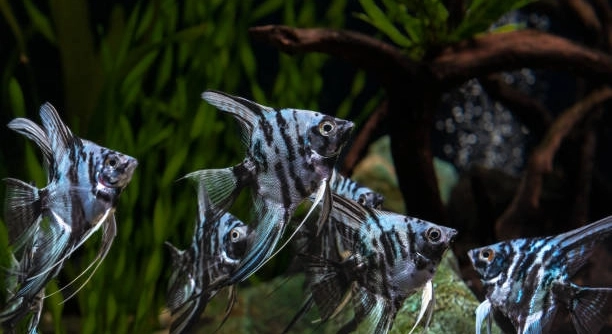
Do your angelfish seem to be constantly hungry, even after feeding them? Overfeeding can lead to various health issues, so it’s important to ensure they are getting the right amount of food without excess.
The best way to prevent overfeeding is by establishing a consistent feeding routine and offering only the necessary portions. Regularly monitor their eating habits and remove any uneaten food within a few minutes to avoid water contamination and health problems.
By understanding these simple steps, you can keep your angelfish healthy and thriving. These habits will ensure their well-being and create a balanced feeding environment in your aquarium.
Control Portion Sizes
The amount of food you give your angelfish plays a huge role in preventing overfeeding. Start by measuring the food to ensure they are only getting what they need. A good rule of thumb is to offer a small amount, just enough for them to eat in about two to three minutes. Over time, you will get a sense of the right portion size for your fish.
Feeding them too much at once will lead to uneaten food, which can degrade water quality. This can cause stress and health problems for your fish. It’s crucial to keep track of how much you feed each time and adjust based on their needs.
Offering too much food is a common mistake that can lead to health complications like bloating or water pollution. Overfeeding also leads to wasted food sinking to the bottom of the tank. This can cause further issues like algae growth and an unhealthy environment.
Use Feeding Tools
If measuring food seems like a hassle, you can use automatic fish feeders. These devices dispense food at scheduled times, helping you control the portions more easily. They can be set to feed small portions multiple times a day, preventing overfeeding.
Automatic feeders also help reduce the risk of forgetting to feed your fish or accidentally overfeeding. Some models even allow for a variety of food types, such as flakes or pellets, which can be helpful for different types of fish. Regular use of automatic feeders ensures your angelfish get a consistent amount of food, keeping them healthy without excess.
Avoid Overfeeding During Growth Phases
When your angelfish are young and growing, they may seem like they need more food. While this is true to an extent, it’s important to avoid feeding them too much. Overfeeding during growth can lead to obesity and long-term health issues.
Monitor their growth carefully and adjust their food portions as they age. Offer smaller portions several times a day instead of large, infrequent feedings. This helps maintain steady growth while ensuring they don’t consume excess food. A balanced diet is crucial for strong, healthy fish. Keep track of their feeding habits to avoid overfeeding.
Overfeeding during the growth phase can quickly lead to digestive issues, such as bloating or constipation. Additionally, excessive food can make the water dirty, stressing the fish. Regularly clean the tank to ensure a healthy environment for their development. Small, frequent meals help to prevent this while promoting steady growth.
Observe Feeding Habits
Angelfish can sometimes appear to be hungry, even after a proper feeding. However, their hunger cues may be more about habit than actual need. Observing their feeding behavior can help you avoid overfeeding.
You may notice that they nibble even after they’ve eaten enough. This is why it’s important to keep a close eye on how much food is left in the tank after each feeding. Angelfish often beg for food, but that doesn’t necessarily mean they need more. Recognize when they are satisfied and avoid adding extra food.
Keeping track of how much food is left can prevent excessive feeding. If food is consistently uneaten, cut back on the portions. Overfeeding can also lead to uneaten food decaying in the tank, harming both water quality and the fish’s health. Regular observation allows you to make necessary adjustments.
Remove Uneaten Food
After feeding your angelfish, always check for leftover food. Leftovers that remain in the tank can cause water quality issues and attract harmful bacteria. Remove any uneaten food after about 10 to 15 minutes to maintain a clean environment.
If food is left behind regularly, you may be overfeeding. Reducing the amount offered helps prevent this, ensuring the fish only eat what they need. This also helps avoid water contamination and algae growth. Regularly cleaning the tank and removing any leftovers keeps the environment healthy.
Choose the Right Food Type
Not all fish food is the same, and angelfish need a balanced diet. Offer a variety of high-quality flakes, pellets, and occasional live foods. The right combination ensures they get the nutrients they need without being overfed.
Some types of food, especially live foods, can lead to overfeeding if given too often. Stick to a routine that limits treats and focuses on their main diet. This helps to control portion sizes while giving them the variety they need for proper nutrition.
FAQ
How often should I feed my angelfish?
Angelfish should be fed once or twice a day. Younger fish may need more frequent meals, while adults can be fed once a day. It’s essential to monitor their hunger cues and avoid overfeeding. Providing food in small portions ensures they get the necessary nutrients without excess.
What is the best type of food for angelfish?
High-quality flakes or pellets are ideal for angelfish. You can also supplement their diet with occasional live or frozen foods, such as brine shrimp or bloodworms. However, avoid overfeeding these treats as they are richer in nutrients and can lead to weight gain.
Can I feed my angelfish too much?
Yes, overfeeding can cause a range of health problems, including bloating, constipation, and poor water quality. If your angelfish regularly have leftover food in the tank, it’s a sign you’re feeding too much. Reduce portion sizes and monitor their behavior to adjust feeding habits.
How do I know if I am overfeeding my angelfish?
If you notice uneaten food accumulating in the tank, your angelfish may be overfed. Other signs include a cloudy tank, algae growth, or your fish becoming sluggish. Consistently monitor how much they eat during each feeding and adjust portions accordingly to avoid overfeeding.
Is it okay to skip a feeding day?
It’s fine to skip one feeding day if your angelfish seem well-fed. In fact, a fasting day can help with digestion and prevent overfeeding. However, don’t make it a regular practice. Fish need a balanced, consistent feeding routine to stay healthy.
Can I feed my angelfish different types of food?
Yes, variety is key to keeping your angelfish healthy. You can feed them a mix of flakes, pellets, and occasional live or frozen foods. However, ensure that the portions are balanced and appropriate for their size. Too much variation can lead to overfeeding.
What should I do if my angelfish eat all the food quickly?
If your angelfish eat quickly, it’s a sign they may be hungry, but it doesn’t necessarily mean they need more food. Try feeding smaller portions more frequently throughout the day instead of one large meal. This will prevent overeating and keep their digestive system in check.
How much should I feed my angelfish per meal?
Start with a small pinch of food—about the size of their eye—and observe how much they eat in a few minutes. Over time, you’ll learn how much they need based on their size and activity level. Adjust portions to match their appetite without exceeding their needs.
Should I remove uneaten food from the tank?
Yes, removing uneaten food is essential to keep the water quality healthy. Leftover food can decay, which can lead to ammonia build-up and poor water conditions. Remove any uneaten food within 10-15 minutes of feeding to prevent this issue.
How can I ensure my angelfish are not underfed?
Make sure to offer them food in adequate portions. If your angelfish are active and appear to be healthy, you’re likely feeding them the right amount. However, monitor their weight and behavior. If they seem thin or lethargic, increase the food portion slightly.
Can I feed my angelfish vegetables?
Yes, angelfish can eat certain vegetables, such as blanched spinach, peas, and zucchini. These can be offered as occasional treats or as part of their regular diet. Vegetables provide fiber and nutrients, but should not replace their primary protein-based food.
What happens if I feed my angelfish too many treats?
Feeding too many treats can lead to obesity and nutritional imbalances. Treats like live foods, bloodworms, and brine shrimp are rich in nutrients, and too much of these can cause your angelfish to gain weight. Keep treat portions small and infrequent to maintain a balanced diet.
How can I adjust my angelfish’s diet as they age?
As angelfish mature, their dietary needs may change slightly. Adult fish generally need less food than juveniles. Adjust portions based on their activity level and size. You may also want to switch to a more adult-specific food formulation to ensure they’re getting the right nutrients.
How long can my angelfish go without food?
Angelfish can go without food for about 2-3 days, but they should not be left unfed for too long. In a healthy environment, missing one or two feedings occasionally won’t harm them. However, regularly skipping meals can lead to nutritional deficiencies.
How do I store fish food properly?
Fish food should be stored in a cool, dry place, away from direct sunlight. Keep the food in its original sealed container or an airtight container to prevent moisture and contamination. Proper storage helps maintain the food’s freshness and nutritional quality.
Can overfeeding affect the water quality?
Yes, overfeeding leads to uneaten food decaying in the tank, which can cause water pollution. This creates excess waste and can cause high ammonia levels, which are harmful to fish. Regular water changes and proper feeding habits help maintain optimal water quality.
Should I feed my angelfish at the same time every day?
Feeding your angelfish at the same time each day helps establish a routine. Fish quickly learn when it’s time to eat, and a consistent feeding schedule prevents overfeeding. Keeping feeding times regular also helps prevent missing meals or giving them too much food.
Is it better to feed angelfish small meals or large meals?
Smaller, more frequent meals are better for angelfish. It helps avoid overfeeding and promotes digestion. Offering food in smaller portions also reduces waste, keeping the tank cleaner and water quality better. Feed them only what they can consume in a few minutes.
Can I feed my angelfish frozen food?
Yes, frozen food like brine shrimp, daphnia, or bloodworms can be a good supplement to your angelfish’s diet. However, avoid overfeeding these types of foods, as they are more nutrient-dense and can lead to overfeeding. Offer frozen foods sparingly as part of a balanced diet.
Final Thoughts
Feeding your angelfish the right amount of food is essential for their health and the overall environment of your tank. Overfeeding can lead to a variety of problems, including poor water quality and health issues for your fish. By monitoring how much food your fish eat and adjusting the portions as needed, you can help keep both the fish and the tank in good condition. It’s important to follow a consistent feeding schedule, avoid excess treats, and remove uneaten food to prevent decay.
A balanced diet is just as important as proper feeding. Angelfish need a variety of foods to stay healthy, including quality flakes, pellets, and occasional live or frozen foods. Feeding them too much of one type of food, or offering too many treats, can lead to imbalanced nutrition and other health problems. Stick to a proper feeding routine and adjust based on the size, activity level, and age of your angelfish. This way, you ensure that they get the nutrients they need without overfeeding.
Maintaining your tank’s water quality is also closely tied to feeding habits. Uneaten food and fish waste can quickly pollute the water, leading to harmful ammonia levels. This is why it’s important to remove leftovers and perform regular water changes. By keeping the feeding routine simple and consistent, you’ll help prevent overfeeding while maintaining a healthy, thriving environment for your angelfish.

Hello,
If you enjoy the content that we create, please consider saying a "Thank You!" by leaving a tip.
Every little bit helps us continue crafting quality advice that supports the health, happiness, and well-being of pets around the world, for pets of all shapes, sizes, and species.
We really appreciate the kindness and support that you show us!