
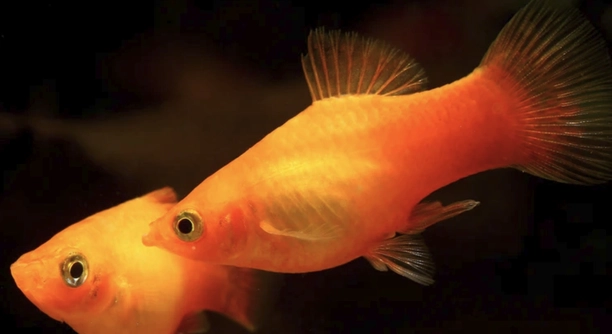
Platies are popular freshwater fish known for their vibrant colors and peaceful nature. Creating a stimulating environment for them is important to keep them healthy and active. Enriching their tank helps mimic their natural habitat and promotes well-being.
Providing varied decorations, live plants, and hiding spots improves platy behavior by reducing stress and encouraging natural activities. Proper enrichment enhances water quality and social interaction, supporting their overall health and longevity in captivity.
Understanding how to enrich your platy’s tank can improve their quality of life. These practical steps will help you create a more engaging and comfortable home for your fish.
Choose the Right Plants for Your Platy’s Tank
Adding live plants to your platy’s tank creates a natural environment that offers shelter and resting spots. Plants like Java fern, Anubias, and hornwort are great options because they thrive in similar water conditions. These plants help improve water quality by absorbing nitrates and providing oxygen. When selecting plants, consider their size and growth rate to avoid overcrowding. Live plants also encourage natural behaviors, such as grazing and exploring. Maintaining plants requires regular trimming and removing dead leaves to keep the tank healthy. Using natural decor instead of plastic adds to the overall comfort and reduces stress for your fish. This simple step can make a big difference in how your platies behave and interact within their space.
Live plants promote a balanced ecosystem, helping keep your tank clean and your fish active and comfortable.
Choosing the right plants is the foundation of a healthy tank. While live plants need care, their benefits outweigh the effort. They enhance water quality and offer places for platies to hide and feel safe. In contrast, plastic plants do not provide these benefits and can even trap debris. It’s best to select hardy, low-maintenance plants suitable for beginners. Regular maintenance like trimming and checking water parameters keeps the plants thriving. This improves tank conditions, resulting in happier and healthier fish that display more natural behaviors. Plants also add aesthetic value, creating a peaceful and attractive space. Taking time to plan the plant layout helps avoid overcrowding and provides open swimming areas. These factors contribute to a better habitat for your platies overall.
Add Hiding Spots and Decorations
Hiding spots reduce stress by offering platies a place to retreat when needed. Decorations like caves, driftwood, and smooth rocks create safe areas and stimulate exploration.
Providing varied hiding places is essential for reducing aggression and helping shy fish feel secure. These spots allow platies to rest or escape during social interactions. When adding decorations, choose materials that won’t alter water chemistry or harm your fish. Avoid sharp edges or toxic substances. Natural materials are preferred because they blend well with plants and help maintain a stable environment. Position hiding spots at different levels in the tank to encourage movement and exploration. Mixing open swimming areas with covered spaces creates balance. Changing decorations occasionally also keeps the environment fresh and interesting. Well-placed hiding spots improve your platies’ confidence and overall behavior, leading to a healthier tank community.
Maintain Proper Water Conditions
Stable water conditions are crucial for your platy’s health. Keep the temperature between 72-78°F and the pH around 7.0 to 8.0. Regular testing helps catch issues early.
Frequent water changes, about 25% weekly, keep ammonia and nitrate levels low. Using a good filter maintains water clarity and oxygen levels. Avoid overcrowding to reduce stress and waste buildup. Test water parameters regularly to ensure they remain within safe limits. If problems arise, take corrective actions immediately to protect your fish.
Consistent water maintenance prevents many common health issues. Clean water supports immune function and encourages natural behavior. Setting a routine for monitoring and cleaning helps maintain a stable environment where your platies thrive. Investing time in water care improves the overall success of your tank.
Provide a Balanced Diet
A varied diet ensures your platies receive essential nutrients. Use high-quality flakes or pellets as the main food source. Supplement with frozen or live foods like brine shrimp and bloodworms.
Feeding small amounts two to three times daily prevents overfeeding and water pollution. Rotate different food types to cover nutritional needs and keep feeding interesting. Avoid excess food to maintain water quality.
Balanced nutrition supports vibrant colors and active behavior. Including plant-based foods promotes digestion and mimics their natural diet. Feeding well-rounded meals strengthens their immune system and supports growth. Paying attention to diet quality is key to healthy, happy platies in your tank.
Use Gentle Lighting
Platies prefer moderate lighting that mimics their natural environment. Too much light can cause stress, while too little may affect plant growth.
Using a timer helps maintain a consistent day-night cycle, supporting fish health and plant life balance. Avoid harsh or direct sunlight exposure.
Keep the Tank Clean
Regular cleaning prevents harmful buildup of waste and algae. Use a gravel vacuum during water changes to remove debris without disturbing the fish.
A clean tank reduces disease risk and keeps your platies comfortable. Consistent maintenance supports a stable environment where fish can thrive and behave naturally.
Encourage Social Interaction
Platies are social fish that enjoy living in groups. Keeping at least three to six platies together promotes natural behaviors and reduces loneliness.
A social tank improves activity levels and creates a lively atmosphere. Observing their interactions adds enjoyment and helps monitor their well-being.
Avoid Sudden Changes
Platies adapt best to stable conditions. Sudden changes in water, temperature, or tank setup can cause stress and illness.
Introduce adjustments gradually to allow your fish time to acclimate. Stability supports long-term health and comfort in their environment.
FAQ
How often should I change the water in my platy’s tank?
Water changes should be done weekly, replacing about 25% of the tank water each time. This helps remove toxins like ammonia and nitrates, which build up from fish waste and uneaten food. Consistent changes maintain water quality and prevent health problems.
Can I use tap water for my platy’s tank?
Yes, but tap water must be treated first. Use a water conditioner to remove chlorine and chloramine, which are harmful to fish. It’s important to let the water reach the proper temperature before adding it to the tank to avoid shocking your platies.
What is the ideal temperature for platies?
Platies thrive in temperatures between 72°F and 78°F. Keeping the water within this range supports their metabolism and immune system. Sudden temperature fluctuations should be avoided to reduce stress and prevent illness.
Are live plants necessary in a platy tank?
Live plants are highly beneficial but not mandatory. They improve water quality by absorbing nitrates and oxygenating the water. Plants also provide hiding spots and encourage natural behavior. If you prefer artificial plants, ensure the tank has other forms of enrichment.
How many platies can I keep in one tank?
A general rule is one inch of fish per gallon of water. For platies, this usually means about three to six fish in a 10-gallon tank. Overcrowding leads to poor water quality and stress, so it’s best to keep a manageable number.
What should I feed my platies?
Platies eat flakes or pellets designed for tropical fish. Supplementing with frozen or live foods like brine shrimp, daphnia, or bloodworms provides protein and variety. Including some vegetable matter, such as blanched spinach, supports digestion.
How do I prevent disease in my platy tank?
Maintain clean water with regular changes and avoid overfeeding. Quarantine new fish before adding them to the tank to prevent introducing illness. Watch for signs of sickness such as spots, clamped fins, or unusual behavior and act quickly if needed.
Can platies live with other fish?
Platies are peaceful and can live with other non-aggressive species like guppies, mollies, and tetras. Avoid larger or aggressive fish that might bully or eat them. A community tank with compatible species helps reduce stress and encourages social behavior.
How long do platies typically live?
With proper care, platies live about two to three years. Good water quality, a balanced diet, and a stress-free environment contribute to their lifespan. Regular monitoring and maintenance help keep them healthy for as long as possible.
What are signs of a stressed platy?
Signs include hiding frequently, loss of appetite, faded colors, and erratic swimming. Stress can be caused by poor water conditions, overcrowding, or sudden changes in the tank. Addressing the underlying issue quickly is important to prevent illness.
Is it necessary to provide a heater for my platy tank?
If room temperature remains stable within the 72-78°F range, a heater may not be needed. However, many keepers use heaters to avoid temperature drops, especially in cooler climates or during winter, ensuring a stable and comfortable environment.
How do I acclimate new platies to my tank?
Float the sealed bag in the tank water for 15-20 minutes to equalize temperature. Slowly add small amounts of tank water to the bag over the next hour before releasing the fish. This gradual process reduces shock and helps the fish adjust.
Can platies breed easily in home tanks?
Yes, platies breed readily under favorable conditions. They give birth to live young, so if you don’t want fry, separate males and females or provide plenty of hiding spots. Otherwise, expect regular births and plan for care of the baby fish.
What should I do if my platy looks sick?
Isolate the fish in a quarantine tank if possible. Test water parameters and improve water quality. Use appropriate medications based on symptoms. Consulting with a vet or experienced aquarist can help identify the issue and treatment options.
How do I clean algae from the tank?
Use a soft algae scraper or pad to gently remove algae from the glass and decorations. Avoid harsh chemicals that can harm fish. Adding algae-eating species, like certain snails or shrimp, can help keep algae under control naturally.
This FAQ covers key concerns for platy care and tank enrichment. Proper attention to these details helps create a healthy, enjoyable environment for your fish.
Final Thoughts
Creating a comfortable and enriching environment for your platies is essential for their well-being. Simple additions like live plants, hiding spots, and gentle lighting make a significant difference in their daily lives. These elements help reduce stress, encourage natural behaviors, and promote overall health. Maintaining stable water conditions and providing a balanced diet also play key roles in keeping your fish active and vibrant. With consistent care, your platies will thrive and display their best colors and personality.
Regular tank maintenance is important to support the changes you make. Frequent water testing and partial water changes help keep water quality high. This prevents common health problems and keeps your fish comfortable. Watching your platies’ behavior can also provide clues about how they are feeling. Healthy platies are usually active, curious, and social. If you notice signs of stress or illness, adjusting the tank environment or diet can often help. Taking small, steady steps to improve your tank can lead to long-term success.
Enriching your platy’s tank is not difficult and does not require expensive equipment. It mainly involves paying attention to their needs and making thoughtful choices. Adding natural plants, creating hiding places, and maintaining clean water encourages your fish to live a happier life. Remember that every tank is unique, so observe how your platies respond and adjust accordingly. These efforts will create a more enjoyable aquarium for both you and your fish.

Hello,
If you enjoy the content that we create, please consider saying a "Thank You!" by leaving a tip.
Every little bit helps us continue crafting quality advice that supports the health, happiness, and well-being of pets around the world, for pets of all shapes, sizes, and species.
We really appreciate the kindness and support that you show us!