
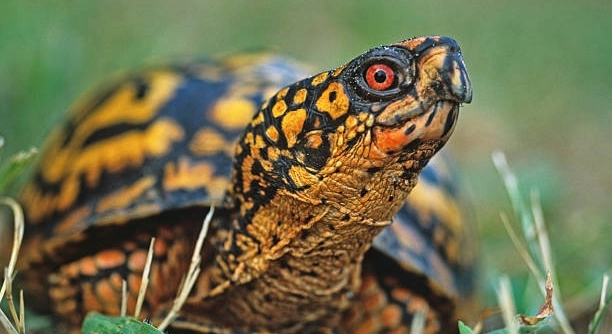
Box turtles thrive in enriched environments that stimulate their natural behaviors. Providing variety in their daily routine can lead to healthier, more active lives. Simple adjustments can significantly impact their well-being, ensuring their happiness and longevity.
To enrich a box turtle’s daily life, provide a diverse environment with ample space, varied diet, mental stimulation, physical activities, proper hydration, and appropriate environmental enrichment. This encourages healthy behaviors and supports their physical and mental health.
These simple steps can greatly improve your turtle’s overall quality of life, offering a more rewarding experience for both you and your pet.
Provide Ample Space for Exploration
A box turtle’s natural behavior thrives in an environment that mimics their wild habitat. It’s important to ensure they have enough space to roam, hide, and explore. A spacious enclosure allows for natural movements like digging, climbing, and seeking shelter. The more space they have, the better they will adapt and feel safe. Aim for a larger tank or outdoor pen where they can enjoy a variety of textures, from grassy areas to shaded spots. Overcrowding or a cramped space can lead to stress, which may negatively affect their health. Space is a key factor in helping them stay active and happy.
A well-designed habitat can prevent stress and promote curiosity. Providing plenty of room encourages your turtle to explore more and leads to physical and mental stimulation.
The space should also include hiding spots, both above and below ground, and a variety of surfaces such as dirt, grass, and rocks. These areas give the turtle a place to retreat, reducing stress and allowing for natural behavior. A spacious environment promotes exercise, which is essential for a turtle’s overall health and well-being.
Offer a Varied Diet
A balanced diet is crucial for your turtle’s health. Offer a mix of fresh vegetables, fruits, and protein sources. This variety keeps their meals interesting and ensures they receive essential nutrients.
Along with leafy greens, adding insects or worms provides the protein necessary for growth and shell health. Regularly changing the types of vegetables and fruits ensures your turtle doesn’t grow bored of their food.
Offering a diverse diet can also help prevent deficiencies, especially in vitamin A and calcium. These nutrients are vital for shell development and overall vitality. By providing a mixture of plant-based foods and occasional animal protein, you can keep your turtle healthy and well-nourished. Always research which foods are safe for box turtles and avoid those that could be toxic.
Provide Mental Stimulation
Mental enrichment is key to keeping your box turtle sharp. Adding new objects, such as branches or rocks, encourages curiosity and exploration. This mental stimulation helps them engage with their environment, preventing boredom. Without it, your turtle may become lethargic and stressed.
You can also incorporate puzzle feeders, which require your turtle to work for food. This engages their problem-solving skills and mimics behaviors found in the wild. Allowing them to forage for their meals not only makes feeding time more interesting, but it also encourages natural instincts. Over time, these small changes can lead to a healthier and more active turtle.
Rotating the objects and features in their habitat keeps things fresh and exciting for your turtle. Every time something new is introduced, it provides an opportunity for them to learn and engage, which is essential for their mental well-being.
Ensure Proper Hydration
Water is an essential part of a box turtle’s daily life. Providing access to fresh, clean water at all times is crucial. They need water not only for drinking but also for soaking to maintain proper hydration levels and skin health.
Create a shallow water dish that is easy for your turtle to access. Avoid deep pools that could cause drowning, but make sure they have enough space to fully submerge. Box turtles often enjoy soaking, and having access to water encourages this natural behavior. Be sure to change the water regularly to keep it clean. Dirty water can lead to health issues like skin infections.
Dehydration is a common problem among box turtles, especially when kept indoors. If your turtle isn’t soaking enough, consider misting their habitat to increase humidity. Keeping humidity levels balanced supports their overall health, allowing your turtle to stay hydrated and thrive in a comfortable environment.
Include Physical Activities
Physical activity is vital for your box turtle’s health. Provide spaces for them to walk, climb, and dig. Exercise promotes strong muscles, joints, and overall well-being. This also helps prevent obesity and related health issues.
Allowing your turtle to roam outdoors in a safe, enclosed area is ideal for physical stimulation. They naturally enjoy moving and exploring their surroundings. By creating opportunities for them to engage in these activities, you support their natural instincts and improve their fitness levels.
Encouraging your turtle to move frequently is essential for their overall health. Regular exercise will keep them active and engaged, reducing stress and promoting a more fulfilling life.
Create a Comfortable Habitat
A comfortable habitat is essential for your box turtle’s health. Ensure the temperature, humidity, and lighting are correctly adjusted. Box turtles are sensitive to environmental changes, so maintaining these factors can prevent stress and illness.
Proper lighting, including UVB light, is necessary for your turtle’s shell health and vitamin D3 synthesis. Temperature gradients, ranging from warm basking areas to cooler hideouts, allow your turtle to regulate its body temperature. Humidity is equally important for their skin and hydration. Regularly monitor these conditions to ensure they stay within optimal ranges for your turtle’s comfort.
Providing a comfortable environment reduces stress and promotes happiness, which is essential for your turtle’s well-being.
FAQ
What should I feed my box turtle?
A box turtle’s diet should consist of a variety of vegetables, fruits, and protein sources. Offer leafy greens like kale, collard greens, and dandelion greens. You can also provide vegetables such as carrots, squash, and bell peppers. Fruits like strawberries, blueberries, and melons are enjoyed by many turtles, but should be given in moderation. In addition to plant-based foods, protein sources like earthworms, snails, and insects are essential. A balanced diet ensures your turtle receives the necessary nutrients for healthy shell growth and overall well-being. Always avoid feeding box turtles dairy or processed foods.
How often should I feed my box turtle?
Box turtles typically eat every other day or 3 to 4 times a week. Young turtles or those still growing may need to be fed more frequently, while adults require less. It’s important to monitor your turtle’s body condition and adjust feeding frequency based on their needs. Overfeeding can lead to obesity, so portion control is key. Offering different food types during each feeding will help keep your turtle interested in their meals. Make sure to provide clean, fresh water at all times, as hydration is just as important as their diet.
Can box turtles live together?
Box turtles are generally solitary animals, and while some may tolerate others in their environment, they often prefer their own space. Keeping multiple box turtles together can sometimes result in territorial behavior, aggression, or stress. If you do decide to house more than one box turtle, ensure their enclosure is large enough to allow each one to have its own area to explore and hide. It’s important to monitor their interactions closely to avoid fights. In general, it’s safer and less stressful for box turtles to live alone.
How do I maintain the proper humidity for my box turtle?
Box turtles need moderate humidity to stay healthy, especially in their skin and respiratory systems. The ideal humidity level is around 50 to 70%. You can maintain proper humidity by misting the enclosure regularly and using a shallow water dish. For outdoor setups, be mindful of the weather conditions and provide areas of shade and shelter. Inside, a humidity gauge can help you track levels. If necessary, a humidity dome or humidifier can assist in keeping the levels consistent. Ensuring the correct humidity helps your turtle stay comfortable and prevents dehydration and skin issues.
What kind of lighting do box turtles need?
UVB lighting is essential for box turtles, as it helps them produce vitamin D3, which is necessary for calcium absorption and shell health. Set up a UVB light in the enclosure to provide around 10 to 12 hours of light each day. The light should be placed about 12 to 18 inches above your turtle to ensure they receive proper exposure. If your box turtle is housed outdoors, natural sunlight is ideal. However, make sure they have access to a shaded area to prevent overheating. Regular exposure to UVB light is essential for preventing metabolic bone disease.
How do I keep my box turtle’s habitat clean?
Cleaning your box turtle’s habitat is essential for their health. Remove uneaten food daily to prevent it from rotting and attracting pests. Spot clean the enclosure by removing waste and debris regularly. Once a week, do a more thorough cleaning by replacing the substrate, cleaning the water dish, and disinfecting the enclosure with a pet-safe cleaner. Be sure to rinse everything thoroughly to remove any residue. If your turtle is housed outside, consider adding a layer of fresh leaves or dirt to give them a natural environment while making cleanup easier.
How can I tell if my box turtle is healthy?
A healthy box turtle should have bright, clear eyes and a smooth, firm shell. Their movements should be active, and they should show curiosity by exploring their environment. If your turtle appears lethargic, has cloudy or sunken eyes, or its shell feels soft or damaged, these could be signs of illness. Changes in appetite, weight loss, or unusual behavior like excessive hiding may also indicate health issues. If you notice any concerning signs, it’s best to consult a veterinarian experienced with reptiles to ensure proper treatment and care.
What temperature should my box turtle’s enclosure be?
A temperature gradient is important for your box turtle’s habitat, with a basking area being around 85 to 90°F, and cooler areas ranging from 70 to 75°F. This allows your turtle to regulate its body temperature by moving between the warm and cool zones. For outdoor enclosures, ensure your turtle has access to both sunny and shaded spots. If your turtle is kept indoors, use a heat lamp or ceramic heater to provide warmth, but avoid placing the heat source too close to the turtle to prevent overheating. Monitoring the temperature regularly will ensure your turtle is comfortable and healthy.
Can box turtles swim?
Box turtles can swim, but they are not strong swimmers like aquatic turtles. They enjoy soaking in shallow water, and it’s important to provide a shallow dish that they can easily climb in and out of. While they may paddle through deeper water, they prefer not to stay submerged for long periods. Swimming should never be forced, as box turtles are more comfortable with their feet on solid ground. Make sure their water dish is shallow enough that they can easily escape if they feel uncomfortable.
Do box turtles hibernate?
Yes, box turtles do hibernate, especially in colder climates. They enter a period of brumation during the winter months, where their activity levels decrease, and they may spend most of their time in hiding. To ensure a safe hibernation, provide a cool, humid environment for them. Avoid disturbing them during this time. If your box turtle is housed indoors, it’s important to maintain a consistent, cool temperature to mimic natural conditions. If housed outdoors, they will naturally burrow to hibernate. Make sure they have access to a proper shelter to keep them safe during this period.
Final Thoughts
Caring for a box turtle requires attention to detail and an understanding of their natural needs. Providing a proper diet, a comfortable habitat, and regular opportunities for physical activity will ensure they stay healthy and active. Each box turtle has its own personality, and recognizing their individual preferences can help create an environment where they thrive. Small adjustments in their care routine can make a big difference in their overall well-being. The more you learn about their habits and behaviors, the better equipped you will be to care for them effectively.
In addition to the basic care requirements, creating a stimulating environment for your turtle is just as important. Box turtles are naturally curious and enjoy exploring their surroundings. Offering enrichment activities, like hiding food or creating climbing structures, will keep them mentally engaged and prevent boredom. A varied environment encourages your turtle to exercise its natural instincts, which is vital for its physical and emotional health. Ensuring that your turtle has a space to roam, dig, and explore will provide them with a sense of security and comfort, contributing to a more fulfilling life.
Understanding your box turtle’s needs and behaviors is key to maintaining a happy and healthy pet. Regularly monitor their habitat to ensure it remains comfortable and safe, paying attention to their diet, humidity levels, and overall environment. While box turtles can live long and fulfilling lives with proper care, it’s essential to stay committed to their well-being. By continually adapting to their needs and providing the best possible care, you help your box turtle live a life full of joy and vitality.

Hello,
If you enjoy the content that we create, please consider saying a "Thank You!" by leaving a tip.
Every little bit helps us continue crafting quality advice that supports the health, happiness, and well-being of pets around the world, for pets of all shapes, sizes, and species.
We really appreciate the kindness and support that you show us!