
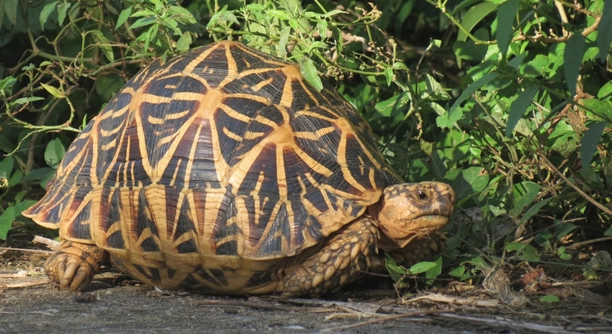
Turtles are fascinating creatures, but they can sometimes be a bit slow-moving. If you’re wondering how to get your turtle more active, you’re not alone. Many turtle owners face this challenge and want to help their pets stay healthy.
To encourage your turtle to be more active, creating a stimulating environment, adjusting their habitat, and providing engaging activities are essential steps. These methods promote physical movement, mental stimulation, and overall health, helping to keep your turtle engaged and energetic.
By following some simple steps, you can help your turtle lead a more active and fulfilling life. These strategies will ensure your pet remains both mentally and physically healthy.
Create a Stimulating Habitat
Turtles are more likely to be active when their environment encourages movement. Start by providing a large enough enclosure where your turtle has enough space to roam. A tank that is too small can limit their natural behavior. Be sure to include objects like rocks, logs, or plants that allow your turtle to climb, hide, and explore. These elements create an environment that motivates movement, mimicking their natural habitat. Adding a shallow water area for swimming will also give your turtle more opportunities to exercise and stay engaged. Keeping the water clean and at the right temperature is crucial for their comfort and health, which, in turn, can boost their activity levels.
Changing the layout of the tank occasionally can make things feel new and exciting. A little variety can keep your turtle interested in exploring their space. Proper lighting is also key, as it helps with their circadian rhythm and overall well-being. Bright light during the day and a relaxing, dim environment at night can help keep your turtle on a regular schedule.
Offer Healthy Treats and Feeding Time
Providing your turtle with healthy snacks can motivate them to move more. Use their love for food as an incentive to be more active.
Consider feeding your turtle at different spots in their enclosure to encourage exploration. This simple change helps to make mealtime more engaging and encourages movement. You can also try offering a variety of fresh vegetables or fruits they enjoy. Be careful not to overfeed, though, as it could lead to lethargy.
Varying the time and location of feeding also encourages your turtle to roam, keeping them active. Additionally, avoiding overfeeding will ensure they stay motivated by hunger, which can encourage them to move around more to find their food. Keeping a consistent feeding routine helps regulate their energy and activity levels.
Provide Swimming Opportunities
Turtles are natural swimmers, and providing a suitable area for swimming can greatly encourage activity. A clean, spacious water zone allows them to exercise their muscles and improve their overall health.
Ensure the water is deep enough for your turtle to dive but not too deep that it becomes difficult for them to get in and out. Adding a gentle water current can simulate the flow of natural environments, encouraging movement.
Changing the water regularly helps prevent bacteria buildup and keeps your turtle healthy. A filtration system is essential to maintain clean water. Regular maintenance will ensure that your turtle has a safe and stimulating space for swimming, which will naturally increase their activity levels.
Give Time for Sunbathing
Turtles need access to a warm basking area to regulate their body temperature. A proper basking spot can encourage them to move around and spend time out of the water, which adds variety to their routine.
Make sure the basking area is well-lit, either with natural sunlight or a UVB lamp. The warmth helps them stay active and digest food better. A dry, flat spot allows them to rest comfortably while soaking up the warmth.
Too much time in the water can make your turtle lethargic. A combination of swimming and basking gives them a healthy balance. This will prevent them from staying inactive for long periods. The right environment encourages your turtle to move between the water and the basking spot, promoting physical exercise.
Offer Toys and Enrichment
Toys and enrichment items can stimulate your turtle and get them moving. Items like floating toys or small, safe objects to push around can spark curiosity.
By providing a variety of items, your turtle may start interacting with them, which encourages movement. Make sure the toys are safe and easy to clean.
Encourage Exploration
Turtles enjoy exploring their surroundings. Placing items or obstacles in their habitat will encourage them to move around.
Different textures and surfaces, such as sand or gravel, can keep your turtle engaged. Experimenting with new items or even adding temporary changes can make exploration more exciting for them.
FAQ
How do I know if my turtle is too inactive?
A turtle that isn’t moving much could be showing signs of inactivity. Look for signs like lack of interest in food, staying in one spot for long periods, or not swimming or basking. Turtles should be exploring, swimming, and moving around their enclosure throughout the day. If your turtle is constantly lethargic, it may be a good idea to check the environment, diet, and overall health.
What can I do if my turtle seems lazy?
First, ensure the habitat is set up properly with enough space and items for them to explore. Try adjusting their environment by adding obstacles or toys. Ensure the temperature and lighting are correct, as these factors directly impact their activity levels. If the environment is good but they’re still inactive, consult a vet to rule out any health issues.
Is it normal for my turtle to be more active at certain times?
Yes, turtles are often more active at certain times of the day, particularly when the light is brighter. Many species of turtles are diurnal, meaning they are most active during daylight hours. Turtles will usually bask in the morning and explore or swim more in the afternoon. If their behavior changes dramatically, it’s worth checking for environmental or health issues.
How much space does my turtle need to be active?
The size of your turtle’s enclosure is important for their activity. A tank that’s too small will restrict their movement. As a general rule, a turtle needs at least 10 gallons of water for every inch of shell length. For larger turtles, a larger tank or even a pond is recommended to allow for proper movement and exercise.
Can I encourage my turtle to be active with food?
Yes, food can be used as a motivator. Hiding their food in different parts of their tank can encourage them to explore and search for it. Offering different types of food, like vegetables and insects, can also increase their interest in eating and, in turn, encourage them to move more.
What kind of toys can I give my turtle to stay active?
Turtles can enjoy a variety of toys, but it’s essential they are safe and appropriate for their size. You can try floating toys, soft balls, or plastic items that float in water. Make sure the toys are large enough so they don’t pose a choking hazard, and check that they can’t be swallowed.
Should I add plants or decorations to my turtle’s habitat?
Yes, plants and decorations help create a more stimulating environment, encouraging your turtle to move around. You can add live or fake plants, logs, or rocks to their tank. These objects can mimic a natural habitat, providing places to climb, hide, or swim around. Just be sure that everything in the tank is safe for your turtle.
How often should I change my turtle’s habitat to keep them active?
Changing the layout of your turtle’s tank from time to time can keep them engaged. Moving rocks, plants, or hiding spots can spark their curiosity and encourage movement. However, avoid making drastic changes too often, as it can be stressful for your turtle. A light change every few weeks or when you notice inactivity can help keep things fresh for them.
Can my turtle be too active?
While it’s important for your turtle to be active, overexertion can be a concern, especially for young or older turtles. If your turtle is consistently moving at an unusually fast pace or appears stressed, it could be a sign of discomfort or health issues. In this case, monitor their behavior closely and consult a vet if necessary.
What is the best temperature for my turtle to stay active?
The ideal temperature for most turtles is between 75°F and 85°F (24°C – 29°C) during the day, with a basking area reaching around 90°F (32°C). A temperature that’s too high or low can affect your turtle’s energy levels and make them more sluggish. Check that the water and basking areas are within the proper temperature range for your turtle’s species.
Final Thoughts
Encouraging your turtle to be more active is all about creating the right environment and routine. Turtles are naturally curious creatures, so providing them with space to explore, swim, and bask will naturally lead to more activity. The right setup in their habitat, with climbing spots, hiding places, and swimming areas, is essential. Make sure to change things up every now and then to keep them engaged and prevent boredom. Regular cleaning and proper lighting will also ensure that your turtle is comfortable, which can improve their activity levels.
Diet and feeding routines also play a significant role in how active your turtle is. Offering a variety of fresh foods, using food as a motivator, and ensuring they are fed at different spots within their enclosure can encourage them to move more. Just be careful not to overfeed them, as this can lead to lethargy. It’s about finding a balance that encourages exploration while keeping your turtle healthy and active. Additionally, make sure their enclosure is large enough to allow them plenty of room for movement, and don’t forget to provide them with a basking area to regulate their body temperature.
Lastly, if your turtle seems consistently inactive despite making these changes, it may be time to consult a vet. Sometimes a lack of movement can be a sign of a health issue, and it’s important to rule out any medical concerns. A healthy turtle will naturally be more active and engaged, so always prioritize their well-being. By paying attention to their environment, diet, and behavior, you can help your turtle lead a more active and fulfilling life.

Hello,
If you enjoy the content that we create, please consider saying a "Thank You!" by leaving a tip.
Every little bit helps us continue crafting quality advice that supports the health, happiness, and well-being of pets around the world, for pets of all shapes, sizes, and species.
We really appreciate the kindness and support that you show us!