
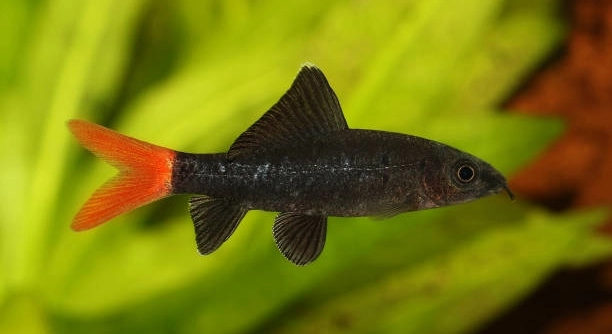
Is your rainbow shark spending more time hiding than eating, leaving you concerned about its health and routine in the tank?
The most effective way to encourage your rainbow shark to eat more is by reducing stress, providing a consistent feeding schedule, and offering a varied diet that mimics their natural preferences.
Simple feeding changes, stress management, and tank adjustments can help you create a better environment for your rainbow shark’s overall well-being.
Create a Calm and Safe Tank Environment
Rainbow sharks can be territorial and sensitive to changes in their surroundings. If your shark feels threatened or overwhelmed, it may stop eating. Start by checking the tank size—55 gallons or more is ideal. Make sure there are plenty of hiding spots using rocks, driftwood, or caves. Avoid overcrowding the tank with other fish, especially aggressive or fast-swimming species. Keep lighting low and stable. Sudden changes can trigger stress, which often leads to appetite loss. A well-arranged tank with minimal disturbances will help your rainbow shark feel more secure and comfortable coming out to eat.
Reduce loud sounds or tapping near the tank, as vibrations can make your shark anxious and withdrawn during feeding times.
Once the environment feels safe, your rainbow shark is more likely to settle into a routine. You may notice it exploring more, swimming openly, and responding to food more consistently during regular feeding sessions.
Stick to a Consistent Feeding Schedule
Feed your rainbow shark at the same time each day to build familiarity. Irregular feeding times can confuse and discourage predictable eating habits.
A stable feeding schedule helps your shark associate certain times with food. Feed once or twice daily, and avoid overfeeding. Uneaten food can quickly decay and affect water quality, which further decreases appetite. Use floating pellets or sinking wafers designed for bottom-dwellers. Offer the amount your shark can eat within two to three minutes. If your shark refuses food, remove leftovers right away. Over time, your fish will learn when to expect food and may even start showing excitement around those times. Feeding consistency also makes it easier for you to monitor changes in appetite or behavior. A shark that usually eats promptly but suddenly stops may be reacting to stress or illness. Maintaining a clear feeding routine is one of the easiest ways to support a rainbow shark’s eating habits and overall health.
Offer a Varied and Balanced Diet
Feeding your rainbow shark the same food daily can cause disinterest. Mix things up with high-quality flakes, sinking pellets, frozen bloodworms, and blanched vegetables like zucchini or spinach.
A varied diet mimics what rainbow sharks eat in nature. Rotate protein-rich options like brine shrimp or bloodworms with plant-based choices. You can lightly blanch vegetables to soften them, making it easier for your shark to nibble. Try to offer new foods slowly—start with a small amount and observe your shark’s reaction. Some may need a few tries before accepting a new food item. Avoid feeding only one type of food, even if your shark seems to prefer it. Balanced nutrition helps boost energy and overall health, which leads to better feeding behavior. A healthy appetite often returns once the fish feels nourished and stimulated by different textures and tastes in its daily meals.
Switch up the feeding method occasionally. You can use feeding rings to keep food in one place or drop it near the hiding spots if your shark is shy. This encourages movement and makes food easier to find. Avoid overfeeding during these trials. Instead, focus on offering smaller portions more frequently to see what your shark enjoys most without creating water waste.
Keep Water Conditions Clean and Stable
Poor water quality discourages feeding and can quickly impact your shark’s health. Regular water changes and clean filters help maintain good conditions and reduce stress.
Test water weekly to track ammonia, nitrites, nitrates, and pH levels. Ammonia and nitrites should be at zero, while nitrates should stay under 20 ppm. The pH should range between 6.5 and 7.5. Use a sponge filter or canister filter suitable for your tank size to keep debris under control. Change 25% of the tank water every week to prevent toxin buildup. Unclean water leads to lethargy, loss of appetite, and even illness. Always condition tap water before adding it to the tank, and avoid sudden temperature shifts. Keep your tank heater set between 75°F and 80°F for stability. Monitoring and maintaining these parameters helps your rainbow shark feel comfortable enough to eat. Consistency is key—unstable conditions make feeding issues harder to fix.
Reduce Tank Mates That Cause Stress
Aggressive or fast-moving fish can scare your rainbow shark away from food. Limit tank mates to calm species that don’t invade its space or feeding area.
Choose fish that stay in different levels of the tank and avoid bottom-dwellers. This helps your shark feel more secure during feeding times.
Observe for Illness or Injury
Loss of appetite can sometimes point to health issues. Look for signs like torn fins, unusual spots, rapid breathing, or hiding more than usual. Internal parasites or bacterial infections can reduce appetite and need quick treatment. If something seems off, test your water and consider speaking to an aquatic vet. Keeping the tank clean and stress levels low can help prevent many illnesses before they start. Also, avoid introducing new fish or plants without quarantining them. Even a healthy-looking addition can carry bacteria that might affect your rainbow shark. Catching early symptoms can make treatment easier and feeding behavior more likely to return to normal.
Try Feeding at Night
If your rainbow shark hides during the day, try feeding in low light or right before turning off the aquarium light. This can make it feel safer.
FAQ
Why is my rainbow shark not eating even though everything seems fine?
Sometimes, even when tank conditions appear good, rainbow sharks can refuse food due to hidden stressors. These might include subtle changes in water parameters, nearby construction noise, or changes in lighting. They are sensitive to disruptions and can stop eating if they feel unsafe. It’s also possible your fish is adjusting to a new tank or tank mates. Monitoring behavior closely and maintaining a stable, calm environment usually helps improve appetite over time. Keep checking water quality and try small feeding changes to encourage interest in food.
Can overfeeding cause my rainbow shark to stop eating?
Yes, overfeeding is a common reason rainbow sharks lose interest in food. Leftover food decays, polluting the water and reducing oxygen levels. This creates an unhealthy environment, making your fish lethargic and less likely to eat. Feed only what your shark can finish in two to three minutes, once or twice daily. Remove uneaten food promptly. Smaller, more frequent feedings often stimulate appetite better than one large meal. Maintaining clean water and avoiding overfeeding together support better feeding habits and fish health.
What types of food are best for rainbow sharks?
Rainbow sharks thrive on a diet of sinking pellets designed for bottom feeders, supplemented with live or frozen protein like bloodworms, brine shrimp, or daphnia. They also benefit from plant matter such as blanched spinach, zucchini, or peas. Offering a balance of proteins and vegetables ensures good nutrition and keeps their interest in food. Avoid feeding only flakes or dry foods, as these may float and be hard for bottom-dwellers to eat. Rotate food types regularly to provide variety and prevent boredom.
How can I tell if my rainbow shark is sick?
Signs of illness include loss of appetite, sluggish swimming, faded colors, clamped fins, unusual spots or lesions, rapid gill movement, and hiding more than usual. If your shark shows any of these symptoms, test your water for ammonia, nitrite, nitrate, and pH levels. Poor water quality often causes or worsens illness. Promptly isolate and treat sick fish when possible. Consult a veterinarian specializing in aquatic animals if symptoms persist. Early intervention improves recovery chances and helps restore feeding behavior.
Is it normal for rainbow sharks to be shy or hide a lot?
Yes, rainbow sharks are naturally shy and territorial bottom dwellers. They often hide during the day or when stressed. Providing caves and hiding spots is essential to their comfort. Over time, with a calm environment and proper tank mates, they may become more active and visible during feeding. Offering food near hiding spots can encourage them to eat without feeling exposed. Patience is key, as some individuals take longer to adjust and feel secure enough to feed openly.
Can water temperature affect my rainbow shark’s appetite?
Absolutely. Rainbow sharks prefer water temperatures between 75°F and 80°F. Temperatures outside this range can stress them and reduce appetite. Too cold, and their metabolism slows; too warm, and oxygen levels drop, causing discomfort. Use a reliable aquarium heater and thermometer to maintain stable temperatures. Sudden fluctuations can shock your fish, leading to feeding refusal. Consistency in temperature helps your shark stay healthy and maintain regular eating habits.
Should I feed my rainbow shark live food?
Feeding live food occasionally can stimulate your rainbow shark’s natural hunting instincts and increase appetite. Options like live brine shrimp or bloodworms are excellent treats. However, live food should be clean and sourced from reputable suppliers to avoid introducing diseases. Do not rely solely on live food—balance it with pellets and vegetables. Introducing live food gradually helps you observe how your shark responds and prevents overfeeding. Live food adds variety and enrichment to your shark’s diet.
How long can a rainbow shark go without eating?
Rainbow sharks can survive for several days without food, but prolonged fasting weakens their immune system and slows growth. A healthy shark typically eats daily or every other day. If your fish refuses food for more than three days, reassess tank conditions, water quality, and stress factors. Continuous refusal may indicate illness, so early detection and action are important. Avoid force-feeding, which can cause injury or stress. Instead, focus on improving the environment and food offerings to encourage natural feeding.
Does tank size impact my rainbow shark’s feeding behavior?
Yes, tank size directly affects comfort and feeding behavior. Rainbow sharks need at least 55 gallons because they are active swimmers and territorial. In smaller tanks, they can become stressed, hide more, and lose appetite. Ample space reduces competition for food and decreases aggression from other fish. Proper tank size combined with adequate hiding spots supports healthy feeding routines and overall well-being.
What are the best tank mates for rainbow sharks?
Ideal tank mates are peaceful mid- to upper-level swimmers that don’t compete aggressively for food or territory. Avoid other bottom dwellers and aggressive fish. Good companions include larger tetras, danios, and peaceful barbs. Overcrowding increases stress and feeding problems. Introduce new fish slowly, observing interactions closely. Keeping a compatible community reduces stress on your rainbow shark and encourages regular eating.
Taking care of a rainbow shark’s appetite involves several important steps that work together to create a healthy and comfortable environment. From maintaining clean water and stable temperatures to providing a balanced diet and a stress-free tank, every detail matters. Rainbow sharks are sensitive fish that rely on their surroundings to feel safe enough to eat regularly. By paying attention to their needs and habits, you can encourage them to have a better appetite and live a healthier life.
Consistency plays a big role in supporting your rainbow shark’s feeding habits. Feeding on a regular schedule helps your fish recognize when food is coming, which can reduce stress and increase appetite. Offering a variety of foods keeps mealtime interesting and ensures balanced nutrition. Avoiding overcrowding and choosing peaceful tank mates also helps reduce competition and fear during feeding. When your rainbow shark feels secure and well cared for, it is more likely to eat well and remain active in the tank.
Watching your rainbow shark closely for changes in behavior or appetite is important for early detection of any issues. Poor water quality, illness, or stress can all cause your fish to stop eating. Regular water testing, tank maintenance, and observation can prevent many problems before they start. Remember that patience and small adjustments often lead to the best results. Keeping these factors in mind will help you create a positive environment that supports your rainbow shark’s health and encourages consistent feeding.

Hello,
If you enjoy the content that we create, please consider saying a "Thank You!" by leaving a tip.
Every little bit helps us continue crafting quality advice that supports the health, happiness, and well-being of pets around the world, for pets of all shapes, sizes, and species.
We really appreciate the kindness and support that you show us!