
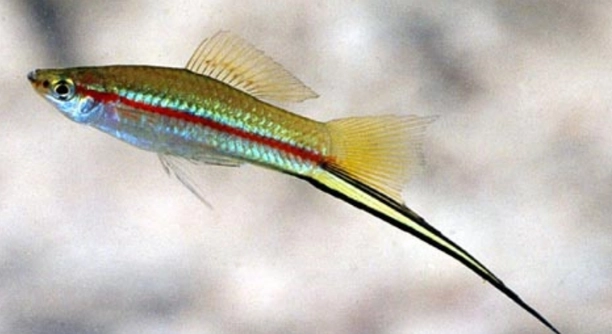
Swordtails are active and social fish, often seen interacting with each other. Encouraging this interaction not only promotes healthy behavior but also adds vibrancy to their environment. Creating the right conditions for them is key to fostering this connection.
Providing proper space, consistent water conditions, and suitable companions are essential in encouraging swordtail interaction. Ensuring a healthy, comfortable environment reduces stress and allows swordtails to engage naturally, leading to increased activity and social behavior.
Making small adjustments to your tank setup can enhance your swordtails’ social dynamics. Implementing the right strategies ensures a more active and thriving environment for your fish.
Create a Suitable Environment for Swordtails
Swordtails thrive in environments that are stable and free of stress. Ensuring that your tank has plenty of space for swimming is crucial. Overcrowding can cause tension among the fish, reducing their chances of interacting with one another. A well-planted tank not only provides hiding spots but also encourages exploration, leading to more social behavior. Swordtails are also attracted to places where they can move freely, so the use of decorations, rocks, and plants should be carefully balanced. Water conditions are equally important; swordtails prefer clean, well-filtered water at a consistent temperature. Regular water changes help maintain these ideal conditions, reducing the stress levels that can hinder social interactions. Tank mates should also be considered. Swordtails interact best with similar species that share their activity level and temperament. A tank that mimics their natural habitat will foster better interactions and encourage group behavior.
Consistency in water conditions is key for swordtails to feel comfortable. A stable environment means they will engage more often with each other.
Creating an environment that encourages swordtail interaction begins with proper tank setup. The right balance of plants, decorations, and water quality plays a significant role in making the fish feel at ease. Reducing stress ensures they are more likely to interact.
Maintain Regular Feeding Times
Feeding swordtails on a consistent schedule helps create a routine, which can promote their social behavior. Swordtails are likely to gather in one area during feeding, increasing interaction among them. By establishing a regular feeding time, they will start associating this event with positive experiences. The anticipation of food also encourages swordtails to interact more as they wait together in the same spot. It’s important to avoid overfeeding, as excess food can deteriorate water quality and cause stress, which may lead to less interaction. Instead, providing small, frequent meals will keep your swordtails active and engaged. Monitoring their feeding habits also helps ensure each fish receives enough food, reducing competition for resources. Healthy, active swordtails will be more likely to form social bonds with each other.
Swordtails thrive with regular feeding schedules. A consistent routine encourages social behavior and keeps them healthy.
Feeding swordtails regularly not only supports their health but also strengthens social interactions. Creating a positive association with mealtime will foster better group behavior.
Introduce More Swordtails
Swordtails are social fish and will often interact more when there are others of their kind. Introducing additional swordtails into the tank can stimulate interaction, especially if they are introduced gradually. However, ensure the tank has enough space to accommodate them comfortably. Overcrowding can create stress, which could reduce interaction instead of encouraging it. Swordtails are most comfortable when they have ample space to swim and explore. They will often form groups with their own kind, creating a more active and social environment. This helps them feel secure, reducing territorial behavior.
Adding more swordtails should be done carefully, taking into account the size of your tank. A crowded tank can lead to stress and competition, negatively affecting social behavior.
Introducing more swordtails can encourage them to interact more frequently. As a group, swordtails often establish bonds and swim together, boosting activity levels. They thrive in numbers, and adding more fish to the tank can enhance social dynamics. However, balance is key—too many fish can lead to stress, so choose the right number based on the tank’s size.
Provide Plenty of Hiding Spots
Swordtails need hiding places where they can retreat when they feel stressed or need rest. Providing these areas in the tank ensures that your swordtails have both social opportunities and personal space. Plants, rocks, and other decorations can create these hidden spots, allowing fish to feel secure. This security encourages swordtails to interact more openly with each other when they are not feeling threatened. By setting up multiple hiding spots, swordtails can rest while also maintaining social bonds, ensuring a healthy balance of interaction and privacy.
The right setup offers swordtails opportunities to engage or retreat as needed, promoting healthier socialization.
Hiding spots also help swordtails feel less anxious, especially if they are introduced into a new tank or if there are territorial disputes. These spots give them a sense of security, so they’re less likely to exhibit aggressive behavior. Once they feel safe, swordtails can interact more naturally with each other. Having multiple hiding spots gives each fish its own space, reducing conflict.
Add Varied Tank Decorations
Swordtails are more likely to interact when there is a variety of decorations in the tank. These additions provide new areas for exploration, which naturally encourages social behavior. Plants, rocks, and driftwood can all serve as interesting focal points, prompting swordtails to engage with each other.
Tank decorations that mimic natural environments offer swordtails new opportunities to interact. By creating different zones within the tank, each fish can explore and interact in their own way.
Decorations also allow swordtails to engage in playful behaviors like chasing and hiding, increasing social interaction. Having different textures and structures in the tank makes it more stimulating for the fish, and they will often interact with each other as they explore the new additions. A well-decorated tank reduces boredom, which can help encourage more natural socialization among the swordtails.
Monitor Water Quality
Maintaining clean, well-filtered water is essential for swordtail health and interaction. Poor water quality can lead to stress, which reduces social behaviors. Regular water changes and filtration are key to keeping the environment healthy.
Swordtails are more likely to interact in clean, stable water. Monitoring pH, temperature, and ammonia levels ensures their well-being, encouraging natural behavior.
Healthy water conditions promote better interaction among swordtails. Poor water quality can cause stress, leading to aggression or hiding behaviors. Regular testing and maintenance prevent this and allow your swordtails to thrive, ultimately improving their socialization.
FAQ
How many swordtails should I keep together?
Swordtails are social creatures, so it’s ideal to keep at least 3-4 swordtails together. They feel more secure in groups, and this encourages interaction. However, the number of swordtails should depend on the size of your tank. For smaller tanks, it’s better to keep fewer fish to prevent overcrowding, which can cause stress. In larger tanks, adding more swordtails can help create a more active and interactive environment. Keep in mind that having an odd number of swordtails can also help reduce aggression, as there is less chance for bullying.
Can swordtails live with other fish?
Yes, swordtails can live with many other peaceful species. They are generally peaceful but may display some aggression towards fish of similar size or those that invade their territory. It’s important to choose tank mates that are not overly aggressive and that share similar water condition needs. Fish like guppies, tetras, and mollies are often good companions for swordtails. Avoid keeping swordtails with overly aggressive or fin-nipping species, as this can cause stress and disrupt social behavior.
Do swordtails need to be in schools to thrive?
While swordtails do not form tight schools like some other species, they do thrive in groups. Having multiple swordtails together provides them with a sense of security and allows them to interact more often. This helps reduce stress and promotes natural social behaviors. Without companions, swordtails can become shy and less active. It’s always better to have more than one swordtail in a tank to encourage socialization and improve their overall well-being.
What can I do if my swordtails are not interacting with each other?
If your swordtails are not interacting, it could be due to stress or a lack of space. Ensure that your tank is large enough for the number of swordtails you have, and that there are enough hiding spots and decorations to make the environment feel secure. Poor water quality, inappropriate tank mates, or an overcrowded tank can all lead to stress, which will cause your swordtails to avoid interacting. Make sure the water conditions are optimal and consider adding more plants or hiding spaces to encourage interaction.
How do I know if my swordtails are happy?
Happy swordtails are active, social, and regularly interact with each other. They should be swimming throughout the tank and exploring different areas, especially during feeding times. If they are constantly hiding, staying at the bottom of the tank, or showing signs of aggression, it could indicate stress or discomfort. Swordtails should also display bright colors and have a healthy appetite. Maintaining a stable tank environment with proper water conditions, enough space, and suitable companions will encourage happiness and healthy interaction.
What is the ideal water temperature for swordtails?
Swordtails thrive in water that is between 72°F and 79°F (22°C to 26°C). Maintaining this temperature range is important for their health and social behavior. Water that is too cold or too hot can cause stress, reducing their willingness to interact with each other. Using a reliable aquarium heater and thermometer can help regulate the tank’s temperature. Sudden temperature changes should also be avoided, as they can stress out your fish and cause them to behave abnormally.
Can swordtails be kept with baby swordtails?
Yes, swordtails can live with their offspring in the same tank, but caution is needed to ensure that the babies are safe. Baby swordtails are small and vulnerable, and adult swordtails may unintentionally harm them. Providing plenty of hiding spaces for the fry can help keep them safe. You can also use a breeding box or net to separate the babies temporarily, especially if there are other fish in the tank that may pose a threat. Swordtail fry grow quickly and should soon be able to interact with the adults once they are large enough.
How often should I feed swordtails?
Swordtails should be fed small amounts 2-3 times a day. Overfeeding can lead to poor water quality, which can cause stress and reduce interaction. Offering a variety of foods, such as high-quality flakes, pellets, and occasional live or frozen food, will help keep them healthy and active. It’s important to remove any uneaten food after 5 minutes to maintain water quality. By feeding them regularly and in moderation, swordtails will be more likely to interact during feeding times and stay active throughout the day.
Why is my swordtail hiding all the time?
If your swordtail is hiding frequently, it could be due to stress or illness. Stress can be caused by poor water conditions, overcrowding, or incompatible tank mates. Swordtails need a comfortable environment with stable water conditions, plenty of hiding spots, and enough space to feel secure. If hiding continues for more than a few days, it’s essential to check the water quality and ensure there are no signs of illness. A change in behavior can also indicate pregnancy, as female swordtails tend to hide more when they are ready to give birth.
How do I know if my swordtail is pregnant?
Pregnant swordtails will have a noticeably swollen belly, and you may be able to see the developing fry inside. Female swordtails typically carry their young for about 4-6 weeks before giving birth. During this time, they may become less active and seek hiding places for protection. The gravid spot, a dark spot near the back of the belly, becomes darker and more visible as the pregnancy progresses. If you suspect your swordtail is pregnant, ensure that she has a quiet, safe place to give birth, and provide plenty of hiding spots for the newborns.
How can I encourage swordtails to breed?
To encourage swordtails to breed, it’s important to maintain optimal water conditions and provide a peaceful environment. Swordtails prefer slightly warmer water temperatures and stable conditions, so keep the temperature around 75°F to 78°F (24°C to 26°C). Offering a balanced diet with both flakes and live or frozen foods will improve their health and breeding potential. A well-planted tank will also provide hiding spots for the fry, increasing their chances of survival. Providing these ideal conditions can trigger swordtails to breed, especially when both male and female swordtails are healthy and in good condition.
Final Thoughts
Swordtails are engaging fish that can thrive in a well-maintained environment. By providing the right tank conditions and creating opportunities for interaction, you can encourage them to socialize and lead a healthy life. Keeping the water clean, offering enough space, and having a variety of decorations will help your swordtails feel comfortable and less stressed. In turn, this can increase their interaction with each other and improve their overall well-being. Swordtails benefit from the presence of their own kind, so having a group in your tank will help them feel secure.
It’s essential to keep an eye on the social dynamics of your swordtails. While they are generally peaceful, some aggression can occur, especially if the tank is overcrowded or if there are incompatible tank mates. By monitoring their behavior and adjusting the environment when necessary, you can ensure they interact in a positive way. Adding plants, rocks, and hiding spots not only makes the tank more visually appealing but also encourages natural behaviors, such as chasing and exploring. These interactions are important for the mental and physical health of your swordtails.
In conclusion, swordtails are a wonderful addition to any aquarium, as long as their needs are met. By maintaining proper water quality, keeping the tank clean, and fostering a social environment, you can enjoy watching your swordtails interact and thrive. Whether you’re introducing new swordtails to the tank or working with a well-established group, understanding their needs and providing them with a comfortable home will ensure their happiness and well-being. With the right care and attention, your swordtails will not only interact more but also live longer, healthier lives.

Hello,
If you enjoy the content that we create, please consider saying a "Thank You!" by leaving a tip.
Every little bit helps us continue crafting quality advice that supports the health, happiness, and well-being of pets around the world, for pets of all shapes, sizes, and species.
We really appreciate the kindness and support that you show us!