
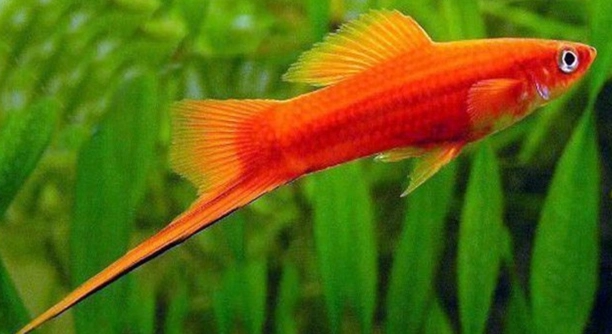
Swordtail fish are a popular choice for aquariums, and many enthusiasts seek ways to encourage breeding. Knowing how to properly care for them and create the right environment is essential for successful reproduction.
Creating an ideal habitat is key for swordtail breeding. Maintain a clean tank, provide hiding spots, and ensure the water temperature and pH are optimal. A varied diet and proper tankmates also play a significant role in encouraging breeding.
With the right setup and care, swordtail fish will thrive and reproduce in your aquarium. Keep reading to discover how small changes can encourage breeding.
Tank Size and Water Quality
When setting up a tank for swordtail breeding, the size of the tank is important. A larger tank allows the fish to swim freely, which reduces stress and encourages natural breeding behaviors. Swordtails need space to move around and explore, as this helps them feel more comfortable and less likely to become aggressive.
The quality of the water is equally important. Swordtail fish thrive in water that is clean and well-maintained. Regular water changes are necessary to keep the tank in top condition. Pay attention to the pH level, hardness, and temperature, as swordtails prefer slightly alkaline water between 7.0 and 8.0 pH, with a temperature of around 75-80°F.
Proper filtration is essential for maintaining water quality. A reliable filter system helps remove toxins and waste, ensuring that the environment stays healthy for both the fish and their offspring. The right water conditions are crucial for a successful breeding experience.
Creating Hiding Spots for Fry
Providing hiding spots for the fry is crucial. Swordtails can be protective of their young, and without hiding places, they might become stressed.
Creating these hiding spots will help ensure that the fry grow safely. Simple decorations like plants or rocks can provide shelter for the tiny fish.
Proper Diet and Nutrition
Swordtails need a balanced diet to encourage breeding. Offering a variety of foods like flakes, pellets, and live or frozen options ensures they get all the nutrients they need. High-quality fish food helps keep them healthy and promotes reproductive success.
To support breeding, make sure the diet is rich in protein, as this encourages growth and vitality. Protein helps improve the overall health of swordtails, making them more likely to breed. Offering vegetables like spinach or zucchini also provides essential vitamins and minerals that swordtails require.
Feed them small amounts two or three times a day. Overfeeding can lead to poor water quality, which may hinder breeding. Maintaining a healthy diet ensures the swordtails are in their best condition for mating.
Selecting the Right Tankmates
Choosing compatible tankmates is crucial for successful swordtail breeding. Avoid aggressive or territorial fish, as these can stress out the swordtails and even harm their young. Peaceful species, such as tetras or snails, can coexist without disturbing the breeding process.
A peaceful tank environment promotes swordtail well-being, helping them feel secure enough to breed. Swordtails are social fish and do well in community tanks, but their behavior can change if they are stressed. Introducing tankmates that don’t compete for space or food will create a more relaxed environment for them to thrive in.
Maintaining Optimal Temperature
Maintaining the right temperature in your tank is essential for swordtail breeding. Swordtails thrive in temperatures between 75°F and 80°F. Keeping the water in this range ensures they remain active and healthy, which is vital for successful breeding.
A stable temperature is necessary to reduce stress and support reproductive cycles. A tank heater with a thermometer will help you monitor and adjust the temperature to maintain optimal conditions for your swordtails.
Providing Proper Lighting
Swordtails benefit from a consistent light cycle. Keep the tank lit for 10-12 hours each day to mimic natural daylight. This helps regulate their internal rhythms and supports healthy breeding patterns. A timer can be useful to maintain consistency.
FAQ
How do I know when my swordtails are ready to breed?
Swordtails are ready to breed when they reach about 3 to 4 months old. The males will develop a gonopodium, a modified anal fin used for mating. Female swordtails tend to have a rounder, fuller body when they’re ready to breed, as they carry eggs. You’ll also notice the males becoming more active, chasing the females and displaying their colors.
How long does it take for swordtail fry to hatch?
After mating, swordtails don’t lay eggs. Instead, they give birth to live fry. The gestation period typically lasts around 4 weeks, although it can vary depending on the water temperature and the health of the female. Warmer water speeds up the process, while cooler water may extend it slightly.
What should I do if I find a swordtail fry in the tank?
Once the fry are born, they should be moved to a separate tank or nursery tank to protect them from being eaten by the adults. Adult swordtails may view the fry as food. The nursery tank should have fine mesh or plants to provide hiding spots for the newborns. Ensure the water conditions in the fry tank match those in the main tank.
How often should I feed my swordtail fry?
Fry require frequent feeding, especially in their early stages. Offer them finely crushed flake food, baby brine shrimp, or micro worms. Feed them several times a day, but in small amounts to prevent water contamination. As they grow, you can begin offering slightly larger food options.
How many swordtail fry can one female produce?
A single female swordtail can give birth to anywhere from 20 to 100 fry per cycle, depending on her size and health. The number of fry can vary, with larger females typically having larger batches. Regular breeding can result in multiple batches of fry over time.
Can I keep swordtail fry with adults?
It’s not recommended to keep swordtail fry with adults, as the adult fish may eat them. If you’re not able to set up a separate nursery tank, consider using a breeder box to separate the fry from the adults. This will give them a better chance of survival.
What is the best water temperature for swordtail breeding?
The ideal temperature for swordtail breeding is between 75°F and 80°F. This range promotes healthy activity and supports successful breeding. Keeping the water temperature stable is crucial, as fluctuations can stress the fish and potentially interfere with the breeding process.
How can I tell if my swordtail is pregnant?
Pregnant female swordtails will have a visible gravid spot near their abdomen, which becomes darker as they get closer to giving birth. The spot will eventually expand as the fry develop inside her. A rounder, fuller body shape is also an indicator that she is carrying eggs.
How do I care for newborn swordtail fry?
After the fry are born, they need a safe environment with appropriate water conditions. Use a soft sponge filter to avoid sucking them up, and make sure the water is well-oxygenated. Offer small, nutritious food items like crushed flakes or baby brine shrimp, and keep the fry tank clean to prevent disease.
Can swordtails breed with other species of fish?
Swordtails can crossbreed with other species within the same family, such as platies. However, they will not breed with fish from entirely different families. Crossbreeding may result in sterile hybrids, so it’s best to keep swordtails with others of their species to ensure successful breeding.
How long do swordtails live?
Swordtails typically live for 3 to 5 years, though some can live longer with proper care. Their lifespan can be influenced by factors like water quality, diet, and overall health. Regular maintenance of the tank and proper breeding conditions can help them live to their full potential.
What should I do if my swordtails aren’t breeding?
If your swordtails aren’t breeding, it could be due to environmental stress or improper conditions. Check the water temperature, pH levels, and cleanliness of the tank. Ensure the fish have proper nutrition and a peaceful environment with minimal aggression. Sometimes, introducing more females than males can help encourage breeding behavior.
How do I increase the chances of swordtail fry survival?
To increase the chances of fry survival, ensure that the tank is well-planted with plenty of hiding spots. This will protect the fry from being eaten by adult fish. A separate fry tank or breeder box is also a good idea to provide a safe, stress-free environment for the newborns.
Should I remove the male swordtail after mating?
It’s not necessary to remove the male after mating, but some aquarists prefer to do so to prevent overbreeding. Male swordtails can mate with a female multiple times, which can lead to frequent births. However, females can store sperm for several months, so breeding will continue even if the male is removed.
Final Thoughts
Breeding swordtails can be a rewarding experience for any fish keeper. By ensuring that you provide the right tank conditions, such as a clean environment, proper temperature, and a peaceful setup, you can create an ideal space for breeding. Swordtails are relatively easy to care for, but keeping an eye on water quality and tankmates is key to successful breeding. Their ability to thrive in a well-maintained aquarium, with the right care and attention, can result in many healthy and active fry.
The importance of a balanced diet, along with maintaining a stable environment, cannot be overstated. Swordtails require high-quality food to remain healthy and ready to breed. Providing them with a variety of foods that include protein and essential nutrients will help support their health and reproductive cycles. Similarly, ensuring that water conditions are ideal—such as proper filtration, temperature, and pH levels—will promote an environment where swordtails can breed successfully and thrive in the long term.
While swordtail breeding can be an enjoyable process, it also comes with its responsibilities. With proper care, you can enjoy watching new life emerge in your aquarium, but it’s important to plan ahead. As the fry grow, you will need to be prepared to provide additional care, including the right feeding schedule and safe spaces for them to grow. A little effort can go a long way, ensuring that both the adults and the fry stay healthy and thrive in their aquatic environment.

Hello,
If you enjoy the content that we create, please consider saying a "Thank You!" by leaving a tip.
Every little bit helps us continue crafting quality advice that supports the health, happiness, and well-being of pets around the world, for pets of all shapes, sizes, and species.
We really appreciate the kindness and support that you show us!