
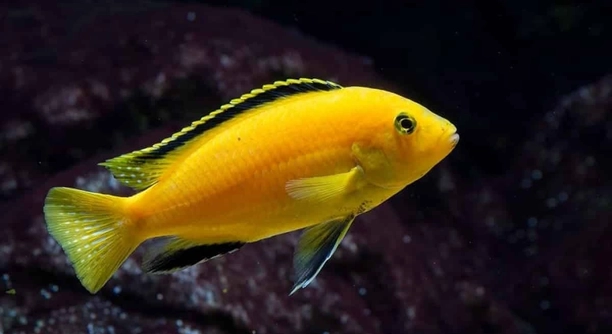
Cichlids are popular aquarium fish known for their vibrant colors and unique behaviors. Encouraging them to spawn can be rewarding but requires specific care and attention to their environment. Understanding the right conditions helps foster successful breeding in home tanks.
Encouraging spawning in cichlids involves creating ideal water conditions, providing proper nutrition, establishing suitable breeding sites, and minimizing stress. These factors collectively stimulate reproductive behavior and improve the chances of successful egg fertilization and fry survival.
Learning how to create these conditions can improve your fishkeeping experience. The following methods will guide you through practical steps to support cichlid spawning effectively.
Creating Ideal Water Conditions
Maintaining stable water conditions is essential for encouraging cichlids to spawn. Temperature, pH, and cleanliness must be carefully monitored and controlled. Most cichlids prefer temperatures between 75 and 82 degrees Fahrenheit. The pH should generally be kept between 6.5 and 7.5, depending on the species. Regular water changes help maintain cleanliness and reduce harmful toxins. Filtration should be efficient but gentle to avoid stressing the fish. It is also important to avoid sudden changes in water parameters, as these can discourage breeding. By keeping the water environment consistent and within the preferred range, cichlids will be more likely to feel comfortable and ready to reproduce.
Proper water conditions reduce stress and encourage natural behavior.
Keeping these conditions stable supports spawning and ensures the health of both adult fish and their offspring. Monitoring equipment such as thermometers and test kits can help maintain this balance and detect any issues early.
Providing Proper Nutrition
Balanced nutrition plays a significant role in triggering spawning in cichlids. Offering a varied diet that includes high-quality flakes, pellets, and occasional live or frozen foods like brine shrimp or bloodworms helps condition the fish. Protein-rich foods are particularly important during breeding periods, as they provide the necessary energy for egg production and fry development. Feeding smaller amounts multiple times a day rather than one large feeding improves digestion and overall health. Avoid overfeeding, which can pollute the tank and harm water quality. A healthy diet strengthens the fish’s immune system and stimulates reproductive hormones, increasing the likelihood of spawning. Attention to diet also reduces aggression between breeding pairs by keeping them well-nourished and less territorial. Ensuring the fish receive the right nutrition at the right time supports a successful breeding process and healthy offspring growth.
Establishing Suitable Breeding Sites
Providing a proper breeding site encourages cichlids to spawn naturally. Use flat rocks, caves, or flower pots as spawning spots. These give the fish a safe place to lay eggs and guard them.
Breeding sites should be easy to clean and placed in a quiet part of the tank to reduce disturbances. Many cichlids prefer sites with some cover, which mimics their natural habitat. Position these sites at moderate depths, avoiding strong currents that can stress the fish. Arranging multiple sites can help reduce conflicts among pairs competing for territory. The chosen site should be stable and secure, preventing eggs from being washed away or disturbed. Providing these conditions supports natural spawning behaviors and increases egg survival rates.
Monitoring the breeding sites regularly helps detect any issues early. It is important to avoid moving the site during the breeding period to prevent stress or abandonment. A well-prepared site plays a critical role in the overall success of cichlid reproduction.
Minimizing Stress and Maintaining Tank Harmony
Stress inhibits spawning in cichlids, so it is important to reduce causes such as overcrowding and aggressive tank mates. Provide enough space and avoid mixing species that compete or attack each other. Establishing stable social groups helps maintain harmony in the tank.
Stress can also come from poor water quality, sudden environmental changes, or frequent disturbances. Maintaining consistent tank conditions and limiting loud noises or vibrations nearby is essential. Using plants or decorations to create hiding spots offers fish a refuge from aggression and reduces tension. Observing fish behavior regularly can identify stressed individuals who may need to be separated temporarily. By managing stress levels, cichlids remain healthy and more likely to engage in breeding behaviors. A calm, stable environment supports the entire reproductive process from courtship to fry care.
Encouraging Natural Behavior
Mimicking natural light cycles helps trigger spawning in cichlids. Use a consistent day-night schedule with about 10-12 hours of light daily. Sudden changes in lighting should be avoided to prevent stress.
Simulating seasonal changes by adjusting light intensity and temperature slightly can also promote breeding readiness. Gradual shifts in these conditions encourage natural reproductive cycles.
Selecting Compatible Pairs
Choosing compatible breeding pairs reduces aggression and increases spawning success. Observe fish behavior to identify pairs that show mutual interest and less hostility toward each other.
Pairing fish of similar size and temperament improves bonding and cooperation during breeding. Avoid mixing overly aggressive or timid individuals to maintain harmony.
Using Hormonal Stimulation
Hormonal treatments can be used in certain cases to induce spawning in cichlids. This method requires careful handling and precise dosing to be effective.
Consulting with a professional or experienced breeder is recommended before using hormones. This approach is typically reserved for difficult-to-breed species or tanks with poor natural spawning.
Monitoring Egg and Fry Care
Keep a close watch on eggs and fry to ensure their safety and proper development. Removing aggressive tank mates may be necessary to protect young fish.
FAQ
What is the best water temperature for cichlid spawning?
The ideal temperature range for most cichlid species is between 75 and 82 degrees Fahrenheit. Keeping the water within this range helps stimulate natural breeding behaviors. It’s important to maintain a stable temperature without sudden fluctuations, as instability can stress the fish and discourage spawning.
How often should water changes be done during breeding?
Frequent but small water changes are best during breeding. Changing 10-20% of the water weekly helps keep the tank clean and prevents buildup of harmful chemicals. Avoid large or sudden water changes, as these can shock the fish and disrupt spawning activity.
Can I breed different cichlid species together?
It is generally not recommended to breed different species together. Most cichlids are territorial, and mixing species can increase aggression. Additionally, crossbreeding can lead to hybrid offspring that may have health problems or lose desirable traits. Keeping pairs or groups of the same species improves breeding success.
How do I know if my cichlids are ready to spawn?
Signs of readiness include increased territorial behavior, nest-building, and courtship displays such as color changes or fin flaring. The fish may also clean surfaces repeatedly as they prepare to lay eggs. Watching these behaviors helps you identify when spawning is likely to occur.
What should I feed cichlids to prepare them for breeding?
A high-protein diet including live or frozen foods like brine shrimp, bloodworms, and quality pellets supports breeding readiness. Feeding smaller amounts multiple times daily keeps the fish healthy without polluting the water. Proper nutrition strengthens reproductive health and improves egg quality.
How can I protect eggs and fry from other fish?
Providing hiding spots like plants, caves, or breeding cones is essential. Some breeders remove aggressive tank mates or isolate the breeding pair during this time. Using a separate breeding tank or breeder box can also increase fry survival by reducing threats.
Is it necessary to use hormones to encourage spawning?
Hormonal treatments are not usually necessary if conditions are ideal. They are typically used only in specialized breeding or when natural spawning fails repeatedly. Hormone use requires careful dosing and professional knowledge to avoid harming the fish.
How long does it take for cichlid eggs to hatch?
Egg incubation usually takes between 3 and 7 days, depending on species and water temperature. Warmer temperatures tend to speed up development. During this time, parents often guard the eggs closely and may fan them to improve oxygen flow.
What should I do if parents eat their eggs?
Egg eating can happen due to stress, poor conditions, or inexperience. Improving water quality, reducing disturbances, and ensuring adequate nutrition helps reduce this behavior. In some cases, removing the eggs to a separate tank for artificial hatching can save them.
Can I breed cichlids in a community tank?
Breeding cichlids in community tanks is difficult because of territorial disputes and potential egg predation. A dedicated breeding tank with controlled conditions provides a safer environment and increases success rates.
How often can cichlids spawn?
Most cichlids can spawn every few weeks if conditions are ideal. However, frequent spawning without proper recovery can weaken the fish. It’s important to provide good nutrition and rest periods between breeding events to maintain health.
What role does tank size play in breeding success?
Larger tanks offer more space for territory and reduce aggression, which supports breeding. However, tanks should also be easy to maintain with stable water parameters. Overcrowding or cramped spaces can stress the fish and reduce spawning chances.
How do I handle aggressive behavior during breeding?
Separating overly aggressive fish or providing plenty of hiding places helps reduce conflicts. Observing fish behavior carefully allows early intervention before aggression causes harm. Sometimes, adjusting tank mates or upgrading the tank size is necessary to maintain peace.
Are there specific lighting conditions for breeding cichlids?
Consistent lighting that mimics natural day-night cycles encourages normal behavior. Around 10-12 hours of light daily is usually enough. Avoid sudden changes or overly bright lights, which can stress the fish and interfere with spawning.
What should I do if spawning does not occur despite good conditions?
Reassess water quality, diet, and tank environment. Sometimes, introducing new compatible mates or adjusting temperature slightly can help. Patience is important, as some species spawn less frequently or need specific triggers not always easy to replicate in captivity.
Final Thoughts
Successfully encouraging cichlids to spawn requires careful attention to several key factors. Creating a stable and clean environment with the right water temperature and pH is essential. These conditions help reduce stress and promote natural breeding behaviors. Consistent maintenance, such as regular water changes and proper filtration, supports the overall health of the fish, which directly influences their readiness to reproduce. It is important to monitor these parameters closely and avoid sudden changes that might disturb the fish or cause them to stop spawning.
Nutrition also plays a significant role in encouraging spawning. Feeding cichlids a balanced diet rich in protein helps prepare them physically for reproduction. Including live or frozen foods like brine shrimp and bloodworms provides important nutrients that stimulate egg production and support the development of fry. Offering smaller, frequent meals rather than one large feeding prevents overfeeding and keeps the tank clean. Proper nutrition reduces aggression between breeding pairs and strengthens their immune systems, which improves the chances of successful spawning and healthy offspring.
Lastly, creating suitable breeding sites and minimizing stress are important steps to ensure successful reproduction. Providing flat rocks, caves, or other spawning surfaces gives cichlids a secure place to lay eggs and protect them. Reducing tank overcrowding and avoiding aggressive tank mates helps maintain harmony, which is critical during breeding. Observing fish behavior and responding quickly to signs of stress or aggression can prevent disruptions to spawning. By paying close attention to these factors, cichlid keepers can increase their success in breeding and enjoy watching their fish thrive.

Hello,
If you enjoy the content that we create, please consider saying a "Thank You!" by leaving a tip.
Every little bit helps us continue crafting quality advice that supports the health, happiness, and well-being of pets around the world, for pets of all shapes, sizes, and species.
We really appreciate the kindness and support that you show us!