
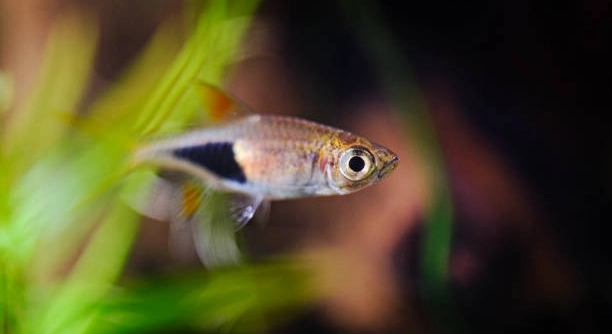
Do you ever find yourself setting up the perfect tank, only to be met with no signs of rasbora breeding activity? These small fish are full of personality, but getting them to spawn can be tricky.
The most effective way to encourage rasbora breeding is by replicating their natural environment, adjusting water conditions, and offering a protein-rich diet. Controlled lighting and consistent temperatures also play a key role in triggering spawning behavior.
By making small changes to their habitat and routine, you can create the ideal setting for breeding success and healthier, more active rasboras.
Create a Comfortable Breeding Tank
Start with a separate breeding tank to give your rasboras the right space and environment to spawn. A 10 to 15-gallon tank works well for a small group. Use a sponge filter to maintain gentle water flow. Add fine-leaved plants like java moss, or use a mesh layer to protect the eggs once laid. Keep the tank away from loud noises or high-traffic areas. The goal is to reduce stress and provide a peaceful space. Slightly dim lighting and darker substrate can help mimic natural conditions and make rasboras feel more secure, which encourages natural behavior.
Keep the breeding tank clean and simple. Avoid decorations that could trap eggs or block swimming areas.
Temperature is important too—set it between 76°F and 80°F. A steady heater will help maintain this. You’ll also want to add a small group of healthy males and females. Keep them well-fed, and give them time to adjust to the new setup. With the right tank conditions, they’ll feel more at ease and more likely to breed. Keep an eye out for signs like chasing or hovering near plants, which may show the fish are ready to spawn. Consistency in water conditions is key during this time.
Condition the Rasboras Before Breeding
Start feeding your rasboras high-quality live or frozen foods for at least one week before moving them to the breeding tank.
Protein-rich food helps improve their health and encourages the females to produce more eggs. Brine shrimp, bloodworms, and daphnia are great choices to feed daily alongside their regular diet. Healthy fish are more likely to breed successfully, and the males will be more active during courtship. Try not to overfeed—offer small portions two to three times a day. Also, make sure to observe how they react to the food. Active eating and bright colors are good signs that they’re getting ready. You’ll want to watch for fuller bellies on the females and more vivid coloration in males. These are strong indicators that your conditioning efforts are working. After several days of this diet, you can gently transfer them to the breeding tank and begin adjusting the tank settings to trigger spawning behavior.
Adjust the Water Parameters
Soft, slightly acidic water encourages rasboras to breed. Aim for a pH between 5.5 and 6.8 and keep the water hardness low. Use peat moss or almond leaves to help soften the water naturally and lower the pH slowly.
Keep the water temperature steady at 78°F to 80°F. Sudden shifts in temperature can disrupt the fish’s behavior. Using a reliable heater and thermometer is important for maintaining a stable environment. Perform small, regular water changes to keep the water fresh and clean. Chlorine or high nitrates can discourage breeding, so always condition the water properly before adding it to the tank. Regular testing helps you stay on track with the right levels. Rasboras are sensitive to changes, so it’s best to make adjustments slowly over several days to avoid stressing them out. Balanced water conditions help the fish feel secure, which supports breeding behavior.
Lighting also affects spawning. A gradual light cycle of 10 to 12 hours a day is ideal. Avoid sudden light changes—use a timer for a natural effect. If possible, simulate dawn and dusk with dim lights at the start and end of the cycle. Gentle lighting keeps the fish calm and encourages them to display natural courtship behavior. Combine this with steady water conditions to improve the chances of egg-laying. If all goes well, you’ll begin to see spawning signs soon after the lighting and water parameters are properly set.
Recognize Spawning Behavior
Male rasboras will begin chasing females and displaying brighter colors. The females often appear rounder in the belly and slower in movement. You may also see them hovering near plants or mesh, preparing to release eggs.
Spawning often takes place in the morning, shortly after the lights come on. During this time, males will circle the females and lead them toward a chosen site. Once the female is ready, she’ll scatter her eggs while the male fertilizes them. Rasboras are egg scatterers, so the eggs usually fall among plants or sink to the bottom. They don’t guard the eggs—in fact, they may try to eat them. That’s why it’s important to remove the adult fish soon after spawning. Keeping the eggs safe gives them a better chance to hatch. Once the fish are removed, avoid disturbing the tank. Clean water and stable temperature help the eggs develop successfully.
Remove the Adults After Spawning
Rasboras do not protect their eggs. Once spawning is finished, it’s best to gently net the adults and move them back to their main tank. This helps prevent them from eating the eggs scattered around the tank.
Try not to stir the water too much during the transfer. Keep the tank calm and quiet afterward. This helps the eggs stay safe and increases the chances of successful hatching.
Care for the Eggs and Fry
Rasbora eggs usually hatch within 24 to 48 hours. Keep the water clean and the temperature stable during this time. Avoid bright lights and sudden movement near the tank. Once the fry hatch, they’ll remain still for a few days while absorbing their yolk sacs. After that, they’ll begin to swim and need very small food. Infusoria or liquid fry food works well for the first few days. As they grow, you can switch to baby brine shrimp or powdered fry food. Continue small water changes and avoid large cleanings that could disturb the tiny fish.
Keep the Tank Peaceful
Avoid loud sounds and sudden movements near the tank. This helps both the eggs and fry stay calm and grow safely.
FAQ
How many rasboras should I keep in a breeding group?
It’s best to keep a small group with more males than females—around 2 males for every female. A group of six to eight rasboras works well for most setups. This setup encourages competition and increases breeding activity, as males try to court the females.
How can I tell male and female rasboras apart?
Males are usually slimmer and more colorful, especially during breeding. Females tend to have rounder bellies and a slightly duller appearance. When ready to breed, females appear fuller due to the eggs, and males may chase and display brighter coloring.
How often can rasboras breed?
Rasboras can breed quite often if the conditions are right. After spawning, give them a rest period of about two to three weeks before attempting to breed them again. Constant breeding without rest can lead to stress and poor health.
Do rasboras need a heater to breed?
Yes, a heater helps maintain the ideal breeding temperature of 78°F to 80°F. Stable temperatures are important for triggering and supporting the spawning process. Without a heater, the tank temperature can fluctuate too much, which can prevent the fish from breeding.
What kind of plants help encourage spawning?
Fine-leaved plants like java moss, guppy grass, or cabomba are great choices. These plants give the fish places to scatter their eggs and make them feel more secure. Plants also help protect the eggs by hiding them from the adults.
Can rasboras breed in a community tank?
It’s unlikely. The presence of other fish can cause stress and reduce the chances of spawning. Eggs also have little chance of survival in a community tank, as most fish, including rasboras, will eat them. A separate breeding tank is strongly recommended.
Do rasboras need live food to breed?
Live food is very helpful. Feeding them brine shrimp, daphnia, or bloodworms boosts their health and encourages spawning. If live food isn’t available, frozen options can work, but live food often gives better results. It helps condition them more effectively.
How long does it take rasbora eggs to hatch?
Most rasbora eggs hatch within 24 to 48 hours. After hatching, the fry will rest on the tank floor for a couple of days before becoming free-swimming. It’s important to keep the water clean and avoid disturbing the tank during this time.
When should I start feeding the fry?
Begin feeding once the fry start swimming freely—usually about two days after hatching. Start with infusoria or liquid fry food. As they grow, introduce baby brine shrimp or finely crushed flake food. Feed small amounts several times a day to support steady growth.
Why aren’t my rasboras breeding even with the right setup?
Sometimes breeding doesn’t happen right away. It may take time for the fish to adjust to the tank. Double-check water parameters, lighting, and feeding habits. Make sure the fish are healthy and fully conditioned. Be patient—breeding often takes a few attempts.
Should I use a filter in the breeding tank?
Yes, but only a gentle one. A sponge filter is best because it won’t create strong currents or suck in eggs or fry. It also helps keep the water clean without disturbing the delicate environment that breeding rasboras need.
Is it okay to leave the light on all night?
No, rasboras need a clear day-night cycle. Too much light can stress them and affect spawning. Use a timer to create a natural lighting schedule, such as 10 to 12 hours of light followed by darkness. This helps regulate their behavior and health.
Final Thoughts
Breeding rasboras can take time and patience, but with the right setup, it’s very possible. The most important part is creating a peaceful space where the fish feel safe. A separate breeding tank, gentle lighting, soft water, and healthy food all help encourage spawning. These small fish may not show changes right away, but with consistent care, you may start to notice signs like chasing, brighter colors, and egg-laying behavior. Each rasbora is different, so it may take a few attempts before everything works as expected. Don’t worry if it doesn’t happen quickly—timing and comfort are key.
Watching your rasboras breed and raise their fry can be a calm and rewarding process. Once the eggs are laid and the adults are removed, caring for the fry becomes the next step. It’s important to keep the tank clean, avoid strong filters, and start feeding the fry once they become free-swimming. Their first days are delicate, so keeping lighting soft and avoiding sudden movements near the tank helps a lot. Over time, you’ll see the fry grow stronger and more active. These small efforts can lead to a healthy new group of rasboras that you raised from the start.
Breeding fish isn’t always simple, and rasboras are no different. But if you stick with it and pay attention to what they need, you’ll likely see progress. Keep track of your steps—what foods worked best, what temperatures brought results, or how long the eggs took to hatch. These notes can help you improve each time. Even if things don’t go as planned right away, every try teaches you more. With steady care and a bit of patience, your rasboras can thrive, and you can enjoy seeing a new generation grow in your tank.

Hello,
If you enjoy the content that we create, please consider saying a "Thank You!" by leaving a tip.
Every little bit helps us continue crafting quality advice that supports the health, happiness, and well-being of pets around the world, for pets of all shapes, sizes, and species.
We really appreciate the kindness and support that you show us!