
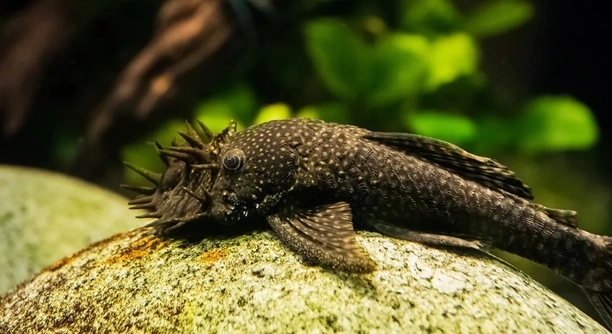
Plecos are fascinating creatures known for their algae-eating habits, but sometimes encouraging consistent grazing behavior can be tricky. Understanding what drives them to graze will help you create a better environment for them to thrive.
To encourage pleco grazing, it’s important to provide a variety of foods such as algae wafers, vegetables, and driftwood. Ensuring a stable tank environment with clean water and natural hiding spots can also promote natural grazing behavior.
By following these tips, you’ll create a more stimulating environment that encourages your pleco to feed regularly. Let’s explore the simple ways you can encourage this behavior for a healthier and happier pleco.
Provide Algae Wafers and Vegetables
Algae wafers are one of the best food options for encouraging pleco grazing behavior. These wafers are designed to sink, giving plecos easy access to them at the bottom of the tank. In addition, they provide the nutrients needed for their health. Vegetables like zucchini, cucumbers, and spinach can also be offered. These foods mimic the pleco’s natural diet, making them more likely to graze regularly. It’s important to change the vegetables every day to prevent them from decaying in the tank, which could affect water quality.
Offering a variety of these foods will also keep your pleco engaged and healthy.
Consistently providing algae wafers and fresh vegetables helps mimic their natural grazing behavior. It’s essential to ensure a balanced diet to prevent overfeeding and support their overall health. Plecos are naturally herbivorous, so feeding them plant-based foods encourages them to graze frequently, which promotes healthy digestion.
Create Natural Hiding Spots
Plecos like to feel safe and secure while feeding. Creating hiding spots in your aquarium encourages them to spend more time grazing and exploring. Adding rocks, driftwood, and plants can create these areas, providing comfort and a more natural environment for your pleco. These hiding spots also offer shelter, reducing stress and promoting a healthier, happier pleco.
A pleco feels less threatened when it has plenty of places to hide and rest. This reduces stress and allows them to graze more freely throughout the day. With proper hiding spots, they’ll feel more comfortable and will be more likely to spend time feeding.
Provide Driftwood
Driftwood is an essential item for encouraging pleco grazing behavior. It not only helps maintain a natural habitat but also provides an additional food source. Plecos graze on the algae and biofilm that form on driftwood, so it’s important to include it in their tank.
Driftwood offers a more stimulating environment for your pleco, helping mimic the conditions found in their natural habitats. The wood provides surfaces where algae can grow, and the pleco will naturally feed on it. Over time, the pleco may develop a preference for certain types of driftwood, so offering a variety can help keep them interested. Be sure to clean the driftwood properly before adding it to the tank to avoid contamination.
The texture of driftwood also helps keep plecos active and engaged. It serves as an additional element of their environment, creating an area where they can feel more secure while grazing. With enough surface area, plecos will spend a significant amount of time feeding on the wood, contributing to healthier grazing habits.
Maintain a Stable Tank Environment
Maintaining a stable tank environment is crucial to encourage grazing behavior. Plecos are sensitive to water conditions, so keeping the water parameters consistent promotes healthier feeding habits. This includes maintaining proper temperature, pH, and water hardness.
A stable environment not only supports your pleco’s health but also reduces stress, which encourages them to feed more regularly. Sudden changes in water quality can lead to stress, causing plecos to hide rather than graze. Make sure to regularly test the water and perform water changes as needed. This helps keep your pleco active and more likely to feed throughout the day.
It’s also important to monitor the tank’s cleanliness. Dirty water can cause the pleco to avoid feeding, as it creates an unhealthy environment. Keep the tank clean by removing debris and uneaten food. A stable, clean environment will lead to a more consistent grazing behavior in your pleco.
Offer Protein-Rich Foods
Protein is an important part of a pleco’s diet, but it should be offered in moderation to prevent overfeeding. Foods such as shrimp, bloodworms, and other protein-rich options can be provided a few times a week to support overall health and encourage grazing.
Protein-rich foods promote muscle growth and energy, but they should not replace the pleco’s primary diet of vegetables. Offering them occasionally helps maintain a balanced diet and can keep the pleco interested in grazing. Overfeeding protein may cause an imbalance, so be sure to rotate the protein options with plant-based foods.
Adjust Light Levels
Adjusting the light levels in your aquarium can help encourage grazing. Plecos are more likely to feed in lower light, as they tend to be more active during dusk or night. Providing a dimmer light during the day can mimic their natural feeding times.
By reducing the brightness, plecos feel more secure and are encouraged to graze during the quieter parts of the day. Too much light may cause them to retreat to hiding spots, reducing grazing time. Try experimenting with the light cycle to find the best balance for your pleco.
Add Live Plants
Live plants in the aquarium provide plecos with a natural environment to explore and graze. Plants can grow algae, which plecos enjoy eating, and they create an enriching space for the fish. Adding plants such as Java fern or Anubias can also offer cover for your pleco, making them feel more comfortable.
Adding plants to the tank provides both food and shelter for plecos, helping to keep them engaged and active. The growth of algae on live plants provides a consistent food source. These plants also help maintain water quality, benefiting both plecos and other tank inhabitants.
FAQ
How often should I feed my pleco to encourage grazing?
Feeding your pleco 2-3 times a week with a variety of foods is ideal. It’s important to avoid overfeeding, as this can lead to water quality issues and obesity. Ensure that their diet consists mostly of plant-based foods like algae wafers and vegetables, with occasional protein sources such as shrimp. Keep in mind that plecos are naturally grazers, so offering food in small amounts encourages them to spend time searching and grazing.
Can plecos survive on just algae wafers?
Algae wafers are a great food option for plecos, but they should not be their only food source. While algae wafers can provide some of the nutrients they need, a well-rounded diet including vegetables like zucchini, spinach, and cucumbers is important. Offering variety ensures that plecos receive all the nutrients they need to stay healthy.
Do plecos need a specific type of driftwood?
Not all driftwood is created equal, but most types can be suitable for plecos. The best types of driftwood for plecos are those that are dense and have a rough texture, like mopani or Malaysian driftwood. These types provide a surface for algae growth, which plecos graze on. Be sure to soak the driftwood before placing it in the tank to prevent floating and to remove any tannins that can affect water quality.
What kind of plants should I put in my pleco tank?
Java fern, Anubias, and Amazon sword plants are great choices for pleco tanks. These plants not only add to the aesthetic of the tank but also provide additional food sources in the form of algae. Plecos enjoy grazing on the biofilm and algae that naturally grow on the plants. Additionally, live plants help improve water quality by absorbing excess nutrients, making the tank healthier for your pleco.
Why isn’t my pleco grazing, even with plenty of food?
There are several reasons why your pleco might not be grazing, even if you provide enough food. Stress is a major factor, and it can be caused by poor water conditions, lack of hiding spots, or too much tank traffic. Check the water parameters, provide hiding spots, and ensure the tank is calm. It’s also possible that your pleco is overfed, as plecos will sometimes stop grazing if they’ve had enough food. Adjust the feeding schedule and try offering different foods to entice them.
How can I tell if my pleco is stressed?
Stressed plecos may display several behaviors, including hiding more frequently, reduced grazing, or erratic swimming patterns. They might also develop a duller color. Poor water quality, temperature fluctuations, and overcrowding can contribute to stress. Ensure that the tank has proper filtration, consistent water temperature, and sufficient space for your pleco to reduce stress levels.
Can I keep more than one pleco in the same tank?
Plecos can be kept together in the same tank, but only if the tank is large enough to accommodate them. They are territorial fish, so a tank of at least 75 gallons is recommended for more than one pleco. Providing plenty of hiding spots and ample space for each pleco to claim their territory can help reduce aggression. Make sure to monitor their behavior closely to ensure they’re not fighting.
What is the best water temperature for plecos?
Plecos thrive in temperatures between 72°F and 80°F (22°C to 27°C). Maintaining a stable water temperature within this range promotes their overall health and grazing habits. Temperature fluctuations can stress plecos, causing them to hide more often and graze less. Use a reliable aquarium heater and thermometer to keep the water at a consistent temperature.
How do I prevent my pleco from overgrazing algae?
While plecos are efficient algae eaters, overgrazing can occur if there is an abundance of algae in the tank. To prevent this, maintain a balanced environment by controlling the nutrients in the water. Regular water changes, proper filtration, and not overfeeding your pleco are all key. You can also supplement their diet with other food sources to ensure they don’t rely solely on algae for nutrition.
Should I add a pleco to a newly set-up tank?
It’s not advisable to add a pleco to a newly set-up tank immediately. New tanks often go through a cycle process where ammonia and nitrites spike, which can be harmful to plecos. It’s best to wait until the tank has gone through a full cycle and is stable before introducing your pleco. This ensures the water is safe for them to thrive and encourages healthy grazing behavior.
How long do plecos live?
Plecos can live up to 10-15 years, depending on the species and the conditions of their environment. Providing the right tank conditions, a varied diet, and regular maintenance can help extend their lifespan. As plecos grow, they may require larger tanks, so it’s important to plan ahead as they mature.
Final Thoughts
Encouraging pleco grazing behavior is an important part of keeping these fish healthy and active in your aquarium. By providing a variety of foods, including vegetables, algae, and occasional protein sources, you can keep your pleco’s diet balanced. Regularly offering new food options will keep them interested and help prevent them from getting bored. In addition to their diet, other factors like lighting, the presence of live plants, and a clean, stable environment also play key roles in supporting natural grazing behaviors.
It’s crucial to remember that plecos are bottom dwellers and naturally graze throughout the day, searching for algae and other small food sources. Their environment should mimic their natural habitat as much as possible to encourage this behavior. Adding driftwood for algae growth, incorporating live plants, and adjusting the lighting will help create a more suitable habitat for them to graze. Stress can also affect grazing, so maintaining water quality, temperature, and tank conditions is important. If your pleco isn’t grazing as expected, it’s a good idea to check these factors and make necessary adjustments.
Overall, by paying attention to their diet, tank setup, and overall well-being, you can ensure that your pleco remains healthy and engaged. Grazing is a natural behavior for plecos, and with the right environment and care, they will thrive in your aquarium. Consistency is key—monitoring the water quality, offering food regularly, and observing their behavior will help you understand their needs better. The more comfortable and well-fed they are, the more likely they will graze and remain active in your tank.

Hello,
If you enjoy the content that we create, please consider saying a "Thank You!" by leaving a tip.
Every little bit helps us continue crafting quality advice that supports the health, happiness, and well-being of pets around the world, for pets of all shapes, sizes, and species.
We really appreciate the kindness and support that you show us!