
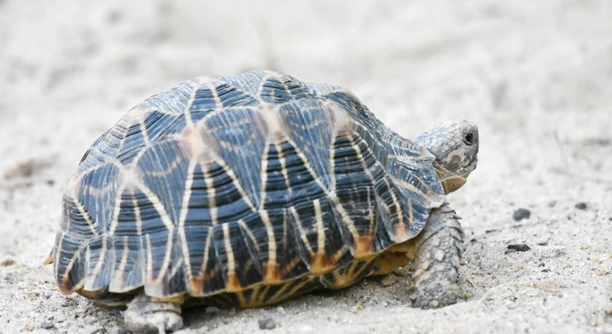
Turtles are fascinating creatures, often displaying unique behaviors in their natural habitats. If you’re a turtle owner, encouraging these behaviors is key to ensuring their well-being and happiness. Understanding how to support their instincts is crucial for their care.
Encouraging natural turtle behavior involves providing an environment that closely resembles their natural habitat. This can include offering proper hiding spots, fresh water sources, and a variety of natural foods. Consistent exposure to such conditions promotes healthy, instinctual behaviors.
Fostering these behaviors not only improves your turtle’s quality of life but also helps strengthen the bond you share with them. Keep reading to discover helpful tips for creating an environment that supports their natural instincts.
Creating a Natural Habitat for Your Turtle
When setting up a habitat for your turtle, aim to replicate their natural environment as closely as possible. This includes having the right amount of space, temperature, humidity, and lighting. Proper lighting, for example, is essential for turtles to regulate their day-night cycles. UVB light helps them produce vitamin D3, which is crucial for calcium absorption and shell health. Additionally, providing hiding spots can help reduce stress. Turtles are naturally shy and seek shelter when they feel threatened. A combination of rocks, aquatic plants, and logs gives them a chance to retreat when needed.
A tank with both land and water areas is ideal. Make sure the water is clean and properly filtered to prevent infections. The water depth should be manageable, with an area for the turtle to climb out and bask under a heat lamp. By designing a habitat that mimics nature, your turtle will feel more secure and active.
Incorporating natural elements into the habitat doesn’t just enhance their well-being, but it also encourages natural behavior. This setup gives your turtle the chance to dig, explore, and bask—just as they would in the wild.
Feeding Your Turtle a Natural Diet
Feeding your turtle a balanced diet is key to encouraging natural behaviors.
Turtles in the wild are opportunistic feeders, eating a variety of plants, small animals, and insects. In captivity, it’s important to replicate this diversity by providing both plant-based foods like leafy greens, and protein-rich foods like earthworms or fish. Avoid feeding them processed foods or anything too high in fat. These options not only promote healthy growth but also encourage foraging behaviors. Regularly changing up their food can keep them engaged and prevent them from becoming bored or stressed.
In addition, some turtles prefer to forage for their food, rather than have it handed to them. You can encourage this behavior by hiding food around their habitat. This keeps them active, searching for their meal, and satisfied. Ensuring their diet is natural and stimulating leads to healthier, happier turtles.
Encouraging Basking Behaviors
Turtles are known for their need to bask in the sun. A basking area should be provided for your turtle to dry off and regulate body temperature.
Creating a proper basking spot requires a heat lamp that reaches around 85-90°F. Make sure the area is accessible, with a flat surface or platform for them to rest comfortably. This is a critical behavior for their overall health. Turtles need the warmth for digestion and vitamin D synthesis. Without a suitable basking spot, they may become stressed and more prone to illness.
The basking area should also be free of clutter to give your turtle space to stretch out. You can add some natural materials like rocks or driftwood for extra comfort, but the surface should be stable. If the heat lamp is positioned too high, the area may not be warm enough, while positioning it too low can make the turtle uncomfortable. Adjust the setup to suit your turtle’s specific needs.
Providing a Safe Hiding Spot
Turtles, especially those in captivity, can experience stress if they don’t feel secure. A hiding spot allows them to retreat when they’re feeling threatened or overwhelmed.
Offering a place for your turtle to hide is important for mental well-being. Turtles naturally seek shelter in their environment, such as under rocks or vegetation, to avoid predators. By replicating this in their habitat, you give them a place to feel safe. Hiding spots reduce anxiety and allow your turtle to rest without being disturbed. You can use items like caves, submerged logs, or plants to create a secluded area.
This safe space encourages natural behaviors like nesting or sleeping. Without a hiding spot, your turtle may become stressed or develop unhealthy habits. Ensure the hiding area is large enough for your turtle to comfortably fit inside and escape from view.
Temperature and Humidity Control
Maintaining the right temperature and humidity is crucial for encouraging natural turtle behaviors.
Turtles rely on specific temperature ranges to regulate their body functions. For aquatic species, water should be kept between 75-80°F, with basking areas slightly warmer. Humidity levels also play a role in their overall health. Keeping humidity at the right level helps prevent dehydration and supports their natural activities.
Make sure to monitor temperature and humidity levels regularly. Using a thermometer and hygrometer will help you maintain a comfortable environment. If the humidity is too low, it can lead to shell problems and dehydration. Adjustments can be made using a misting system or humidifier.
Regular Cleaning of the Habitat
Regularly cleaning your turtle’s habitat will prevent bacteria and algae build-up.
A clean tank encourages healthy natural behaviors and prevents stress. Turtles are sensitive to dirty environments, which can lead to illness. Regular water changes and scrubbing surfaces will keep your turtle’s space hygienic and more comfortable. Healthy conditions promote better foraging, swimming, and basking.
Providing a Balanced Diet
Feeding your turtle a variety of natural foods encourages natural behavior.
Offering a well-balanced diet not only supports growth but also keeps your turtle engaged. Turtles in the wild eat a range of plants, insects, and small animals. By mimicking this in captivity, your turtle will enjoy foraging and eating in a more natural way.
FAQ
How can I encourage my turtle to swim more?
To encourage more swimming, ensure your turtle’s water is clean and at the appropriate temperature. If the water is too cold, turtles tend to stay inactive. Also, providing an area where they feel secure, with enough space to swim freely, can help. If the tank is small or cluttered, they may avoid swimming. Additionally, regular feeding in the water encourages your turtle to swim, as they may feel more inclined to search for food.
Why is my turtle not basking?
If your turtle isn’t basking, it could be due to the temperature of the basking area being too low. Ensure that the area is warm enough, usually between 85-90°F. Also, check that your turtle has a comfortable place to rest and feels safe. Turtles are more likely to bask if they can hide or rest without feeling threatened. If the environment is too stressful, they may avoid basking.
How often should I feed my turtle?
Turtles should be fed 2-3 times a week. However, this can vary depending on the species and their age. Younger turtles require more frequent feedings than adults. You can also offer different types of food, such as leafy greens, pellets, and small insects or fish, to maintain a balanced diet. Ensure to remove uneaten food promptly to keep the tank clean.
Is it necessary to provide UVB lighting for my turtle?
Yes, UVB lighting is crucial for your turtle’s health. It helps them produce vitamin D3, which is essential for calcium absorption and shell development. Without UVB light, your turtle may develop metabolic bone disease and have difficulty digesting food. Make sure the light is positioned properly to provide a good amount of exposure.
Can my turtle live with other animals in the same tank?
Turtles can live with other species, but it depends on the size and temperament of both animals. It’s important to ensure that the animals are compatible. For example, small fish may become prey for larger turtles. When introducing other creatures, make sure they won’t stress or harm your turtle. Avoid overcrowding, as too many animals can create an unhealthy environment.
Why is my turtle’s shell turning soft?
A soft shell is often a sign of calcium deficiency, dehydration, or poor diet. Ensure your turtle is receiving enough calcium and vitamin D3, either through their food or supplements. Adequate UVB lighting is also necessary to help them process calcium properly. If the problem persists, a vet visit may be needed to rule out any underlying health issues.
How do I know if my turtle is stressed?
Signs of stress in turtles include lack of activity, excessive hiding, abnormal swimming patterns, or refusal to eat. Stress can be caused by environmental factors, such as poor water quality, improper temperatures, or overcrowding. Providing a more secure, comfortable environment can help reduce stress and encourage natural behaviors.
How often should I clean my turtle’s tank?
You should clean your turtle’s tank regularly, with a full water change every 1-2 weeks. Scrub the walls and remove any algae or debris. It’s also important to clean the filter at least once a month. Keeping the tank clean will help maintain healthy water conditions and prevent bacteria build-up.
Can I feed my turtle fruits?
Yes, turtles can eat fruits in moderation, but they should not be a large part of their diet. Fruits like strawberries, blueberries, and melon are good occasional treats. Too much fruit can upset their digestive system, so offer it sparingly. Stick to leafy greens and protein-rich foods as the main parts of their diet.
What should I do if my turtle is not eating?
If your turtle is not eating, it could be due to stress, illness, or improper tank conditions. First, check the water temperature, lighting, and cleanliness of the habitat. If all conditions seem right, offer a variety of food types to see if they show any interest. If the lack of appetite continues, consider visiting a vet to rule out health issues.
Final Thoughts
Encouraging natural turtle behavior is about creating the right environment. By focusing on factors like temperature, lighting, and habitat setup, you can ensure that your turtle feels comfortable and safe. The more natural the surroundings, the more likely your turtle will exhibit healthy behaviors, such as basking, swimming, and foraging. Understanding their needs is essential to providing them with a fulfilling life in captivity.
Maintaining proper care also involves monitoring your turtle’s diet. A balanced diet rich in both plant and animal matter supports their health. It’s important to provide variety to keep your turtle engaged and active. You can offer leafy greens, aquatic plants, and occasional protein sources like insects or small fish. This variety will mimic their natural diet, promoting natural behaviors and preventing boredom.
Finally, always observe your turtle’s behavior and adjust their environment when needed. Turtles are creatures of habit, but they also need changes in their surroundings to stay active and mentally stimulated. By providing opportunities for them to bask, hide, swim, and explore, you help support their well-being and encourage natural behavior patterns.

Hello,
If you enjoy the content that we create, please consider saying a "Thank You!" by leaving a tip.
Every little bit helps us continue crafting quality advice that supports the health, happiness, and well-being of pets around the world, for pets of all shapes, sizes, and species.
We really appreciate the kindness and support that you show us!