
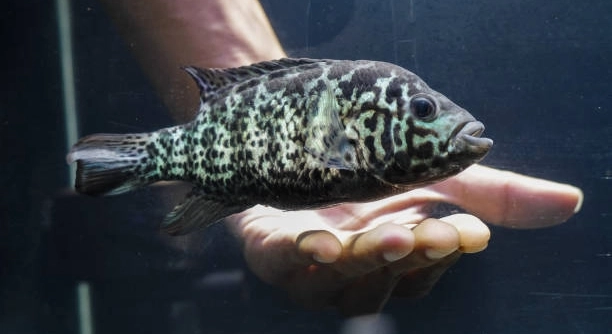
Jack Dempseys are striking freshwater fish known for their bold colors and spirited personalities. Observing their natural behaviors can be rewarding, but many owners struggle to create an environment that allows them to thrive and act naturally.
Encouraging natural Jack Dempsey behavior requires careful attention to tank conditions, diet, and social interactions. Providing proper hiding spaces, maintaining optimal water parameters, and offering varied, nutritious food promotes both physical health and natural activity patterns.
Understanding these essential factors will help you create a more enriching habitat for your fish and foster their natural instincts.
Provide Adequate Hiding Spaces
Jack Dempseys feel secure when they have places to retreat. Rocks, caves, and plants create safe areas where they can rest and explore without stress. Without hiding spots, they may become skittish or overly aggressive, which can affect their overall behavior and health. Observing your fish near these spaces allows you to see more natural movements and interactions. It’s important to arrange the tank so they have multiple hiding options. Using a mix of materials like driftwood, stones, and dense plant clusters encourages exploration. Varying heights and textures keeps their environment stimulating and prevents boredom. Overcrowding should be avoided, as it reduces available hiding areas and can lead to tension among fish. A well-structured tank allows Jack Dempseys to express their territorial and curious nature while minimizing stress. This setup also supports breeding behavior, as secure areas are essential for spawning. Creating a balanced environment improves their overall well-being and makes their behavior more predictable.
Providing hiding spaces allows Jack Dempseys to feel secure, reducing stress and promoting more natural, confident behavior.
Arranging a tank with varied structures encourages activity. Rocks, caves, and plants should be positioned to create multiple retreats. Mixing textures and heights keeps them engaged. This setup supports both mental stimulation and natural behavior patterns while reducing aggressive interactions and stress levels.
Maintain Optimal Water Conditions
Consistent water quality is essential for Jack Dempseys. They thrive in slightly hard, alkaline water with stable temperatures between 75-80°F. Sudden changes in pH, hardness, or temperature can stress them, making them less active and more prone to illness. Regular water testing and partial water changes help maintain balance. Filtration is also important, as stagnant or dirty water reduces oxygen levels and encourages harmful bacteria. Keeping the tank clean while avoiding excessive disturbance allows your fish to behave naturally. Using a reliable heater and thermometer ensures consistent warmth, while water conditioners help remove harmful chemicals from tap water. Monitoring ammonia, nitrites, and nitrates prevents toxic buildup that can alter behavior. Providing steady lighting schedules also helps mimic natural day and night cycles, which supports feeding and resting patterns. A stable and clean environment reduces stress and allows Jack Dempseys to display territorial and exploratory behaviors safely.
Stable water conditions prevent stress and support healthy, natural behavior, ensuring your Jack Dempseys remain active and confident.
Monitoring water quality requires consistent testing and maintenance. Temperature, pH, and hardness must remain steady. Partial water changes remove waste, while reliable filtration maintains oxygen levels and prevents toxins. Light schedules support natural feeding and resting cycles. Consistent care ensures they display their full range of behaviors.
Offer a Varied Diet
Jack Dempseys need a balanced diet to stay healthy and active. Feeding them a mix of pellets, live foods, and occasional vegetables supports natural behaviors like hunting and foraging.
Live foods such as brine shrimp, bloodworms, and small feeder fish stimulate their hunting instincts. Offering high-quality pellets ensures they receive essential nutrients for growth, coloration, and energy. Occasionally adding vegetables like peas or spinach provides fiber and variety, which can prevent boredom. Rotating food types helps maintain interest and encourages natural feeding behaviors. Overfeeding should be avoided, as it can lead to obesity, poor water quality, and lethargy. Feeding in different areas of the tank also encourages exploration and movement, making their environment more dynamic. By replicating natural feeding conditions, you support both physical health and behavioral enrichment.
Providing a varied diet improves activity levels and keeps Jack Dempseys engaged. Different foods encourage natural hunting and foraging instincts, promoting both physical and mental health.
Feeding routines should be consistent to maintain predictable behavior patterns. Offering food at the same time each day helps Jack Dempseys anticipate meals and reduces stress. Rotating textures and sources of food prevents boredom and supports natural instincts. Live foods stimulate movement and hunting, while pellets provide balanced nutrition. Occasional vegetables diversify their diet. Observing their feeding responses helps identify preferences and health issues early. Ensuring portions are appropriate prevents overfeeding and maintains water quality. A well-planned diet directly impacts their energy levels, coloration, and overall well-being, allowing them to display behaviors closer to those seen in the wild.
Encourage Territorial Exploration
Jack Dempseys are naturally territorial, and allowing them to explore helps them establish boundaries. Rearranging rocks, plants, and decorations occasionally promotes activity.
Territorial behavior can be enhanced by creating distinct zones within the tank. Rocks, caves, and plant clusters define spaces that the fish can claim. This setup reduces aggression by giving each fish identifiable boundaries while encouraging patrolling and exploration. Adding small changes regularly, like new hiding spots or rearranged structures, keeps the environment stimulating. Watching how they navigate these zones reveals natural patterns such as guarding, resting, or investigating. Territorial exploration also supports social hierarchy when multiple fish are present. By providing a structured yet varied layout, Jack Dempseys can engage in behaviors that reflect their instinctive tendencies.
Allowing territorial exploration supports natural instincts and reduces stress. Proper layout encourages patrolling, resting, and investigating, making their environment more engaging and balanced.
Provide Gentle Tank Mates
Jack Dempseys can coexist with certain tank mates, but aggression must be monitored. Choosing similarly sized, non-aggressive fish reduces conflicts and supports natural social interactions.
Peaceful species like large tetras or silver dollars work well. Avoid small or highly aggressive fish, as they may trigger stress or attacks.
Monitor Behavior Daily
Regular observation helps identify stress, illness, or unusual activity. Watching interactions, feeding patterns, and movement ensures their environment meets their needs. Adjustments can be made quickly to maintain balance and encourage natural behavior.
Maintain Consistent Lighting
Consistent light schedules support natural sleep and activity cycles. Using timers helps Jack Dempseys establish predictable routines, reducing stress and promoting normal daily behavior.
FAQ
How often should I feed my Jack Dempsey?
Feeding once or twice a day is usually sufficient. Provide only what they can eat in a few minutes to avoid overfeeding. Overfeeding can harm water quality and cause obesity, which reduces activity and natural behaviors. A balanced diet of pellets, live food, and occasional vegetables keeps them healthy. Observing their appetite helps you adjust portions appropriately.
Can Jack Dempseys live with other fish?
Yes, but careful selection is essential. Choose fish of similar size and temperament. Avoid very small fish that could be seen as prey. Peaceful, larger species like silver dollars, large tetras, or cichlids with similar behavior are suitable. Always monitor interactions, especially during feeding or when territories are being established.
What tank size is ideal for a Jack Dempsey?
A minimum of 55 gallons is recommended for one adult fish. Larger tanks are better for multiple fish, as they provide more swimming space and allow territories to form naturally. Adequate space reduces aggression and stress while promoting exploration and natural behaviors. Decorations, rocks, and plants also help define zones.
How do I encourage natural behavior in my Jack Dempsey?
Provide hiding spots, varied food, and a stable environment. Regularly rearranging decorations encourages exploration. Using live or frozen foods stimulates hunting instincts. Maintaining proper water conditions and lighting schedules supports activity and resting cycles. Monitoring behavior daily ensures they remain active, confident, and healthy.
What water conditions do Jack Dempseys prefer?
They thrive in slightly hard, alkaline water with a pH between 7.0 and 8.0. Temperature should be stable between 75-80°F. Regular testing and partial water changes keep ammonia, nitrite, and nitrate levels safe. A reliable filtration system maintains oxygen levels and reduces toxins. Consistency in water conditions reduces stress.
Do Jack Dempseys need a lot of hiding places?
Yes. Caves, rocks, and dense plants provide security and reduce aggression. Multiple hiding spots allow fish to rest, explore, and establish territories. Rearranging these areas occasionally adds stimulation. Hiding spaces are also important for breeding, as they give a safe area for spawning and protecting fry.
Can Jack Dempseys get stressed easily?
They can become stressed from poor water quality, aggressive tank mates, overcrowding, or sudden changes. Signs include hiding, loss of appetite, or erratic swimming. Maintaining a clean, stable environment, proper feeding, and providing territory boundaries helps reduce stress and supports natural, confident behavior.
How do I know if my Jack Dempsey is healthy?
Healthy fish are active, alert, and display vibrant colors. They swim confidently, interact with their environment, and eat regularly. Dull coloration, lethargy, or unusual behavior may indicate stress or illness. Regular observation and proper care help maintain their physical health and natural behavior.
Is it necessary to adjust lighting for Jack Dempseys?
Yes. Consistent lighting supports natural day-night cycles and regulates activity. Using timers ensures predictability, which reduces stress and encourages normal feeding and resting patterns. Too much light can increase aggression, while too little can reduce activity and color vibrancy.
How do I prevent aggression in a community tank?
Provide enough space, hiding spots, and careful selection of tank mates. Avoid overcrowding and monitor interactions. Creating distinct territories using decorations and plants helps minimize fights. Feeding at different locations and using varied foods can also reduce competition and encourage peaceful coexistence.
Can Jack Dempseys breed in a home tank?
Yes, if the environment is stable and secure. Provide caves or secluded areas for spawning. Water conditions should be optimal, and a nutritious diet supports reproductive health. Observing territorial behavior helps identify compatible pairs. Fry require separate care to ensure survival.
How often should I clean the tank?
Partial water changes of 20-25% weekly are recommended. Regularly remove debris and monitor water parameters. Deep cleaning should be done carefully to avoid stressing fish or disrupting established territories. Maintaining cleanliness supports health, encourages natural behaviors, and prevents disease.
What signs indicate aggression in Jack Dempseys?
Chasing, nipping, flaring fins, and guarding areas are common signs. Aggression can increase during feeding or when establishing territory. Providing hiding spots, sufficient space, and compatible tank mates reduces conflicts. Occasional observation and adjustments in the tank layout can help manage aggressive behavior.
Do Jack Dempseys require supplements?
High-quality pellets often provide complete nutrition, but live or frozen foods enhance health and stimulate natural hunting behavior. Occasionally offering vegetables adds variety and fiber. Supplements are rarely needed if the diet is well-balanced and varied. Observation ensures nutritional needs are met consistently.
Can I keep multiple Jack Dempseys together?
Yes, in larger tanks with clear territorial zones. Aggression is common, especially among males. Providing hiding spots, monitoring interactions, and maintaining proper space helps them coexist. Rearranging tank structures occasionally can reduce prolonged conflicts and encourage exploration.
How do I handle a sick Jack Dempsey?
Quarantine the fish if possible, and monitor symptoms closely. Maintain clean water and optimal conditions. Consult an experienced fish care guide or veterinarian for treatment options. Early intervention increases recovery chances and prevents disease from spreading to other tank inhabitants.
Is it normal for Jack Dempseys to dig or move substrate?
Yes. Digging is natural and helps establish territories. It can also indicate searching for food or preparing a breeding site. Providing adequate substrate and observing patterns helps manage this behavior without causing harm to plants or decorations.
What is the best way to introduce new fish to a Jack Dempsey tank?
Acclimate new fish slowly to match temperature and water conditions. Introduce them when the tank is stable, and provide plenty of hiding spaces. Monitor interactions carefully to prevent stress or aggression. Gradual introduction reduces risk and encourages smoother integration into the existing hierarchy.
How long do Jack Dempseys live?
With proper care, they can live 8-10 years or more. Maintaining water quality, providing a balanced diet, and encouraging natural behaviors supports longevity. Regular observation and adjustments to their environment help them remain healthy, active, and vibrant throughout their lifespan.
Can Jack Dempseys recognize their owners?
Yes, they can respond to familiar feeding routines and movements near the tank. Recognition is linked to repeated interaction and association with food. While they are not social in the same way as mammals, they can show curiosity and familiarity over time, especially in well-maintained tanks.
Jack Dempseys are fascinating fish with bold personalities and striking colors. Observing their natural behavior can be very rewarding when the right conditions are provided. Creating a stable environment with proper water quality, hiding spaces, and varied food allows them to act naturally. Regular maintenance, such as partial water changes and monitoring temperature and pH, ensures they remain healthy. Consistent lighting schedules and careful selection of tank mates help reduce stress and promote normal activity. By paying attention to these factors, it is possible to see Jack Dempseys display behaviors that reflect their instincts in the wild, from exploring their territory to interacting with other fish in a balanced way.
Encouraging natural behaviors is not just about aesthetics—it directly supports the health and well-being of the fish. Feeding a mix of high-quality pellets, live foods, and occasional vegetables provides essential nutrients while stimulating hunting and foraging instincts. Rearranging decorations and providing multiple hiding spots offers mental stimulation and reduces aggression. Territorial exploration is important, as it allows them to establish boundaries and feel secure. Daily observation helps identify stress, illness, or unusual behavior early. Even small adjustments, like moving rocks or changing plant arrangements, can have a positive effect on activity levels and confidence. By understanding these needs, owners can foster a habitat where Jack Dempseys thrive physically and mentally, showing vibrant coloration, energy, and curiosity.
Patience and careful planning are key to maintaining a successful tank with Jack Dempseys. Aggression can occur, but it can be managed with proper space, compatible tank mates, and structured territory. Regular monitoring, combined with thoughtful feeding routines and clean water, ensures they stay healthy and active over the years. Providing a balance of safety, stimulation, and nutrition helps the fish live comfortably while expressing natural behaviors. Over time, observing their daily habits becomes rewarding, as owners can appreciate their individual personalities and interactions within the tank. With consistent care, attention to detail, and respect for their natural instincts, Jack Dempseys can flourish, creating a lively, engaging, and balanced aquarium environment.

Hello,
If you enjoy the content that we create, please consider saying a "Thank You!" by leaving a tip.
Every little bit helps us continue crafting quality advice that supports the health, happiness, and well-being of pets around the world, for pets of all shapes, sizes, and species.
We really appreciate the kindness and support that you show us!