
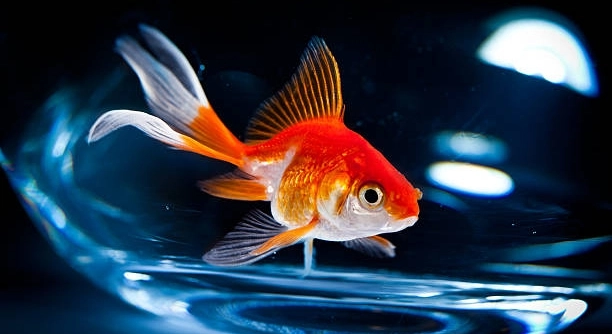
Are your goldfish spending most of their time waiting for food instead of exploring their tank? Encouraging natural foraging behavior can keep them mentally stimulated and physically active. Simple changes in their environment can make a big difference.
Goldfish can be encouraged to forage naturally by introducing live plants, hiding food, using floating objects, and varying their diet. These methods mimic their natural habitat, promoting problem-solving skills, reducing stress, and supporting their overall health and well-being.
Creating an engaging environment for your goldfish can improve their quality of life. Small adjustments can lead to more active and curious fish, making their aquarium experience more enriching.
Use Live Plants to Promote Exploration
Live plants create a natural environment that encourages goldfish to forage. Plants like anubias, java fern, and hornwort provide hiding spots and surfaces where food can settle. Goldfish will instinctively search through the leaves and substrate, keeping them engaged. Plants also help maintain water quality by absorbing excess nutrients.
Adding live plants reduces boredom and encourages movement. Goldfish will nibble on soft plants like duckweed, which adds variety to their diet. A planted tank provides both mental stimulation and nutritional benefits, promoting natural behaviors while improving their overall health.
Choosing hardy plants that can withstand goldfish nibbling is important. Secure plants to rocks or driftwood to prevent uprooting. Regularly trimming overgrown plants ensures they do not overcrowd the tank. Combining different plant species can create a more dynamic environment, encouraging goldfish to explore different areas of their habitat while searching for food.
Hide Food to Encourage Scavenging
Hiding food around the tank makes feeding more engaging. Instead of dropping food in one spot, scatter pellets or sinking treats among decorations, plants, or substrate. This encourages goldfish to search for their meals, mimicking how they would forage in nature.
Foraging toys, such as floating rings or small containers with holes, can add variety. Goldfish will need to push or nudge these objects to access their food, promoting physical activity. Sinking food options, like gel-based diets or frozen treats, also encourage scavenging behavior. These methods prevent boredom while slowing down eating, reducing the risk of overeating.
Introducing new feeding techniques can keep goldfish stimulated. Rotating different hiding spots prevents them from anticipating where food will appear. Adjusting the placement of objects or using a feeding schedule with varied methods can keep their environment interesting. Encouraging natural foraging behaviors helps maintain a healthier and more active lifestyle for goldfish.
Introduce Floating Objects for Stimulation
Floating objects encourage goldfish to interact with their surroundings. Items like floating plants, feeding rings, or lightweight decorations create obstacles they must navigate. These objects add variety to their environment, keeping them active and engaged while searching for food or exploring different areas of the tank.
Using floating objects allows goldfish to develop problem-solving skills. Foraging rings can hold floating pellets, requiring fish to push through or maneuver around to access food. Adding small floating plants, like water lettuce, encourages natural nibbling behaviors. This approach slows down feeding, preventing overeating while stimulating their instincts.
Regularly changing floating objects keeps things interesting. Swapping out different decorations or rearranging their placement prevents goldfish from becoming too familiar with their environment. Some fish may even enjoy nudging or pushing floating items, promoting movement and reducing stress. Providing new stimuli encourages natural foraging and keeps them entertained.
Vary Their Diet for Natural Foraging
Goldfish benefit from a varied diet that includes pellets, flakes, live food, and vegetables. Changing food types encourages them to search and interact with their environment. Sinking pellets promote bottom scavenging, while floating food stimulates surface feeding, ensuring they use different foraging techniques.
Live food, such as daphnia or brine shrimp, adds an element of challenge. Goldfish must chase their prey, mimicking wild foraging behaviors. Blanched vegetables like zucchini or spinach provide additional enrichment, requiring them to nibble and pull apart food. Offering different textures and shapes prevents boredom while meeting their nutritional needs.
Rotating feeding methods keeps their environment stimulating. Scattering food throughout the tank, using feeding rings, or introducing foraging toys prevents predictable feeding patterns. Changing meal times slightly each day ensures goldfish stay alert and engaged. A diverse diet encourages natural foraging while supporting overall health and well-being.
Use Tank Decor to Encourage Exploration
Adding decorations like caves, tunnels, and rocks gives goldfish places to search for food. Hiding small treats inside or around these objects encourages natural foraging behaviors. Varying the placement of decorations keeps them engaged and prevents them from settling into a predictable routine.
Changing the layout of the tank occasionally provides new challenges. Rearranging plants, moving decorations, or introducing new structures encourages curiosity. Goldfish will explore their surroundings more actively, searching for food and investigating unfamiliar spaces, keeping them mentally and physically stimulated.
Scatter Food in Different Areas
Spreading food across the tank prevents goldfish from eating too quickly. Dropping pellets in various locations encourages movement and foraging. This method replicates how they would search for food in natural environments, making mealtimes more interactive and rewarding.
Use Foraging Toys
Foraging toys add an extra challenge to feeding time. Simple items like floating balls with holes or small, perforated containers allow goldfish to work for their food. These toys encourage problem-solving and keep them entertained while promoting natural foraging instincts.
FAQ
Why is natural foraging behavior important for goldfish?
Foraging keeps goldfish mentally and physically active. In the wild, they spend time searching for food rather than waiting to be fed. Encouraging this behavior in an aquarium prevents boredom, reduces stress, and promotes a healthier lifestyle. Active fish are less likely to develop health issues related to inactivity.
How often should I change foraging methods?
Rotating feeding techniques every few days keeps things interesting. Using a mix of floating, sinking, and hidden food prevents predictability. Goldfish adapt quickly, so varying their feeding routine ensures they remain engaged. Even small changes, like rearranging tank decor or introducing new objects, can make a difference.
Can all goldfish learn to forage?
Yes, all goldfish have natural foraging instincts. Some may take longer to adjust, especially if they are used to being hand-fed. Gradually introducing foraging techniques, such as hiding food or using floating objects, helps them learn. Consistency and patience allow them to develop these behaviors over time.
What are the best types of food for encouraging foraging?
Live food like daphnia, bloodworms, and brine shrimp promotes chasing behavior. Sinking pellets and gel-based foods encourage bottom scavenging. Blanched vegetables such as zucchini and spinach require nibbling, stimulating their instincts. Mixing different textures and feeding methods ensures variety while keeping them engaged.
Will encouraging foraging change their behavior?
Goldfish that actively forage tend to be more alert and curious. They will explore their surroundings more often instead of waiting for food to appear. This behavioral shift reduces stress, prevents aggression, and encourages a more natural way of interacting with their environment.
Are foraging toys necessary?
Foraging toys are not required but add extra stimulation. Simple items like floating rings, perforated containers, or small tubes filled with food create challenges that mimic natural searching behaviors. These toys help prevent boredom and encourage problem-solving, keeping goldfish entertained.
Can overfeeding occur when using foraging methods?
Yes, it is important to control portion sizes even when spreading food around the tank. Goldfish have a tendency to overeat if given too much food. Measuring portions and monitoring their intake ensures they stay healthy while still benefiting from the stimulation of foraging.
What are signs that my goldfish enjoy foraging?
Active searching, nudging objects, and exploring different areas of the tank indicate engagement. Goldfish that swim around decorations, sift through substrate, or investigate floating objects are displaying natural foraging behaviors. Increased activity and curiosity suggest they are benefiting from the changes.
How can I prevent uneaten food from affecting water quality?
Removing excess food after feeding prevents buildup and maintains water quality. Sinking food can be placed in controlled areas to make cleanup easier. Introducing bottom-dwelling tank mates, like snails, can also help consume leftover food without overloading the tank.
Do goldfish need variety in their foraging setup?
Yes, changing their environment regularly keeps foraging interesting. Rearranging plants, rotating hiding spots, and introducing new textures prevent boredom. Goldfish thrive in stimulating environments, so small changes can make a big difference in maintaining their natural behaviors.
Final Thoughts
Encouraging natural foraging behavior in goldfish provides mental stimulation, promotes physical activity, and improves overall well-being. By incorporating different feeding techniques, rearranging tank decor, and using foraging toys, goldfish stay engaged in their environment. These small adjustments replicate how they would search for food in the wild, preventing boredom and reducing stress. A more active lifestyle also helps prevent health issues related to overeating and inactivity, making foraging an essential part of their care.
Providing variety is key to maintaining their interest. Changing the placement of food, introducing different textures, and using new hiding spots keeps them curious. Goldfish quickly adapt to their surroundings, so rotating methods ensures they remain mentally stimulated. Even minor changes, such as adding floating objects or adjusting feeding times, can make a noticeable difference. A diverse and interactive environment encourages natural instincts, helping them thrive in captivity.
Consistency and observation help determine what works best for each fish. Some may respond quickly to foraging techniques, while others need time to adjust. Watching their behavior and making small modifications ensures they remain engaged. Foraging is more than just a feeding method—it enhances their quality of life. By taking simple steps to encourage natural behaviors, goldfish can live healthier, more active lives.

Hello,
If you enjoy the content that we create, please consider saying a "Thank You!" by leaving a tip.
Every little bit helps us continue crafting quality advice that supports the health, happiness, and well-being of pets around the world, for pets of all shapes, sizes, and species.
We really appreciate the kindness and support that you show us!