
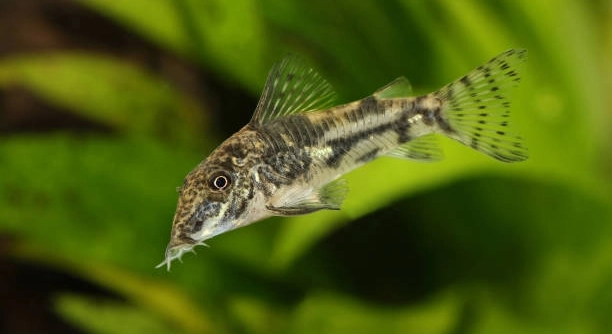
Corydoras catfish are a popular and friendly addition to many home aquariums. Their natural behavior, however, can sometimes be difficult to observe in a tank. Understanding how to encourage these behaviors will help your fish thrive.
To encourage natural Corydoras catfish behavior, it is essential to replicate their natural environment. This includes maintaining a clean, well-filtered tank with soft substrate, offering hiding spots, and providing appropriate water conditions that mimic their native habitat.
By making a few adjustments to their tank, you can ensure your Corydoras feel at home. Keep reading to discover simple tips that will help your fish show their natural behavior.
1. Create a Comfortable Tank Environment
Corydoras catfish feel most at ease in a tank that resembles their natural habitat. They thrive in clean, well-filtered water with soft substrate, such as fine gravel or sand. It’s important to ensure the tank has plenty of hiding spots, like plants or caves, where the fish can retreat when feeling stressed. The water temperature should range from 72°F to 78°F (22°C to 26°C), as Corydoras prefer slightly warmer conditions. Additionally, keeping the water slightly acidic, around pH 6.5 to 7.0, will help them feel comfortable.
Adding gentle water flow is also beneficial, as Corydoras prefer calm waters, which helps them feel safe. Avoid strong currents, which can be overwhelming for these small, bottom-dwelling fish. Maintaining a consistent water change schedule is crucial to ensure the environment stays healthy. Regular maintenance will encourage your Corydoras to display their natural foraging behaviors.
Consistent water testing for ammonia, nitrite, and nitrate levels is vital in keeping the water conditions balanced. An appropriate water chemistry setup reduces the likelihood of stress and ensures your Corydoras stay active and healthy.
2. Provide Adequate Nutrition
Corydoras are bottom feeders and enjoy a varied diet. To mimic their natural feeding behavior, provide sinking pellets, frozen or live foods, and vegetables. Offering a mix of food types encourages them to forage and explore their tank.
Corydoras catfish have small mouths and are used to scavenging for food. In the tank, they will often sift through the substrate in search of food, which is an essential part of their natural behavior. Ensure their diet includes high-quality sinking pellets that provide balanced nutrition, along with occasional treats like daphnia, bloodworms, or brine shrimp. These will keep them active and help prevent boredom.
However, it’s also important not to overfeed your Corydoras. Overfeeding can lead to water quality issues and health problems. Provide small portions and monitor how much your fish consume to maintain a healthy feeding routine. Keep the tank clean and remove any leftover food to maintain water quality. Offering a variety of foods will help keep your Corydoras happy and engaged, encouraging natural behavior such as foraging and scavenging.
3. Maintain a Proper Tank Size
A tank that is too small can restrict your Corydoras’ movement and stress them out. Aim for at least a 20-gallon tank, as these fish prefer to swim in groups and need enough space to feel comfortable. More space means a more natural environment.
Corydoras catfish are social creatures, and keeping them in a larger tank with a group of at least four or five is important. They thrive in schools, as being together helps them feel secure and reduces stress. When housed in smaller tanks, they may feel confined and exhibit shy or timid behavior, which limits their activity levels.
The right tank size allows for ample swimming space and the opportunity to explore their surroundings. It also provides room for tank mates, such as peaceful fish species that won’t intimidate the Corydoras. A spacious environment promotes healthier, more active behavior, allowing the fish to display natural tendencies like scavenging and exploring the substrate.
4. Keep Consistent Water Quality
Water quality plays a big role in maintaining natural behavior in Corydoras. Ammonia, nitrite, and nitrate levels should always be tested and kept within safe limits. Regular water changes will ensure a stable environment.
Corydoras catfish are sensitive to poor water quality, and any imbalances in the water chemistry can cause stress. Regular testing for ammonia, nitrites, and nitrates is necessary to ensure these levels stay low. Poor water quality often leads to sluggish behavior, with Corydoras spending more time hiding. To maintain stability, aim for small but frequent water changes, replacing 25% of the tank water every 1-2 weeks.
In addition to water changes, use a good filtration system to maintain clean water and prevent harmful toxins from building up. This creates an environment where Corydoras can thrive, encouraging them to display their natural behaviors such as foraging on the tank floor and interacting with their surroundings.
5. Add Hiding Spots and Decorations
Corydoras catfish prefer a tank with hiding spots where they can retreat when feeling stressed. Simple decorations like caves, plants, or driftwood create safe spaces for them to feel secure.
Providing multiple hiding places will allow your Corydoras to feel comfortable enough to show their natural behavior. In a tank with few places to hide, Corydoras can become more shy and hesitant. They may avoid interacting with other tank mates or show reduced activity. By including decorations that mimic their natural habitat, they will feel safer and more confident in exploring.
6. Offer Suitable Tank Mates
Corydoras do best with peaceful tank mates that won’t stress them. Avoid aggressive fish that could cause harm or make them hide constantly.
Choosing compatible tank mates is key for maintaining a stress-free environment for your Corydoras. Fish like tetras, guppies, or peaceful shrimp are ideal companions. Avoid housing them with large, predatory fish, as these can intimidate Corydoras, making them more likely to hide and exhibit unnatural behavior. By keeping calm and friendly tank mates, your Corydoras will feel more confident and exhibit more active behaviors like swimming and exploring.
7. Control the Lighting
Corydoras prefer subdued lighting. Bright, harsh lighting can make them feel uneasy and hide more often.
Setting up a dimmer lighting system or using natural lighting will encourage Corydoras to be more active. They are naturally accustomed to low-light conditions in the wild, so too much light can cause them to hide in dark corners of the tank. Avoid using bright, direct lights and consider using plants or decorations to create shaded areas where they feel secure. This setup mimics their natural environment and encourages them to act more naturally.
FAQ
How many Corydoras should I keep together?
Corydoras are social fish and should always be kept in groups of at least 4 to 5. They feel more secure when they are with other Corydoras, and this group dynamic helps them exhibit their natural behaviors. If kept alone or in smaller numbers, they may become stressed, shy, and less active. A school of Corydoras will swim together, foraging on the substrate, and interacting with each other, which is essential for their well-being. In a larger group, they feel more confident and comfortable, which leads to more natural and engaging behaviors in the tank.
Can Corydoras live with other fish?
Yes, Corydoras are peaceful and can coexist with many other species of fish, as long as the tank mates are non-aggressive. Avoid aggressive or fin-nipping fish, as these can stress the Corydoras out and cause them to hide. Good companions include small, peaceful species like tetras, guppies, or other bottom-dwellers like peaceful shrimp. However, be cautious about larger, more aggressive fish that might bully your Corydoras or try to nip at their fins. It’s important to select tank mates that won’t outcompete them for food or create a stressful environment.
What type of substrate is best for Corydoras catfish?
Corydoras prefer fine, soft substrate like sand or smooth gravel. This allows them to dig through the substrate without injuring themselves. In the wild, they sift through the sand in search of food, so using a substrate that is too rough or sharp can cause damage to their sensitive barbels. Sand is often the best choice, as it mimics their natural environment and allows them to forage comfortably. If you use gravel, ensure the pieces are smooth and not too large. The key is to avoid anything that could harm their delicate barbels when they dig around.
What water conditions do Corydoras need?
Corydoras catfish thrive in slightly acidic to neutral water with a pH of 6.5 to 7.0. The water temperature should range between 72°F and 78°F (22°C to 26°C). It’s important to maintain stable water conditions, as sudden changes can cause stress. Keep the water clean and well-filtered, as Corydoras are sensitive to poor water quality. Ammonia and nitrite levels should be at zero, while nitrate levels should be kept low. Regular water changes of about 25% every week or two will help maintain these conditions and ensure your Corydoras are healthy and active.
How often should I feed Corydoras?
Corydoras should be fed small amounts of food twice a day. Overfeeding can lead to poor water quality, so it’s best to give them just enough food that they can consume within a few minutes. Since they are bottom feeders, they enjoy sinking pellets or wafers, but you can also offer them frozen or live foods like bloodworms, brine shrimp, or daphnia. It’s a good idea to vary their diet to ensure they receive all the nutrients they need. Make sure to remove any uneaten food after a few hours to prevent water contamination.
Do Corydoras need a filter in their tank?
Yes, Corydoras require a filter to keep the water clean and ensure they live in a healthy environment. They prefer calm water, so it’s important to choose a filter that doesn’t create too much current. A gentle filter will help maintain water quality without stressing the fish. However, make sure the filter is not too powerful for the tank size, as Corydoras prefer low-flow environments. Regular maintenance of the filter is also necessary to prevent clogging and ensure it continues working efficiently. A good filter, combined with regular water changes, is essential for a stable tank environment.
Why are my Corydoras hiding?
Corydoras may hide if they are stressed or feel insecure. This can be caused by poor water quality, aggressive tank mates, or a lack of hiding places in the tank. Corydoras are naturally shy, and if they don’t have adequate hiding spots like plants or caves, they may retreat to dark corners of the tank. Ensure the tank has plenty of places for them to hide and feel safe. Also, check the water conditions and make sure there are no aggressive fish in the tank. If the hiding persists, it may be a sign of illness, and a closer inspection may be needed.
How can I encourage Corydoras to breed?
To encourage Corydoras breeding, you need to create the right conditions. First, ensure the tank is well-maintained, with clean water and a temperature between 74°F and 78°F (23°C to 26°C). To simulate the rainy season, lower the water level slightly and perform a large water change with cooler water, as this can trigger breeding behavior. Provide a well-planted tank with plenty of hiding spots for the female to lay eggs. Male Corydoras will chase the female, and once she lays eggs, they will fertilize them. After breeding, remove the adults to protect the eggs from being eaten.
What should I do if my Corydoras are not eating?
If your Corydoras are not eating, first check the water conditions. Poor water quality can cause them to lose their appetite. Ensure the water is within the proper range for temperature, pH, and ammonia levels. Additionally, check that they are being offered appropriate food, such as sinking pellets, which they prefer. If tank mates are eating their food, you may need to feed them separately. Corydoras can also go off their food due to stress, so ensure they have enough hiding spots and aren’t being disturbed by aggressive fish. If the lack of appetite persists, consult a veterinarian for possible health issues.
Are Corydoras catfish easy to care for?
Yes, Corydoras catfish are relatively easy to care for as long as their basic needs are met. They are hardy fish and can tolerate a range of conditions, but they still require a clean tank, stable water quality, and appropriate tank mates. With the right environment, they can thrive and display their natural behaviors. Regular water changes, proper filtration, and a balanced diet will ensure your Corydoras remain healthy and active. Their peaceful nature makes them great additions to community tanks, but attention to their water quality and tank setup is key to successful care.
Final Thoughts
Creating the right environment for your Corydoras catfish is essential to encouraging their natural behavior. These small fish thrive when their tank mimics their natural habitat, with soft substrate, proper water conditions, and plenty of hiding places. By providing a clean tank with gentle water flow and stable temperatures, you can create a setting where your Corydoras feel safe and confident. With the right setup, you’ll notice them swimming freely and foraging for food, just as they would in the wild.
Feeding your Corydoras a varied diet will also help promote their natural behaviors. Since they are bottom dwellers, they enjoy foraging through the substrate. Providing sinking pellets, along with occasional treats like bloodworms or shrimp, will keep them engaged and active. Offering the right amount of food is important too—avoid overfeeding, as this can lead to poor water quality and health problems. Keeping their environment clean, feeding them properly, and avoiding overstocking the tank will ensure that your Corydoras remain happy and healthy.
Finally, remember that Corydoras are social creatures. Keeping them in groups will encourage them to display their natural behavior, such as swimming together and interacting with each other. A school of Corydoras will help them feel secure, which in turn will make them more active and confident. With peaceful tank mates, consistent water quality, and a well-maintained tank, your Corydoras will thrive, offering you a peaceful and enjoyable aquarium experience.

Hello,
If you enjoy the content that we create, please consider saying a "Thank You!" by leaving a tip.
Every little bit helps us continue crafting quality advice that supports the health, happiness, and well-being of pets around the world, for pets of all shapes, sizes, and species.
We really appreciate the kindness and support that you show us!