
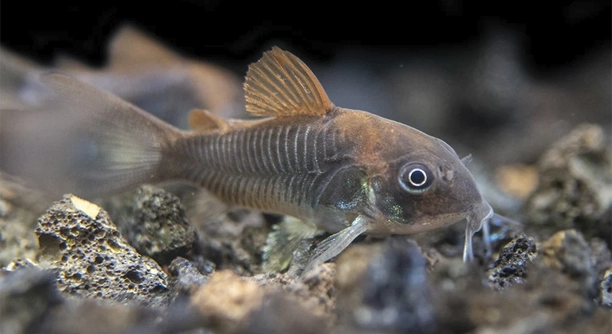
Corydoras catfish are popular aquarium fish known for their peaceful nature and interesting behavior. If you own them, you may want to encourage them to express their natural instincts while in captivity, making them feel more at ease.
To promote natural Corydoras catfish behavior, ensure the aquarium mimics their natural environment. This includes providing a soft substrate, hiding spots, and appropriate water conditions such as temperature, pH, and flow. These elements promote their natural foraging, schooling, and bottom-dwelling habits.
Creating an environment that supports these behaviors will not only enhance their well-being but also improve the overall health and appearance of your aquarium.
Create a Comfortable Environment for Your Corydoras Catfish
A comfortable environment is essential for encouraging natural Corydoras catfish behavior. These fish thrive in well-maintained aquariums that replicate their natural habitat. They prefer soft, fine-gravel or sand substrates, as this allows them to forage comfortably. Avoiding sharp objects or rough materials helps prevent injury. Corydoras are bottom dwellers, so having ample space on the aquarium floor is crucial for them to explore and search for food.
Additionally, hiding spots like caves or plants provide a sense of security, allowing them to exhibit their natural behavior, such as schooling or foraging. Keeping the water clean and maintaining stable temperature and pH levels is key to their health and comfort. Regular water changes ensure they remain in optimal conditions, which supports their natural activities.
Once the tank conditions are right, your Corydoras will be more likely to engage in the behaviors you want to see, such as scavenging or swimming in groups.
Mimic Their Natural Diet
Corydoras catfish are opportunistic feeders that enjoy foraging for food in their natural habitat. Offering a variety of high-quality, sinking foods is essential to encourage this behavior. Their natural diet includes small crustaceans, worms, and detritus, so providing a mix of protein-rich pellets and live or frozen foods will mimic this diet.
By offering different types of food, you can stimulate their natural foraging instincts. Consider adding live plants, which will attract small organisms, providing Corydoras with a more dynamic and enjoyable feeding experience. A well-balanced diet promotes health, which can also encourage more natural behaviors, including exploration of their surroundings.
Regular feeding at scheduled times also helps to keep your catfish healthy while maintaining their interest in exploring their tank.
Control Tank Water Conditions
Water quality plays a significant role in encouraging natural Corydoras behavior. Maintaining a stable environment is essential for their comfort and well-being. These fish are particularly sensitive to water changes and pollution, so ensure proper filtration and monitor water parameters regularly. Clean water conditions, with low to moderate water flow, mimic the calm, slow-moving streams they naturally inhabit.
Maintaining a temperature between 72 and 79°F (22-26°C) and a slightly acidic to neutral pH will make them feel more at ease. Regular water changes are crucial in keeping harmful chemicals at bay. Ammonia, nitrites, and nitrates must be kept at safe levels to prevent stress or disease, which can disrupt natural behaviors. Testing the water periodically will give you a clear understanding of its quality.
By consistently keeping the water clean and within the appropriate ranges, your Corydoras will have the optimal environment to show their natural behaviors.
Provide Hiding Spots and Structures
Hiding spots are essential for Corydoras catfish. They offer safety, reduce stress, and mimic their natural environment. Rocks, caves, and plants can be used to create these spaces. The fish will feel more secure, encouraging them to explore and exhibit natural behaviors like burrowing or schooling.
A well-decorated tank not only makes Corydoras feel at ease but also promotes more dynamic behaviors. Adding driftwood, tall plants, and leaf litter can provide additional hiding spots and areas to explore. These structures give them space to rest and keep away from stressors. Ensure the decor is secure and cannot topple easily, as Corydoras may disturb it.
By offering a variety of hiding options, you help your Corydoras express their natural instincts in a safe and comfortable setting. They’ll likely become more active and social, interacting with both the environment and other fish.
Group Them Together
Corydoras catfish are social fish and thrive when kept in groups. Having multiple fish encourages natural schooling behavior, making them feel more comfortable. A group of six or more Corydoras will exhibit more natural interaction and reduce stress. Without company, they may feel isolated and anxious.
When kept in schools, Corydoras tend to explore their environment together, moving in sync. This behavior is key to their well-being, as they naturally swim in tight groups in the wild. A larger group also provides safety, as they instinctively stick together to avoid predators.
Keeping a group of Corydoras fosters a sense of security and allows them to engage in their natural activities. The social dynamics will keep them more active and content, which benefits both their health and the overall aquarium environment.
Use Soft Substrate
Corydoras catfish prefer soft substrates like fine sand or smooth gravel. This helps prevent injury to their sensitive barbels while they forage along the tank floor. A soft substrate also allows them to exhibit more natural behavior, such as rooting through the sand to find food.
Using a soft substrate also benefits the overall health of your Corydoras. It’s easier for them to move around and explore their environment without stress or discomfort. The soft material encourages their natural digging behavior and provides the opportunity to engage in scavenging, which they naturally enjoy.
Control Water Flow
Moderate water flow is essential for Corydoras catfish. In the wild, they live in calm, slow-moving waters. Strong currents can cause stress and discourage them from exploring. Using a gentle filter or adjusting the water flow ensures they feel comfortable.
Too strong of a current can make them avoid certain parts of the tank. They may become anxious and reluctant to forage or swim. A balanced water flow allows Corydoras to swim naturally and engage in more normal behaviors. It’s important to find the right flow level to keep them calm and active.
Monitor Temperature
Corydoras catfish are sensitive to temperature fluctuations. Keeping the tank temperature stable between 72-79°F (22-26°C) helps maintain their health and encourages natural behavior. Sudden changes in temperature can stress the fish and disrupt their activity levels. Monitoring the temperature regularly ensures consistency.
FAQ
How often should I feed my Corydoras catfish?
Corydoras catfish are bottom-dwelling fish that enjoy frequent, small meals. Feeding them once or twice a day is generally sufficient. Make sure to offer a variety of foods, such as sinking pellets, live or frozen food, and occasional plant matter. Overfeeding can lead to poor water quality, so only provide what they can consume in a few minutes. You can also offer food at different times of the day to mimic their natural foraging behavior.
Can Corydoras catfish live with other fish?
Yes, Corydoras catfish are peaceful and social fish. They typically do well with other peaceful aquarium species, especially those that prefer similar water conditions. Avoid keeping them with aggressive fish, as this can cause stress. Corydoras are social creatures and thrive in schools, so keeping multiple catfish together can also help them feel more secure.
How can I tell if my Corydoras catfish are stressed?
Signs of stress in Corydoras catfish include erratic swimming, hiding more than usual, loss of appetite, and a faded color. Stress can be caused by poor water quality, overcrowding, or unsuitable tank mates. It’s important to monitor your fish closely and address any issues promptly. Providing a stable environment with appropriate tank conditions will help minimize stress.
What is the ideal tank size for Corydoras catfish?
A 20-gallon tank is typically sufficient for a small school of Corydoras catfish. However, the more space, the better. If you’re keeping a larger group, you may need a larger tank to provide enough room for the fish to swim and forage comfortably. A larger tank also helps maintain water quality, making it easier to keep the environment stable.
Do Corydoras catfish need a filtration system?
Yes, Corydoras catfish benefit from a good filtration system. A filter helps maintain clean water and removes harmful waste, which is essential for their health. However, make sure the filter doesn’t create a strong current, as Corydoras prefer calm waters. Choose a filter with adjustable flow to ensure it suits the needs of these bottom-dwelling fish.
Can Corydoras catfish be kept in a tank without a lid?
Corydoras catfish are not known for jumping, but it’s still best to keep a lid on the tank. While they are bottom-dwellers, they might occasionally swim near the surface, and having a lid helps prevent any accidents. A tight-fitting lid also keeps the tank environment stable and prevents contamination.
How do I clean the substrate in my Corydoras catfish tank?
Regular substrate cleaning is important for maintaining water quality in your Corydoras tank. Use a siphon or gravel vacuum to remove debris from the substrate. Be gentle to avoid disturbing the fish too much. Cleaning the substrate during routine water changes helps prevent excess waste buildup, keeping the tank environment healthy for your Corydoras.
Can Corydoras catfish live in a tank with plants?
Yes, Corydoras catfish can live in a tank with plants. In fact, plants offer additional hiding spots and a more natural environment for the fish. They tend to enjoy exploring areas around plants and hiding among the leaves. Make sure to choose plants that are compatible with the water conditions your Corydoras prefer, and avoid sharp or toxic plants that could harm them.
Do Corydoras catfish need to be kept in schools?
Yes, Corydoras catfish are social creatures that feel more secure when kept in groups. They naturally live in schools in the wild, which helps them stay safe from predators. Keeping at least six Corydoras together encourages natural schooling behavior and reduces stress. A larger school allows the fish to exhibit more natural behavior, including foraging and swimming in groups.
Why do my Corydoras catfish swim at the surface?
If your Corydoras catfish are spending too much time at the surface, it could indicate an issue with water quality, such as low oxygen levels or high toxins. Ensure your filter is working properly and check the water parameters, including ammonia, nitrite, nitrate, and oxygen levels. If the issue persists, perform a partial water change and monitor the fish closely.
Can I breed Corydoras catfish in an aquarium?
Breeding Corydoras catfish in an aquarium is possible, but it requires the right conditions. To encourage breeding, mimic the seasonal changes that occur in their natural environment. This includes adjusting water temperature, performing partial water changes, and offering plenty of hiding spots for the eggs. Once eggs are laid, move them to a separate breeding tank to protect the fry from other tank mates.
How do I keep my Corydoras catfish healthy?
Maintaining a stable tank environment with appropriate water conditions is key to keeping your Corydoras healthy. Regular water changes, proper filtration, and feeding them a balanced diet will help ensure their well-being. Monitor their behavior for signs of stress or illness, and address any issues promptly to prevent complications.
What do Corydoras catfish eat in the wild?
In the wild, Corydoras catfish are bottom feeders and scavengers, eating a variety of foods such as small invertebrates, detritus, and plant matter. They forage along the substrate for food, using their sensitive barbels to detect small particles. Mimicking this diet in captivity helps keep them active and healthy.
How can I encourage natural foraging behavior in Corydoras catfish?
To encourage natural foraging, scatter sinking food along the substrate so that your Corydoras can search for it. You can also add live food, such as small worms or shrimp, to simulate a more natural foraging environment. By offering food in this way, you’ll encourage them to engage with their surroundings more actively.
Why is my Corydoras catfish hiding all the time?
Constant hiding can indicate stress or poor water quality. If your Corydoras is hiding more than usual, check the tank conditions and make sure the environment is suitable. It may also be a sign of illness, so monitor your fish closely and seek professional advice if needed.
Do Corydoras catfish need a lot of light?
Corydoras catfish don’t require strong lighting. They are more comfortable in dim or moderate light levels, as they are accustomed to the low-light conditions of the riverbed in the wild. Excessive lighting can cause stress, so it’s best to keep lighting at a level that’s comfortable for all the tank’s inhabitants.
Final Thoughts
Corydoras catfish are fascinating and peaceful creatures that can thrive in a well-maintained aquarium. Providing them with an environment that closely resembles their natural habitat is key to encouraging natural behaviors. By ensuring proper water quality, temperature, and substrate, you help create a space where they feel comfortable and safe. These catfish enjoy being part of a school, so keeping multiple Corydoras together helps reduce stress and promotes more natural interactions. A calm environment with low water flow also ensures they can move freely and explore without feeling overwhelmed.
In addition to environmental conditions, diet plays an important role in the well-being of Corydoras catfish. These bottom-dwelling fish enjoy scavenging for food and should be offered a variety of options such as sinking pellets, live food, and occasional plant matter. Overfeeding should be avoided to maintain good water quality. Regular feeding schedules and portion control help maintain their health while encouraging natural foraging behavior. Adding live or frozen food can mimic their wild diet and keep them engaged in their surroundings.
Lastly, Corydoras catfish are easy to care for as long as you pay attention to their specific needs. By keeping the tank environment stable, providing appropriate food, and ensuring they are kept with compatible tank mates, these fish will flourish. Whether you’re a beginner or an experienced aquarist, Corydoras are a rewarding species to have in your aquarium. With just a little effort, you can create a thriving environment that encourages natural behaviors, making your aquarium a peaceful and enjoyable space for both you and your fish.

Hello,
If you enjoy the content that we create, please consider saying a "Thank You!" by leaving a tip.
Every little bit helps us continue crafting quality advice that supports the health, happiness, and well-being of pets around the world, for pets of all shapes, sizes, and species.
We really appreciate the kindness and support that you show us!