
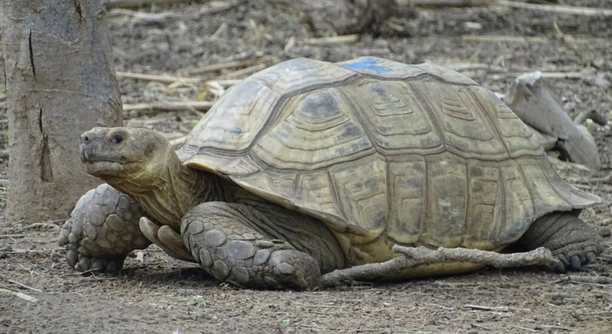
Sulcata tortoises are fascinating creatures, and understanding how to support their natural behaviors is crucial for their well-being. By creating a suitable environment, you can encourage them to engage in instinctive activities that promote health and happiness.
To encourage natural behaviors in Sulcata tortoises, it’s important to replicate their natural habitat. This includes providing a spacious outdoor enclosure, appropriate substrates for digging, a diet rich in fiber, and opportunities for basking and exercise.
These steps can help your Sulcata tortoise feel more at ease and thrive in a controlled environment. Keep reading to discover the seven essential tips for supporting their natural instincts.
1. Provide a Spacious Outdoor Enclosure
Sulcata tortoises are native to arid, open environments. They need room to roam, so providing a large outdoor enclosure mimics their natural habitat. A spacious area allows them to explore, forage, and exhibit natural behaviors like grazing and digging. Ensure the enclosure has a sturdy fence to prevent escapes, as Sulcata tortoises can grow large and strong.
A well-sized enclosure provides the opportunity for healthy exercise, which is crucial for their physical and mental well-being. The space should allow for natural sunlight, as they need UV rays for proper calcium absorption and overall health.
To keep your Sulcata comfortable, avoid overcrowding the space with obstacles that hinder movement. Leave open areas for your tortoise to explore freely. You can also add some shaded spots for them to retreat during hotter parts of the day. Ensure that the outdoor setup is secure to avoid escape attempts.
2. Create a Suitable Digging Environment
Tortoises have an instinct to dig, which they do for various reasons, including seeking shelter and creating a comfortable temperature. By providing a loose, sandy substrate, you can allow them to engage in this natural behavior.
Digging helps Sulcata tortoises regulate their body temperature. They often burrow to cool down when it’s too hot or to warm up during cooler weather. Allowing them to dig freely will prevent stress and help them feel more at ease in their environment.
Create a digging-friendly environment by offering a substrate that is deep enough for your tortoise to dig into. A mixture of sand, soil, and organic material mimics their natural digging surfaces. Regularly check the substrate for cleanliness to ensure it remains safe.
3. Provide a Varied and Natural Diet
A varied diet is key to keeping your Sulcata tortoise healthy. They are herbivores, and offering a wide range of leafy greens, grasses, and weeds encourages natural foraging behaviors. This diet also promotes their overall health and prevents nutritional deficiencies.
The majority of their diet should consist of high-fiber foods such as grasses, dandelion greens, and clover. Avoid feeding them too many high-protein foods, which can lead to shell deformities. Offering a mix of foods keeps their eating habits engaging and natural.
In addition to leafy greens, consider adding cactus pads, hibiscus flowers, and safe weeds to their diet. These foods offer variety and mimic what they would find in the wild. Always ensure that the food you provide is pesticide-free and safe for tortoises to consume.
4. Ensure Proper Temperature and Basking Spots
Sulcata tortoises need warm temperatures to stay healthy, and basking is a natural behavior that helps them regulate their body heat. Providing a basking spot in their enclosure is essential for this process.
Create a basking area with a heat lamp that keeps the temperature around 95-100°F (35-37°C). Ensure that the area is dry, as moisture can lead to respiratory issues. Having a warm spot available at all times mimics their natural environment and allows them to stay healthy.
In addition to the basking spot, make sure there is a cooler area in the enclosure where your tortoise can retreat if it becomes too hot. Having temperature variation in the enclosure will allow them to regulate their body temperature naturally.
5. Offer a Water Source for Hydration
Hydration is crucial for Sulcata tortoises, and providing fresh water in their enclosure encourages natural drinking behaviors. A shallow water dish will allow them to drink whenever they need. Make sure the water is changed daily.
Though Sulcata tortoises can survive in dry conditions, having access to water is important for their digestion and overall health. Be sure to keep the water dish clean to prevent contamination.
If possible, offer a shallow dish that allows them to soak for a few minutes. This can help with hydration, and it also provides them with an opportunity to cool down, which is important in hot climates.
6. Encourage Natural Exercise
Exercise is essential for Sulcata tortoises, and they get it by roaming and foraging. Encourage movement by creating a spacious environment with obstacles for them to navigate.
A tortoise’s natural exercise comes from walking long distances in search of food. You can mimic this by offering large areas with various textures and surfaces. Different terrain encourages them to explore.
Incorporating small hills or rocks into their environment can also encourage climbing and movement. This helps them develop their muscles and maintain good health. Make sure there is enough room for them to roam freely without obstacles that limit movement.
FAQ
How often should I feed my Sulcata tortoise?
Sulcata tortoises should be fed daily, but their diet should be adjusted based on their age and size. Younger tortoises tend to need more frequent feedings, while adults can be fed every other day. Ensure that they have a constant supply of fresh food in their enclosure, but always monitor portion sizes to avoid overfeeding. Overfeeding can lead to obesity and health issues.
Can Sulcata tortoises live indoors?
Sulcata tortoises can live indoors, but it requires a lot of effort to recreate their natural habitat. They need a spacious enclosure with proper heating and UV lighting to simulate outdoor conditions. The space must be large enough for them to roam and dig. It is difficult to provide the same level of exercise and sun exposure indoors, so outdoor access should be provided whenever possible.
What temperature should the basking area be?
The basking area should be between 95-100°F (35-37°C). This temperature range allows Sulcata tortoises to regulate their body heat effectively, which is crucial for their digestion and overall health. Ensure that the basking spot is dry, as humidity can cause respiratory problems.
Can Sulcata tortoises live with other animals?
Sulcata tortoises are generally solitary creatures, and it’s usually best to keep them alone. They can become territorial and may show aggression toward other tortoises or animals. If you choose to keep more than one Sulcata, make sure there is ample space and resources for each to avoid conflict. Other pets, such as dogs or cats, should be kept away from tortoises to prevent stress or injury.
How can I tell if my Sulcata tortoise is stressed?
Signs of stress in Sulcata tortoises include loss of appetite, excessive hiding, pacing, and not basking. If they are stressed due to environmental factors, you might notice them trying to escape the enclosure or digging excessively. Stress can also lead to health problems, so it’s important to assess their environment and make sure it meets their needs.
What should I do if my Sulcata tortoise isn’t eating?
If your Sulcata tortoise isn’t eating, first check if the temperature and humidity in their environment are suitable. A lack of appetite can be a sign of stress or health problems, so it’s important to observe their behavior. Try offering a variety of fresh, safe foods to entice them. If the problem persists, consult a veterinarian who specializes in reptiles to rule out any underlying health issues.
How big will my Sulcata tortoise grow?
Sulcata tortoises are among the largest species of tortoises and can reach lengths of 30 inches or more, weighing anywhere from 70 to 100 pounds when fully grown. It’s essential to provide them with a large, spacious environment to accommodate their size. Expect them to grow rapidly during their younger years, so plan accordingly.
How long do Sulcata tortoises live?
Sulcata tortoises can live a long time, often reaching 50 to 100 years with proper care. Due to their long lifespan, it’s important to consider their long-term needs before deciding to adopt one. Providing a suitable habitat, proper diet, and regular veterinary care will help ensure they live a healthy and happy life.
Do Sulcata tortoises need a companion?
Sulcata tortoises are solitary animals and do not need a companion. They can become territorial and may become stressed if housed with other tortoises or animals. Keeping them alone is often the best option for their health and well-being. However, if you want to have more than one, ensure that each tortoise has enough space and resources to avoid competition.
Can Sulcata tortoises swim?
While Sulcata tortoises are good at soaking in shallow water, they are not swimmers. They are adapted for life on land and can struggle in deep water. It’s important to provide a shallow water dish in their enclosure for hydration and soaking, but avoid placing them in deep pools or water features where they could drown.
What kind of lighting do Sulcata tortoises need?
Sulcata tortoises require UVB lighting to synthesize vitamin D3 and absorb calcium properly. This is essential for their shell and bone health. UVB lights should be on for 10-12 hours a day, mimicking natural sunlight. Regular exposure to direct sunlight is ideal, but if that’s not possible, UVB lights should be used to ensure their health.
How do I maintain my Sulcata tortoise’s shell?
A healthy shell requires proper care. To prevent shell rot or other conditions, keep your tortoise’s environment clean and dry. Avoid excessive humidity and ensure they have a proper basking spot. Additionally, a diet rich in fiber and calcium helps to maintain strong, healthy shells.
Is it necessary to take my Sulcata tortoise to the vet?
Routine veterinary care is essential for keeping your Sulcata tortoise healthy. Regular check-ups help detect early signs of illness, and a reptile vet can advise you on diet, habitat, and care. If you notice unusual behavior or symptoms like lethargy, shell damage, or loss of appetite, a vet visit is crucial.
How do I handle my Sulcata tortoise?
Sulcata tortoises generally don’t enjoy being handled, as they are more comfortable when left to roam in their environment. However, gentle handling is fine for short periods. Always support their entire body, and avoid picking them up by their legs or tail. This helps minimize stress and allows your tortoise to feel secure.
What should I do if my Sulcata tortoise is digging excessively?
Digging is a natural behavior, but excessive digging could indicate stress or discomfort in the enclosure. If your tortoise is digging too much, ensure the temperature, humidity, and space are appropriate. If the behavior persists, check for other signs of stress or illness, and adjust their environment as needed.
Taking care of a Sulcata tortoise requires more than just providing food and water. It’s important to create an environment that mirrors their natural habitat as closely as possible. By offering plenty of space for them to roam, a proper diet, and opportunities for digging and basking, you can encourage natural behaviors that help them thrive. Regularly monitoring their health and adjusting their habitat to meet their needs will ensure they live a long, happy life.
Understanding the natural instincts of a Sulcata tortoise is crucial. These tortoises need warmth, access to sunlight, and the right type of food. Creating a balance between a natural environment and practical care is key to their well-being. Regular check-ups from a reptile vet are also necessary to detect any health issues early on. By paying attention to their needs, you help provide them with the best possible life.
Finally, owning a Sulcata tortoise is a long-term commitment. They can live for many decades, and their care requirements will change over time. Providing them with a safe, stimulating environment and meeting their physical and emotional needs will ensure they grow up to be healthy, active tortoises. With proper attention, your Sulcata tortoise will feel at home in your care and continue to display natural behaviors for years to come.

Hello,
If you enjoy the content that we create, please consider saying a "Thank You!" by leaving a tip.
Every little bit helps us continue crafting quality advice that supports the health, happiness, and well-being of pets around the world, for pets of all shapes, sizes, and species.
We really appreciate the kindness and support that you show us!