
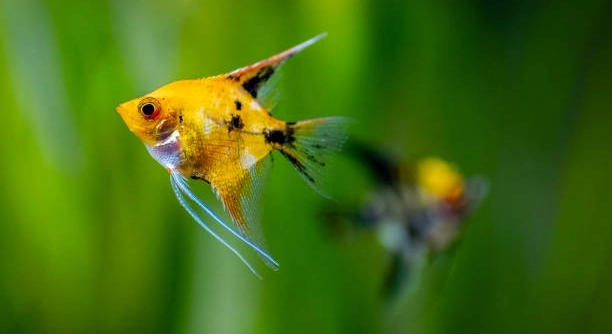
Are your angelfish spending too much time hiding or acting strangely in their tank? It might be time to adjust their environment.
Encouraging natural behavior in angelfish involves replicating aspects of their native habitat. This includes maintaining proper water conditions, providing appropriate tank mates, offering hiding spots, and using a balanced feeding routine to promote activity and reduce stress.
Learning how to support natural behavior in angelfish can improve their well-being and help you better understand their unique habits and needs.
Provide a Spacious and Comfortable Tank
Angelfish need enough space to swim freely and feel secure. A small or crowded tank can make them nervous and less active. A 20-gallon tank is the minimum size for a pair, but larger tanks are better, especially if you’re keeping more than two. Vertical space is important too, as angelfish have tall bodies and prefer swimming up and down. Adding live plants, rocks, and driftwood gives them places to explore and hide, helping them feel safe and less stressed. Make sure the tank isn’t filled with too many decorations, so there’s still room to swim.
A clean, organized tank layout also plays a role. Avoid sharp objects and clutter that could hurt or confuse them.
Creating the right tank setup helps angelfish behave more naturally. They’ll become more active, interact with their surroundings, and even show off their unique personalities when the tank matches their needs and comfort levels.
Keep the Water Conditions Consistent
Poor water quality can cause stress and unnatural behavior in angelfish. Clear, warm, and stable water helps them thrive.
Maintain water temperature between 76–82°F, with a slightly acidic to neutral pH of 6.5–7.5. Use a reliable heater and thermometer to avoid temperature swings, which can affect angelfish health and mood. Ammonia and nitrite should always be at zero, and nitrates should stay low through regular water changes. Using a good filter will help remove waste and keep water clean. Test your water weekly to stay ahead of issues. Don’t overcrowd the tank—more fish create more waste, making it harder to maintain balance. Replace 25–30% of the water every week to remove toxins and keep the tank fresh. When refilling, always treat tap water with a conditioner to neutralize harmful chemicals. Stable, healthy water supports better behavior, reduces hiding, and helps angelfish feel secure in their space.
Feed a Varied and Balanced Diet
Angelfish stay active and healthy when they get a mix of foods. Flakes are fine for daily feeding, but they also need frozen or live foods to stay engaged and stimulated.
Incorporate protein-rich options like brine shrimp, bloodworms, or daphnia into their weekly meals. These types of food not only support growth but also encourage natural hunting behaviors. Feed them in small amounts twice a day, and always remove leftovers to keep the water clean. Varying their diet helps avoid boredom and prevents nutritional gaps. You can even try feeding them from different spots in the tank, which keeps them moving and alert. Avoid overfeeding—if they finish their food in under two minutes, you’re on the right track. Stick to a schedule and mix things up regularly to keep mealtime interesting and beneficial.
Watch how they eat. If they lose interest or stop eating certain foods, it may be a sign of stress or health issues. A healthy angelfish will swim up eagerly when it’s feeding time and show curiosity when food enters the tank. Balanced nutrition helps their colors stay bright and keeps their immune system strong. When their diet is right, they move with more energy and interact with their environment more often.
Limit Stress and Sudden Changes
Sudden changes in the tank can scare angelfish and disrupt their natural behavior. Loud noises, rough handling, or fast movements near the tank may cause them to hide or become inactive.
Try to maintain a steady routine when feeding or cleaning the tank. Turn lights on and off gradually or use a dimmer if possible. Keep the tank in a calm spot, away from TVs or high-traffic areas. When introducing new fish or decorations, do it slowly and give your angelfish time to adjust. If you need to move them for any reason, use a soft net and keep the transfer smooth and quick. Avoid tapping on the glass or reaching into the tank too often. These small actions may seem harmless but can raise stress levels. The calmer and more consistent the environment, the more naturally your angelfish will behave.
Offer Hiding Spots and Vertical Space
Angelfish feel safer when they have places to retreat. Plants, tall decorations, and driftwood create cozy areas where they can rest or escape when needed.
Tall plants also give them vertical room to swim. This matches their natural behavior and helps reduce stress in community tanks.
Choose Peaceful Tank Mates
Avoid keeping angelfish with overly aggressive or fast-swimming fish. Good tank mates include peaceful tetras, corydoras, or dwarf gouramis. They won’t nip fins or compete too much for food. This lowers stress and allows angelfish to behave more naturally, without hiding or showing signs of fear. Compatibility matters in maintaining a calm tank.
Mimic Natural Lighting
Use soft, regular lighting to simulate a natural day-night cycle. Bright, sudden light can startle angelfish, while total darkness may increase stress. A gentle light schedule helps regulate their daily patterns.
FAQ
How do I know if my angelfish are stressed?
Stressed angelfish may hide more often, lose their color, or stop eating. They might also swim erratically or stay in one corner of the tank. If you notice clamped fins, rapid breathing, or less interaction with other fish, these are also signs of stress. Check water conditions first, as poor quality is a common reason. Also, make sure there’s enough space, no bullying from tank mates, and no sudden changes in their routine. A calm, clean, and quiet environment helps angelfish return to normal behavior.
Can I keep angelfish alone, or do they need a group?
Angelfish can live alone, but many do better in pairs or small groups. They’re social fish and often interact with each other in subtle ways. Keeping just one angelfish is okay if you’re providing enough stimulation in the tank. But if you plan to keep a group, make sure the tank is large enough—at least 30 gallons for a small group. Watch for signs of aggression if they start forming a pecking order. Sometimes, a bonded pair will defend territory more strongly, especially during breeding.
What are the best plants for angelfish tanks?
Angelfish appreciate tall, leafy plants that give them cover and vertical swimming space. Good choices include Amazon swords, vallisneria, and java fern. These plants are easy to care for and grow well in warm water. Floating plants like frogbit can also provide shade and help angelfish feel more secure. Make sure the plants don’t take over the tank—leave room for swimming. Use a gentle filter so the plants and angelfish aren’t overwhelmed by strong currents. Live plants also improve water quality by absorbing waste.
Why are my angelfish not eating?
There are a few reasons angelfish might stop eating. Stress, poor water quality, illness, or a sudden change in food can all cause a loss of appetite. Check your water parameters first, then look at other fish in the tank—are they bullying your angelfish? Also, try offering a different food like frozen brine shrimp or bloodworms to see if they respond. Avoid overfeeding during this time. If they don’t eat for more than two days, you may need to consider a health issue and observe for other symptoms like bloating or odd swimming.
Do angelfish need light at night?
No, angelfish do not need light at night. Like most fish, they need a clear day-night cycle to stay healthy. Keeping lights on all the time can disturb their sleep and cause stress. It’s best to turn the tank light off at night or use a timer for consistency. If you want to check on them after dark, use a dim light in the room rather than turning the tank light back on. Giving them proper rest helps with behavior, color, and overall health.
How often should I clean an angelfish tank?
You should do partial water changes weekly—about 25–30% of the tank water. This helps remove waste and keep the water stable. Clean the filter once a month or as needed, but avoid changing all the filter media at once. Use a gravel vacuum during water changes to pick up waste that settles at the bottom. Clean decorations and glass only when algae builds up, and use aquarium-safe tools. Avoid harsh chemicals. Keeping up with simple weekly maintenance keeps angelfish healthy and helps prevent problems before they start.
Can angelfish recognize their owners?
Yes, angelfish can recognize patterns and learn to associate their owner with feeding time. They might come to the front of the tank when they see you, especially around meal times. While they don’t form bonds like dogs or cats, they do show curiosity and awareness. They may also become more relaxed around people they see often. This familiarity helps reduce stress and encourages more natural, confident behavior. Regular gentle interactions—like feeding at the same time each day—can help build this recognition.
Final Thoughts
Encouraging natural behavior in your angelfish is about creating the right environment and providing consistent care. A spacious tank with plenty of hiding spots and proper water conditions is key to making your angelfish feel safe and secure. The more comfortable they feel, the more active and healthy they will become. It’s important to remember that angelfish are sensitive to their surroundings, so small changes in their habitat can have a big impact on their behavior. By paying attention to their needs and maintaining a balanced tank, you’ll help them thrive.
Diet plays a major role in their overall health and activity levels. Offering a varied and balanced diet that includes both flakes and protein-rich foods will keep your angelfish physically fit and mentally stimulated. Feeding them different types of food not only keeps them interested but also supports natural foraging and hunting behavior. This variety will help avoid boredom and ensure they get the nutrients they need to stay vibrant. Overfeeding, however, should be avoided, as it can lead to poor water quality and other health issues.
Finally, it’s important to keep in mind that every angelfish is different. While these tips are generally effective, watching your fish closely will help you understand their specific preferences and needs. With proper care, your angelfish will display natural behaviors and show their true colors. It’s a process of trial and error, but with patience and consistency, you’ll have a happy, healthy tank where your angelfish can live their best life.

Hello,
If you enjoy the content that we create, please consider saying a "Thank You!" by leaving a tip.
Every little bit helps us continue crafting quality advice that supports the health, happiness, and well-being of pets around the world, for pets of all shapes, sizes, and species.
We really appreciate the kindness and support that you show us!