
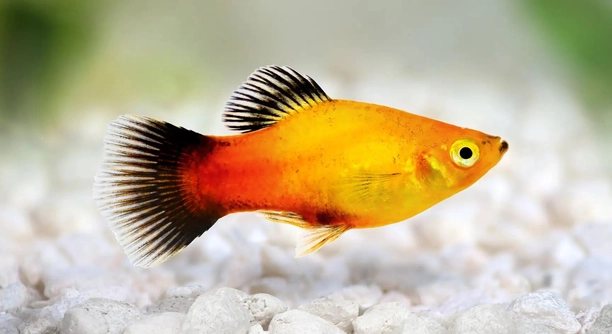
Platies are popular freshwater fish known for their peaceful nature and vibrant colors. Many fishkeepers enjoy watching their natural behaviors in home aquariums. Encouraging these behaviors helps keep platies healthy and happy in captivity.
Encouraging natural behavior in platies involves providing a suitable environment with plants, hiding spots, proper diet, and social groups. These factors create conditions similar to their natural habitat, promoting instincts like foraging, exploring, and interacting.
Understanding how to support your platies’ natural habits can improve their well-being and make your aquarium more lively and enjoyable.
Create a Natural Environment with Plants and Hiding Spots
Platies feel most comfortable in an aquarium that mimics their natural surroundings. Adding live plants like Java fern, Anubias, or hornwort provides cover and encourages natural exploration. These plants not only improve water quality but also offer hiding spots where platies can retreat when stressed. Including rocks or small caves further enhances the environment. When platies have places to hide and explore, they show more active and confident behavior. Avoid overcrowding the tank to maintain plenty of swimming space. The right setup helps reduce stress and encourages natural movement and social interaction among the fish. Observing your platies use these spaces is rewarding, as it shows they feel safe and engaged.
Plants and hiding spots are essential for promoting natural activity in platies. They create a balanced habitat that supports both comfort and curiosity.
Setting up the aquarium with a mix of plants and hiding areas is simple. Choose hardy, low-maintenance plants to start, and arrange rocks or decorations to form cozy shelters. This environment encourages platies to swim, explore, and rest naturally. Adding these elements helps reduce aggressive or shy behavior, making your tank more peaceful and vibrant. Over time, you will notice your platies displaying typical behaviors like grazing on plants or darting through spaces, which indicates their well-being.
Provide a Balanced Diet for Natural Foraging
Feeding platies a varied diet encourages their natural foraging habits. Offering flakes, pellets, and occasional live or frozen foods like brine shrimp or daphnia keeps them interested and healthy.
A balanced diet mimics the diverse food sources platies find in the wild, promoting active feeding behavior and better overall health.
To encourage natural foraging, avoid overfeeding and scatter small amounts of food around the tank. This method stimulates platies to search and pick at food, just as they would in nature. Including live or frozen options adds texture and variety, preventing boredom. Watching your platies forage keeps feeding time engaging for both you and the fish. This simple change improves their digestion and vitality while supporting instinctive behaviors.
Maintain Proper Water Conditions
Platies thrive in clean, stable water. Keeping the temperature between 72°F and 78°F and maintaining a pH around 7.0 helps them stay healthy. Regular water changes are essential to remove waste and prevent harmful buildup.
Consistent water quality reduces stress, which encourages natural behaviors like swimming actively and interacting with tank mates. Using a reliable filter and testing water parameters weekly ensures conditions stay ideal. Avoid sudden changes in temperature or chemistry, as platies are sensitive to these fluctuations. Clean water supports their immune system and promotes longevity.
A stable aquatic environment helps platies feel secure, allowing them to express natural instincts. If water conditions decline, platies may become lethargic or hide more often. By maintaining proper water parameters, you create a supportive habitat that encourages natural movement, feeding, and social behaviors.
Provide Social Interaction with Other Platies
Platies are social fish and feel more comfortable in small groups. Keeping at least three or more together encourages natural schooling and reduces loneliness or stress.
Social groups promote natural behaviors such as following each other, displaying colors, and gentle chasing. These interactions are essential for mental stimulation and well-being. Isolating a platy can lead to boredom and less activity, which affects overall health.
When housed with compatible tank mates, platies display more lively and engaging behaviors. Group dynamics help them establish a healthy social structure, reducing aggression. Choosing peaceful companions keeps the community harmonious. Observing platies interact adds enjoyment and insight into their natural habits, making the aquarium experience more rewarding.
Use Gentle Lighting
Platies prefer soft, natural lighting that mimics their environment. Bright or harsh lights can stress them, causing them to hide or stay still. Using adjustable or dimmable lights helps create a comfortable setting.
A balanced light cycle with about 8–10 hours of light supports natural activity and rest. This rhythm encourages normal feeding and swimming behavior.
Encourage Exploration with Tank Layout
Varied tank decorations and open spaces invite platies to explore. Changing the layout occasionally keeps their environment interesting, which stimulates natural curiosity and movement.
Providing both hiding spots and clear swimming paths balances security with activity, promoting healthy behavior.
Avoid Overcrowding the Tank
Too many fish in one tank causes stress and limits natural behavior. Maintaining appropriate stocking levels helps platies thrive and act naturally.
Overcrowding can lead to aggression, illness, and reduced water quality.
FAQ
How often should I change the water in my platy tank?
Regular water changes are important for keeping platies healthy. Changing about 20-25% of the water every week helps remove toxins and waste. This keeps the water clean and stable, which reduces stress and encourages natural behavior. Avoid changing too much water at once to prevent shocking the fish.
What plants are best for encouraging natural behavior in platies?
Hardy plants like Java fern, Anubias, and hornwort are great choices. They provide shelter and grazing areas, making platies feel secure. These plants also improve water quality and create a more natural environment. Floating plants can offer shade and reduce bright light stress.
Can platies live alone, or do they need a group?
Platies are social fish and do best in groups of at least three. Being in a group encourages natural schooling, reduces stress, and promotes active swimming and interaction. A single platy may become shy or less active.
What is the best diet for platies to support their natural behavior?
A varied diet including flakes, pellets, and occasional live or frozen foods like brine shrimp or daphnia is ideal. This variety keeps platies interested and mimics their natural foraging habits. Avoid overfeeding to prevent water quality issues.
How do I maintain proper water conditions for platies?
Keep the temperature between 72°F and 78°F and the pH close to 7.0. Use a reliable filter and test water weekly. Perform regular water changes and avoid sudden changes in temperature or chemistry. Stable conditions help platies stay healthy and active.
What kind of lighting is best for platies?
Soft, natural lighting is best. Too bright or harsh lighting can stress platies. Use adjustable lights and provide about 8–10 hours of light daily to mimic natural day-night cycles. This supports normal feeding and resting behavior.
How can I tell if my platies are stressed?
Signs of stress include hiding, reduced activity, loss of appetite, and faded colors. Stress often comes from poor water quality, overcrowding, or sudden changes in the environment. Addressing these issues quickly helps your platies recover and behave naturally again.
Is overcrowding harmful to platies?
Yes, overcrowding causes stress, aggression, and poor water quality. Keeping the right number of fish per gallon of water ensures platies have enough space to swim and interact naturally. This promotes better health and behavior.
Can platies live with other fish?
Platies are peaceful and do well with other calm fish like guppies, mollies, and tetras. Avoid aggressive or much larger fish that may bully or eat them. A peaceful community tank encourages natural social behaviors.
How do I encourage my platies to breed naturally?
Provide a stable, planted environment with good water quality and proper diet. Keep a group with more females than males to reduce stress. Giving hiding places for fry increases survival rates. Healthy conditions support natural breeding behaviors.
How often should I feed my platies?
Feed small amounts once or twice a day. Only give what they can eat in a few minutes to avoid leftover food fouling the water. This helps maintain water quality and keeps platies active and healthy.
What are common signs of illness in platies?
Look for clamped fins, white spots, unusual swimming, or loss of appetite. Early detection and treatment are key. Healthy water and diet prevent many common illnesses.
How can I reduce aggression in my platy tank?
Ensure plenty of space, hiding spots, and a balanced male-to-female ratio. Overcrowding or poor conditions can increase aggression. Proper tank setup encourages peaceful natural interactions.
These answers help create the best conditions for your platies to thrive and show their natural behaviors fully.
Platies are wonderful fish that bring color and life to any aquarium. Encouraging their natural behavior helps keep them healthy and happy. By creating a comfortable environment with plants, hiding spots, and clean water, you support their instincts to explore, forage, and interact. When platies feel safe and well cared for, they are more likely to show their true personality and natural habits, which can make watching them much more enjoyable.
A balanced diet and proper social group are also very important. Platies enjoy a variety of foods, which helps keep them interested and healthy. Feeding them small amounts of flakes, pellets, and occasional live or frozen treats simulates the natural way they find food. Keeping platies in groups allows them to swim together and interact, which reduces stress and encourages their natural behaviors. Overcrowding or isolating them can cause problems, so maintaining the right tank size and number of fish is key.
Finally, keeping water quality stable with regular changes, proper temperature, and gentle lighting makes a big difference in how platies behave. They are sensitive to sudden changes, so maintaining consistency is best. When all these factors come together, platies thrive and express their natural behaviors more often. Taking the time to set up a supportive environment and care routine will not only help your platies live longer but also give you a more lively and satisfying aquarium to enjoy every day.

Hello,
If you enjoy the content that we create, please consider saying a "Thank You!" by leaving a tip.
Every little bit helps us continue crafting quality advice that supports the health, happiness, and well-being of pets around the world, for pets of all shapes, sizes, and species.
We really appreciate the kindness and support that you show us!