
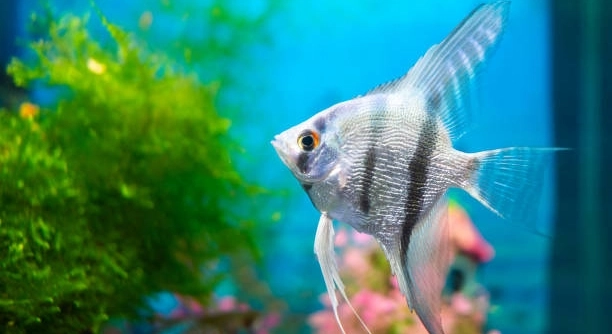
Angelfish are beautiful and graceful creatures, often captivating aquarists with their elegant swimming patterns. If you’re a proud angelfish owner, you may be wondering how to encourage natural behavior in these fish to enhance their well-being.
Encouraging natural behavior in angelfish involves replicating their natural environment, offering the right diet, and providing adequate space. This helps reduce stress, promotes healthier habits, and ensures your angelfish can thrive in your aquarium setting.
By understanding their behavior and needs, you can create an environment where angelfish feel at ease and exhibit their true instincts.
Provide a Spacious Tank
A larger tank helps angelfish move freely, allowing them to display more natural behaviors like swimming at different levels and establishing territories. A small tank can restrict their movement, leading to stress and potential health issues. Angelfish in cramped spaces are more likely to hide and become less active. The ideal tank size for angelfish is at least 30 gallons, ensuring there’s enough space for them to explore and interact.
If possible, add more plants and decorations to encourage exploration. This will help your angelfish feel more secure and mimic their natural habitat.
You may notice that once given more room, your angelfish begin to engage in their natural swimming patterns, showing off their beautiful fins and colorful markings. This improved environment can also reduce aggression among fish, which might otherwise occur when they feel crowded or stressed. They’ll have the space to swim around without constantly bumping into each other, promoting a more peaceful atmosphere in the tank.
Offer a Balanced Diet
The right food is crucial for angelfish’s natural behavior. Angelfish are omnivores and need a varied diet to stay healthy. Their food should include both plant and protein-based options, like high-quality pellets, flakes, or live food.
Angelfish that are given a balanced diet tend to be more active and exhibit normal social behaviors, such as foraging and interacting with other fish. A mix of both live and frozen foods, like brine shrimp and bloodworms, will ensure they get the necessary nutrients for energy and health.
This varied diet supports their growth and overall health. A poorly fed angelfish may become lethargic and unresponsive, which can lead to a lack of natural behavior. A well-nourished fish is more likely to be alert, swim actively, and engage in natural behaviors like grazing on plants or chasing food in the water.
Create Hiding Spots
Angelfish are naturally cautious, and having hiding spots allows them to feel secure. Providing caves, plants, or decorations gives them places to retreat when they need a break from the other fish. This helps reduce stress.
When angelfish have access to these hiding spots, they are more likely to exhibit natural behaviors, such as exploring their environment and interacting with tankmates. The hiding spots also give them a sense of control over their surroundings, helping them feel safe in their territory. This, in turn, encourages more active and natural behaviors, such as swimming and feeding.
By adding hiding places, you also give them a space to breed. Angelfish are known to be territorial, especially when it comes to mating. Providing secluded areas where they can lay their eggs or retreat with their mate can promote natural courtship and breeding behaviors. This setup encourages them to feel more at ease and express themselves naturally, without feeling threatened by other fish in the tank.
Maintain Proper Water Conditions
Angelfish thrive in water with stable temperature and pH levels. They do best in slightly acidic to neutral water with temperatures between 76°F to 82°F. Any fluctuations in water quality can cause them stress, affecting their behavior.
Keeping the water clean with regular changes and proper filtration is vital. This supports healthy angelfish behavior by maintaining oxygen levels, preventing diseases, and reducing stress factors. Stagnant or polluted water can make angelfish more lethargic and less likely to swim actively. If your water conditions are optimal, you’ll notice your fish are more likely to swim around confidently, explore their space, and interact with others.
A consistent water environment ensures the angelfish are comfortable and engaged. Changes in water parameters can disrupt their natural behavior and stress them out. To maintain ideal conditions, regularly monitor the tank’s temperature, pH, and nitrate levels. By keeping water quality in check, you promote healthier and more active angelfish, encouraging them to express themselves naturally.
Limit Aggression
Angelfish can become aggressive toward each other, especially in small tanks. By reducing competition for space and food, you can help minimize aggression. This will allow your angelfish to behave more naturally without constantly feeling the need to defend themselves.
One way to limit aggression is by ensuring there are enough hiding spots, territories, and room to swim. The presence of other fish can also help distract them, reducing the chances of territorial behavior. Introducing peaceful tankmates that won’t challenge their space can help maintain a calm environment.
Control Tank Lighting
Proper lighting is essential for angelfish to establish natural behaviors. Too much light can stress them out, while too little can make them feel unsafe. Finding the right balance helps them feel comfortable in their surroundings.
Angelfish are naturally accustomed to moderate lighting in their native environments, where they experience varying levels of brightness throughout the day. Providing a natural day-night cycle with lighting that simulates this will help regulate their behavior. Too much artificial light can cause them to hide, while too little can make them lethargic and less active.
Encourage Pair Bonding
Angelfish are known for forming strong bonds with their mates. Encouraging this natural behavior can help them thrive. When paired, they often swim together and protect their territory, creating a more harmonious tank environment.
Providing spaces where they can establish territory and privacy will help your angelfish bond naturally. This promotes healthy social behaviors and encourages their natural instincts to breed and care for their eggs. Keeping them in pairs can reduce loneliness and stress, leading to a more balanced and active fish.
FAQ
What should I feed my angelfish to encourage natural behavior?
Angelfish require a balanced diet that includes both plant-based and protein-based foods. Offer high-quality pellets, flakes, and occasional live or frozen foods like brine shrimp and bloodworms. A varied diet ensures they get all the necessary nutrients to stay active and healthy. Feeding them a mix will also keep them engaged, as they’ll exhibit more natural behaviors like foraging and hunting for food.
How can I tell if my angelfish are stressed?
Stressed angelfish often exhibit signs such as hiding, erratic swimming, or clamped fins. They may also stop eating or become more aggressive. If your angelfish are constantly stressed, it could be due to poor water conditions, overcrowding, or lack of hiding spaces. Monitoring their behavior closely can help you identify stress early and make adjustments to improve their environment.
Do angelfish need a tank with plants?
Yes, plants are important for angelfish. They provide shelter, help mimic a natural environment, and encourage natural behaviors. Angelfish love swimming around plants, grazing on algae, or using them as hiding spots. Adding both live and artificial plants will offer your angelfish a variety of places to explore and rest, which helps reduce stress and keeps them active.
What size tank do angelfish need?
Angelfish need a tank that’s at least 30 gallons, though larger tanks are preferable. This allows them enough space to swim freely and establish territories. Smaller tanks can cause stress and aggression, as angelfish may feel cramped. A larger tank also gives you the flexibility to add more plants and decorations for them to interact with.
Can angelfish live with other fish?
Yes, angelfish can live with other fish, but it’s important to choose peaceful tankmates. Avoid placing them with overly aggressive species or fish that may compete for food or territory. Suitable companions include tetras, rasboras, and other peaceful species. It’s essential to monitor their interactions to ensure all fish are getting along and not displaying aggressive behaviors.
How often should I change the water in my angelfish tank?
Water changes should be done regularly to keep your angelfish healthy. Aim for a 25-30% water change every two weeks. However, you may need to change the water more often if you have a smaller tank or high fish stock. Regular water changes ensure good water quality and prevent harmful toxins from building up, which can stress your angelfish.
What are the ideal water parameters for angelfish?
Angelfish do best in slightly acidic to neutral water with a pH of 6.5 to 7.5. The temperature should range between 76°F and 82°F. Regularly check the water’s ammonia, nitrite, and nitrate levels to keep them within safe ranges. Maintaining stable water conditions is crucial for promoting natural behavior and preventing stress or illness.
Why is my angelfish not eating?
If your angelfish is not eating, it could be due to stress, poor water conditions, or an unsuitable diet. Check the water parameters and make sure the tank is clean. Also, ensure you’re offering a varied diet. If they continue to refuse food, consult an aquarium specialist to rule out any health issues.
How can I help my angelfish breed?
To encourage breeding, provide a tank with plenty of space, good water quality, and hiding spots. Ensure the water temperature is slightly higher than normal (around 80°F). You may also need to introduce a compatible mate for your angelfish. When they feel comfortable and secure, they’ll engage in courtship and eventually lay eggs, typically on flat surfaces like leaves or rocks.
How can I tell if my angelfish are happy?
Happy angelfish exhibit active swimming, display vibrant colors, and interact with tankmates. They will often explore their surroundings and engage with plants or decorations. Healthy angelfish also eat well and maintain proper posture in the water. If your angelfish are showing these behaviors, they are likely content in their environment.
Final Thoughts
Encouraging natural behavior in angelfish is all about creating an environment where they feel comfortable, safe, and engaged. By providing enough space, hiding spots, and the right water conditions, you help them express their natural instincts. When they have room to swim, plants to explore, and a stable environment, they are more likely to show their true behaviors, such as foraging, interacting with tankmates, and engaging in social activities. The more you can replicate their natural habitat, the more active and content your angelfish will be.
One of the most important aspects of caring for angelfish is maintaining good water quality. Regular water changes, monitoring temperature, and keeping an eye on the pH levels are crucial for their overall well-being. Angelfish are sensitive to poor water conditions, which can lead to stress and unhealthy behavior. Keeping the water clean and stable helps prevent many common issues, such as lethargy or aggression, allowing your angelfish to behave naturally without distractions from their environment. A happy, healthy angelfish will swim freely, feed regularly, and interact with other fish without the added strain of poor conditions.
Finally, offering a balanced diet that mimics their natural food sources will further encourage positive behavior. Whether you provide them with high-quality pellets, live food, or plants to graze on, angelfish thrive on variety. A diverse diet supports their health and energy levels, allowing them to engage in natural activities like chasing food, displaying their colors, and forming bonds with other fish. By addressing these key areas—tank size, water conditions, and nutrition—you can create the best possible environment for your angelfish to flourish and express their natural behaviors.

Hello,
If you enjoy the content that we create, please consider saying a "Thank You!" by leaving a tip.
Every little bit helps us continue crafting quality advice that supports the health, happiness, and well-being of pets around the world, for pets of all shapes, sizes, and species.
We really appreciate the kindness and support that you show us!