
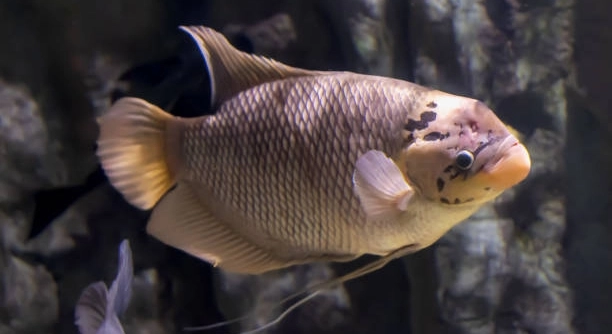
Are your gouramis spending most of their time hiding or barely moving in the aquarium? Lazy behavior can be common, especially if their environment lacks stimulation or their diet does not encourage activity.
Encouraging more activity in lazy gouramis involves adjusting tank conditions, providing appropriate enrichment, and offering a varied diet. Strategic placement of hiding spots, live plants, and interactive feeding methods can stimulate movement and promote healthier, more active behavior patterns.
By applying practical adjustments and observing your gouramis’ responses, you can create an engaging environment that encourages natural activity levels. This article will guide you through seven effective strategies.
Adjust Tank Size and Layout
Gouramis need enough space to swim comfortably. A small or overcrowded tank can lead to lethargy and reduced activity. Rearranging decorations or adding more open swimming areas encourages them to explore. Live plants are beneficial because they provide both hiding spots and a natural environment, which stimulates movement. Avoid placing too many ornaments in one area, as it can limit swimming paths. Gradually change the layout to prevent stress while introducing new areas for exploration. Observing how your gouramis respond to these changes will help you understand their preferred spots. Fish are more likely to stay active when they feel secure yet have room to move. A well-thought-out tank layout can improve overall health and promote daily activity patterns. Small changes like spacing plants differently or adding a floating log can make a noticeable difference in their behavior, leading to a livelier aquarium.
Rearranging decorations and providing open space increases movement while keeping the environment comfortable and safe for your gouramis.
A spacious tank encourages natural swimming and exploration. By carefully designing the layout with plants, open areas, and hiding spots, you create an environment that challenges gouramis to move. Even minor adjustments, like shifting decorations or trimming plants, can make a significant difference. Watching them discover new spaces often results in more frequent and varied activity. Ensuring proper water flow and avoiding overcrowding further supports healthy behavior. The combination of space, stimulation, and safety helps gouramis maintain consistent energy levels and reduces the tendency to remain inactive or hide excessively.
Provide Varied and Interactive Feeding
Offering the same type of food repeatedly can lead to boredom and inactivity. Introducing different food textures and types can stimulate interest and encourage movement. Live or frozen foods, such as brine shrimp or bloodworms, naturally trigger hunting instincts. Floating or sinking pellets can be used to create feeding challenges that require swimming and maneuvering. Feeding in different areas of the tank rather than one spot can also promote activity. Be mindful of portion sizes to avoid overfeeding, which can result in lethargy.
Using live or frozen foods helps trigger natural behaviors, increasing daily activity levels in your gouramis.
Rotating diets and feeding methods keeps your gouramis engaged and physically active. Varying foods encourages them to explore their tank, chase moving prey, and adapt to different feeding challenges. This mental and physical stimulation prevents laziness while supporting their overall health. Feeding at different tank levels ensures that fish use multiple swimming paths, engaging muscles and improving stamina. Even small changes, like tossing food near a new plant or decoration, invite exploration. Interactive feeding strengthens their instincts and maintains interest in their environment. Over time, these adjustments create a pattern of consistent activity, keeping gouramis alert and lively, and improving their well-being.
Maintain Optimal Water Conditions
Consistent water quality is essential for active gouramis. High ammonia, nitrite, or nitrate levels can stress fish, leading to lethargy. Regular testing and water changes help maintain safe conditions. Temperature stability is also important, as sudden fluctuations reduce activity and overall health.
Stable water conditions promote natural swimming and reduce stress in gouramis. Monitoring temperature, pH, and chemical levels ensures the environment is comfortable. Regular partial water changes prevent buildup of harmful substances. Clean, well-oxygenated water supports metabolic processes, which directly impacts energy levels and swimming behavior. Fish in stable conditions exhibit normal patterns, including exploring, interacting with tank elements, and responding to food stimuli.
Gouramis are highly sensitive to water chemistry. Sudden shifts can cause hiding, decreased feeding, and minimal movement. By maintaining proper filtration, conducting weekly water changes, and monitoring levels, you ensure their habitat remains supportive. Using dechlorinated water and testing kits can prevent unnoticed imbalances. Even minor improvements, like adjusting heater placement or aeration, encourage activity. Healthy water conditions help fish regulate metabolism, maintain buoyancy, and swim actively, contributing to longevity and overall happiness. Observing consistent movement and engagement indicates that water parameters are well-maintained.
Add Enrichment Items
Floating plants, driftwood, and tunnels create interest in the tank. Gouramis are more likely to explore when obstacles and hiding spaces are present. Rotating these items occasionally keeps the environment stimulating and prevents boredom.
Enrichment promotes natural behavior and mental stimulation. Items like floating plants or small caves encourage swimming, hiding, and exploration. Gouramis respond to changes in their environment by moving more frequently, which benefits their physical and mental health. Providing variety in the tank prevents them from settling into inactivity and creates a dynamic space.
Interactive objects support activity by simulating natural habitats. Gouramis use tunnels, plants, and driftwood to navigate, hide, and investigate, which encourages consistent movement. Rotating these objects periodically refreshes their environment, maintaining curiosity and engagement. Even small changes, such as adding a floating log or rearranging a plant cluster, can trigger exploration and exercise. Enrichment items also help reduce stress by offering secure spots, allowing fish to feel comfortable while moving. Over time, a well-structured and stimulating tank encourages regular activity, healthier behavior patterns, and an overall livelier atmosphere.
Encourage Gentle Water Flow
A gentle current stimulates movement without stressing gouramis. Using a low-flow filter or adjusting the existing filter output helps create areas for swimming while keeping them comfortable.
Areas with slight water movement encourage exploration and interaction. Gouramis often swim more actively when they encounter mild currents, which also improves circulation and overall health.
Introduce Tank Mates Carefully
Compatible tank mates can increase activity by encouraging social interactions and natural behaviors. Avoid aggressive or overly active species that may intimidate or stress gouramis. Ideal companions are small, peaceful fish that share similar water requirements. Carefully monitoring interactions ensures that all fish remain safe while promoting liveliness in the tank.
Use Light Variation
Gradually changing light intensity can trigger activity patterns. Gouramis respond to variations, moving between shaded areas and illuminated spots. Adjusting light duration and brightness mimics natural conditions, encouraging exploration and engagement with the environment.
FAQ
Why is my gourami so inactive?
Gouramis can become inactive for several reasons. Poor water quality, insufficient space, or a lack of stimulation are common factors. Stress from sudden temperature changes, aggressive tank mates, or improper diet can also reduce activity. Addressing these conditions usually restores normal behavior.
How often should I change the water to keep gouramis active?
Partial water changes of 20-25% weekly are generally sufficient. Regular changes help maintain safe chemical levels, prevent toxins from accumulating, and create a more stable environment. Stable water encourages swimming and exploration, keeping gouramis naturally active and healthy over time.
What foods encourage movement in gouramis?
Live or frozen foods such as brine shrimp, bloodworms, or daphnia are highly effective. These foods trigger hunting instincts and encourage swimming. Alternating between floating and sinking pellets also creates activity at different tank levels, keeping gouramis engaged during feeding.
Can tank size affect activity levels?
Yes, a small or overcrowded tank limits swimming space and can make gouramis lethargic. Providing adequate space for movement and proper swimming areas encourages exploration. Rearranging decorations periodically creates new paths, stimulating curiosity and promoting regular activity.
Do gouramis need tank mates to stay active?
Tank mates can influence behavior, but they must be compatible. Peaceful, similarly sized fish encourage social interactions without causing stress. Aggressive or overly fast species can intimidate gouramis, reducing movement. Monitoring interactions ensures a lively but safe environment.
How does light affect gourami activity?
Gouramis respond to changes in light intensity. Gradual increases or decreases in lighting encourage movement between bright and shaded areas. Mimicking natural day-night cycles helps establish predictable activity patterns and supports overall health. Avoid sudden or harsh lighting changes.
What types of enrichment are best for lazy gouramis?
Floating plants, small caves, tunnels, and driftwood are ideal. These items provide hiding spots, swimming challenges, and new areas to explore. Rotating or rearranging enrichment items prevents boredom and encourages consistent movement, keeping gouramis mentally and physically engaged.
Can temperature fluctuations make gouramis inactive?
Yes, sudden drops or spikes in temperature can stress fish, causing them to hide or move less. Maintaining a stable temperature within the species’ preferred range is crucial. Using a reliable heater and thermometer helps ensure consistent warmth and promotes regular activity.
Is overfeeding linked to laziness in gouramis?
Overfeeding can lead to lethargy, poor digestion, and health problems. Small, frequent meals that match their dietary needs keep gouramis active. Removing uneaten food promptly prevents water quality issues that could further reduce movement.
How do I know if my gourami is healthy and active?
Healthy gouramis swim regularly, interact with tank features, and respond to feeding. They display natural behaviors like exploring plants and hiding spots. Sudden inactivity, unusual floating, or hiding for extended periods may indicate stress or illness, requiring attention and potential water or diet adjustments.
Can rearranging the tank really increase activity?
Yes, even minor changes encourage exploration. Shifting plants, decorations, or hiding spots creates new paths and stimuli. Gouramis naturally investigate new layouts, increasing movement and engagement. Regular, gentle adjustments prevent boredom without causing unnecessary stress.
Should I use a filter with strong flow for activity?
Strong currents can stress gouramis, making them hide or swim minimally. Gentle water flow encourages movement without intimidation. Adjusting the filter output or using a diffuser ensures water circulation supports activity rather than causing fear or fatigue.
How long does it take for gouramis to become more active after changes?
It varies, but most gouramis respond within a few days to a week. Consistent water quality, proper diet, gentle enrichment, and stable tank conditions promote gradual, observable increases in activity and overall well-being.
Can stress affect activity levels long-term?
Prolonged stress reduces energy, suppresses appetite, and causes hiding behavior. Factors like poor water conditions, aggressive tank mates, and sudden environmental changes can contribute. Addressing these stressors restores natural activity and supports long-term health.
Are there signs of boredom in gouramis?
Yes, minimal movement, frequent hiding, or ignoring food are common signs. Boredom can be mitigated with enrichment, varied diet, and changes in tank layout. Engaging gouramis mentally and physically helps maintain regular activity and reduces stress.
Do gouramis prefer certain areas of the tank to be active?
Gouramis often favor mid to upper water levels but may explore all areas if enrichment and food encourage movement. Providing a mix of open swimming spaces, plants, and hiding spots promotes varied activity and keeps fish engaged throughout the tank.
Can using live plants really make a difference?
Live plants create hiding areas, natural swimming paths, and a sense of security. Gouramis are more likely to explore and interact when their environment feels natural. Plant placement and occasional rearrangement encourage consistent movement and healthy behavior patterns.
Is it normal for gouramis to rest often?
Yes, periods of rest are normal, but excessive inactivity may indicate stress, poor water quality, or health issues. Healthy gouramis balance rest with exploration, feeding, and interaction with tank elements. Monitoring behavior helps distinguish normal rest from concerning lethargy.
What is the best combination of strategies for maximum activity?
Combining proper tank size, gentle water flow, enrichment, live plants, varied diet, stable water conditions, and compatible tank mates produces the most effective results. Each strategy addresses physical and mental stimulation, encouraging natural behavior and consistent activity. Consistency and observation are key.
Can lazy gouramis become active again as adults?
Yes, even adult gouramis can regain activity with proper care. Adjusting tank conditions, enrichment, diet, and water quality can reinvigorate energy levels. Observing individual preferences and responding to their needs ensures long-term activity and well-being.
How often should I rotate enrichment items?
Rotating items every few weeks prevents stagnation without causing stress. Minor changes, like moving plants or adding small objects, maintain curiosity and engagement. Consistent rotation encourages exploration, reduces boredom, and helps maintain an active lifestyle in the tank.
Final Thoughts
Creating an environment that encourages gouramis to be more active requires attention to multiple factors. Tank size, layout, and water quality play a crucial role in their behavior. Small or overcrowded tanks can lead to lethargy, while stable water conditions ensure their metabolism and swimming patterns remain normal. Gentle currents and proper filtration promote movement without causing stress. Maintaining consistent temperature and chemical levels prevents sudden shocks that might make your gouramis hide or become inactive. By focusing on these basic environmental needs, you can help your gouramis feel safe, comfortable, and ready to explore their tank. Observing their reactions to changes can guide further adjustments and improve their daily activity.
Diet and feeding methods are equally important for keeping gouramis lively. Providing a variety of foods, including live or frozen options, engages their natural instincts and encourages movement. Floating and sinking foods create opportunities to swim at different levels, while feeding in different areas of the tank promotes exploration. Avoiding overfeeding ensures that fish do not become sluggish, and removing uneaten food prevents water quality issues that could reduce activity. Interactive feeding and dietary variety stimulate both physical and mental activity, helping gouramis stay alert and healthy. Small changes in feeding routines often lead to noticeable improvements in behavior and energy levels. These adjustments are simple but effective in maintaining a consistently active and engaged aquarium environment.
Enrichment and careful observation round out the steps to encourage activity in gouramis. Live plants, driftwood, and tunnels provide hiding spots and obstacles that make swimming more engaging. Rotating or rearranging these items keeps the tank dynamic and prevents boredom. Adding compatible tank mates can also increase activity through social interaction, provided they do not cause stress or intimidation. Gradual changes in lighting can further stimulate movement by mimicking natural conditions. Monitoring your gouramis’ behavior over time ensures that all adjustments are effective and that the fish are responding positively. By combining proper environment, diet, enrichment, and observation, you can create a tank that supports healthy activity levels, leading to happier and more vibrant gouramis. Consistent attention to these factors helps maintain a balanced, stimulating, and safe habitat where your fish can thrive.

Hello,
If you enjoy the content that we create, please consider saying a "Thank You!" by leaving a tip.
Every little bit helps us continue crafting quality advice that supports the health, happiness, and well-being of pets around the world, for pets of all shapes, sizes, and species.
We really appreciate the kindness and support that you show us!